 Chinatown Batik Canting Pen Picker: Fine Spouts for Silk
Hidden Gems & Odd Finds

Holland Village Flea Market Browsing Guide to Moving Sales
Around Holland Village, families who are leaving Singapore sell teak, rattan and books from their carports. Learn how to find these sales and bring pieces home.
Every few weeks, somewhere in the quiet lanes around Holland Village, a carport fills up with a whole household. There is a teak sideboard that has crossed three oceans, a pair of rattan armchairs, a box of children's books, a rice cooker and a stack of framed prints. A family is leaving Singapore, and everything that will not fit in the shipping crate is looking for a new home. This flea market browsing guide is about those moving-out sales. It covers how to hear about them, how to walk in with a plan, how to judge used furniture in a humid city and how to get a heavy find back to your own flat without a fight.
Why Holland Village Is the Place for Moving Sales
Holland Village has long been a favourite base for people who come to Singapore for a few years of work. The low-rise houses on the surrounding hills, the black-and-white bungalows and the condos near the old village centre are full of families on overseas postings. When a posting ends, they leave, and the timing is often sudden.
That steady churn makes the area a kind of rolling flea market. Instead of stalls in a hall, the stock sits in living rooms and driveways for a single weekend. One house might be selling mid-century Danish chairs, the next a Balinese daybed and Peranakan-style tiffin carriers bought on holiday. Each sale tells the story of a family's years in Singapore, and the best finds are often things they picked up in markets around the region.
How to Hear About a Sale
Moving-out sales are rarely advertised on signs. They spread through neighbourhood chat groups, school parent networks, community notice boards and online marketplace listings that mention the area by name. Ask a friend who lives nearby to forward anything they see, and search the marketplaces for phrases like moving out sale, relocation sale or everything must go together with the neighbourhood name.
Many sellers post a list of the main pieces with photos a few days ahead. Read it closely. If one item matters to you, message early and ask whether it can be held until you arrive. Sellers who are packing up a whole home are often glad to have one fewer decision to make.
The cafes and bakeries around the village centre are a good place to wait while you sort out the plan. Lorong Mambong and Chip Bee Gardens are close enough that you can grab a coffee, reply to a seller and walk over.
Walking In With a Plan
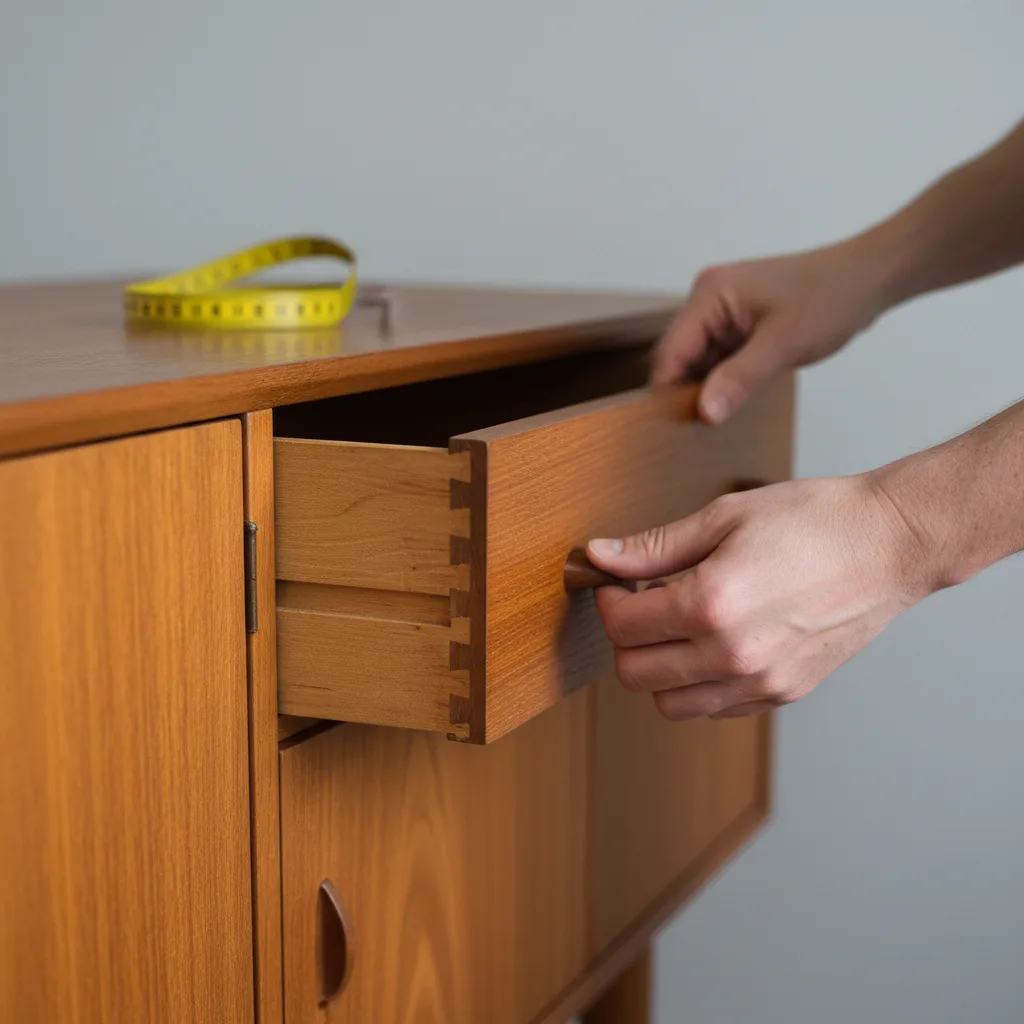
Moving sales move fast. The first hour is when the best furniture goes, so arrive with your room measurements written down, a tape measure in your bag and a clear idea of what you need. A rough sketch of the wall where a sideboard might go saves a lot of guessing.
Be polite about the fact that this is someone's home. Take off your shoes if the family asks, keep to the rooms that are open, and do not open cupboards that are not part of the sale. Children may still be living there, and the family may be tired and emotional about leaving. A friendly question about where they are moving next often turns a stiff exchange into a good conversation.
Judging Teak, Rattan and Upholstery
Tropical humidity is hard on furniture, so look closely before you fall in love. With solid teak, open every drawer, look at the joints and check the back panel. Dovetail joints that slide smoothly are a good sign. Run a hand under the top for soft spots, and sniff inside drawers, since a musty smell can mean mould that will follow the piece home.
Rattan should flex a little but not crack. Press on the seat and arms, check where the strands wrap the frame and look for small holes that might mean insects. Upholstered sofas and mattresses are the riskiest buys in a humid climate, so many regular buyers skip them and focus on wood, cane, metal and ceramics.
Lamps and electrical goods from overseas may have different plugs or voltage, so ask the seller whether they were used here and whether they came with adaptors. A beautiful lamp that needs rewiring is still worth having, but it is better to know before you carry it home.
Talking About What Things Are Worth
Sellers usually set their own figures and are often open to an offer, especially later in the day when the movers are due. Be fair. A quick, friendly offer for several pieces together tends to go down better than haggling over each small item. If a piece has a story, such as a carved chest bought in a village in Java, let the seller tell it before you talk about money.
Many families care more about where their furniture ends up than about the last dollar. If you explain that the dining table is for your first home or that the bookshelf is going to a classroom, you may find the conversation becomes easier. Some sellers also give away the last boxes of books and toys to anyone willing to carry them off.
Getting Heavy Finds Home
The hardest part of a moving sale is often the last ten metres. Before you agree to buy a large piece, ask when it must be collected. Some families need everything gone that afternoon, others can wait a day. Measure your lift and your front door as well as the room, because a sideboard that fits the wall may not fit the corridor.
For big items, book a van or a small moving service that offers same-day trips, and bring a friend to help lift. Old blankets and a roll of tape keep the edges safe. For small finds, a foldable trolley and a few reusable bags are enough. Take photos of how a piece comes apart if you need to unscrew legs or shelves, so you can put it back together at home.
Making a Morning of It
A moving sale rarely takes more than an hour, so plan the rest of the morning nearby. Chip Bee Gardens has small design shops, bakeries and a relaxed pace, and the village centre has plenty of places for breakfast. If you have bought a lamp or a print, sitting down with it over coffee is a good way to decide where it will go.
On a cooler morning, the green paths towards the old railway corridor and the parks along the edge of the area make a pleasant walk. It is a reminder that the neighbourhood itself is part of the appeal. Families stay here because it feels like a village, and the things they leave behind carry a little of that feeling.
Finding More Preloved Shops
Not every weekend has a sale, and some of the best pieces end up in secondhand furniture shops and thrift stores across the west of the island. Open the Karpo APP to find preloved furniture shops, vintage homeware stores and cafes near Holland Village, and save the ones you like for the weeks between moving sales.
Over time you will start to recognise the pattern. Families arrive, fill their homes with things from around Asia and the world, and then pass them on. Buying a piece at a moving sale keeps that story going, and the next time a friend asks where you found your teak sideboard, you will have a good answer.
Ask Karpo for more information.
Keep reading
- Chinatown Batik Canting Pen Picker: Fine Spouts for Silk
 Tiong Bahru Batik Canting Pen Picker: Handles and Bowls
 Katong Batik Canting Pen Picker: Wide Spouts for Wave Fills