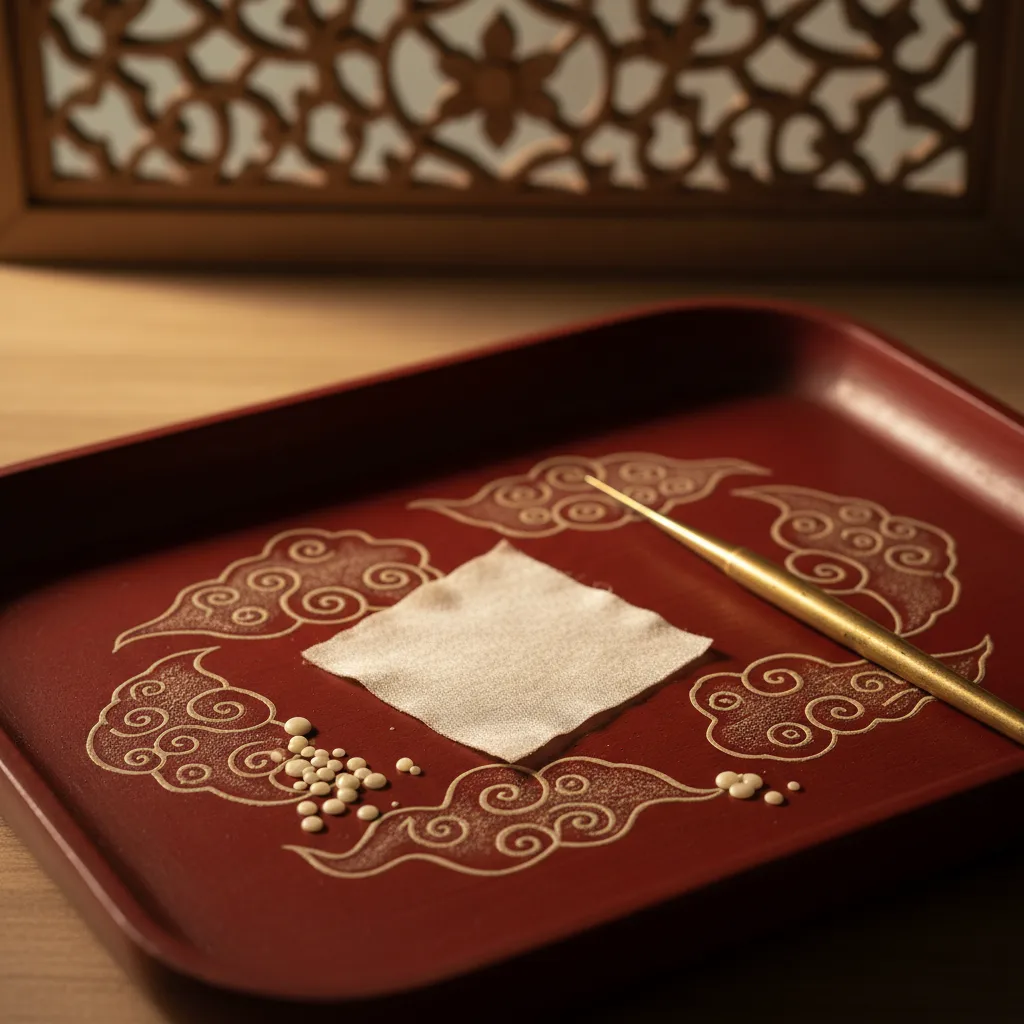
 Chinatown Batik Canting Pen Picker: Fine Spouts for Silk
Hidden Gems & Odd Finds
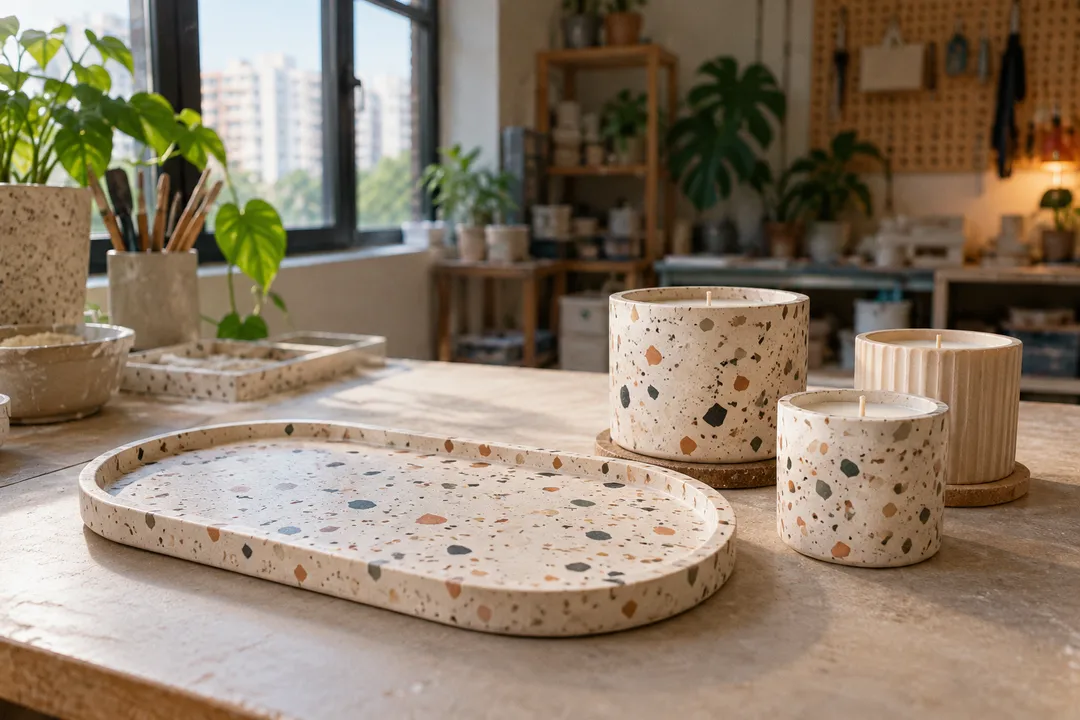
Singapore Craft Class Shortlist: Pick A Useful Project
Compare Singapore craft classes by the finished object, care, size, and reusable technique so Karpo APP can turn a wish into a practical shortlist.
The best craft class shortlist is often organized around the thing you want to carry home. A useful tray, a stitched accessory, a small ceramic form, a woven piece, or a paper project each implies a different kind of patience and follow-up. Use this page to tell Karpo APP what finished object would feel satisfying and how much technique you want to learn along the way. The result is a decision aid that keeps the finished project at the center instead of treating every workshop as interchangeable.
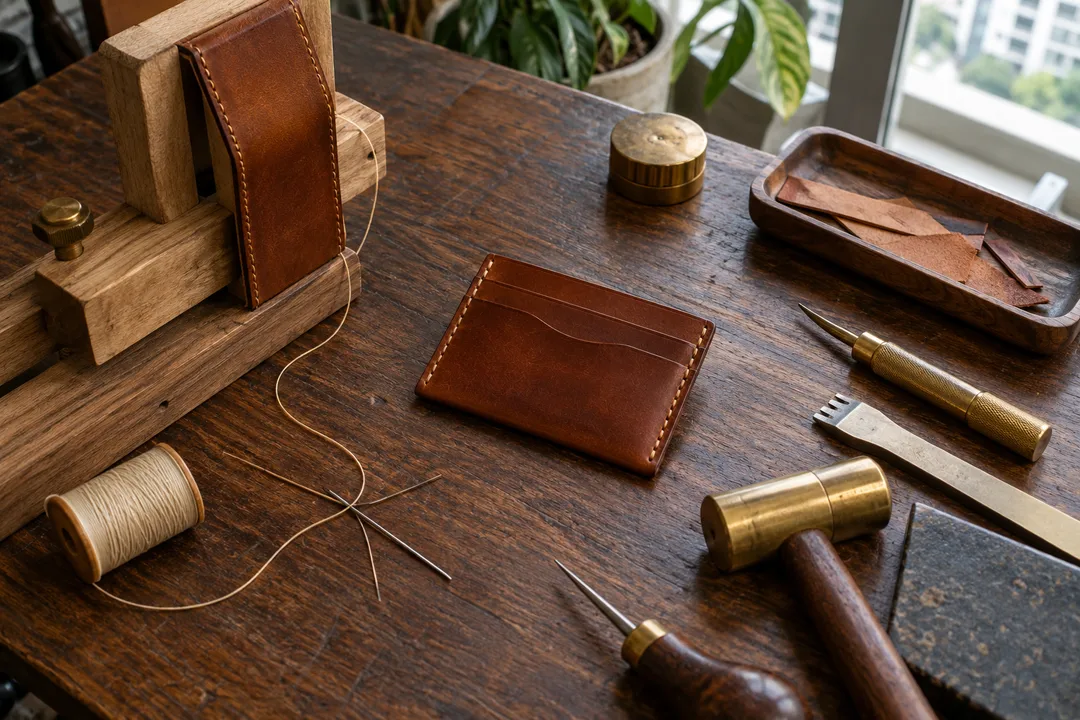
Define What “Useful” Means
Useful can mean something you carry daily, something that improves a room, or something that teaches a technique you can repeat at home. State which definition matters most. A small pouch, card holder, tray, planter, bowl, wall piece, or repaired object asks for different time and care. Karpo APP can translate the object into material and skill filters, helping you avoid classes whose finished item looks attractive but does not fit your life.
Balance Finish And Learning
Some sessions prioritize a polished object; others prioritize a technique and accept an experimental result. Decide which outcome you want. If you are giving the item as a gift, request a format with a defined finish. If the real goal is confidence, favor a class that teaches a transferable method. A shortlist becomes clearer when it says whether success means a tidy object, a new skill, or both.
Ask About The Work After Class
Finished pieces sometimes need drying, firing, sealing, trimming, or collection later. Include that follow-up in your request. You do not need to know the studio policy; simply ask for options with a clear after-class path. The planner can separate projects that leave with you immediately from those that return after another process. That distinction matters when you are traveling, gifting, or working around a tight schedule.
Compare Tool Familiarity
A useful object is easier to enjoy when the tools feel manageable. Say whether you want hand tools, a machine introduction, or a mostly guided process. Mention if repetitive fine motor work is tiring or if you enjoy measured steps. These details help Karpo APP recommend classes whose tool demands match your comfort. A project can be practical without becoming an equipment test.
Pick A Project You Will Actually Use
Before choosing, imagine the finished piece in your home or routine. Where will it sit, what will it hold, and how often will you touch it? If the answer is unclear, choose a project with a smaller commitment. The strongest shortlist leaves you with a realistic object and a reason to return to the technique, rather than a souvenir that immediately goes into storage.
Think About Care And Durability
A useful finished piece is easier to value when you know how it behaves after the class. Ask whether it needs gentle washing, food-safe treatment, curing time, or a protected shelf. You are not asking for a guarantee; you are choosing a project whose care fits your routine. The planner can make that consideration visible beside the object and technique.
Choose A Size That Fits Your Life
Scale changes usefulness. A large object may be satisfying but harder to carry and store, while a small object can become an everyday tool. Tell Karpo APP whether you live with limited storage, need a gift, or want a statement piece. A shortlist that includes size as a constraint makes the finished result feel intentional rather than accidental.
Use The First Object As A Test
Treat the first finished piece as evidence about the craft. If you enjoy the process more than the object, a technique-focused follow-up may be right. If the object changes your routine, a more advanced project may be worth exploring. Save that observation so the next shortlist builds on what you learned instead of beginning from a blank page.
Picture The Object In Use
For a practical comparison, imagine a tray holding keys by the door, a card holder in a small bag, and an embroidered piece displayed on a shelf. Each example has a different job, and none is automatically a better project. Ask yourself which one you would still appreciate after the novelty of the class fades. A gift introduces another person’s taste and care habits, while a household object introduces size and storage. Put that real use into the request. “Something useful” becomes much easier to interpret when it has a home and a purpose.
Write A Project-Led Request
Try this starting brief: “Build a Singapore craft class shortlist around a small object I can use at home. I am open to clay, weaving, or leather, but I want to understand the finishing process and how I would care for the item. Compare the trade-offs before suggesting a direction.” Those materials are possibilities for discussion, not a promise that a matching session is offered. Follow up by naming your preferred object. A conversation that starts with purpose can narrow into a technique without making you choose a specialist term prematurely.
Separate Decorative And Functional Claims
A bowl-shaped project is not automatically suitable for food, and an attractive container is not automatically waterproof. Treat any functional property as something the instructor or material specification must establish. This matters especially for items used around heat, water, skin, or food. You can still enjoy a decorative piece while being clear about its role. Add “decorative only is fine” or “I need it suitable for the intended use” to your comparison brief. That keeps the shortlist tied to evidence instead of assumptions based on the object’s appearance.
Keep The Costs Of Ownership Visible
Owning a finished piece can involve more than carrying it home. It may need storage space, occasional care, replacement parts, or a surface where it can be used comfortably. Make a short note of what you are willing to maintain. A delicate display object can be a lovely choice for someone who enjoys arranging shelves, while a robust everyday item may suit someone who wants less upkeep. Ask for the trade-off to be explained rather than collapsed into a single ranking. The useful project is the one whose ongoing demands you actually welcome.
Practical Notes For The Next Step
Practical notes: define the finished object, the after-class handling, and the technique you hope to repeat. Save those three points with your shortlist. Karpo APP is most useful when it can connect your practical purpose to the structure of a class, so the eventual choice feels like a small investment in your everyday life rather than a random activity.
Ask Karpo for more information.
Keep reading
- Chinatown Batik Canting Pen Picker: Fine Spouts for Silk
 Tiong Bahru Batik Canting Pen Picker: Handles and Bowls
 Katong Batik Canting Pen Picker: Wide Spouts for Wave Fills