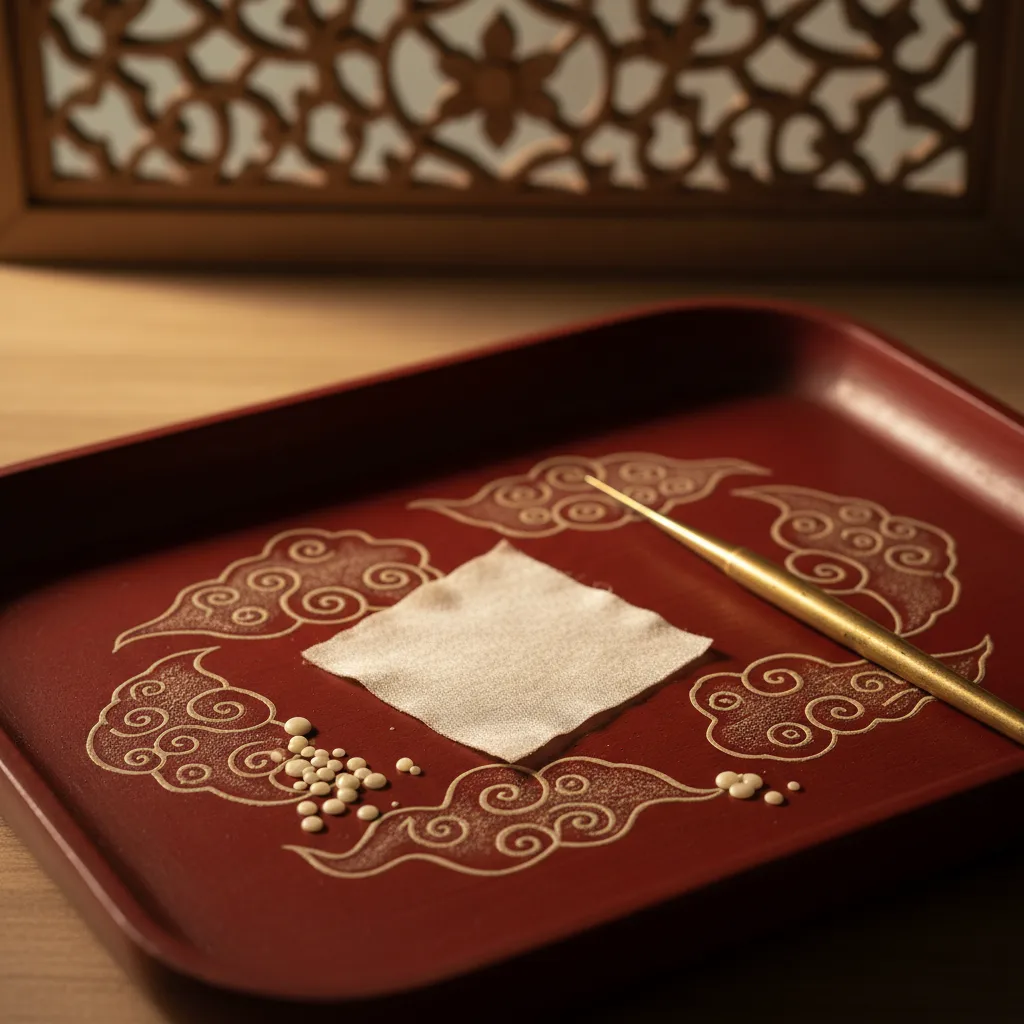
 Chinatown Batik Canting Pen Picker: Fine Spouts for Silk
Hidden Gems & Odd Finds

Singapore Craft Class Shortlist: Fit Time And Transit
Filter Singapore craft workshops by session length, neighborhood, and MRT route, then use Karpo APP to keep the creative outing practical and easy to reach.
A craft workshop only works if the route and schedule fit the rest of your day. This Singapore shortlist is designed for people balancing a class with a commute, a meal, or another appointment. Give Karpo APP your preferred neighborhood, the time window you can actually keep, and how far you want to travel from an MRT stop or bus connection. The tool can help shape a practical set of options without pretending that every studio has the same timetable or access pattern.

Set A Realistic Time Window
Write the time you can truly protect, including the commute and the few minutes needed to settle at a table. A class that technically fits but requires a frantic transfer is a poor match. Ask for a shortlist inside a defined window, then add whether you want a weekday evening, weekend morning, or midday break. Time clarity gives the planner a useful boundary before it starts comparing creative details.
Use Neighborhoods As Filters
Singapore neighborhoods can change the feel of an outing. Name the area you prefer, the maximum travel time, or the MRT line that makes the route easy. You can also say that a bus connection is fine if the walk is short. Karpo APP can organize options by route logic rather than by a generic citywide list, helping you see which classes fit before and after the workshop.
Plan The Before And After
A craft class often works better as part of a small itinerary. Decide whether you want a quiet meal before, a coffee afterward, or a direct route home with a project in hand. Add that preference to the request. The planner can keep the class central while identifying a schedule shape that does not turn the creative hour into an exhausting all-day journey.
Account For Carrying Materials
Some projects are light; others need a flat bag, a box, or careful handling. Mention how you will travel and whether you need the finished object to fit in a tote. That practical constraint can change which class is sensible. A route-first shortlist keeps the trip enjoyable and avoids choosing a beautiful project that becomes awkward the moment you leave the studio.
Make The Route A Confidence Signal
The easiest class to attend is the one whose route you can picture. Ask for the nearby stop, the final walk, and a simple arrival sequence when those details are available. You are not asking the tool to guarantee live transit conditions; you are asking it to help you compare the logistics you control. A clear route lowers friction and makes it more likely that the workshop becomes a habit.
Build A Transit-Friendly Backup
Routes can change with weather, delays, or an unexpectedly heavy project. Ask for a second option near the same line or neighborhood, and note whether a covered walk matters. The purpose is not live transit prediction; it is resilience. A shortlist with a nearby backup keeps one minor disruption from cancelling the creative plan.
Match The Class To Your Energy
A morning session may suit a careful project, while an evening class may be better for a social reset after work. Describe the energy you expect to bring, not only the time on the clock. Karpo APP can compare the pace and setting that are likely to feel comfortable in that part of your day.
Leave With A Simple Route Note
Save the meeting point, nearest stop, expected walk, and carrying plan in one note. Add the class name and the reason it won. That practical record makes the decision easy to share with a friend and easier to revisit later. A creative outing should end with a memory of making, not confusion about where the next connection starts.
Calculate The Whole Outing
Start from the latest time you must be home and work backward. Include the class, the journey away, and any collection or packing step described by the organizer. Then look at how you will reach the start. You do not need a precise minute-by-minute promise to see whether a plan is cramped. If the outline leaves no breathing room, shorten the outing around it or choose another session. This is a planning exercise using your available window, rather than a prediction of travel conditions or how long a teacher will take.
Send A Route-Led Question
A useful request could be: “Help me make a Singapore craft class shortlist for a weekend afternoon. I would like one straightforward journey from my starting area, a short final walk, and a project that fits in a tote. Compare two neighborhood directions and explain the travel trade-off.” Replace the broad preferences with your actual start point and limits. You can name a station instead of giving a private home address. Ask for a planning comparison first, then use the venue’s directions and your preferred transit source for the journey you choose.
Plan For The Last Part Of The Walk
The final approach matters when you are carrying a delicate project or avoiding an uncomfortable walk. Ask the venue about its entrance and access if those details affect your choice. A short distance on a map does not establish step-free access, shelter, or an elevator. Keep those as separate questions in the comparison. You can prefer a simpler arrival even if another class has a more exciting photograph. Choosing the route you can manage comfortably gives the activity more space to be enjoyable once you reach the table.
Use A Question List For Practical Gaps
Write unresolved logistics as questions, not optimistic assumptions. Is the class in the same room as the advertised studio? Does the project leave with you that day? What time does the instructor ask participants to arrive? Can your bag hold the item without tipping it? Ask only the questions relevant to your plan and keep the responses with the chosen option. The shortlist should become more concrete as you gather answers. When the route and timing fit, stop adjusting the itinerary and let the making remain the focus of the afternoon.
Practical Notes For The Next Step
Practical notes: save the route, the time window, the carrying plan, and one backup neighborhood. Karpo APP can help you turn those constraints into a manageable shortlist. When the logistics are honest from the beginning, the workshop has room to be creative instead of becoming another appointment you have to rush toward or recover from.
Ask Karpo for more information.
Keep reading
- Chinatown Batik Canting Pen Picker: Fine Spouts for Silk
 Tiong Bahru Batik Canting Pen Picker: Handles and Bowls
 Katong Batik Canting Pen Picker: Wide Spouts for Wave Fills