 Chinatown Batik Canting Pen Picker: Fine Spouts for Silk
Hidden Gems & Odd Finds
Keong Saik Concept Store Shopping Crawl Led by Your Nose
Follow your nose on a Keong Saik concept store crawl: temple incense, old herbal halls, small perfume and candle studios, then a tea break to rest your senses.
Most shopping walks are planned with your eyes, but Keong Saik rewards a different sense. In a few short blocks you move from temple incense to the dry, earthy smell of old herbal halls, then into restored shophouses where young perfumers, candle makers and tea blenders work with local ingredients. A concept store shopping crawl led by scent slows you down, sharpens your attention and helps you choose something personal. You leave with a fragrance or a candle that will bring this curved street back every time you smell it.
A Street With a Long Memory for Smell
Keong Saik Road curves through the edge of Chinatown, lined with two- and three-storey shophouses that have seen many lives. Over the years the street has held clan associations, family businesses, small hotels and coffee shops. The scents of the neighbourhood have shifted with each era, from cooking smoke and incense to roasted coffee and fresh bread.
Today the shophouses have been restored with pastel facades and tall shutters, and many hold design studios, restaurants and small concept stores. Walk slowly and breathe in as you pass each doorway. You will notice how one block can smell of sandalwood and the next of lemongrass, toast or rain on warm pavement.
Start With Incense at the Temples
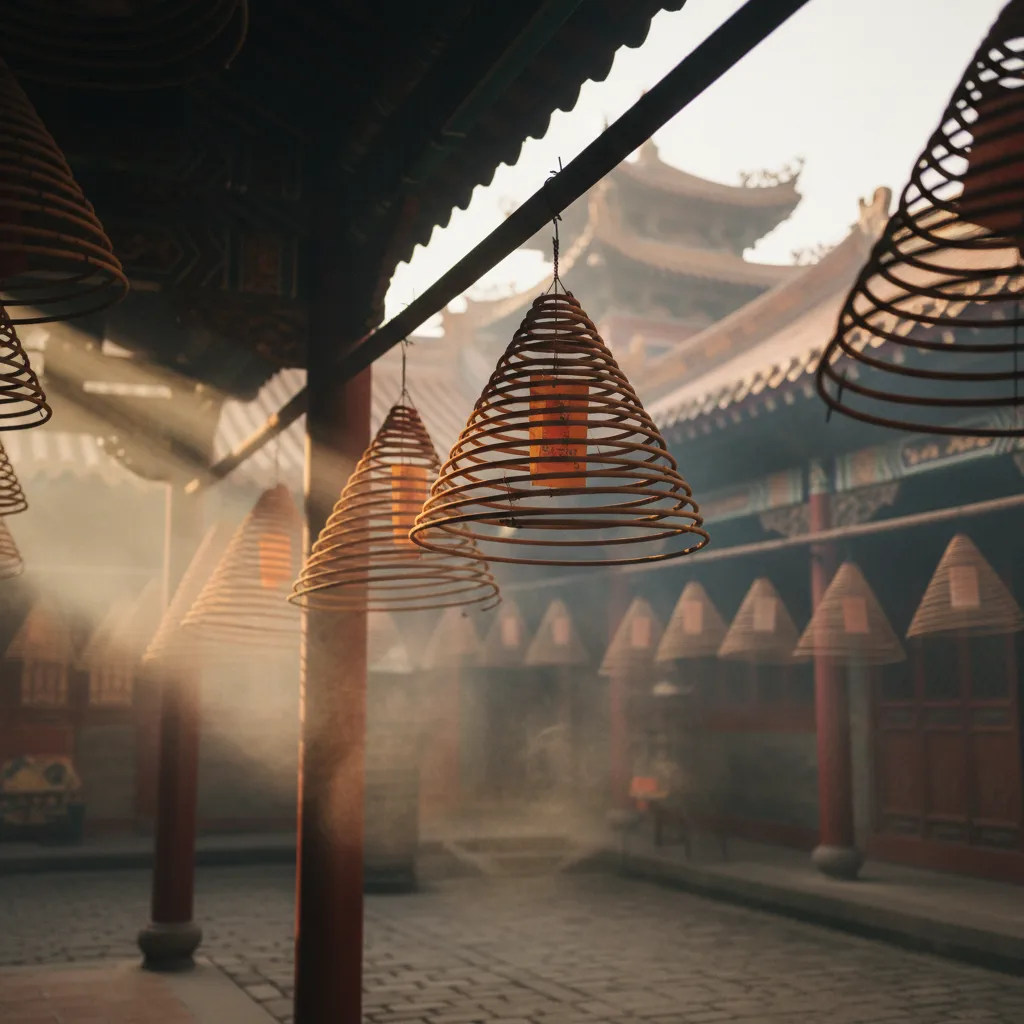
Begin your crawl at the temples of nearby Chinatown, where incense has been burned for generations. Stand for a moment in a temple courtyard and notice the layers of sandalwood, agarwood and smoke. This is the oldest scent of the neighbourhood and a useful reference point for the rest of the day.
Visit with respect. Speak quietly, keep your camera low during prayers and step aside for worshippers. If a temple shop sells incense sticks or cones, ask which ones are used for daily offerings and which are made for the home. A small bundle makes a meaningful souvenir for anyone who likes quiet rituals.
Round One: Old Herbal Halls
From the temples, wander through the Chinatown streets towards Keong Saik and look for traditional herbal shops. Their wooden drawers, glass jars and paper parcels hold dried roots, flowers, bark and seeds, and the air inside is unlike anywhere else. Chrysanthemum, dried tangerine peel, ginseng and liquorice all add to a scent that many Singaporeans connect with their grandparents' homes.
Ask the staff about the ingredients that smell best rather than the ones with medical uses. Dried chrysanthemum flowers or tangerine peel can be brewed as tea or placed in a bowl as a natural fragrance. Treat these shops as working businesses, buy something small if you stay to ask questions and leave health advice to qualified practitioners.
Round Two: Perfumers and Candle Makers in the Shophouses
Now step into the newer side of the street. Restored shophouses around Keong Saik and the lanes leading off it hold small studios where independent makers blend perfumes, pour candles and craft room sprays. Many work with notes inspired by Singapore, such as pandan, kaya, frangipani, orchid, white pepper, rain on asphalt and the green smell of the Botanic Gardens.
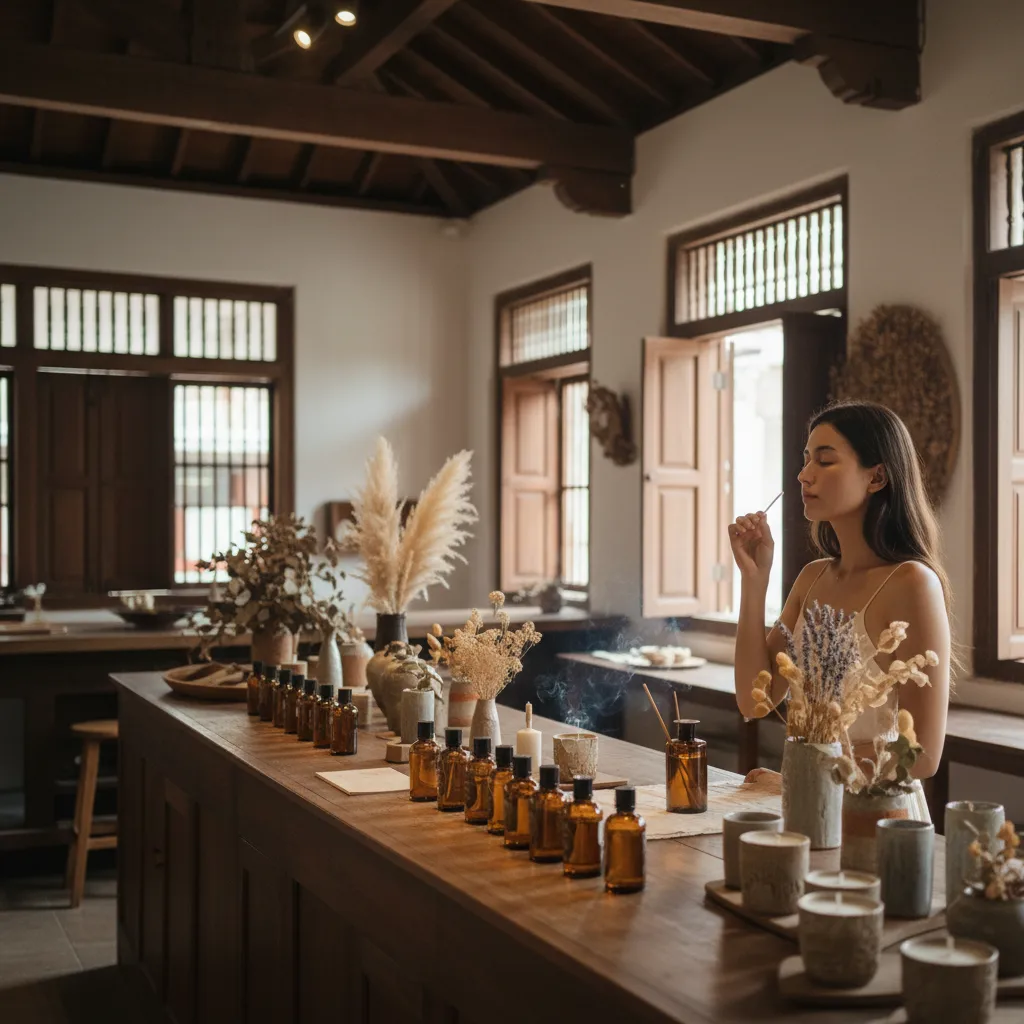
Smell in small batches. Most noses grow tired after a few scents, so try no more than three or four at a time, then step outside or sniff the inside of your wrist or a cup of coffee beans to reset. Ask for paper blotters and write a word or two on each so you remember which one you liked.
Some studios run blending sessions where you build your own fragrance from a set of base notes. If you are celebrating something or want a gift that nobody else will have, this is worth planning ahead. Ask the maker how they started and which local smell they find hardest to capture. Their answers often say a lot about the neighbourhood.
A Tea Break to Rest Your Senses
Halfway through, give your nose a rest with a pot of tea. The Chinatown area has traditional teahouses and modern tea bars where you can taste oolong, pu-erh or jasmine and learn to notice aroma in a different way. Breathe in the leaves before and after brewing and see how the scent opens up.
Use this pause to compare your blotters and decide what you really want to take home. Scents settle over time, so the one that still feels right after an hour is usually the one to buy.
Choosing and Carrying Your Scent Home
Before you pay, wear the fragrance on your skin for a while. Perfume changes as it warms, and the top notes you loved on paper may fade into something softer or sharper. Walk to the next shop, come back later and smell your wrist again. If it still makes you smile, it is the right one.
Candles and incense travel well when wrapped in cloth or paper inside your hand luggage. Keep liquid perfume in a sealed bag, and store it at home away from sunlight and heat, which in a Singapore flat means a cool cupboard rather than a sunny windowsill.
Who This Walk Suits and an Honest Skip
This crawl suits anyone who loves fragrance, couples looking for a shared activity, and visitors who want a souvenir that is more personal than a magnet. It also suits people who enjoy cooking and want to explore how Singapore's food and plant smells turn up in perfume.
People with asthma or strong sensitivity to scent may find incense smoke and perfume studios uncomfortable, so keep visits short or skip the temple courtyards. Shoppers looking for big designer fragrance counters will find more choice in Orchard, where the department stores are.
Timing, Weather and Getting There
Visit in the late morning or early afternoon on a weekday, when the street is calm and makers have time to talk. Evenings bring dinner crowds and stronger food smells, which can make delicate testing harder. Outram Park MRT station and Chinatown MRT station are both within an easy walk.
Wear light, comfortable clothes and avoid putting on your own perfume before the walk, so you can smell each scent clearly. Carry an umbrella for the afternoon showers, and use the five-foot ways under the shophouses to stay dry while you move from shop to shop.
Plan Your Next Scent Walk With the Karpo APP
If one note stays with you, whether it is sandalwood, pandan or jasmine tea, tell the Karpo APP and ask for related shops, tea rooms or workshops elsewhere in Singapore. It can help you build a second walk around the smell you liked most, from spice shops in Little India to flower stalls in Tiong Bahru.
Before you leave, walk the full curve of Keong Saik once more without stopping. Notice how the street smells now that your nose is trained. That small moment of attention is the real souvenir of this crawl, and it will stay with you long after the bottle runs dry.
Ask Karpo for more information.
Keep reading
- Chinatown Batik Canting Pen Picker: Fine Spouts for Silk
 Tiong Bahru Batik Canting Pen Picker: Handles and Bowls
 Katong Batik Canting Pen Picker: Wide Spouts for Wave Fills