 Chinatown Batik Canting Pen Picker: Fine Spouts for Silk
Hidden Gems & Odd Finds
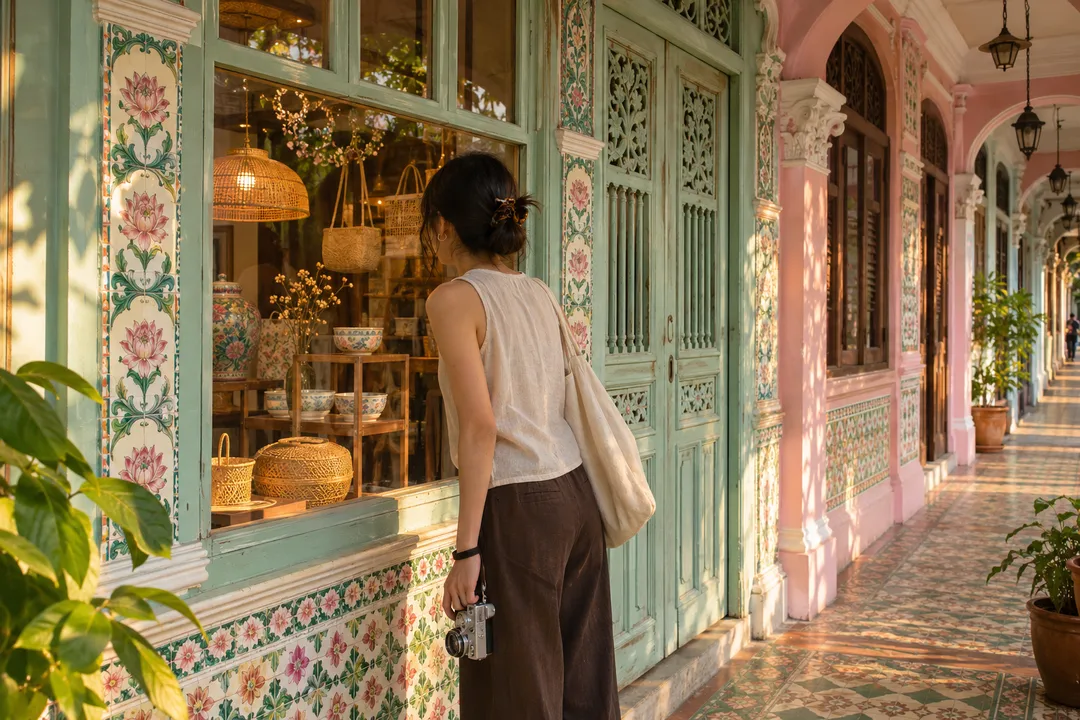
Joo Chiat Concept Store Shopping Crawl With a Film Camera
Bring a camera to Joo Chiat, follow the light past pastel terraces and step into concept stores between frames for a slow afternoon of shooting and shopping.
Joo Chiat is a neighbourhood that rewards a slow eye. The terrace houses wear pastel paint and patterned tiles, the five-foot ways throw sharp shadows in the afternoon, and tucked between the old bakeries and kopitiams are concept stores selling ceramics, beadwork, prints and small design objects. For a street photographer, that mix is ideal. You can spend an afternoon chasing light and step indoors whenever the sun gets too strong. This planner shows how to plan a concept store shopping crawl around the light, how to shoot respectfully, and how to choose a few objects that remind you of the frames you made.
Why Joo Chiat Works for Photographers Who Shop
Plenty of Singapore neighbourhoods are photogenic. Joo Chiat is unusual because the photogenic parts and the shopping parts sit on the same short streets. You do not need to choose between a photo walk and a browse. The two blend naturally, with each store giving you shade, a change of texture, and often a few objects worth photographing on their own.
The area's history helps too. Joo Chiat and neighbouring Katong grew up as a home for Peranakan, Eurasian and Malay families, and that layered heritage shows in the architecture, the food and the crafts. Many concept stores here draw on that past, whether through beaded slippers, tile-pattern prints or kebaya-inspired textiles. Shooting the street and then finding those same motifs on a shop shelf makes for a satisfying pairing.
Finally, the scale is friendly. You can cover the main streets on foot in a couple of hours, which leaves time to wait for the right light rather than rushing from place to place.
Plan Around the Light in the Karpo APP
Open the Karpo APP the night before and describe your afternoon. For example: a photo walk in Joo Chiat with a film camera, I want to shoot the terrace houses in good light and visit three or four concept stores for prints, ceramics or Peranakan crafts, and I want a café break when it gets too hot. Karpo suggests a short list of stores and rest stops with a note on why each one fits the plan.
Add the details that shape a photographer's day. Mention whether you prefer the soft early morning or the long shadows of late afternoon, if you shoot film or digital, and if you want stores with interesting interiors to photograph. Karpo uses this to shape the order of your stops. It does not track the weather or hold anything for you, so look at the sky on the day and shuffle the list as needed.
Save the plan to your phone so you can glance at it between frames without losing the thread of the walk.
Golden Hour on the Terraces
Start where the light is best. In the late afternoon, the rows of painted terrace houses near Koon Seng Road catch warm side light that brings out every tile and carving. Arrive a little before the light turns golden so you have time to walk the street, notice details, and find your angles before the crowds of casual phone photographers arrive.
Look beyond the obvious wide shot. Shoot the tiles close up, the shadow of a gate across a doorway, a cat asleep on a step, or the curve of a carved timber panel. These details will matter later, when you are choosing objects in the concept stores and want something that echoes the patterns you photographed.
Remember that these are homes. Keep to the street, avoid pointing your lens through windows, and step aside for residents coming and going. A friendly nod goes a long way, and many locals are happy to see people appreciating their street when they are respectful about it.
Step Inside Between Frames
When the light flattens or the heat builds, move into the first concept store on your list. Use the time to cool down and let your eyes adjust. Many stores in Joo Chiat occupy old shophouses with high ceilings, timber shutters and tiled floors, which makes them pleasant to wander even before you look at the products.
Always ask before photographing inside a store. Most owners are happy to say yes if you explain that you are shooting the neighbourhood, but some prefer not to have their displays photographed. If they agree, focus on textures and small arrangements rather than wide shots of the whole room.
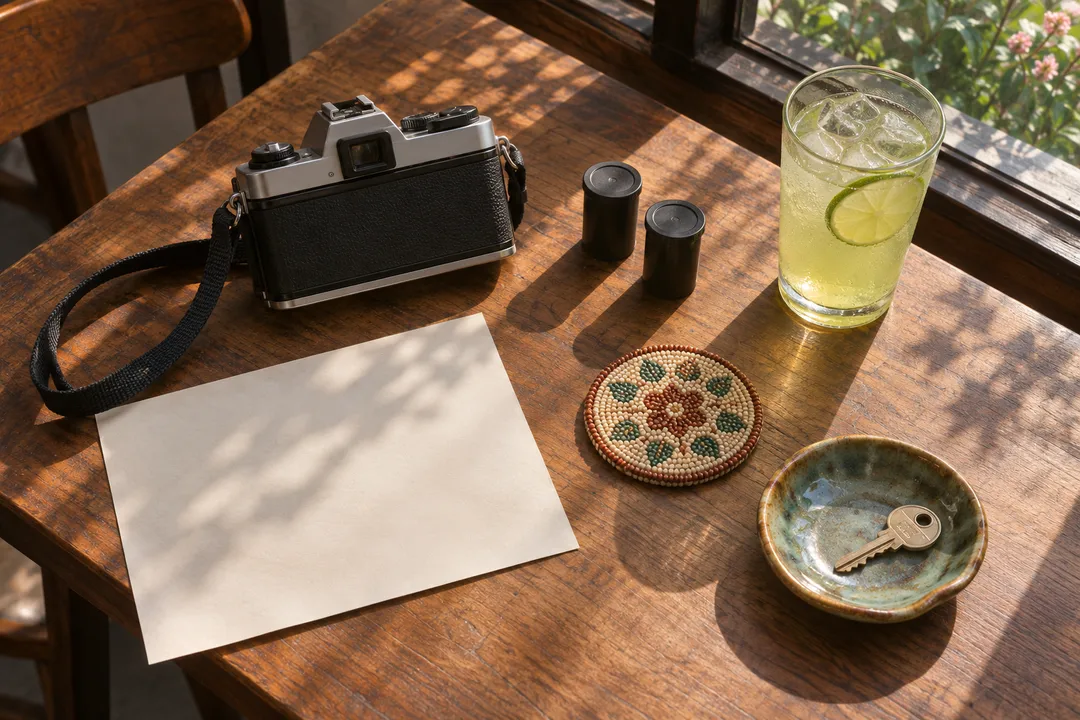
As you browse, look for objects that connect to your frames. A tile-pattern coaster, a hand-beaded keyring, a small ceramic dish glazed in the same mint green as a facade, or a print of a shophouse row you just walked past all make good souvenirs for a photographer. They become physical anchors for the images on your roll.
A Café Break to Review the Day
Halfway through, sit down somewhere with a window. Joo Chiat has old coffee shops, Peranakan kueh counters and newer cafés in restored shophouses, so you can choose based on your mood. Order something cold and lay out what you have bought so far.
If you shoot digital, flick through your frames and note what is missing. Perhaps you have plenty of facades but no street life, or lots of details but no sense of place. Use the second half of the walk to fill those gaps. If you shoot film, jot down the frames you remember making so you can match them to the scans later.
This break is also a good moment to update your plan. Open the Karpo APP, tell it what you have already seen, and ask for one more store or quiet street nearby that fits the light you have left.
The Second Loop Toward East Coast Road
For the second half, drift toward East Coast Road and the edges of Katong. The streets here mix old bakeries, clan associations and newer shops, which gives you a different texture from the residential terraces. Look for reflections in shop windows, signage shadows on walls, and people going about their evening routines.
Visit one or two more concept stores along the way. By now you will have a clearer idea of what you are drawn to, so be choosy. One well-made object is better than a bag of small things you will forget about. If a store sells prints or postcards from local photographers, take a look. Seeing how others have framed the same streets can inspire your next visit.
As the light fades, the shopfronts start to glow. This is a lovely time for a final few frames of warm interiors against the blue evening sky.
Practical Tips for Shooting and Shopping
Travel light. A small camera, one lens, a spare battery or roll, and a tote bag for purchases is all you need. A bulky camera bag makes it awkward to browse narrow shop aisles and can knock fragile ceramics.
Carry water and a small umbrella. Joo Chiat can be hot in the afternoon and showers arrive quickly, especially in the wetter months. Five-foot ways offer cover, but you will want to keep your gear dry when crossing streets.
Keep fragile purchases separate from your camera. Ask stores to wrap ceramics well, and carry them in a different bag so they do not scratch your lens or knock against your body.
Build a Photo Zine From Your Crawl
Once your images are ready, consider turning the day into a small zine. Pair each photograph of a street with a photograph of the object you bought nearby. A tile close-up beside a tile-pattern coaster, a pastel facade beside a ceramic dish in the same shade. The result is a personal record of the neighbourhood that no shop could sell you.
Each time you return to Joo Chiat, ask the Karpo APP for a few new stores and streets to add to your route. Over months, your zine can grow into a visual diary of how the area changes, and the objects on your shelf become a quiet collection of its colours.
A concept store shopping crawl in Joo Chiat is a chance to slow down and see properly. With a camera in hand, you will notice more, choose better, and leave with memories you can hold as well as look at.
Ask Karpo for more information.
Keep reading
- Chinatown Batik Canting Pen Picker: Fine Spouts for Silk
 Tiong Bahru Batik Canting Pen Picker: Handles and Bowls
 Katong Batik Canting Pen Picker: Wide Spouts for Wave Fills