 Chinatown Batik Canting Pen Picker: Fine Spouts for Silk
Hidden Gems & Odd Finds
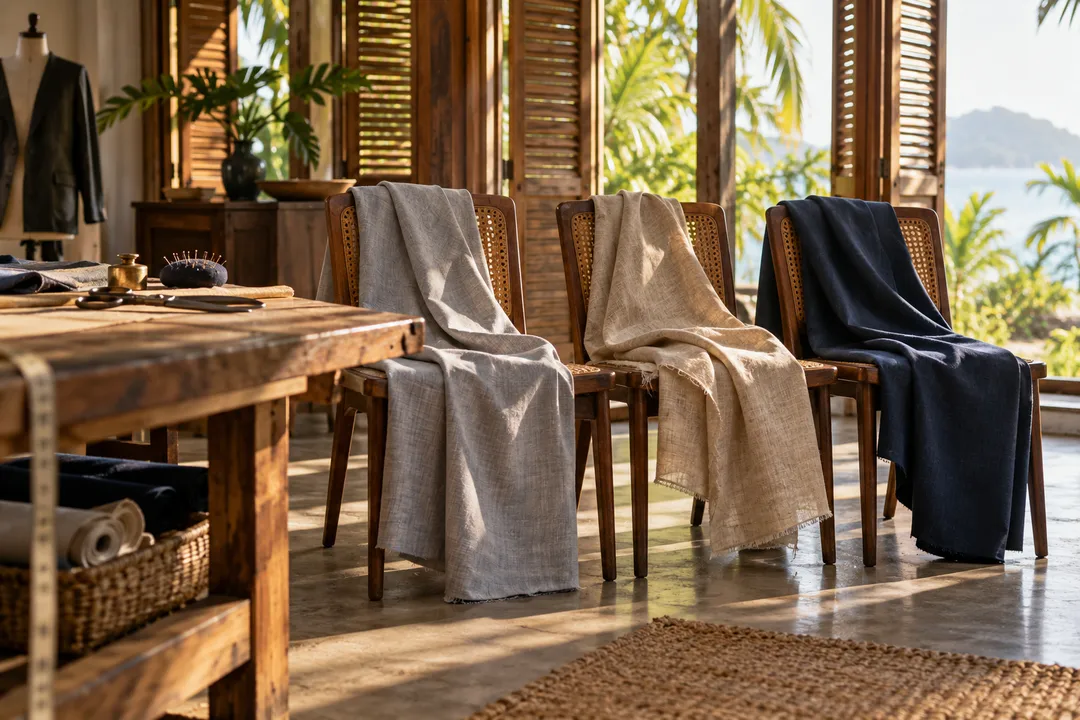
Singapore Bespoke Tailor Atelier: 3 Cloth Tests To Try
Use three practical cloth comparisons for a Singapore bespoke tailor atelier visit: feel, daylight, and movement, with notes for your consultation.
Choosing suit cloth is easier when you compare samples against the same three questions: how does it feel, how does it look in daylight, and what happens when you move? Bring that structure to a Singapore bespoke tailor atelier consultation. Karpo APP can be your starting conversation for a cloth brief, using the routines and preferences you supply. The final comparison belongs with real samples and the maker's explanation of the finished garment.

Give every sample the same assignment
Imagine a jacket that must serve an office presentation and dinner afterwards. Write down the part of the day that usually makes your clothes uncomfortable. It might be carrying a backpack, standing outside between journeys, or sitting through long meetings. Choose the most important problem first. A list headed “comfortable fabric” is too broad to explain why one sample belongs in your wardrobe and another merely looks attractive on the table.
Use that task when you ask for planning help: “Build a cloth comparison sheet for my Singapore suit consultation. My priorities are comfortable seated movement, a matte appearance, and care I can manage.” Include anything you already know about fibres that irritate your skin. Ask for neutral questions and space for the tailor's answers. A blank comparison sheet is useful because it makes missing information visible instead of filling the gaps with guesses.
First comparison: feel beyond the fingertips
Touch each sample in the same way and notice what you can actually describe. Is the surface smooth, dry, textured, springy, or unusually slippery? Decide whether that sensation appeals to you. A material can be technically impressive and still be something you do not enjoy wearing. If a particular texture irritates you, tell the maker directly rather than allowing a prestigious fabric name to overrule your own response.
Ask what parts of the finished garment will contact your skin and what sits between you and the outer cloth. Lining, shirt choice, construction, and the garment's shape all belong in this discussion. Rubbing a little swatch against your wrist is not the same experience as wearing a complete jacket. Where the business can show a relevant sample garment, use that opportunity to ask more specific questions about the proposed result.
Do not interpret a loosely woven appearance as a complete answer about comfort. Ask how the sample's weave and weight interact with the design being proposed. The same broad fibre family contains many different cloths, and a blend percentage tells only part of the story. Write down the explanation associated with that sample. If you later compare notes from another atelier, keep each maker's proposal attached to the correct material and construction.
Second comparison: look in useful light
Place your shortlisted swatches beside the shirt or blouse you will wear most often. Compare them under the same light before changing location. A useful question is whether you want the finished suit to recede quietly or show its texture from across a room. Both can be legitimate choices. The important distinction is that a richly textured sample has a job in your outfit, rather than becoming an expensive detail you never wanted.
Ask whether the staff can show the cloth near daylight without disrupting their workspace. Notice colour, shine, and any pattern repeat. Use a larger length when it is offered. A tiny square can make a pronounced check or stripe difficult to imagine at garment scale. Phone photographs are memory aids here: automatic exposure and colour processing can alter the appearance, so do not treat the camera image as the final authority on the cloth's colour.
Take a step back from the table. The detail that seemed fascinating in your hands might disappear when worn, while an apparently quiet surface might catch the light more than expected. If your aim is a restrained office suit, ask how the material will read across a meeting table. If you want a separate jacket with visible character, discuss the trousers it should work with. Those are different assignments and should produce different judgements.
Third comparison: connect cloth to movement
Handle the sample only as the atelier permits. A gentle fold can start a conversation about how creasing looks, but a quick test is not a scientific forecast of a finished garment's performance. Ask the maker to demonstrate what they consider a meaningful comparison. Look for an explanation that connects the material to the actual suit, including the support and shape being proposed. Record the limitations as well as the attractive qualities.
For trousers, talk about sitting, climbing stairs, and the position of the waistband. For a jacket, describe reaching for a shelf or carrying your everyday bag. Stretch in the cloth is only one part of comfortable movement. A pattern and fit that suit your body remain essential to the result. Avoid asking a fabric to solve every problem that bothered you in a different garment, particularly when you do not know why that garment felt restrictive.
Add care before deciding
Explain your realistic maintenance routine. Tell the atelier if you have limited hanging space, travel often, or need the garment for repeated use. Ask for the maker's care instructions for the cloth under discussion and keep them with its identity. An attractive sample that requires care you will not provide may be a weaker choice than a less exciting option. This is a practical decision about ownership, not a contest between fabric labels.
Record the exact composition or sample reference the business supplies. If a quote identifies a specific cloth, keep that association intact when summarising your notes. A description such as “the blue wool” can become ambiguous after several consultations. Ask Karpo APP to help organise information you provide into a readable comparison, but preserve the original wording for technical claims or terms you have not yet understood. Put those terms on the question list instead.
Choose one priority and one tradeoff
Compare the completed notes and nominate a preferred direction. Give a reason that matters to your day: the surface works with existing shirts, you enjoy the texture, or you understand how the proposed suit will be cared for. Then identify the compromise you accept. There is more value in knowing why an option suits you than in calling it the perfect fabric and ignoring the questions that remain.
Keep the appointment plan simple. Once you have selected an actual Singapore atelier, group any other errands around its real location and the time the business agrees with you. Do not build a packed chain of consultations that leaves no time to record what you handled. A short pause between visits helps preserve the differences between samples. It also gives you a chance to decide that one promising consultation was enough for the day.
Practical Notes for the comparison sheet
Bring one familiar shirt, a compact set of reference images, and a list of the garments you need. Ask before photographing sample labels or finished work. Keep each sample's identity, your impression, the maker's explanation, and the unresolved question in separate lines. Record prices and delivery terms only when the business provides them. The three tests should leave you with clearer questions and a preferred direction, while the atelier handles the specific proposal and any appointment arrangements.
Ask Karpo for more information.
Keep reading
- Chinatown Batik Canting Pen Picker: Fine Spouts for Silk
 Tiong Bahru Batik Canting Pen Picker: Handles and Bowls
 Katong Batik Canting Pen Picker: Wide Spouts for Wave Fills