 Chinatown Batik Canting Pen Picker: Fine Spouts for Silk
Hidden Gems & Odd Finds

Singapore Bespoke Tailor Atelier: Fit Before A First Suit
Prepare a Singapore bespoke tailor atelier fitting around sitting, walking, and your working wardrobe, then turn observations into clear questions.
A first suit fitting should show how you move, not just how you stand. For a Singapore bespoke tailor atelier consultation, start with the moments that matter: sitting at your desk, reaching into a bag, walking between appointments, and wearing the jacket with your usual shoes. Ask Karpo APP to help organise those observations into a brief, then take the questions to the person who will make the garment.
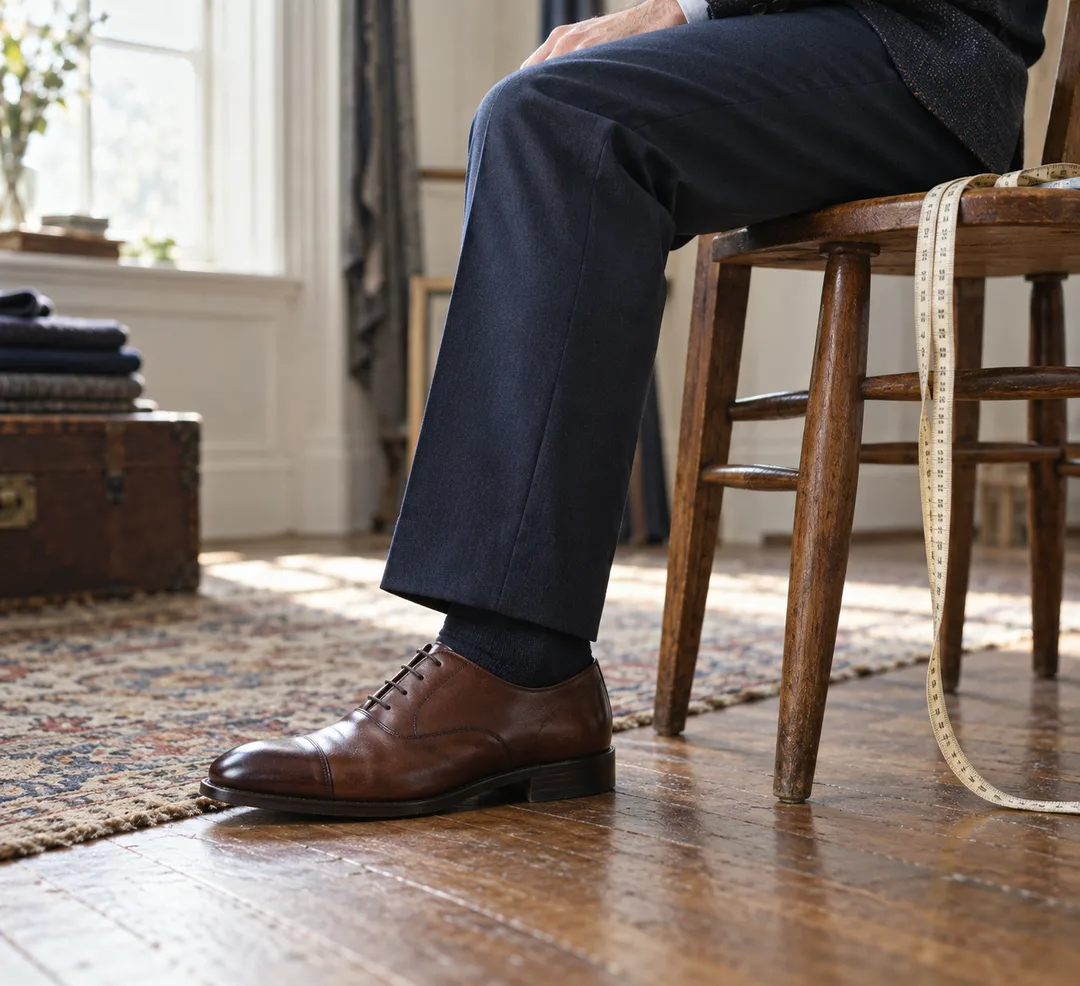
Describe a working day in the suit
A vague request for a business suit leaves too many choices unresolved. Describe whether the jacket stays on through meetings, comes off at a desk, or goes over your arm during the journey home. Include your preference for a formal or relaxed appearance. These are inputs for a consultation, rather than instructions that decide construction in advance. The maker needs room to explain which choices fit the way you actually dress.
Consider what is already hanging in your wardrobe. If most of your shirts have a particular collar shape, bring an example. If you wear the same pair of dress shoes for important meetings, those shoes belong at the fitting. There is little value in assessing trouser length over borrowed footwear that you will never use again. A first commission becomes easier to judge when the surrounding outfit is familiar.
Make a movement brief before a style brief
Write three short observations about existing clothes. Perhaps a jacket pulls when you reach forward, trousers feel tight while seated, or a collar moves away from your neck. Describe the sensation and where it happens. Avoid diagnosing the pattern yourself. Similar-looking issues can have different causes, and an online answer cannot see everything a cutter sees when you move. Your role is to explain the problem clearly enough for a useful demonstration.
Try this request in the planning conversation: “Help me write a first-suit fitting brief. I sit for most meetings, carry a shoulder bag, and prefer enough trouser room to climb stairs comfortably.” Add what you like about a garment you already own. The aim is not a list of defects. A successful reference can tell the maker as much as a complaint, particularly when you can bring the garment along.
Separate the decisions you are making
Discuss silhouette before narrowing details such as buttons and pocket shapes. Decide whether the overall line feels natural on you from the front, side, and back. A mirror pose with shoulders held unusually straight can conceal how you normally stand. Let your arms relax and look again. If you do not understand a proposed adjustment, ask the tailor to show what it changes rather than agreeing to a technical term you cannot picture.
Look at the jacket and trousers together. A jacket can appear balanced with one trouser rise and awkward with another. Explain how high you comfortably wear your waistband and whether you use a belt or braces. The consultation is the place to reconcile those habits with the proposed suit. Do not purchase an entirely different way of dressing by accident simply because it looks polished on a motionless mannequin.
Sit down before calling the fit comfortable
Ask when it is appropriate to sit in the garment being assessed. Unfinished work and pins need care, so follow the maker's direction. Once seated, notice the waistband, thigh, jacket front, and sleeve. Report pressure or restriction using specific movements. “This presses here when I lean towards a table” is easier to discuss than “something feels wrong.” Take your time with the movements that will occupy most of the suit's working life.
A little movement in fabric is not automatically a flaw. Clothing must bend with a body, and photographs can make ordinary folds seem alarming. Ask the tailor to distinguish a necessary fold from tension that needs attention. You are looking for a workable balance, not an impossibly smooth surface in every posture. Skip a dramatic online fit diagnosis when a simple explanation from the person holding the garment would be more accurate.
Compare cloth through your actual routine
Explain how the suit will travel between your home, workplace, and social plans in Singapore. Indoor and outdoor use are useful parts of the brief, but a fibre label alone should not decide the answer. Handle the proposed cloth and discuss lining, structure, weight, and maintenance together. Ask why the maker recommends that particular sample for your routine. Record the reasoning rather than reducing the choice to a universal rule about tropical suiting.
Think about how often the suit will be worn and how it will be stored between uses. A single important event and a repeated working rotation create different priorities. Ask about the care the finished garment will need, including what the maker recommends after a crease, stain, or minor repair. Keep those instructions with the commission notes. A fabric you admire but will not care for as advised may be a poor first choice.
Understand what the business is offering
Have the atelier explain its own process: what is being made for you, which fittings are part of the proposal, and who handles later adjustments. Words such as bespoke and made to measure are used in different ways. Do not assume a label settles the matter. A description of the actual sequence gives you a clearer basis for comparison than a ranking assembled from marketing language and photographs alone.
When you receive a written quotation, review its scope alongside the proposed garment. Note the included pieces, any optional details, and the business's own terms. Supply those details yourself if you ask Karpo APP to help you turn them into questions. Leave blank any field for which you have no answer. The conversation should help expose an uncertainty, rather than produce a confident number or fitting promise that nobody at the atelier supplied.
Leave with a brief you can use again
After a fitting, write down the change discussed, why it was proposed, and how you will assess it next time. A note such as “more room while seated, to be assessed in the next fitting” is more useful than a collection of disconnected close-up photographs. Keep preference changes separate from corrections. Wanting a different lapel after seeing a photograph is a different conversation from reporting a sleeve that restricts movement.
Ask for a concise recap in your planning conversation using only your own observations and the atelier's stated answers. Preserve any unresolved question in plain language. You should be able to read the result later and understand what is decided, what is merely an option, and what still belongs at the next appointment. A first suit involves learning your preferences, so a useful record should make that learning visible.
Practical Notes for the first appointment
Take the shirt, shoes, and any existing garment you intend to use as a reference. Carry only a small selection of inspiration pictures, with a sentence explaining what you like about each. Tell the staff about movement limitations before a measuring or fitting exercise, and ask permission before photographing people or work in progress. End by writing the next agreed action in your own calendar. A planning conversation does not itself place an appointment with the atelier.
Ask Karpo for more information.
Keep reading
- Chinatown Batik Canting Pen Picker: Fine Spouts for Silk
 Tiong Bahru Batik Canting Pen Picker: Handles and Bowls
 Katong Batik Canting Pen Picker: Wide Spouts for Wave Fills