 Chinatown Batik Canting Pen Picker: Fine Spouts for Silk
Hidden Gems & Odd Finds
Shoe Artistry: Singapore Bespoke Shoemaker Fit Guide Today
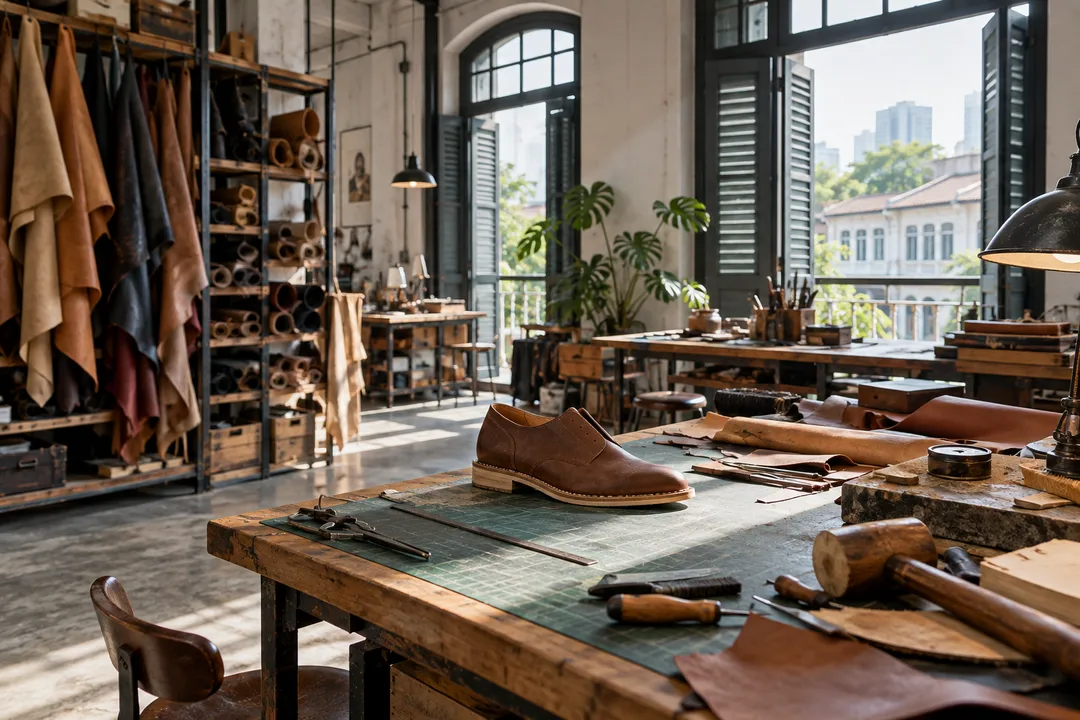
Shoe Artistry runs 3–4-hour Singapore workshops at Maketh Project, 68B Race Course Road, covering foot measurement, leather, hand stitching, and sole work.
Shoe Artistry is a Hong Kong-founded bespoke shoe and workshop business that runs several Singapore sessions at Maketh Project, 68B Race Course Road, Singapore 218571. Maketh’s current workshop page describes the beginners’ class as a three-to-four-hour experience covering traditional hand-stitching, leather sewing, and sole cementing, with materials supplied and colours to choose from. That makes this a different kind of bespoke shoemaker visit from a normal fitting: you are not merely selecting a finished pair, you are learning how the pair is assembled. The founders’ story also matters. Shoe Artistry says it grew from a wish to preserve Hong Kong shoemaking and combines heritage craft with measurement technology. In Singapore, the most useful expectation is a patient hands-on session where the finished object carries evidence of your decisions and your own work.
This is a workshop, not a shop-floor browse
Treat Maketh Project as a working creative venue rather than a conventional retail store. The address is in the Race Course Road and Little India area, where workshops, food, and small creative businesses sit close together. Arrive early enough to find the studio without eating into the class, but do not expect a large branded storefront designed for walk-in browsing. The Singapore page is explicit that Shoe Artistry holds several workshops at Maketh throughout the year. The practical action is to choose a dated session through the workshop listing and keep the booking details with you. The class is a good fit for someone curious about craft, for a small creative outing, or for a customer who wants to understand why bespoke footwear takes time. It is less suitable for anyone hoping to walk in, pick a size, and leave with a finished pair.
What the Singapore session teaches
The central lesson is that a shoe begins with a relationship between a foot and a last. Shoe Artistry’s bespoke-shoe page explains that the company uses hand measurements and three-dimensional scanning to capture the shape of the foot, including differences that a standard size hides. In a beginner workshop, the exercise is simpler, but the same principle helps you understand the craft: the upper, sole, and stitching are not independent decorations. They must work around a form that lets you stand and walk. Pay attention when the instructor discusses balance, toe room, and where the upper should crease. If you have one foot noticeably different from the other, say so early. The best class questions are physical and specific: where does pressure appear, which edge should flex, and how does the design affect the way the foot moves?
How measurements become a wearable shape
Material choice is where the fun begins, but it is also where a beginner can overcomplicate the design. Shoe Artistry’s published process describes Italian vegetable-tanned leathers, UK vegan leather options, full leather outsoles, cork filler, leather shanks, Blake stitching, and Goodyear construction. You do not need to memorise every term before class. Instead, compare the look and feel of a quieter leather with a brighter colour, then ask what each choice asks of the maker. A Blake-stitched shoe can feel lighter and more flexible, while a Goodyear-welted build is associated with a firmer structure and easier future sole work. The instructor can explain what the workshop actually includes. Pick a colour you will wear, not merely the brightest swatch on the table. A useful handmade pair should survive the novelty of the class.
Leather and construction choices in plain English
Bring comfortable clothes that let you sit, bend, and work for several hours. Closed shoes are sensible for a session involving tools and soles, and a small notebook helps when new terms arrive quickly. Do not arrive with a long list of impossible changes. Shoe Artistry welcomes creative requests in its bespoke service, including different colours, finishes, materials, and decorative details, but a beginner class has a defined structure. Start by deciding whether the pair is for your own wardrobe, a gift, or a learning exercise. Then choose one strong visual idea and let the construction guide the rest. If you have a fit issue, describe it before the cutting or sewing begins. The session is more rewarding when you ask why a step exists instead of racing to make the shoe look finished.
What to bring and what not to rush
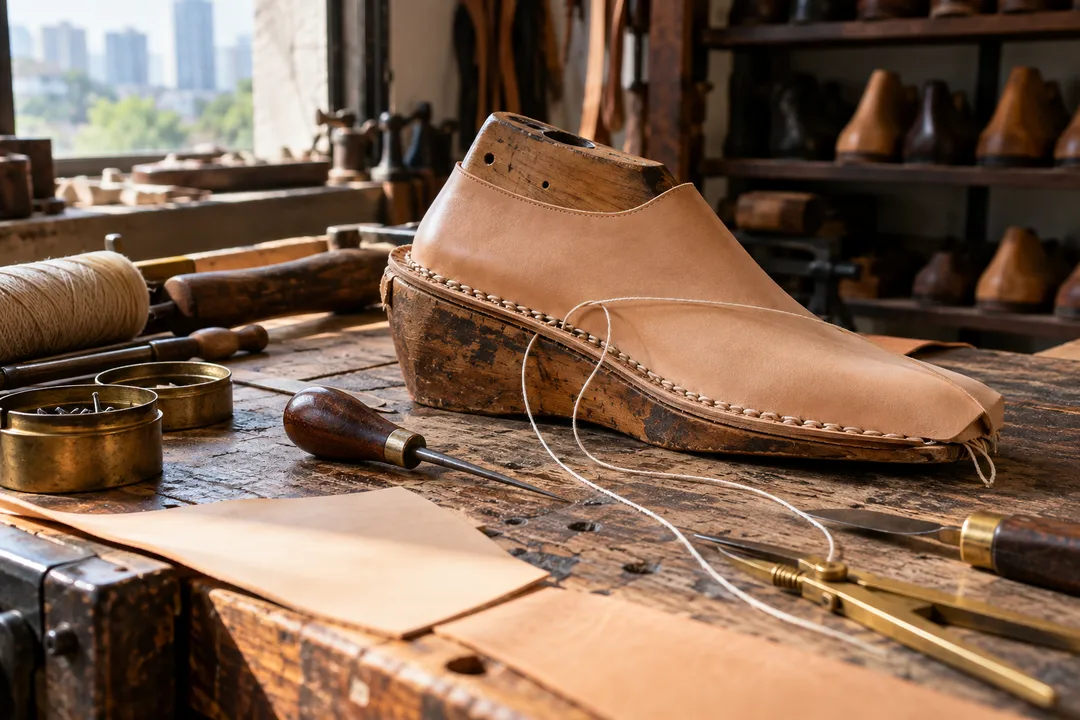
A three-to-four-hour workshop has a natural sequence. The early portion is for design, materials, and demonstrations; the middle section is where your hands become involved in sewing or joining; the final part is for finishing, checking, and understanding what still happens after the class. The Maketh listing says the class supplies the materials, so you can concentrate on technique rather than shopping for leather beforehand. Expect the pace to vary between people. Someone who has used an awl or stitched leather before may move quickly, while a first-time maker needs time to feel the resistance of the material. Keep the work area tidy, ask before changing a tool, and do not pull a thread simply because it looks loose. Care at each small step is the lesson.
The rhythm of a three-to-four-hour class
The most valuable questions are about what happens after the workshop. Ask how the pair should be conditioned, whether the sole needs additional finishing, and how the maker would approach a later repair or resole. Shoe Artistry’s full bespoke process describes a mock-up fitting around the third week, followed by further making and a typical six-to-eight-week journey for a commissioned pair. A workshop pair is not the same product, but the comparison clarifies why a fully bespoke order takes longer than a class. Leave with a realistic understanding of the difference between making a pair and ordering a pair. If you want a bespoke consultation after learning the basics, use the company’s official contact channel rather than assuming the Maketh venue is a permanent retail branch.
A Little India walk before or after class
Race Course Road gives you an easy before-and-after route. Come from Little India MRT, walk past the dense shophouse streets, and allow time for the class to start without rushing. Afterward, head toward Serangoon Road for the neighbourhood’s food and textile shops, or make a short loop toward Tekka Centre before returning to the main roads. Keep the walking portion before class light if you are wearing footwear that will become part of the exercise. The area can feel busy, especially around meal times, and the workshop is the reason to protect your schedule. A small meal before the session is useful, but avoid arriving with wet hands or a rushed coffee in the middle of the first demonstration. The best souvenir is attention to the work, not a crowded itinerary.
Practical Notes for Shoe Artistry Singapore
Practical details: the Singapore Shoe Artistry workshop is hosted at Maketh Project, 68B Race Course Road, Singapore 218571. Maketh lists a three-to-four-hour beginners’ session, materials supplied, colour selection, and instruction in hand-stitching, leather sewing, and sole cementing. Shoe Artistry’s official bespoke page lists men’s bespoke shoes from SGD 2,030.40 including GST and a six-to-eight-week production period; that figure describes a commissioned pair, not the workshop ticket. The company’s Singapore page is the right source for the current workshop dates. Book the class in advance, arrive ready to work, and distinguish clearly between a hands-on class and a private bespoke order. That distinction keeps the visit honest and makes the craft easier to appreciate.
Ask Karpo for more information.
Keep reading
- Chinatown Batik Canting Pen Picker: Fine Spouts for Silk
 Tiong Bahru Batik Canting Pen Picker: Handles and Bowls
 Katong Batik Canting Pen Picker: Wide Spouts for Wave Fills