 Chinatown Batik Canting Pen Picker: Fine Spouts for Silk
Hidden Gems & Odd Finds
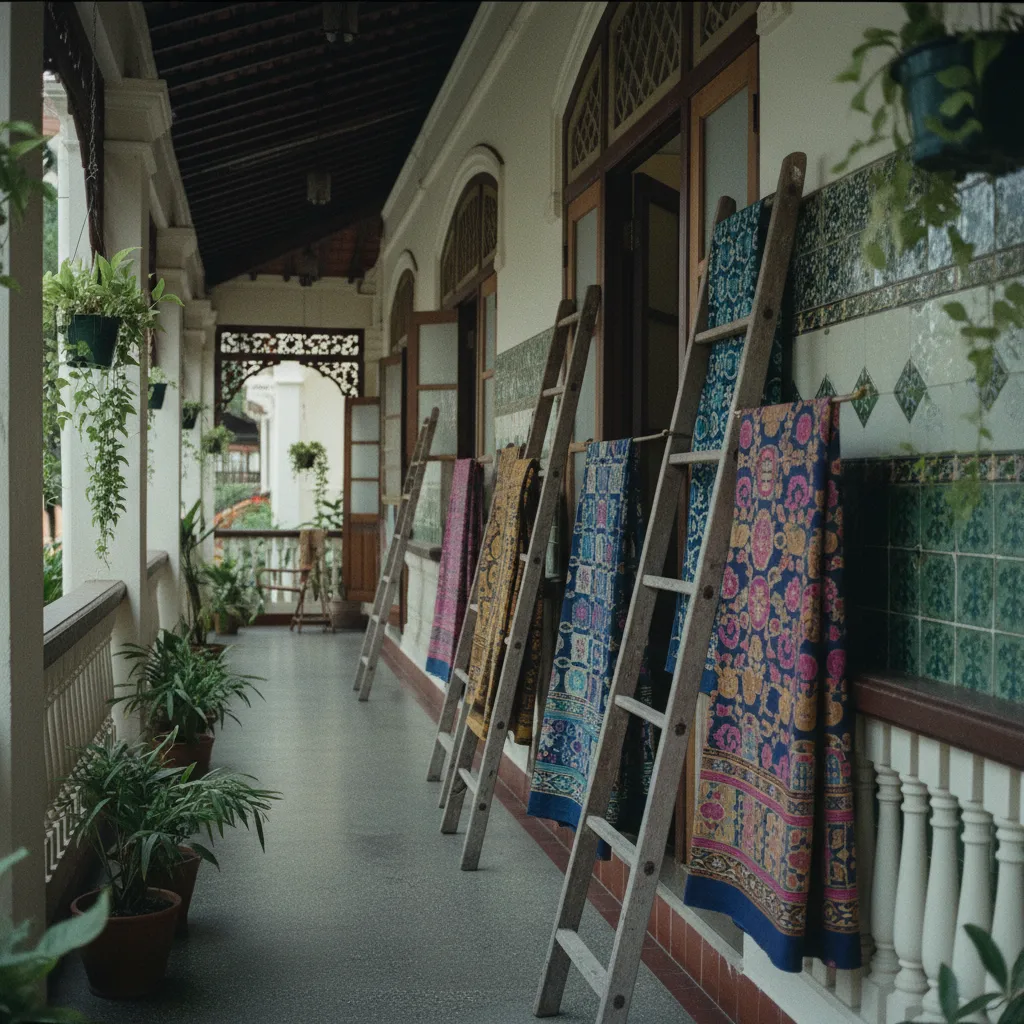
Katong Batik Textile Craft Walk: Peranakan Print Guide
Explore historic Katong verandahs on a batik textile craft walk. Study ornate geometric canting wax outlines and soft indigo-dyed artisan handkerchiefs.
Katong exudes an unhurried seaside elegance shaped by coastal breezes, shady rain trees, and grand pre-war residential estates. Historically favored by affluent merchant families seeking seaside weekend retreats, the neighborhood developed a sophisticated domestic culture centered on decorative arts. Taking a batik textile craft walk through Katong's tree-lined avenues invites you to explore an exquisite tradition of Peranakan textile styling. Instead of hurrying along commercial strips, wandering through shaded residential verandahs and quiet shophouse rows allows you to observe subtle nuances in fabric drape and motif symbolism. The gentle pace of neighborhood life makes this an ideal setting for anyone who appreciates fine handcraft, architectural elegance, and thoughtful slow travel.
Straits Architecture and Coastal Textile Tradition
The unique architectural heritage of Katong reflects a golden era of Straits eclectic design, where ornate bas-relief plasterwork and louvered jalousie shutters adorn heritage facades. These spacious seaside dwellings featured expansive five-foot ways and shaded front porches designed to capture prevailing sea breezes while providing sheltered gathering spaces. Within these airy interiors, generations of Peranakan matriarchs cultivated refined domestic arts including intricate beadwork, delicate embroidery, and the curated collection of fine batik sarongs. Walking past these preserved residences allows you to appreciate how architectural comfort and decorative textile arts developed in close harmony throughout eastern Singapore. Wide verandahs and breezy timber transoms allowed coastal families to display fine hand-woven textiles while entertaining guests in shaded outdoor living areas.
Unlike the darker royal ceremonial garments of central Java, Katong's maritime textile heritage embraced luminous, light-reflecting colors that echoed coastal sunlight. Shades of coral pink, apple green, soft lavender, and sunny lemon yellow became signature hues for everyday sarongs and formal celebration cloths. These bright grounds allowed intricate floral sprays, fluttering butterflies, and symbolic phoenix motifs to stand out with striking visual clarity. Exploring Katong's artisan galleries today connects you directly with this historic aesthetic, offering inspiration for incorporating traditional maritime color harmonies into modern wardrobes.
Floral Symbolism and Traditional Color Harmonies
Every traditional Peranakan batik motif carries a rich vocabulary of cultural symbolism designed to convey blessing, longevity, and familial harmony. The graceful peony blossom represents feminine elegance and prosperity, while paired butterflies fluttering above lotus ponds symbolize enduring affection and marital happiness. Artisans often incorporate auspicious geometric borders such as the pilin spiral or tumpal triangular saw-tooth motifs along sarong hemlines, invoking ancestral protection for the wearer. Taking the time to decode these symbolic elements transforms ordinary fabric browsing into an enriching cultural reading of historic decorative art.
Color pairings in Katong textiles demonstrate remarkable sophistication, balancing complementary warm and cool botanical pigments without visual clash. An artisan might frame soft rose-pink central medallions with sage-green foliage before enclosing the entire composition within a rich indigo-blue border. When you evaluate textiles in local boutiques, observe how natural dye undertones harmonize across different light conditions. Authentic natural pigments age with a soft, warm patina that synthetic dyes cannot mimic, ensuring that garments and home textiles grow more visually appealing with every passing year. The interplay between coral and sage botanicals creates balanced visual harmony, celebrating natural pigments that remain vibrant for generations.
Distinguishing Hand-Drawn from Stamped Textiles
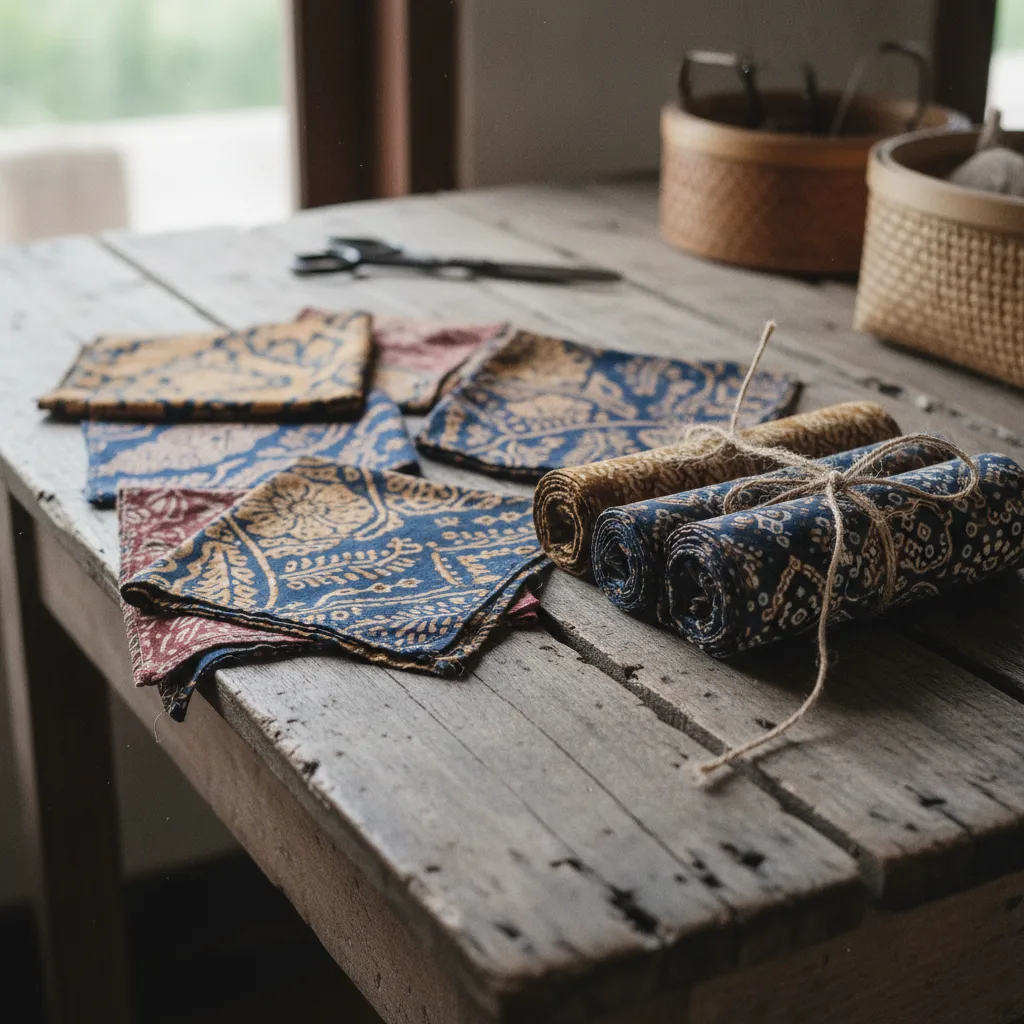
Developing an educated eye for textile production techniques allows you to make informed purchases and appreciate the artisan effort behind each piece. When comparing hand-drawn batik tulis with copper-stamped batik cap, start by closely inspecting pattern repeats across the length of the cloth. In stamped textiles, motifs repeat at regular geometric intervals corresponding to the dimensions of the copper block stamp, usually measuring twenty by twenty centimeters. In contrast, hand-drawn canting textiles display continuous, organic variations where individual flower petals and foliage tendrils subtly shift in shape across the cloth. Observing these subtle rhythm differences helps you recognize the immense patience required to complete hand-drawn wax-resist yardage.
Another telling clue lies in the micro-details of wax application along fine line borders. Hand-drawn lines often reveal tiny droplet swellings where the artisan paused to refill the copper pen reservoir with molten wax. Stamped lines, while exceptionally crisp, occasionally display tiny breakages where the copper wire stamp pressed lightly against an uneven fabric surface. Neither technique is inherently superior; rather, each offers distinct aesthetic strengths, with stamped cloth excelling at crisp geometric order and hand-drawn cloth embodying expressive freehand artistry.
Styling Artisan Batik Wraps for Warm Weather
Artisanal batik wraps and lightweight sarongs offer exceptional versatility for modern tropical wardrobes, adapting effortlessly to casual and formal settings alike. A finely woven cotton sarong can be folded into a sleek wrap skirt secured with a coconut-shell buckle for an afternoon gallery outing or garden lunch. Draped over the shoulders, an airy silk-cotton voile shawl provides gentle protection from intense midday sun and transitions into an elegant evening wrap for open-air dining. The lightweight natural fibers breathe freely against the skin, offering comfortable temperature regulation during humid tropical days. Fine cotton voile remains exceptionally breathable in Singapore's tropical humidity, providing lightweight protection against strong coastal sun.
When styling patterned batik garments, pair bold floral or geometric prints with clean, solid-colored linen separates in neutral sand, crisp white, or deep navy. This visual balance allows the intricate wax-resist artwork to serve as the undisputed focal point of your outfit without competing for attention. For a modern minimalist touch, roll a narrow batik scarf around the handle of a woven straw tote or knot it loosely around your neck to add an understated pop of artisan color.
Karpo Suggestions for Katong Craft Browsing
Katong's leafy side streets are ideal for an unhurried textile search. Ask the Karpo APP for nearby recommendations connected to batik, Peranakan beadwork, pottery, or other craft interests, then choose the stops that fit your mood. You can spend longer with a color pairing, take a shaded detour of your own choosing, or simply keep walking when the verandahs and rain trees are the main attraction.
After comparing cloth, ask Karpo for nearby cafes, gardens, or cultural studios that might make a good pause. Select one yourself and let the day respond to the weather and your attention span. The app offers useful local ideas; your own decisions determine the sequence, the pace, and whether a promising lane becomes the final stop.
Ask Karpo for more information.
Keep reading
- Chinatown Batik Canting Pen Picker: Fine Spouts for Silk
 Tiong Bahru Batik Canting Pen Picker: Handles and Bowls
 Katong Batik Canting Pen Picker: Wide Spouts for Wave Fills