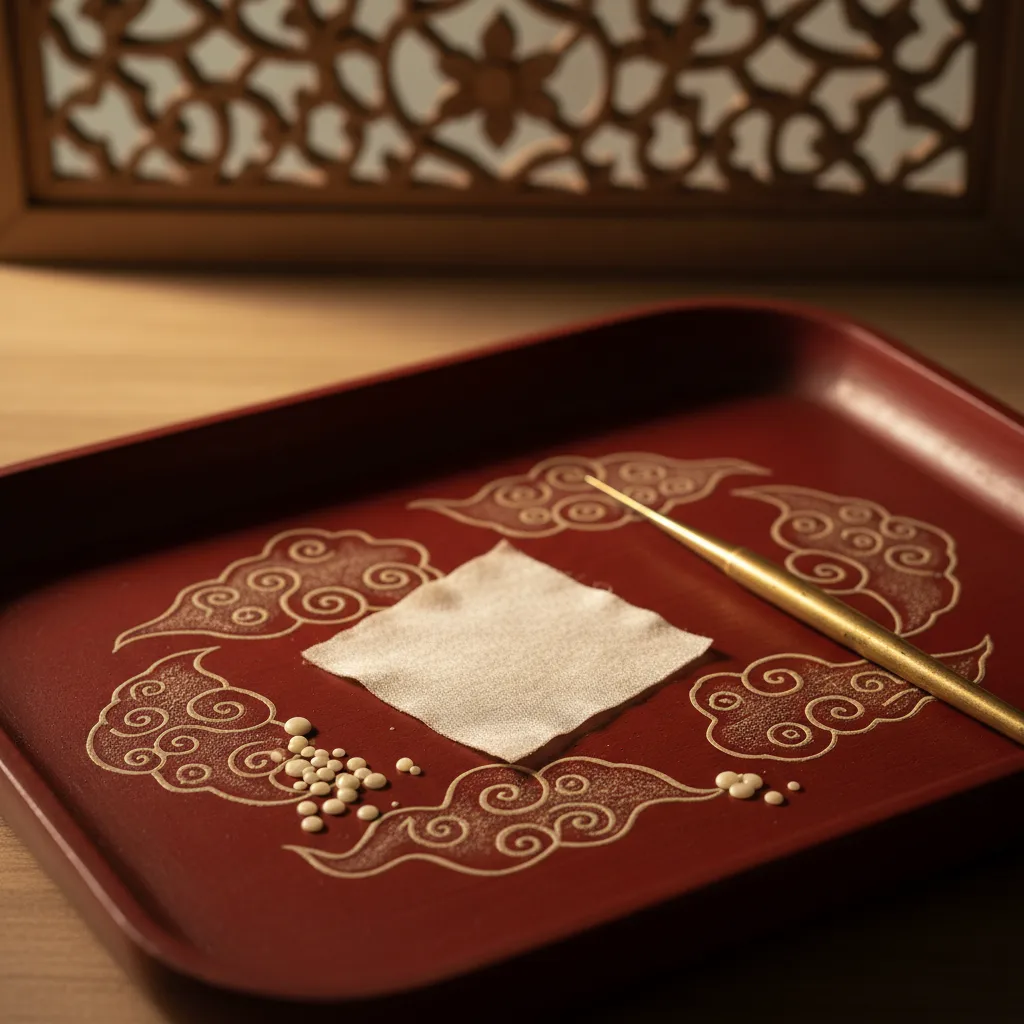
 Chinatown Batik Canting Pen Picker: Fine Spouts for Silk
Hidden Gems & Odd Finds
Joo Chiat Batik Textile Craft Walk: Heritage Motif Guide
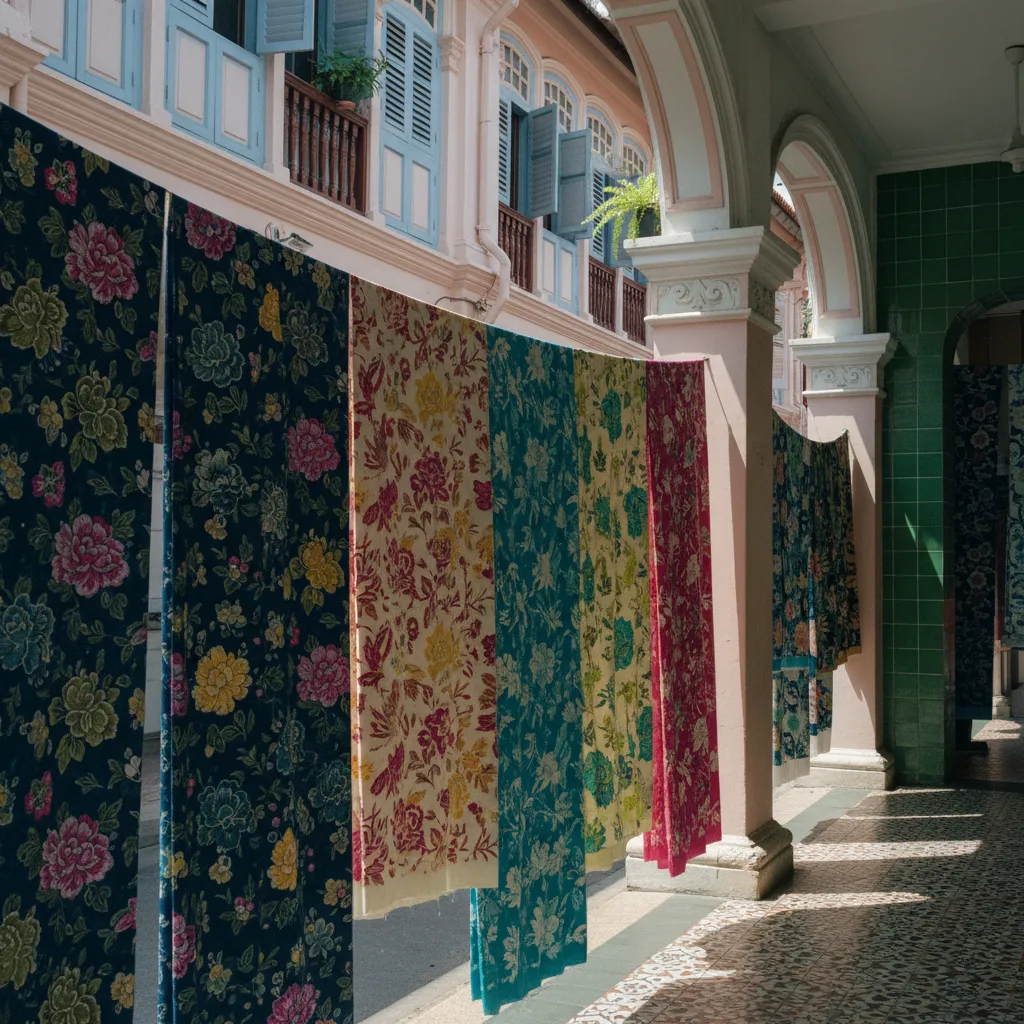
Browse pastel Joo Chiat arcades on a batik textile craft walk. Compare intricate copper-stamp sarongs and tailored linen shirts along quiet lanes.
Joo Chiat greets visitors with an enchanting palette of pastel ceramic tiles, ornate plaster facades, and breezy residential avenues. This East Coast quarter possesses a distinctive Peranakan identity where multicultural domestic traditions blend harmoniously with artistic expression. Embarking on a batik textile craft walk through its historic lanes allows you to discover how traditional stamp-printing methods evolved to meet the lifestyle needs of coastal communities. Rather than rushing past storefronts, taking a mindful walk beneath the shade of continuous shophouse awnings invites you to study the rhythmic repetition of geometric borders and whimsical floral sprays. The gentle hum of neighborhood life and the scent of freshly pressed coffee provide an inviting backdrop for exploring authentic Southeast Asian fabric craft.
Pastel Shophouse Corridors and Peranakan Flair
The architectural character of Joo Chiat reflects the prosperity of early twentieth-century merchants who blended European classical proportions with Chinese and Malay decorative flourishes. Glazed ceramic wall tiles depicting blossoms and peacocks frame doorway pilasters, harmonizing visually with the ornate textile patterns found inside local artisan boutiques. Strolling along these shaded verandahs reveals how Straits Chinese families cultivated a unique decorative aesthetic that celebrated cheerful color contrasts, botanical exuberance, and symbolic prosperity. Observing the interplay between built architecture and textile design provides valuable context for understanding the cultural roots of eastern Singapore. Notice the glazed decorative tiles lining the five-foot ways, where European floral designs mingle with Chinese ceramic medallions under shaded covered corridors.
In traditional Peranakan households, batik played an indispensable role in daily wardrobe choices and ceremonial milestones alike. Women paired intricately patterned sarong skirts with sheer embroidered kebaya blouses, favoring vibrant turquoise, magenta, chartreuse, and soft blush pink backgrounds. These lively coastal palettes stood in deliberate contrast to the somber indigo and soga brown tones favored by inland Javanese royal courts. Exploring Joo Chiat today gives you direct visual access to this celebratory textile heritage, highlighting how regional artisans adapted traditional wax-resist techniques to express coastal maritime joie de vivre.
Copper Block Printing and Repeat Stamp Motifs
While hand-drawn canting work embodies fluid individual expression, copper block stamp printing, known as batik cap, represents a marvel of precision metalcraft and rhythm. During the mid-nineteenth century, master metalsmiths began soldering thin copper strips and wire needles into intricate relief stamps mounted on sturdy iron handles. To create stamped cloth, an artisan dips the heavy copper block into a shallow pan of melted wax, shakes off excess droplets, and presses it firmly onto damp cotton laid across a padded worktable. The process demands steady physical endurance and immaculate visual alignment, as each stamp impression must register seamlessly with adjacent patterns without visible overlaps or gaps.
When you inspect stamped batik yardage in Joo Chiat boutiques, pay attention to the subtle registration marks along repeating grid intersections. Skilled stamp masters align tiny copper guide pins embedded in the corner of each stamp block to maintain straight rows across yards of fabric. Because human muscle pressure varies naturally throughout a working day, slight shifts in wax saturation lend stamped batik an organic warmth that mechanical rotary printers cannot duplicate. Learning to recognize these handcrafted qualities allows you to appreciate the intense physical labor and technical mastery embedded in every finished bolt. These micro-variations in wax thickness produce tactile depth along each dyed motif, giving stamped textiles an enduring handmade character.

Comparing Stamped Cotton Yardage and Silk Voile
Browsing fabric racks in Joo Chiat presents an inspiring array of tactile choices, ranging from crisp poplin weaves to airy silk voile wraps. For tailored daily wear such as short-sleeved camp shirts or wrap skirts, combed medium-weight cotton provides essential breathability and opacity. The fabric holds crisp folded edges well and resists tropical humidity, keeping you cool and polished as you navigate city avenues. Take a moment to pinch the fabric between thumb and forefinger; premium combed cotton springs back smoothly without retaining sharp wrinkles. High-density cotton poplin resists tropical moisture effectively, ensuring structured garments remain crisp and comfortable through warm humid afternoons.
If your goal is to acquire versatile accessories, featherweight silk-cotton blends and sheer georgettes drape with fluid grace around the shoulders. These lighter textiles catch tropical breezes beautifully, making them ideal companions for outdoor garden dining or evening strolls along coastal park connectors. Examine the fabric selvage along the outer edge of the bolt; clean, tightly woven selvages indicate careful loom production and help prevent fraying during custom garment tailoring.
Gentle Care Tips for Natural Plant Pigments
Caring for artisanal batik textiles requires gentle handling methods to preserve pigment brilliance and fiber softness over years of ownership. Traditional vegetable dyes and specialty hand-stamped wax cloths should never be exposed to harsh chemical detergents or aggressive machine agitation. For initial washings, immerse the textile in a basin of cool water mixed with a small capful of gentle ph-neutral liquid soap or traditional soapnut extract known as lerak. Gently swirl the fabric for a few minutes without wringing or scrubbing, allowing excess surface starch and natural dye residues to release smoothly.
After rinsing thoroughly in fresh cool water, press the fabric gently between dry cotton bath towels to absorb excess moisture. Always hang artisanal batik to dry in a shaded, well-ventilated breezeway away from direct tropical sunlight, which can prematurely bleach delicate botanical pigments. When ironing, turn the garment inside out and use a medium steam setting while the cloth remains slightly damp to restore smooth fiber drape without flattening the surface texture.
Finding Nearby Craft Suggestions with Karpo
Joo Chiat rewards a slow look at its side streets, and the Karpo APP can surface nearby craft recommendations when you want to continue browsing. Describe the textures or gifts you are seeking, such as copper-stamped cotton, light silk, or a small handmade accessory. You can compare the suggestions and decide which one suits the moment, leaving plenty of room to pause at a tiled facade or change your mind.
For a pause after fabric browsing, ask Karpo for nearby cafes, studios, or cultural corners, then choose a stop that feels right. The app provides local suggestions; you make the decisions about where to wander, when to rest, and how long to look at a pattern. That balance keeps a Joo Chiat craft day personal rather than over-planned.
Ask Karpo for more information.
Keep reading
- Chinatown Batik Canting Pen Picker: Fine Spouts for Silk
 Tiong Bahru Batik Canting Pen Picker: Handles and Bowls
 Katong Batik Canting Pen Picker: Wide Spouts for Wave Fills