 Chinatown Batik Canting Pen Picker: Fine Spouts for Silk
Hidden Gems & Odd Finds

Chinatown Batik Textile Craft Walk: Artisan Cotton Guide
Take a Chinatown batik textile craft walk through historic alleys. Compare fine block-printed yardage and hand-sewn scarves across breezy verandahs.
Chinatown reveals a dynamic interplay between historical merchant enterprise and contemporary artisan design. Behind its bustling pedestrian avenues and red-tiled rooflines lies a thriving community of fabric purveyors, haberdashers, and independent craft curators. Setting out on a dedicated batik textile craft walk through these historic corridors allows you to explore how diverse cultural communities exchanged patterns, dye secrets, and weaving traditions across Singapore's trading ports. Walking beneath shaded five-foot ways provides welcome shelter from midday heat while giving you ample time to inspect colorful fabric bolts and handmade accessories. The lively rhythm of street markets and the visual richness of preserved shophouse architecture combine to create an exhilarating setting for textile discovery.
Heritage Shophouse Verandahs and Merchant Trade
For well over a century, Chinatown functioned as an essential trading nexus where dry goods, imported raw cotton, and natural dyes moved between maritime junks and inland distribution warehouses. Textile traders established wholesale depots along major avenues, stacking colorful bolts from floor to ceiling on sturdy teak shelving units. This vibrant commercial lineage persists today, where contemporary fabric boutiques share covered sidewalks with traditional tea houses and ancestral clan associations. Wandering along these covered arcades invites you to observe the layered architectural evolution of early merchant quarters while discovering hidden craft ateliers tucked inside quiet side lanes. Looking closely at preserved wooden shop counters reveals centuries of maritime commerce that connected island artisans with global fabric markets.
In this multicultural crossroads, local textile artisans developed distinctive hybrid patterns that blended Chinese auspicious motifs with Southeast Asian wax-resist methods. Intricate cloud bands, stylized peony rosettes, and trailing lotus tendrils frequently appear alongside classical Javanese parang geometries and kawung circular medallions. This fascinating cross-pollination of cultural symbolism highlights Singapore's historical role as an open meeting ground for regional craftspeople. Studying these blended designs provides a deeper appreciation for the creative dialogue that continues to enrich urban Southeast Asian textile arts.
The Art of Wax Crackle and Organic Marbling
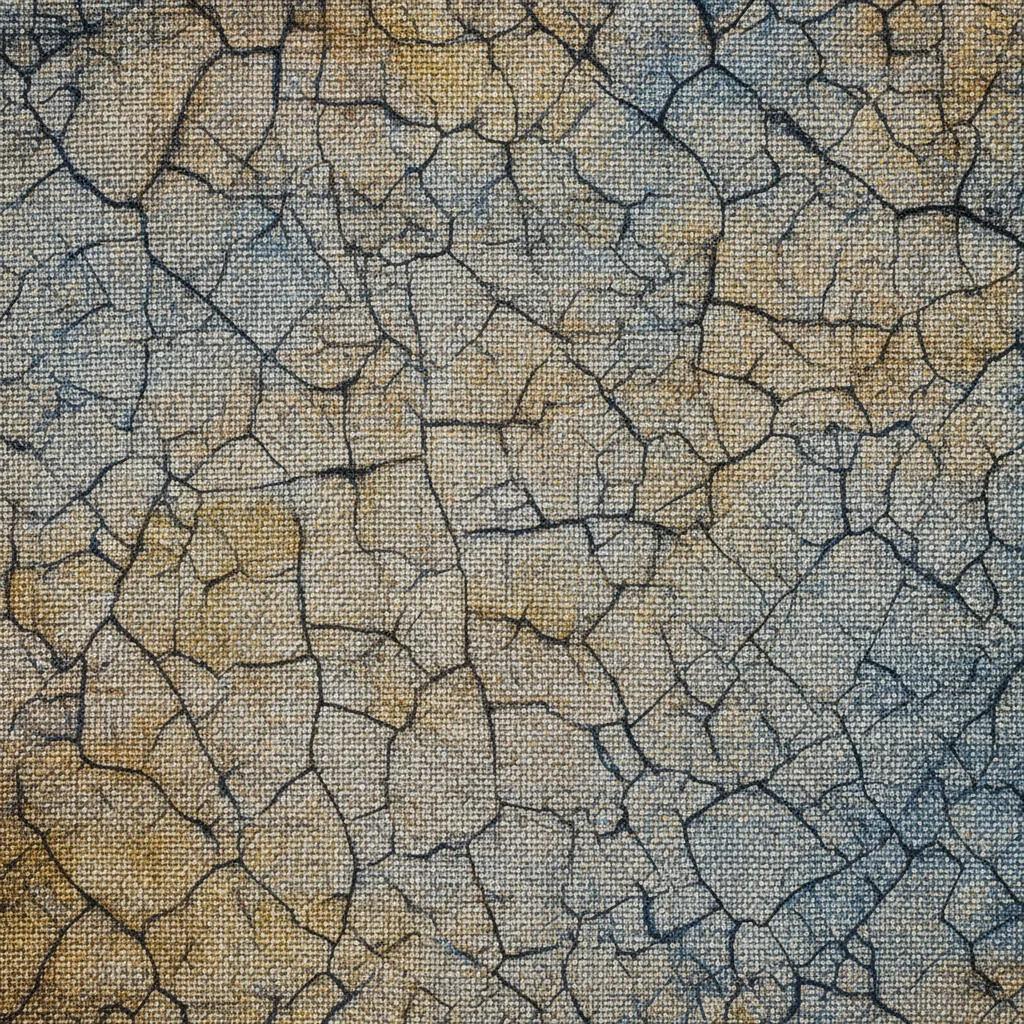
One of the most expressive visual techniques encountered during a Chinatown textile walk is deliberate wax crackle marbling. To achieve this captivating effect, artisans coat pre-waxed fabric panels with a brittle wax blend formulated from pure paraffin and a touch of damar tree resin. Once the wax layer cools and hardens, the artisan carefully folds and crushes the fabric between their palms to fracture the brittle wax shell in controlled directions. Submerging the fractured cloth into a deep indigo or iron-rust dye bath forces dark pigment through the microscopic cracks, leaving an intricate network of dark veins across lighter background motifs.
No two fractured panels ever turn out identical, endowing each finished piece with an organic, stone-like marbling texture reminiscent of weathered ceramics or aged parchment. When you inspect crackled batik scarves in Chinatown boutiques, look for pieces where the veining feels balanced and harmoniously integrated with the primary pattern. Skillful artisans calibrate the severity of fabric crumpling so the crackle lines accent rather than overwhelm the central design. This delicate harmony between structural control and organic randomness represents one of the highest aesthetic achievements in wax-resist surface design. Each crackle line acts like a fingerprint of the artisan's physical motion, creating subtle organic veining across every yard of fabric.
Selecting Artisan Fabric Lengths for Home Decor
Batik textiles possess an adaptable aesthetic that extends far beyond wearable garments into contemporary interior living spaces. In Chinatown craft studios, you will discover heavy-gauge cotton canvas yardage and textured raw slub fabrics ideally suited for home accessories. Draping a patterned runner across a natural wood dining table or framing an exquisite hand-drawn canting panel under museum glass instantly infuses living spaces with textural warmth and historic narrative. The rich earth tones of botanical dyes complement minimalist Scandinavian furnishings as effortlessly as they enhance traditional Southeast Asian timber interiors. Natural dye palettes harmonize effortlessly with modern neutral interiors, grounding contemporary rooms with rich botanical warmth.
If you are selecting fabric lengths for custom cushion covers or window panels, test the dimensional stability of the weave by gently pulling the cloth diagonally on the bias. High-grade home decor cotton resists excessive stretching and maintains crisp weave alignment even after repeated laundering. Pay attention to pattern orientation as well; symmetrical geometric motifs provide formal structure for seating cushions, while flowing botanical vines create relaxed movement when draped over chairs or benches.
Inspecting Weave Density and Color Penetration
Evaluating artisan batik requires developing a discerning eye for yarn quality, weave tightness, and color penetration through the fabric reverse. Begin by flipping the corner of a displayed fabric bolt to inspect the unprinted side under even daylight. In authentically hand-dyed wax-resist textiles, the pattern lines and background colors penetrate deeply through the cotton fibers, appearing nearly as sharp on the back as on the front face. In contrast, inexpensive modern screen prints show faded, chalky patterns on the underside because pigment is simply stamped onto the top surface.
Next, run your fingers across the fabric surface to assess the texture left behind by the wax-removal boiling process. Authentic artisanal batik undergoes multiple boiling baths in water mixed with ash or gentle surfactants to melt away all resist wax. The resulting cotton feels exceptionally soft, breathable, and supple, with no waxy residue or stiff synthetic coatings. Investing a few extra minutes in physical inspection ensures you bring home genuine heritage craftsmanship that retains its beauty through decades of use.
Nearby Craft Ideas for a Chinatown Walk
Chinatown's lanes invite improvisation. Use the Karpo APP to ask for nearby textile and craft recommendations, perhaps a place associated with hand-dyed cotton, paper goods, or small ceramics. Read through the options and pick the ones that appeal to you. Between them, follow your own sense of direction, stopping under a shaded arcade or lingering where a patterned bolt deserves a closer look.
When the heat rises, ask Karpo for nearby tea counters, galleries, or calm resting spots, then choose one independently. The app helps you discover local possibilities; it does not decide the order or pace of your outing. Keeping that choice in your hands makes it easy to extend the afternoon, shorten it, or return another day for a different textile mood.
Ask Karpo for more information.
Keep reading
- Chinatown Batik Canting Pen Picker: Fine Spouts for Silk
 Tiong Bahru Batik Canting Pen Picker: Handles and Bowls
 Katong Batik Canting Pen Picker: Wide Spouts for Wave Fills