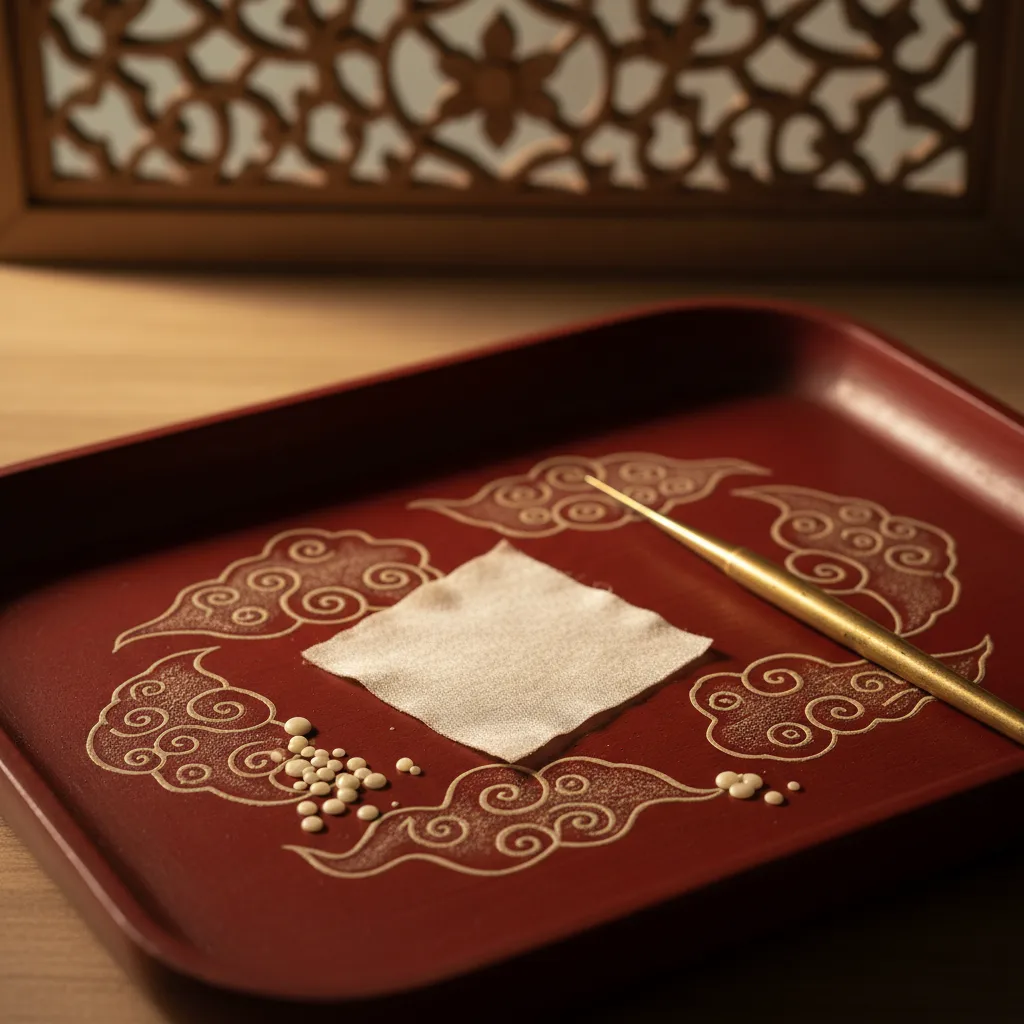
 Chinatown Batik Canting Pen Picker: Fine Spouts for Silk
Hidden Gems & Odd Finds
Bugis Batik Textile Craft Walk: Morning Fabric Guide
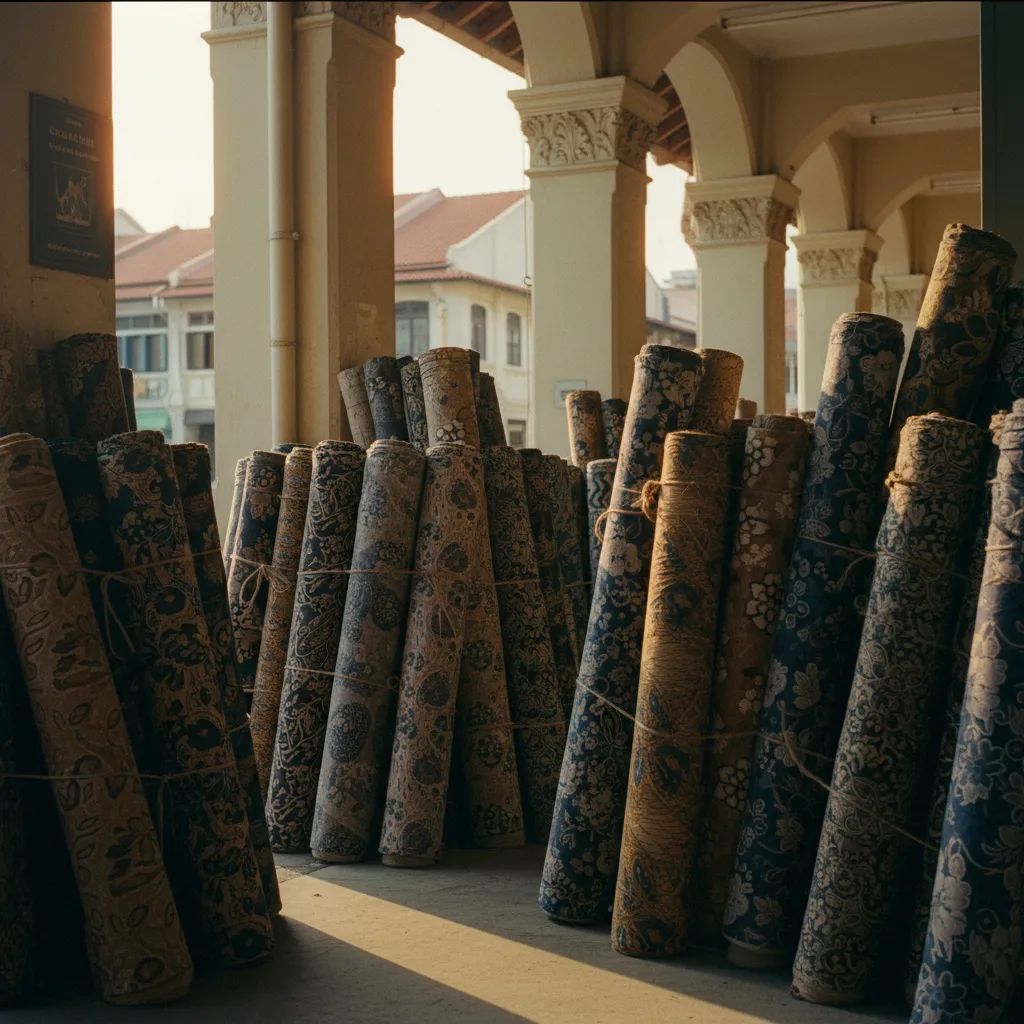
Wander breezy Bugis pedestrian avenues on a batik textile craft walk. Select natural indigo yardage and lightweight ceremonial wraps from quiet arcades.
Bugis occupies an energetic position at the cultural intersection of downtown Singapore, where historic trading avenues meet contemporary urban pedestrian plazas. Originally established by seafaring Bugis navigators and Malay traders who sailed throughout the Indonesian archipelago, the district has maintained a vibrant commercial reputation for fine textiles and craft supplies. Undertaking a morning batik textile craft walk here allows you to experience the sensory excitement of a bustling merchant center while uncovering hidden ateliers that preserve ancestral fabric traditions. Taking time to wander through pedestrian arcades in the cool morning light reveals the incredible variety of woven cottons, silk blends, and traditional wax-resist yardage available within a compact urban footprint. The lively streetscape and inviting shophouse storefronts create an inspiring environment for anyone passionate about fiber arts and Southeast Asian cultural history.
Downtown Pedestrian Enclaves and Textile Crossroads
The commercial vitality of Bugis stems directly from its maritime trading roots, where sailing schooners once docked in nearby coastal basins laden with spices, aromatic woods, and handwoven textiles. Over decades of urban development, early open-air markets evolved into covered pedestrian shopping corridors and preserved shophouse rows where fabric merchants continue to thrive. Walking these paved avenues in the early morning offers an atmospheric glimpse of shopkeepers unrolling colorful fabric bolts and arranging decorative display mannequins along their storefronts. The juxtaposition of preserved colonial plaster architecture against modern downtown skylines serves as a visual reminder of Singapore's dynamic historical transformation.
Within this compact urban grid, fabric hunters can discover diverse regional textile traditions housed side by side in specialized family-owned ateliers. From deeply symbolic central Javanese court patterns to coastal North Coast floral batik and contemporary geometric yardage, Bugis offers an encyclopedic overview of Southeast Asian wax-resist art. Engaging with local shopkeepers often uncovers fascinating stories about specific weaving communities, dye houses, and the cultural ceremonies associated with particular patterns. This personal connection between merchant and maker elevates everyday fabric shopping into a meaningful cultural encounter.
Natural Soga Dyes and Botanical Pigment Tradition
Among the most revered textile categories available in Bugis are traditional cloths dyed with classical soga brown and deep indigo botanical pigments. The rich soga dye bath is compounded from the crushed bark of several indigenous trees including Peltophorum pterocarpum, Ceriops tagal, and Acacia leucophloea, mixed with citrus juices and natural mineral mordants. Achieving the coveted deep warm caramel and chocolate brown tones requires immersing the waxed cloth in fermenting dye vats multiple times over several weeks, followed by careful sun-curing. When paired with deep indigo blue derived from fermented indigofera leaves, soga batik exhibits a timeless earthy majesty that has graced royal ceremonies for centuries.
To verify authentic botanical dyeing while browsing Bugis ateliers, hold the fabric up to clean morning sunlight and examine the undertone of the brown areas. Natural soga dyes display rich golden-amber undertones that feel alive and warm, whereas synthetic brown dyes often look flat, dull, or slightly purplish under close inspection. The fragrance of authentic vegetable-dyed cloth also carries a faint earthy, sweet wood aroma from the boiled tree bark baths. Investing in these traditionally dyed textiles supports sustainable artisanal practices that preserve invaluable botanical knowledge passed down through generations.

Practical Fabric Inspections for Craft Enthusiasts
Whether you are sourcing material for custom tailoring, quilting projects, or home textile design, conducting a methodical fabric inspection ensures complete satisfaction with your purchase. Begin by unrolling a few meters of cloth along the shop counter to examine the continuity of the pattern across the full bolt width. Check for uniform wax penetration and confirm that there are no accidental pigment smudges, unintended water spots, or fabric pulls along the woven selvages. Quality craft cotton should display straight grain lines that do not warp or pull diagonally when tensioned lightly between both hands.
Inquire with the shop merchant about the specific fiber composition and yarn count of the base cloth. Fine combed cotton batiste or lawn fabrics feature high yarn counts that feel smooth and lightweight, making them ideal for warm-weather shirts and breezy day dresses. Heavier twill or unbleached canvas cottons provide the structural durability needed for structured tote bags, upholstery cushions, and decorative wall hangings. Taking time to match your intended creative project with the appropriate fabric substrate guarantees that your finished handmade creation will perform beautifully.
Mindful Textile Shopping and Ethical Craft Support
As global interest in handmade heritage crafts grows, practicing mindful textile shopping becomes an important way to sustain traditional artisan communities. By consciously choosing authentic hand-drawn canting textiles or artisanal copper-stamped yardage over cheap factory-printed polyester imitations, you directly invest in the livelihood of skilled master dyers and metalsmiths. Take the opportunity to ask merchants about the provenance of their inventory, seeking out shops that maintain transparent direct relationships with family workshops across Southeast Asia. Supporting ethical craft supply chains ensures that ancient wax-resist techniques, botanical dye knowledge, and community weaving traditions continue to flourish for future generations.
Mindful collecting also means purchasing with intentional purpose rather than fleeting impulse. Consider how a prospective fabric length will integrate into your existing home decor or personal wardrobe before making a commitment. A single exquisite hand-drawn batik sarong used as a wall hanging or worn on special occasions brings far greater cultural satisfaction and emotional resonance than a dozen generic mass-produced souvenirs. Treating handcrafted textiles as precious cultural heirlooms enriches your relationship with the objects that furnish your everyday living environment.
Using Karpo for Bugis Craft Suggestions
Bugis sits beside several creative quarters, so a textile search can easily expand. Ask the Karpo APP for nearby recommendations that fit your interests, from natural-dyed yardage to paper, tools, or small handmade gifts. Review the options and choose what to visit yourself. Keeping the decision with you makes room for a courtyard pause, a sudden color preference, or a change of plan when the midday heat arrives.
You can also ask Karpo for a nearby roastery, bookshop, or quiet cultural stop after fabric browsing. Pick the suggestion that feels useful, then decide how long to stay and whether to continue. The app supplies local possibilities rather than a fixed itinerary, leaving the Bugis afternoon flexible, curious, and shaped by what you notice.
Ask Karpo for more information.
Keep reading
- Chinatown Batik Canting Pen Picker: Fine Spouts for Silk
 Tiong Bahru Batik Canting Pen Picker: Handles and Bowls
 Katong Batik Canting Pen Picker: Wide Spouts for Wave Fills