 Chinatown Batik Canting Pen Picker: Fine Spouts for Silk
Hidden Gems & Odd Finds
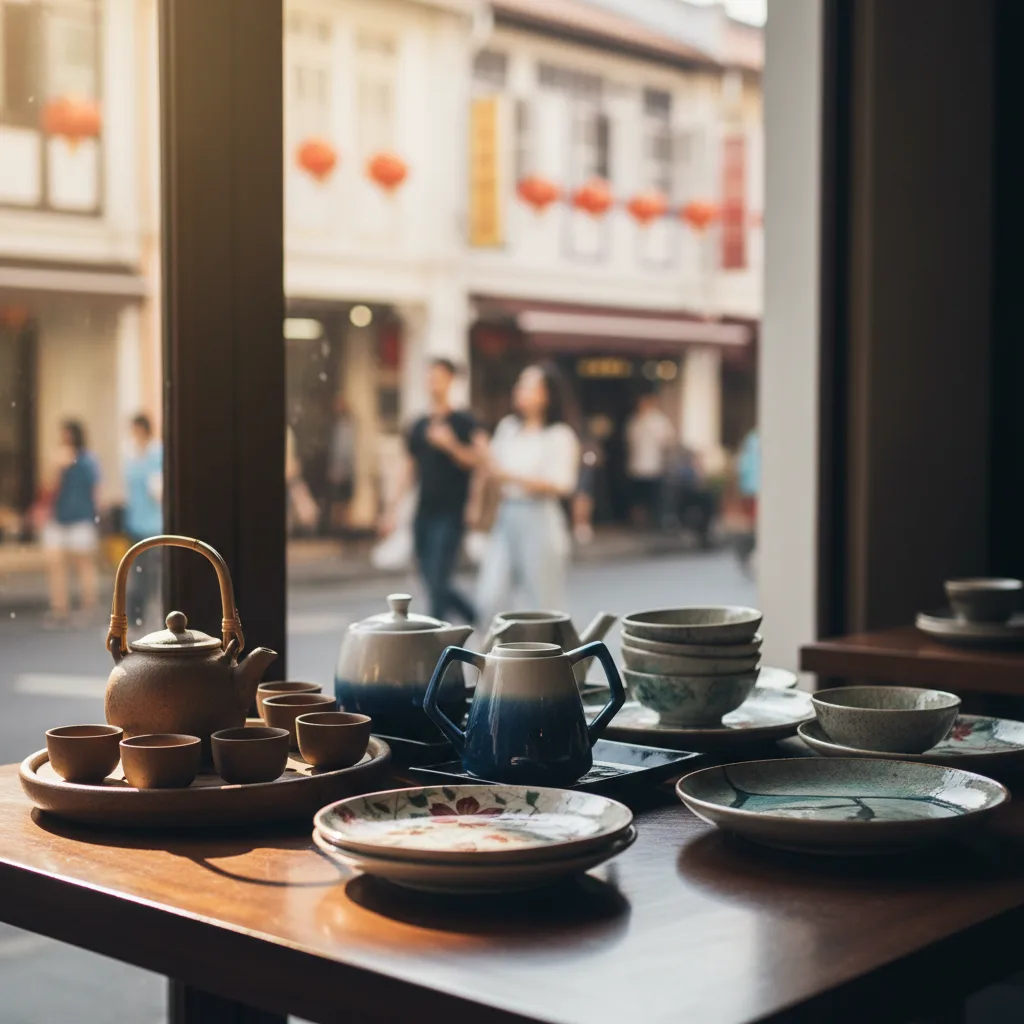
Chinatown Artisan Ceramic Tableware: Heritage Pottery Trail
Inspect artisan stoneware tableware and tea bowls in Chinatown shophouses with thermal retention notes, foot ring sanding, and Keong Saik walks.
Singapore's historic Chinatown district holds deep cultural roots in ceramic artistry, where traditional tea merchants and porcelain importers have operated alongside generational artisans for over a century. Beyond the bustling market stalls of Pagoda Street and Smith Street, the quieter conservation shophouses along Keong Saik Road, Neil Road, and Kreta Ayer house contemporary ceramic ateliers. These makers draw inspiration from classical Chinese ceramic heritage while crafting tableware suited for modern culinary presentations. Using Karpo APP to map an intentional walking itinerary through Chinatown's shaded five-foot ways allows you to discover secluded pottery studios and examine handcrafted wares away from heavy tourist corridors.
Historic Craft Traditions And Contemporary Reinterpretations
Traditional tea culture exerts a strong influence on Chinatown ceramic tableware. Independent makers frequently produce matching tea ware and small dining vessels, such as hand-thrown tasting cups, gaiwan lidded bowls, and delicate condiment saucers that complement larger dining plates. When choosing smaller vessels, observe the rim thinness and thermal balance. A finely thrown tea cup or tasting bowl should feature a slender rim that cools slightly before touching the lips, enhancing the sensory appreciation of both hot tea and rich broths.
Clay body selection in Chinatown workshops emphasizes iron-rich dark stonewares and reduction-fired clays that evoke classical stoneware aesthetics. High-temperature reduction firing pulls iron minerals from deep within the clay matrix to the surface, creating natural speckling and warm russet halos around exposed edges. When inspecting shallow dining bowls, run your fingers along the unglazed base to feel the fine, stone-like texture that grounds the vessel firmly on the dining table.
Glaze formulations frequently reinterpret classical styles such as tenmoku, celadon, and iron-rust washes. Tenmoku glazes, rich in iron oxide, melt into glossy black-brown pools during high firing, often breaking into warm amber or golden tea-dust crystals along rim perimeters. Ensure that these traditional glazes are fully vitrified, food-safe, and formulated without unsealed metal oxides, guaranteeing that they will resist food acid etching and remain safe for everyday dining use.
Hand-Thrown Tea Bowls And Small Sharing Dishes
Base flatness and foot ring inspection are critical quality checkpoints. Set prospective dinner plates on a flat wooden surface in the studio and tap the circumference gently to ensure there is no distracting wobble. The unglazed foot ring must be meticulously polished with diamond abrasives to eliminate any sharp kiln sand that could scratch polished dining tables. High-quality Chinatown ceramicists ensure every piece rests completely flush and silent on your tabletop.
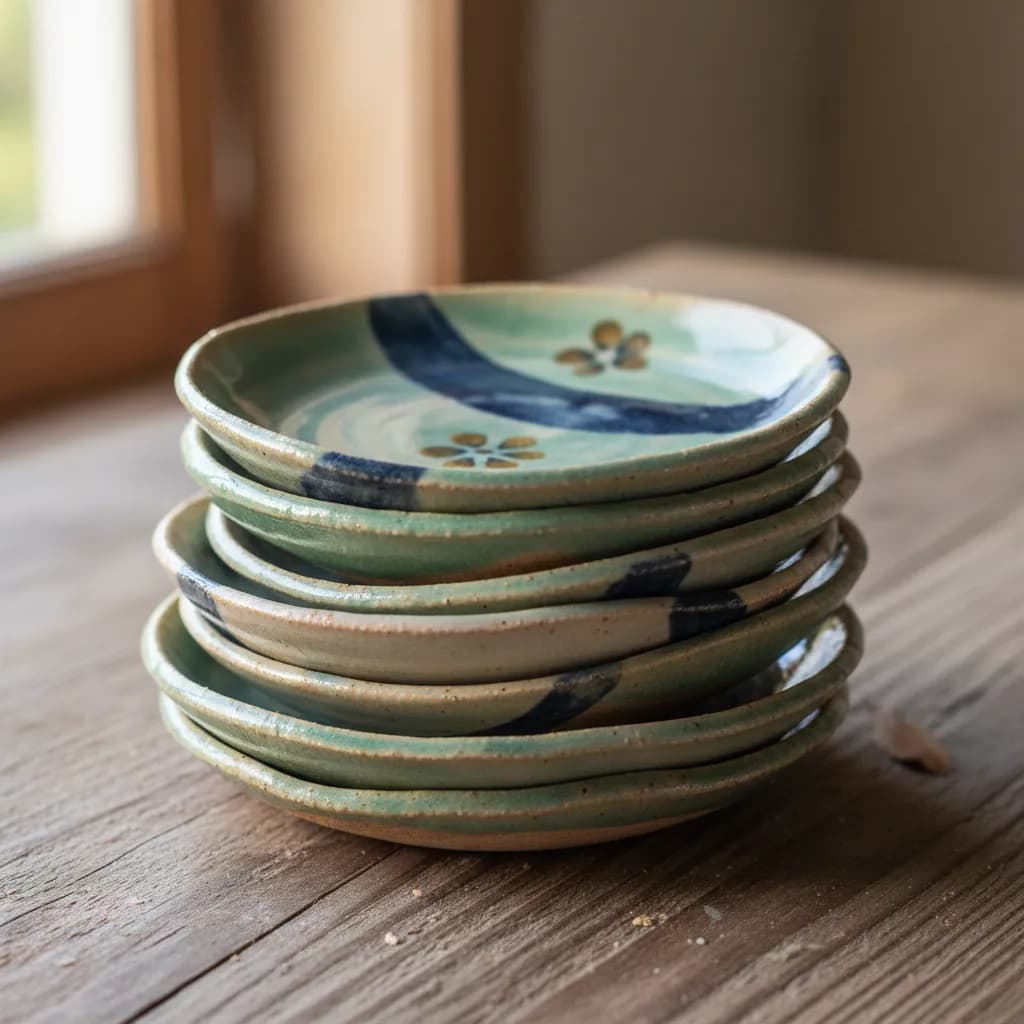
Stacking balance and nesting harmony require practical evaluation when choosing sets for urban homes. Test stack four to six plates together to confirm that the rim heights rise evenly without binding or tilting. A well-crafted Chinatown studio set nests securely, saving cupboard shelf space while presenting rich reduction glaze variations.
Washing unglazed reduction-fired stoneware calls for warm water rinses without scented chemicals, allowing the dark iron clay to maintain its natural mineral character. For tea bowls and lidded gaiwan, an occasional soak in clean boiling water clears away tannin residues effortlessly, keeping the interior pristine.
High-Fired Iron Slips And Earthy Surface Depth
Navigating Chinatown's lively street arcades with delicate ceramics requires sturdy compartmentalized cartons. Placing dense foam liners or folded tea towels between individual tasting cups prevents rim collisions as you walk toward the Maxwell MRT concourse, ensuring a safe journey home.
Connecting your pottery shopping with a walk through Chinatown's historic architectural lanes enriches the entire cultural outing. After browsing gallery collections near Keong Saik Road, take an easy stroll down into the quiet courtyard of the Kreta Ayer heritage square. Resting beneath shaded banyan trees provides a peaceful setting to inspect your purchases, appreciate the delicate hand-carved potter marks, and plan dinner recipes that will showcase your newly acquired ceramic pieces.
Adding authentic Chinatown stoneware to your dining collection grounds your home with generational pottery traditions, creating an enduring conversation piece that enriches every shared pot of tea and family feast. Using Karpo APP to explore emerging master potters allows you to curate an extraordinary heritage tableware suite.
Assessing Base Flatness And Preventing Scratches
Serving meals on reduction-fired stoneware creates an intimate connection with ancient ceramic traditions. The subtle metallic sheen of tenmoku glazes and the rustic warmth of exposed iron clay provide a grounding backdrop for home-cooked culinary creations.
Integrating authentic Chinatown ceramics into your kitchen collection is an enduring tribute to Singapore's living cultural heritage. These beautifully thrown vessels will bring warmth, mindful craft, and functional beauty to your dining table across generations.
Hand-thrown noodle bowls and dipping dishes transform casual weeknight suppers into deliberate culinary rituals. The sturdy heft of reduction-fired clay keeps steaming broths warm while providing a reassuring, tactile presence in the hand.
Secure Transit Packing For Bus And MRT Journeys
Selecting ceramic tableware from Chinatown ateliers honors the patient discipline of studio potters who keep generational craft techniques alive, surrounding your family with objects of authentic character and enduring utility.
Drinking tea and dining from reduction-fired stoneware bowls creates a profound connection to generations of ceramic mastery. The subtle metallic sheen of tenmoku glazes and the rustic warmth of exposed iron clay provide a grounding sensory backdrop for home culinary rituals.
Hand-thrown noodle bowls and delicate condiment dishes crafted in Chinatown ateliers balance thermal heat retention with handling comfort. Steaming broths stay deliciously hot while the carefully sanded foot ring protects your fingers and dining surfaces from heat.
Keong Saik Road Alleys And Quiet Evening Strolls
Selecting artisanal ceramics from historic shophouse potters is an enduring tribute to Singapore's living cultural traditions. These sturdy, lovingly thrown vessels will accompany your family through countless shared meals, carrying timeless craft beauty across generations.
Authentic Chinatown pottery grounds your household routines with tactile warmth and historic resonance, turning everyday meals into mindful celebrations of generational craftsmanship.
Bringing authentic reduction-fired tableware into your home kitchen enriches daily cooking with generational craft discipline. Whether enjoying slow morning porridge or hosting festive multi-course dinners with friends, Chinatown stoneware anchors the meal with warmth, tactile depth, and lasting domestic beauty. Hand-thrown dining pieces infuse ordinary culinary moments with historic resonance and quiet aesthetic satisfaction.
Ask Karpo for more information.
Keep reading
- Chinatown Batik Canting Pen Picker: Fine Spouts for Silk
 Tiong Bahru Batik Canting Pen Picker: Handles and Bowls
 Katong Batik Canting Pen Picker: Wide Spouts for Wave Fills