 Haaland Has Seven Goals and Norway Runs Entirely Through Him
⚽️2026 FIFA WORLD CUP
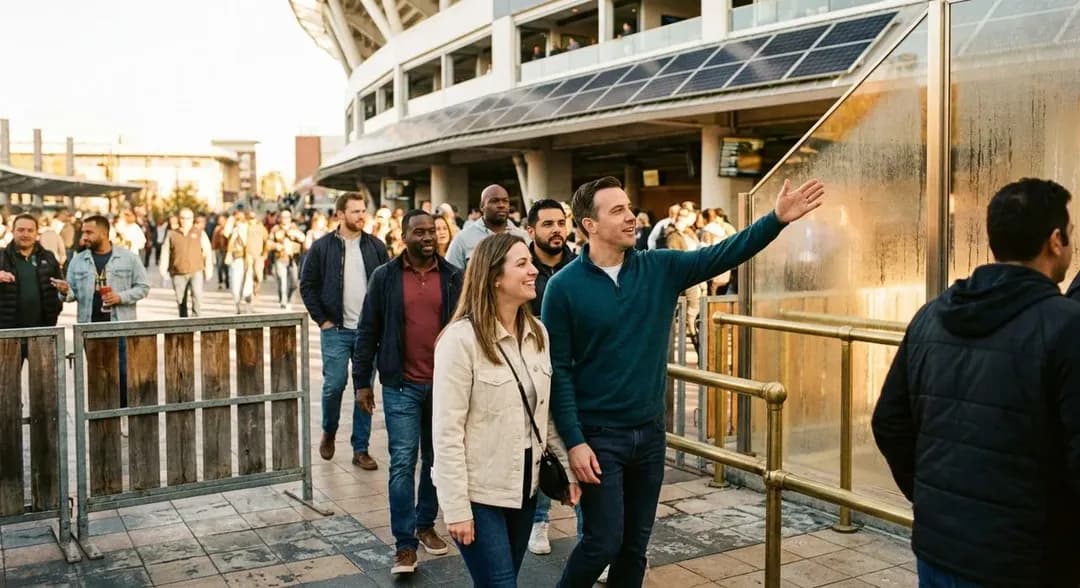
Levi's Stadium for the World Cup: The Santa Clara Transit Workaround
When World Cup 2026 arrives at Levi's Stadium, forget the parking nightmare. The Caltrain-to-VTA route is the local's secret for reaching Santa Clara's concrete cathedral without losing your mind—or three hours.
The parking trap everyone falls into
You've secured tickets to a World Cup 2026 match at Levi's Stadium—perhaps USMNT against a CONCACAF rival, or one of the heavyweight European sides making their Bay Area appearance. Your first instinct is to drive. That instinct will cost you. Levi's Stadium sits in Santa Clara surrounded by a moat of tech campuses and surface streets that choke under event traffic. On match days, cars stack up on Tasman Drive and Great America Parkway like a slow-motion disaster. Parking lots open four hours early and fill within ninety minutes. The official lots charge $60 minimum, and you'll still spend an hour inching toward your space. The real damage comes after the final whistle: leaving takes longer than the second half. Locals who've survived 49ers seasons know this truth viscerally. The smarter play requires abandoning your car entirely and trusting the South Bay's underrated transit spine.
The Caltrain-VTA corridor nobody mentions
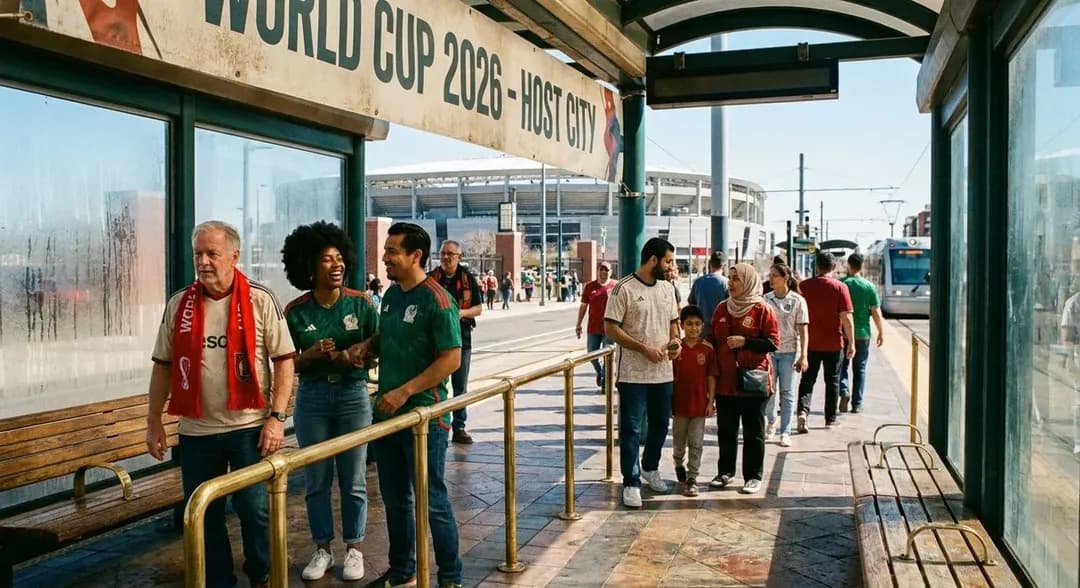
The elegant solution runs on rails. Take Caltrain to Mountain View station—the express from San Francisco takes fifty-two minutes, locals from Palo Alto or Redwood City cut that to fifteen or twenty. At Mountain View, you're not fighting for Ubers or navigating confusing bus schedules. Walk across the platform to the VTA light rail, specifically the Mountain View-Winchester line. Board any northbound train toward Alum Rock or Old Ironsides. Four stops later—roughly twelve minutes—you'll disembark at Great America station, which deposits you a six-minute walk from Levi's north entrance. The entire journey from San Francisco costs $14.50 round trip. From Peninsula cities, even less. On match days, VTA runs enhanced service with trains every eight minutes starting three hours before kickoff. Here's the detail transit maps won't tell you: stand in the front half of the train. Great America platform is short, and the rear cars sometimes overshoot, forcing a walk back along the tracks.
The north lot tailgate advantage
Arrive at Great America station ninety minutes before kickoff and you'll encounter the real pre-match theater. The north lots—specifically N1 and N2—transform into an improvised festival that makes official FIFA fan zones look sterile. Local supporters' groups claim the same spots for every major match: the American Outlaws anchor near the N1 entrance closest to Tasman, while visiting team supporters historically congregate toward the N2 western edge. Bring your own shade structure; June matches in Santa Clara mean full sun and temperatures pushing ninety degrees by 1 PM. The stadium provides zero natural cover in these lots. Smart locals bring pop-up canopies, not umbrellas. Security allows soft coolers under sixteen quarts, and they're relaxed about sealed water bottles and non-glass food containers. The trick is arriving early enough to claim pavement near the established groups—they share grills, speakers, and the infectious energy that sterile stadium concourses can't manufacture. Ask anyone wearing a decade-old US Soccer scarf where to post up; they'll point you right.
Inside the stadium: sections that matter

Levi's Stadium was built for football, not fútbol, which means sightlines vary wildly. For World Cup matches, avoid anything above row thirty in the upper deck—you're too far from the pitch, and the South Bay haze obscures detail. The sweet spot sits in sections 126-129 on the east side, rows fifteen through twenty-five. You're close enough to hear tactical shouts, high enough to see plays develop, and protected from afternoon sun by the upper deck overhang. If you're stuck in the sun-blasted west side (sections 101-112), the match starts at 3 PM and you'll spend ninety minutes squinting directly into glare. Bring a hat with a real brim. The north end sections (140-144) house the supporter groups and generate the only reliable atmosphere, but expect to stand the entire match. Concessions-wise, skip the main concourse chaos. The Bourbon Pub stand on the suite level—accessible to all ticket holders—has a shorter line and pours proper drinks, though you'll pay $18 for a double.
The return trip timing trick
When the final whistle blows, resist the stampede. The VTA platform at Great America gets dangerously crowded if you leave with the masses. Instead, walk north toward the 49ers practice facility—there's a gate that exits onto Tasman Drive. Follow Tasman west for eight minutes until you reach Lick Mill station, one stop before Great America on the same VTA line. Trains arriving here are half-empty, meaning you'll actually get a seat for the ride back to Mountain View. This detour adds ten minutes to your walk but saves thirty minutes of platform crushing. Once you're back at Mountain View Caltrain, check the departure board before descending: northbound trains to San Francisco leave on the hour and half-hour during evening service. If you've just missed one, the Patio at Eureka across the street makes a civilized place to wait with a beer and decompress from the match. They know the Caltrain schedule and won't rush you.
What the World Cup changes
World Cup 2026 brings complications the 49ers schedule never touches. FIFA takes over stadium operations completely, which means different security protocols, different bag policies, and different entry procedures. Expect metal detectors at every gate and a ban on bags larger than a clutch purse. The VTA will run continuous service starting four hours before each match, but Bay Area transit infrastructure wasn't built for seventy thousand people moving simultaneously. The real test comes during the knockout rounds if Levi's hosts a quarterfinal or semifinal—demand will be triple a group stage match. Book your Caltrain tickets in advance once FIFA releases the schedule; the system allows reservations up to sixty days out. Local knowledge suggests the Brazil vs Panama group stage match, if it lands at Levi's, will be the toughest ticket and the most chaotic transit day. Plan accordingly, or plan for somewhere quieter.
Practical notes
Levi's Stadium sits at 4900 Marie P DeBartolo Way, Santa Clara, CA 95054. From San Francisco, take Caltrain from 4th & King to Mountain View (express trains preferred, roughly 52 minutes, $7.25 one-way). At Mountain View, board VTA light rail northbound toward Alum Rock, exit at Great America (four stops, 12 minutes, $2.50 one-way). Total transit time: 90 minutes including transfer. Stadium gates open two hours before kickoff. Parking costs $60-$100 if you insist on driving. Tailgating permitted in north lots starting four hours before matches. Bring sun protection—zero shade available. Stadium alcohol sales end at the 70th minute. Nearest hotels are in Santa Clara and Sunnyvale, both walkable to VTA stations. For match schedules and tickets, check FIFA's official World Cup 2026 portal once the tournament calendar is finalized. Return transit runs enhanced service until two hours post-match.
Tags: #LevisStadium #WorldCup2026 #SantaClara #BayAreaTransit #Caltrain #VTALightRail #USMNT #FIFAWorldCup #SoccerTravel #SanFranciscoBayArea #TransitWorkaround #TailgateLife #WorldCupTravel #BayAreaSoccer #StadiumGuide
Sources consulted: FIFA World Cup 26 · ESPN Soccer · Time Out
Please drink responsibly. Must be of legal drinking age.
All trademarks are the property of their respective owners.
Ask Karpo for more information.
Keep reading
- Haaland Has Seven Goals and Norway Runs Entirely Through Him
 World Cup Trophy Ceremony Timing Medals and Postmatch Celebrations
 Olise and France's Attack: The Semifinal Tactical Question