 North Beach Tailor Alteration Shop Finder: Inherited Suits
Neighborhood Guides
SF Transit Station Pitstop Finder: 15-Minute Snack Pause
Plan a Powell Street snack and restroom pause in San Francisco by ranking your group needs first, then keeping the cable car boarding decision separate.
A Powell Street pitstop needs to separate three tasks: getting a snack, finding a suitable restroom, and joining the cable car journey. Put them in order before searching. The Karpo APP can help you discuss nearby options around your companions and the time you have chosen. Fifteen minutes is your proposed buffer, not a forecast that food, facilities, and a place in the cable car line will all fit inside it.
Three needs, one meeting point
Start by agreeing where the group will meet if anyone steps away. Describe a recognizable point outside the movement of the line, without blocking the turntable or a station entrance. A meeting arrangement is particularly useful when one traveler wants food while another needs a restroom. Tell Karpo whether the group must stay together. That preference changes which suggestions are useful and whether a separate snack errand makes sense at all.
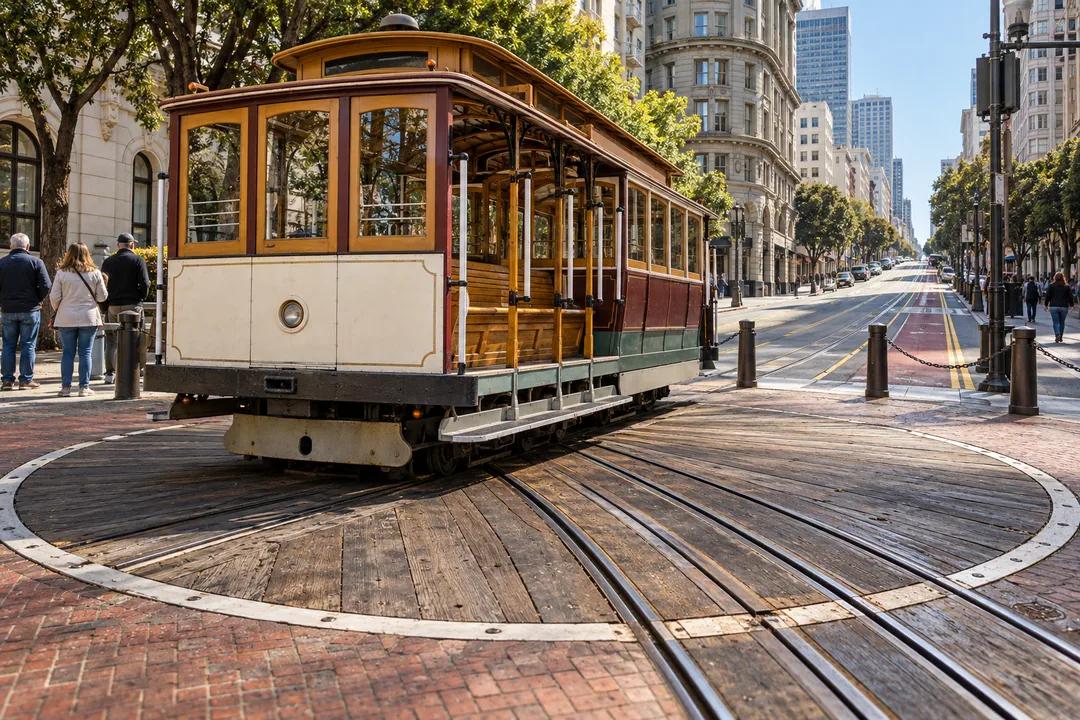
Powell Street is a BART station, and the Powell cable car turntable is at Powell and Market. That connection supplies the setting for your plan, but the two journeys have separate boarding decisions. A station arrival does not tell you how long a cable car wait will be. Keep the food discussion independent from your decision to join a line. You can enjoy a small pause without assigning the same deadline to every part of the outing.
Restroom access comes before the snack
If a restroom is the urgent need, make that the first sentence of your request. “We are near Powell and Market with a child who needs a restroom. We would like a snack afterward, and we have set aside fifteen minutes before deciding about the cable car.” This is more helpful than asking for cafes and hoping that every suggestion includes a facility you can use. The facility requirement deserves its own answer.
Avoid turning a recommendation into an assumed right of entry. A cafe, hotel, or shop mentioned in a conversation does not establish public restroom access, accessibility, a changing table, or permission for noncustomers. Ask for the basis of any proposed facility and omit unsupported claims from your plan. If an option requires a purchase or an additional walk, treat that as a separate decision. You should be able to reject it without losing your snack alternative.
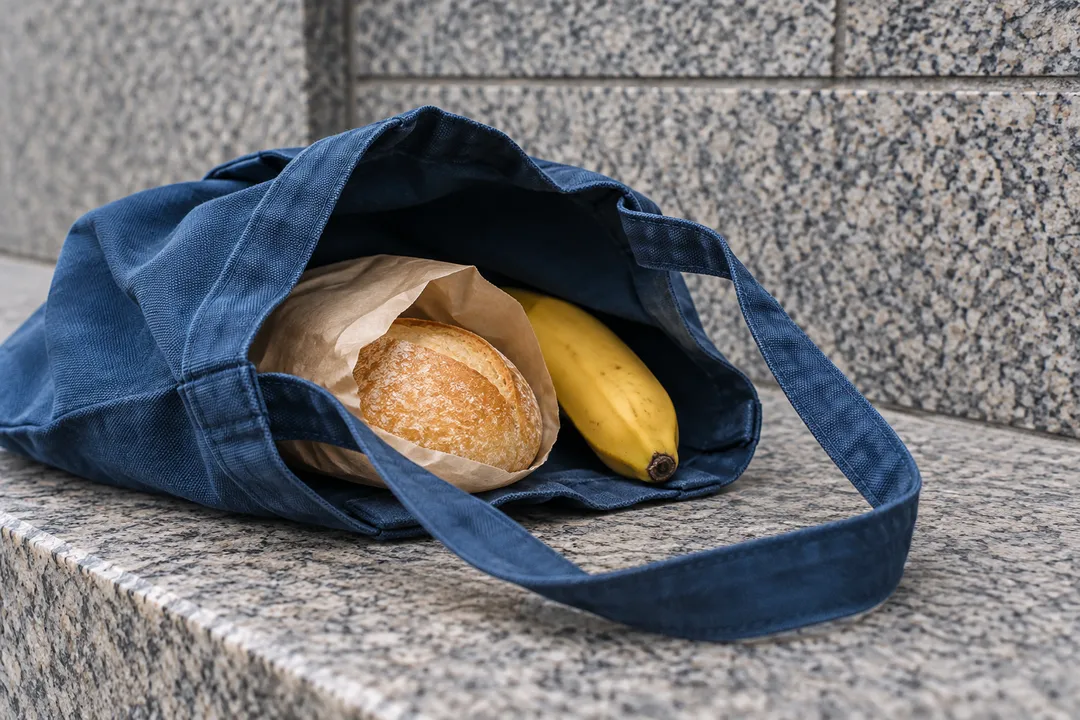
AI-generated turntable and snack illustrations; these images do not document a restroom, a waiting line, or a boarding place.
Choose food for the wait you expect to manage
For a group staying near the turntable, food that can be closed and put away offers flexibility. A wrapped roll or piece of fruit illustrates the format, rather than identifying a merchant or its stock. A large open meal creates more things to hold if you move toward boarding. Describe allergies, appetite, and whether you need to share. Let those details shape the request instead of choosing something only because it appears beside the station on a map.
Warm drinks can complicate a family pause. A traveler carrying a stroller or holding a child's hand may prefer not to add another cup. Tell Karpo which person would carry the food and whether your bags already contain water. You are reducing the number of errands, not trying to assemble a complete meal beside the turntable. If the snack is optional, say so explicitly. That lets the conversation preserve the restroom task when the two compete for attention.
Budget the pause separately from boarding
One personal example allocates six minutes to locating and using a suitable facility, four to a compact food purchase, and five to regrouping and choosing what happens next. These figures are a discussion exercise. They do not describe how long any facility takes, and they leave no promise about cable car boarding. Change the allocations to match your group. If the first task takes longer, remove the snack rather than silently borrowing from an imaginary departure time.
Travelers with no urgent facility need can use the buffer differently. You might decide to eat what you already carry and spend the interval standing together with fewer bags open. Another group might prefer to leave the turntable area and begin a different part of the day. Ask Karpo to compare those choices in ordinary language. A good recommendation can be to reduce the plan to a single comfortable task when the original list is too ambitious.
Ask for alternatives with different purposes
Instead of requesting the nearest three cafes, ask for one food-oriented possibility and one rest-oriented possibility around your actual starting point. Explain whether either option must accommodate a stroller, a walking aid, or someone who cannot stand comfortably. Then ask which needs remain unresolved. A snack suggestion that says nothing about sitting should not become a seating plan. Keeping each purpose visible prevents a small convenience from being mistaken for a solution to the whole transfer.
You can also supply a candidate you already know and ask whether it fits your constraints better than continuing the outing. Include its location or a link if you have one. Karpo's role here is conversational comparison, not a certification that the place is open or that a seat is waiting. Avoid asking the app to reserve a position in a public line. Nothing about a food shortlist establishes queue management or a booking on your behalf.
Change one condition when the group splits
If one adult stays with the bags while another takes a child to a facility, update the conversation for the person moving. Their starting point, carrying load, and destination have changed. Do not send everyone toward a cafe because it appeared in the first answer. A short message can say that the snack is now unnecessary and that the return meeting point is fixed. Removing obsolete needs makes the revised suggestions easier to judge.
For visitors traveling alone, splitting tasks means doing them in sequence. Finish the restroom decision before opening a second set of snack options. Keep your belongings with you throughout the pause. If holding your place in a line would depend on leaving a bag behind, change the plan. You do not need to complete every proposed stop to have used the buffer well. Comfort and a manageable next step are useful outcomes in their own right.
Leave with a decision, not another errand
At the end of the pause, gather wrappers, close bags, and agree whether you are joining the cable car journey or moving elsewhere. Use SFMTA's information for the transit portion and the relevant facility or merchant for access and purchase details. The planning conversation does not provide live line measurements or guarantee a restroom. Its value is helping you keep separate needs from collapsing into one hurried search around an unfamiliar station.
Open the Karpo APP when you know who is traveling, which need comes first, and what the fifteen-minute buffer is supposed to achieve. Request a compact snack-and-rest plan near Powell Street with a simpler branch if facilities take priority. Give the group a clear place to reunite. That produces a pause you can adjust without pretending that a short interval controls the turntable, the queue, or the availability of a public seat.
Ask Karpo for more information.
Keep reading
- North Beach Tailor Alteration Shop Finder: Inherited Suits
 Hayes Valley Tailor Alteration Shop Finder for Boutique Buys
 Pac Heights Tailor Alteration Shop Finder for Heirloom Gowns