 North Beach Tailor Alteration Shop Finder: Inherited Suits
Neighborhood Guides
SF Transit Station Pitstop Finder: Afternoon Rest Plan
Plan a Civic Center rest pause in San Francisco around shade, water, and your arts destination, treating seating and facility access as separate needs.
A Civic Center rest stop begins with what your body needs between the station and the next arts venue. Tell the Karpo APP whether sitting, shade, water, or a shorter walk comes first, then ask for suggestions along your intended approach. Treat quiet surroundings, an empty bench, and a working refill point as separate questions. A planning conversation can organize those needs without claiming that a shaded seat or hydration kiosk is waiting for you.
Describe the pause before naming a place
“Somewhere to rest” can mean several things. One traveler needs a firm seat for a few minutes, another wants to get out of direct sun, and a third simply wants to stop carrying a heavy bag. Name the need that would make the biggest difference. Add whether you can stand briefly, whether you need a backrest, and whether the rest must be outdoors. Those details give a recommendation a practical purpose beyond selecting an attractive patch on a map.
Civic Center station is the transit anchor for this San Francisco scenario. Your next cultural destination supplies the other end of the plan. Give Karpo that destination or its entrance information if you have it. “Near the arts venues” is less useful than saying where you intend to arrive. A rest suggestion should make sense between those two points, rather than adding an unrelated plaza visit because its description sounds calm.
Separate shade from a place to sit
Shade and seating do not necessarily coincide. A tree-lined approach can be appealing without offering a bench, while an available seat can be exposed to sunlight. Tell Karpo which condition is essential and which is only preferred. If you cannot comfortably stand, reject an answer that offers shade alone. If direct sun is the problem, a bench description without information about shelter does not resolve the need either.
Avoid treating the word “quiet” as a guarantee about a public place. Sound changes with events, traffic, construction, and the people present. You can ask for a lower-stimulation pause, but the recommendation cannot promise silence or certify comfort for a particular afternoon. Describe what would make a space unsuitable for you, such as needing to hold a conversation or avoiding a long exposed walk. That gives the conversation something concrete to work around without inventing present conditions.

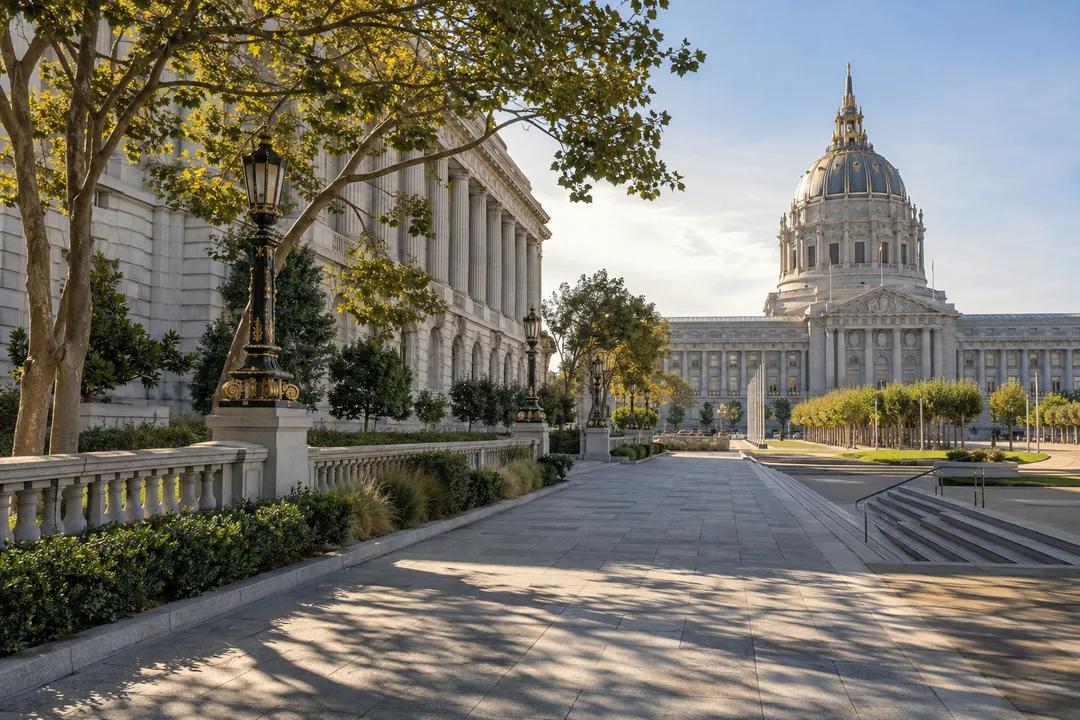
AI-generated civic streetscape and shaded-bench illustrations; the images do not establish available seating, quiet conditions, or a working water facility.
Bring your water situation into the request
Say whether you already carry a filled bottle. If you do, the rest task may only require putting down your bag and drinking what you have. If the bottle is empty, explain whether you need a refill point or would consider buying a drink. Those are different errands with different access requirements. Do not assume a photograph of a bottle beside a bench establishes a public fountain, kiosk, or nearby merchant.
A hydration suggestion needs to be judged on its own evidence. A named building does not automatically provide free public water, and a proposed cafe does not establish restroom access or a place to sit. Ask what the suggestion actually supports, and leave unsupported facility details out. You can keep the water task separate from the outdoor pause rather than forcing one unverified location to solve both at once.
Plan toward the entrance you will use
Arts destinations can have entrances on different sides of a building. Use the entrance details from your own event or visit arrangements when you describe the walk. That helps keep the rest option on the approach you intend. You do not need Karpo to invent a shortcut through a building or across a closed area. A slightly less picturesque pause can be more useful if it avoids retracing the last part of your route.
If you use a mobility aid or need a step-free journey, state that requirement directly. A general rest recommendation does not establish lift service, curb conditions, surface quality, or building access. Keep the operator and destination's own information involved in those travel decisions. Karpo can discuss choices around the constraints you provide, while the suitability of the physical route remains something that needs specific support rather than an assumption from a neighborhood description.
Allow the pause to replace another activity
Choose how much of the outing you want to spend resting before you add a food errand or a scenic detour. For example, you might personally allocate ten minutes to sitting and leave all remaining time for the venue approach. That is a preference, not a prediction that seating can be found within a particular interval. If locating a place consumes more of the outing than you wanted, simplify the plan rather than adding another destination to rescue it.
Sometimes the smaller plan is to head directly toward the arts destination and use a rest opportunity permitted by that visit. Do not assume the foyer is accessible before admission or that it contains seating. Treat it as an option only when your own visit information supports it. Another traveler may prefer an outdoor pause and a later arrival. Tell Karpo whether the event time is fixed or whether the outing can be shortened to prioritize comfort.
Ask with the important conditions in order
A useful request could be: “I am leaving Civic Center station for the arts destination I name. I want an outdoor rest on the way, with sitting more important than a scenic view. Shade would help, and I already have water. Suggest a manageable pause without adding a big loop, plus an alternative if suitable seating is unavailable.” Add your destination and any mobility constraint before sending it through the Karpo APP.
If water is the missing piece, revise that sentence rather than adding a vague request for more amenities. Say that you have an empty bottle and want to discuss a refill or drink purchase separately. If an answer lists places without addressing access, ask it to distinguish a location suggestion from an established facility. You are asking for help planning choices, not a live inventory of benches or a monitoring service for public spaces.
Reassess from where you actually stop
Once you pause, the station may no longer be the best starting point for the next question. Update the conversation with your present location and the remaining destination. Perhaps resting was enough and you no longer need food, or perhaps your companion would rather shorten the outing. Remove the old requirements when they no longer matter. A revised plan should reflect how you feel after the break rather than continuing to solve an earlier version of the afternoon.
Use the Karpo APP to turn a broad desire for a quiet break into a small set of explicit priorities. Bring the station anchor, your arts destination, the kind of sitting you need, and your water situation. Ask for one modest pause and one simpler continuation. The worthwhile result is an outing shaped around your comfort, with facilities treated honestly and the next walk chosen deliberately instead of assuming every civic plaza supplies shade, seating, and a refill.
Ask Karpo for more information.
Keep reading
- North Beach Tailor Alteration Shop Finder: Inherited Suits
 Hayes Valley Tailor Alteration Shop Finder for Boutique Buys
 Pac Heights Tailor Alteration Shop Finder for Heirloom Gowns