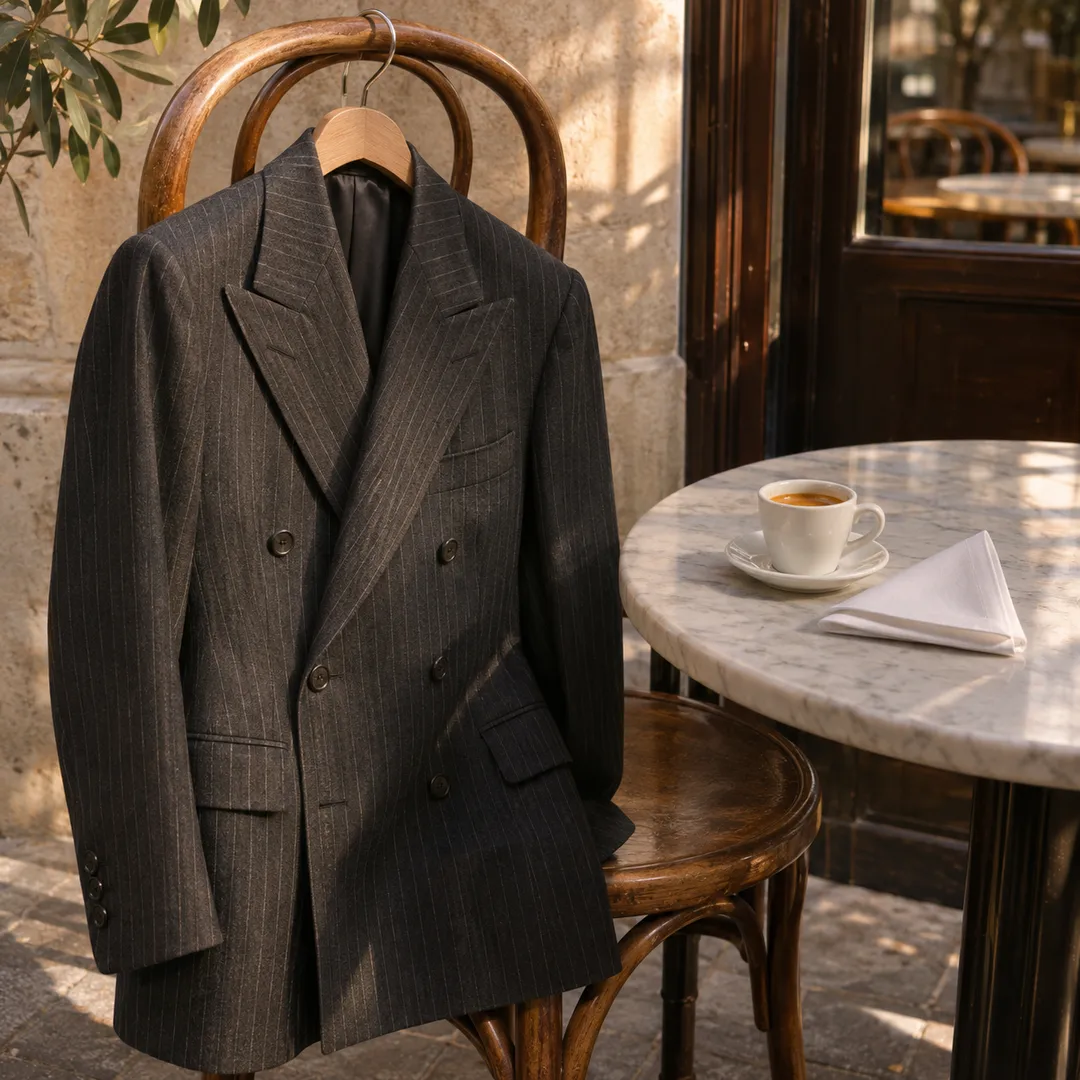
 North Beach Tailor Alteration Shop Finder: Inherited Suits
Neighborhood Guides
SF Transit Pitstop Planner: 2 Richmond Rain Options
An SF transit pitstop planner weighs a Richmond indoor pause against staying oriented at your stop, using comfort needs and the movement limit you supply.
For a rainy Richmond District transfer in SF, use a transit pitstop planner to separate a comfort stop from the journey you still need to make. A warm drink may be appealing, but going indoors can also hide what is happening at your boarding point. Tell the Karpo APP whether you need warmth, a seat, or food, and how far you are willing to move away. Ask it to compare an indoor purchase with staying oriented on your existing route.
The bus stop is the anchor
Describe your current boarding point using the location and direction you can identify. Include a public intersection rather than simply saying “the Richmond,” and say if you are already at the stop you intend to use. Your search should begin there, not at an attractive cafe you noticed earlier. The planner can organize a nearby choice around your stated position. It should not turn that position into a claim that it can see your vehicle approaching or know how long you will wait.
If you only know the neighborhood, resolve the boarding location before looking for a drink. Walking toward a recommendation while still unsure about the next journey can produce two uncertainties at once. You may have to find the counter and then find the right stop afterward. Keep the first question narrow: what information do you need to identify the onward route? A purchase can be added once the journey has a clear anchor and an acceptable amount of movement.
The weather input should describe what you are experiencing. Say whether you are cold, your coat is already wet, or the wind makes an umbrella difficult. Those observations are more actionable than a request for the nicest rainy-day spot. If sitting down is necessary, make that explicit. A location with a drink to sell is not automatically a place with available seating, permission to linger, or a dry approach from the place where you are standing.
Compare comfort gained with orientation lost
An indoor stop has an obvious benefit: a chance to stop moving through the rain. Its less visible cost is the need to reorient afterward. You may need to close an umbrella, manage a bag, make a purchase, leave the building, and locate the correct direction again. Ask Karpo to include that sequence in the comparison. A recommendation that describes only the distance to the door has left out the part that makes this a transit decision.
You can rank needs before asking for options. For example, dryness might matter most, a seat might be useful, and a drink might be optional. If no candidate meets the essential need, do not substitute a recommendation that meets only the optional one. Buying tea while continuing to stand in an unsuitable location does not solve a request for a seated rest. This distinction lets the assistant return fewer suggestions while still giving you a more honest answer.
Also consider what happens when you leave. A takeaway cup can be welcome warmth, but it needs a secure lid and a hand that might already be managing an umbrella. If that combination does not work, ask for a no-cup version of the pause. That could mean waiting to buy a drink at your destination. It is a change in the plan, not a failed search for a more charming cafe. The benefit should survive the moment you step back outside.
Ask for a decision with a stopping rule
A concrete message might be: “I am waiting for my onward journey in SF's Richmond District at the location below. I feel cold and have an umbrella and shoulder bag. I want to know whether an indoor pause is worth leaving this position. Keep the comparison to one possible stop and staying here. My essential requirement is the one I have stated, and I will not cross the road just for a drink.” Enter the real location and requirement.
Add a personal movement limit if you have one. You might be willing to walk for three minutes in one direction, but that number is a preference you supply, not a walking-time measurement provided by this article. Ask the assistant to explain what assumptions would be needed to fit it. If the route depends on an unknown entrance, seating availability, or service speed, keep that uncertainty attached to the option rather than treating the number as established.
Use a stopping rule for the conversation as well as for the walk. After one focused comparison, decide whether the extra comfort is worth the extra movement. Repeatedly requesting another list can consume the pause without getting you warmer or better oriented. If the essential requirement remains unresolved, choose the simplest continuation and move the comfort stop to later. You do not need to exhaust every cafe in the district before concluding that a particular transfer is the wrong moment for one.
A changed wait does not revive an old plan
Suppose your travel circumstances change while you are deciding. Give the assistant the new fact and your current position. Do not reuse an earlier time allowance after spending part of it in conversation or walking. If you have changed sides of the street, that matters too. The question becomes whether a stop works from the new situation, rather than whether the original recommendation can be rescued. It is easier to discard one option than to preserve a plan whose assumptions have disappeared.
If another traveler joins you, revise the need before revising the destination. A companion may want food when you only wanted warmth, or may need to keep moving. Explain the shared priority and ask for one joint decision. Otherwise you risk receiving a technically relevant answer for a person who is no longer traveling alone. For a small wet-weather pause, agreeing to buy nothing until arrival can be a better group outcome than dividing into separate searches and arranging a reunion.
A neighborhood walk is an optional activity for a different amount of time. Do not add a detour toward a park or a second commercial street simply to make an unpromising food search feel worthwhile. Ask for a separate walking suggestion only if your journey has become genuinely flexible. Keep it distinct from the route required to continue. That allows you to enjoy the Richmond on its own terms without presenting an improvised stroll as a necessary part of a transfer.
Practical Notes
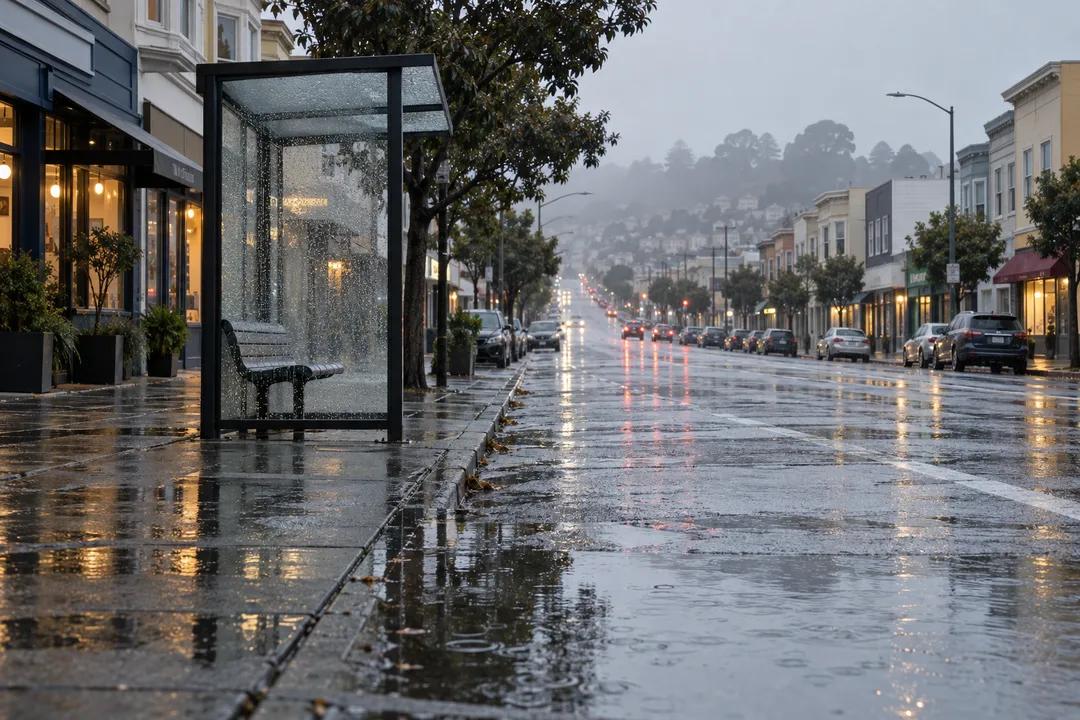
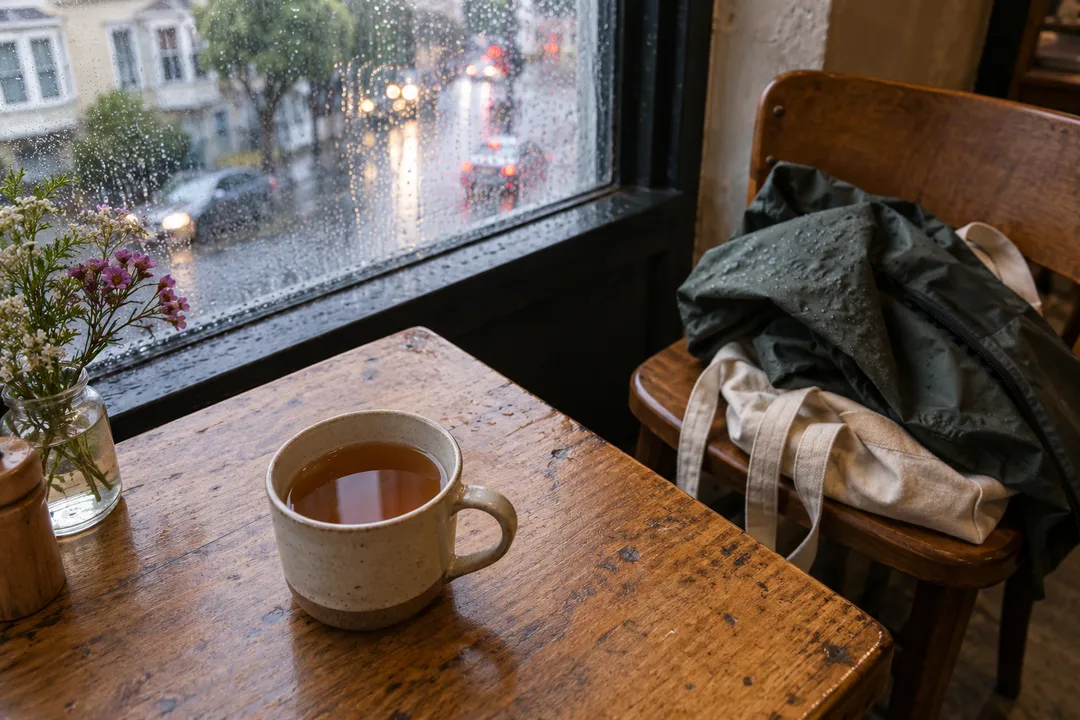
The Karpo APP can help compare choices using the context you type into the conversation. Supply a public starting point, onward direction, essential comfort need, and any movement limit. This page contains no asserted bus frequency, live arrival, covered-stop inventory, cafe opening hours, or seat reservation. Its generated shelter and tea photographs are visual illustrations rather than reports from a named business. Leave the optional purchase out whenever it weakens the part of the journey you understand, and ask for a concise continuation that preserves your next clear action.
Ask Karpo for more information.
Keep reading
- North Beach Tailor Alteration Shop Finder: Inherited Suits
 Hayes Valley Tailor Alteration Shop Finder for Boutique Buys
 Pac Heights Tailor Alteration Shop Finder for Heirloom Gowns