 North Beach Tailor Alteration Shop Finder: Inherited Suits
Neighborhood Guides
SF Transit Pitstop Planner: 2 Mission Lunch Choices
An SF transit pitstop planner compares a wrapped Mission lunch with eating after arrival, using your purchase cutoff, dietary needs, and carrying space.
A Mission lunch transit pitstop planner should decide whether you can finish buying food before it starts complicating the rest of your trip. Tell the Karpo APP where you are in SF, where you are continuing, and whether lunch must be eaten now or carried for later. Ask for one practical food format and a clear reason to skip the purchase. A generous lunch is not automatically a useful transfer lunch, especially when it needs a seat, cutlery, or both hands.
Decide where the meal will actually happen
Before choosing food, answer a smaller question: are you looking for a place to eat or a way to obtain lunch? Those tasks need different amounts of time. If eating comes after arrival, say that the meal must travel well and fit in your bag. If you need to sit down now, make seating part of the requirement instead of assuming it will be available. A nearby counter and a usable lunch break are two separate things.
Be precise about what you can carry. Someone walking with a small shoulder bag can handle a different purchase from a person moving luggage or a parcel. A drink in an open cup adds another object, even if the main food is neatly wrapped. Tell Karpo that you would rather omit the drink if it creates a handling problem. This gives the assistant a meaningful way to simplify the recommendation without merely suggesting a smaller portion of the same awkward order.
Start with a food format, then choose a filling
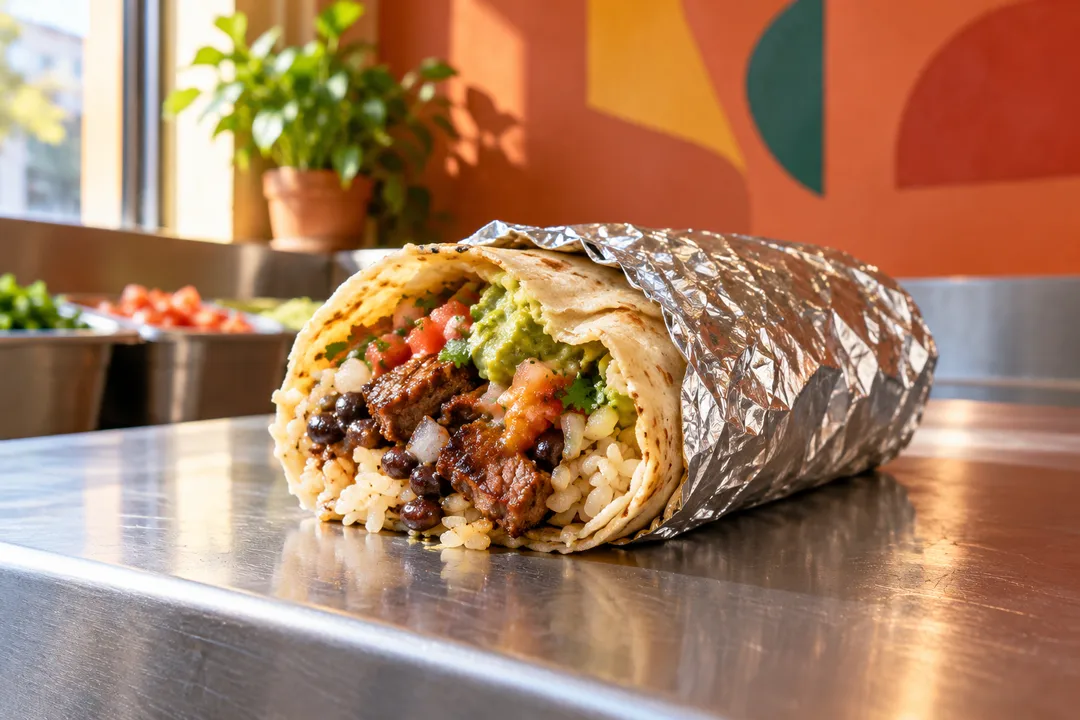
For this scenario, a wrapped handheld meal is one possible starting point. It is not a claim that a particular Mission business offers a specific dish. Ask the planner to compare that format with a compact snack and eating at your destination. If you want a burrito, explain whether you intend to eat it immediately or keep it closed for later. The same meal can create very different movement and cleanup needs depending on that decision.
Add dietary needs before asking for a shortlist. “No meat” and “severe allergy” are not interchangeable constraints, and neither should be inferred from a previous preference. A recommendation can help narrow the conversation, but it cannot certify how a kitchen prevents cross-contact. If that requirement cannot be resolved in the time you have, use a suitable option you already know or defer lunch. Do not let the urgency of a connection turn a serious food requirement into an assumption.
Use a purchase cutoff rather than a lunch promise
Here is a hypothetical calculation using a twenty-five-minute personal window. You reserve ten minutes for continuing toward the next journey and five for getting organized. That leaves ten minutes for choosing, ordering, paying, and collecting. These numbers illustrate a budget you might set yourself. They are not a claim about local service speed, block length, or transit frequency. A made-to-order meal that cannot fit your remaining purchase allowance should drop out of the comparison.
There is a difference between reaching the front of a line and leaving with food. Tell the assistant to keep that distinction in the plan. If the recommendation relies on immediate preparation, ask for a simpler option instead. You can also set a point before paying when you will walk away. That makes the choice reversible while you still control it. Once an order is accepted, the trip may depend on a process you cannot accelerate by watching the clock.
Send a lunch request with a useful comparison
Try this message: “I am in the Mission in SF at the location I have entered. I am continuing to the destination below. I want a filling lunch that can stay wrapped in my bag, with no drink and no need to sit. Use my stated purchase cutoff. Compare one compatible stop with eating after arrival, and tell me which condition would make you reject the stop.” Replace the placeholders with your actual travel details.
Read the answer for its reason, not just its food description. A useful recommendation explains why the purchase belongs on your path and what you need to carry afterward. If the response lists several attractive restaurants without addressing your cutoff, narrow the request. Ask for the single option that best matches the constraints already supplied. You do not need a neighborhood dining survey to solve a lunch problem whose central feature is limited time between journeys.
Pack lunch before resuming the walk
Plan a short organizing step after collection. Close the food container, separate anything that might leak, and put the payment method away before moving back into the flow of the street. If food needs to stay upright, decide where it will sit in the bag before buying it. These are packing suggestions, not policies attributed to a named restaurant. They matter because the practical burden of lunch begins after the transaction, when you also need to navigate.
Consider whether the food still works if you cannot eat until later. An item chosen for an immediate sit-down break may be messy or inconvenient in a closed bag. You can ask Karpo for a different format without asking it to promise freshness or a specific safe holding time. Food safety depends on the food and conditions, which a general route suggestion does not establish. If the journey makes suitable storage impossible, changing the meal plan is more useful than improving the walking directions.
Keep the side-street walk modest
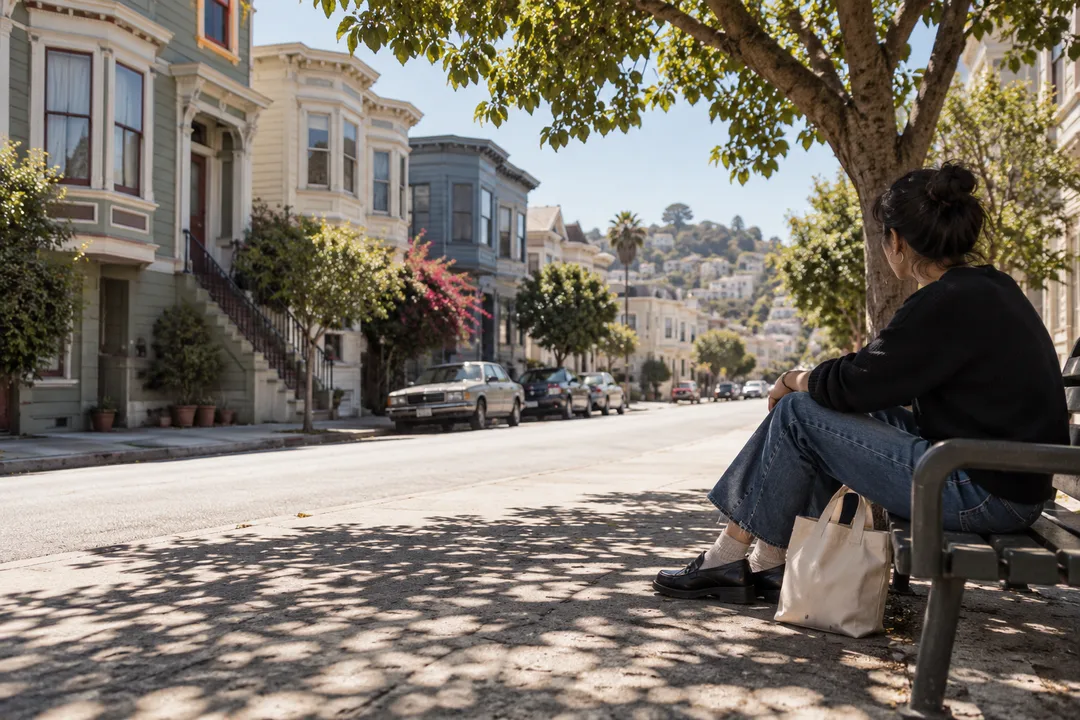
A quieter street segment can be appealing after a busy counter, but it belongs in the plan only if it serves your onward direction. Ask for an optional short walk separately from the essential route. Avoid adding a park, mural stop, or second shop merely because it looks close on a map. Each extra destination changes the task from collecting lunch into spending a break in the neighborhood. That can be enjoyable when chosen deliberately, but it should not happen by accumulation.
If a companion wants another stop, agree whether you have enough time for a shared detour. Two people buying food at different counters can create a meeting problem that overwhelms the original lunch allowance. A simpler compromise is one shared purchase location or two separate lunches after arrival. Tell the assistant the group decision explicitly. Otherwise it may keep optimizing for your original solo request while the actual journey has become a coordination task involving different appetites and departure expectations.
Practical Notes
Use the Karpo APP to turn your location, destination, food requirements, bag space, and personal cutoff into a short comparison. Budget figures on this page are examples, not menu prices or journey estimates. No opening hours, inventory, queue length, preparation time, or successful order is guaranteed. Generated photographs show a wrapped lunch and a neighborhood walking scene as editorial illustrations. They do not depict a named recommended counter. Skip a purchase that leaves the food harder to transport than the journey itself, and give lunch its own time at the destination instead.
Ask Karpo for more information.
Keep reading
- North Beach Tailor Alteration Shop Finder: Inherited Suits
 Hayes Valley Tailor Alteration Shop Finder for Boutique Buys
 Pac Heights Tailor Alteration Shop Finder for Heirloom Gowns