 North Beach Tailor Alteration Shop Finder: Inherited Suits
Neighborhood Guides
Inner Sunset Tailor Alteration Shop Finder for Trail Gear
Hike Mount Sutro or Golden Gate Park from the Inner Sunset? Find a tailor who swaps zippers, patches down and hems trail pants so your fog layers keep going.
A tailor alteration shop finder is not the first thing most hikers think of, yet in the Inner Sunset it might be the most useful tool in the closet. This is a neighborhood that lives in its outdoor layers. People walk out of their front doors straight into Golden Gate Park or up the steep paths of Mount Sutro, often through thick summer fog, and their fleeces, shells and trail pants take a beating. A good tailor can keep that gear going for many more seasons.
A Neighborhood That Wears Its Gear Hard
The Inner Sunset sits right at the edge of two very different green spaces. To the north is Golden Gate Park, with its long walks to the ocean and its shaded groves. To the south rises Mount Sutro, a dense cloud forest of eucalyptus where the trails stay damp most of the year. Residents treat both as a backyard, and many walk or run there before work.
That kind of daily use wears gear quickly. Zippers clog with grit, cuffs fray from wet trails, and down jackets snag on branches. The temptation is to buy new, but most of these problems are simple fixes for someone with a sturdy machine and the right supplies. Repairing is also kinder to the forest you love walking through.
What a Tailor Can Fix on Outdoor Clothing
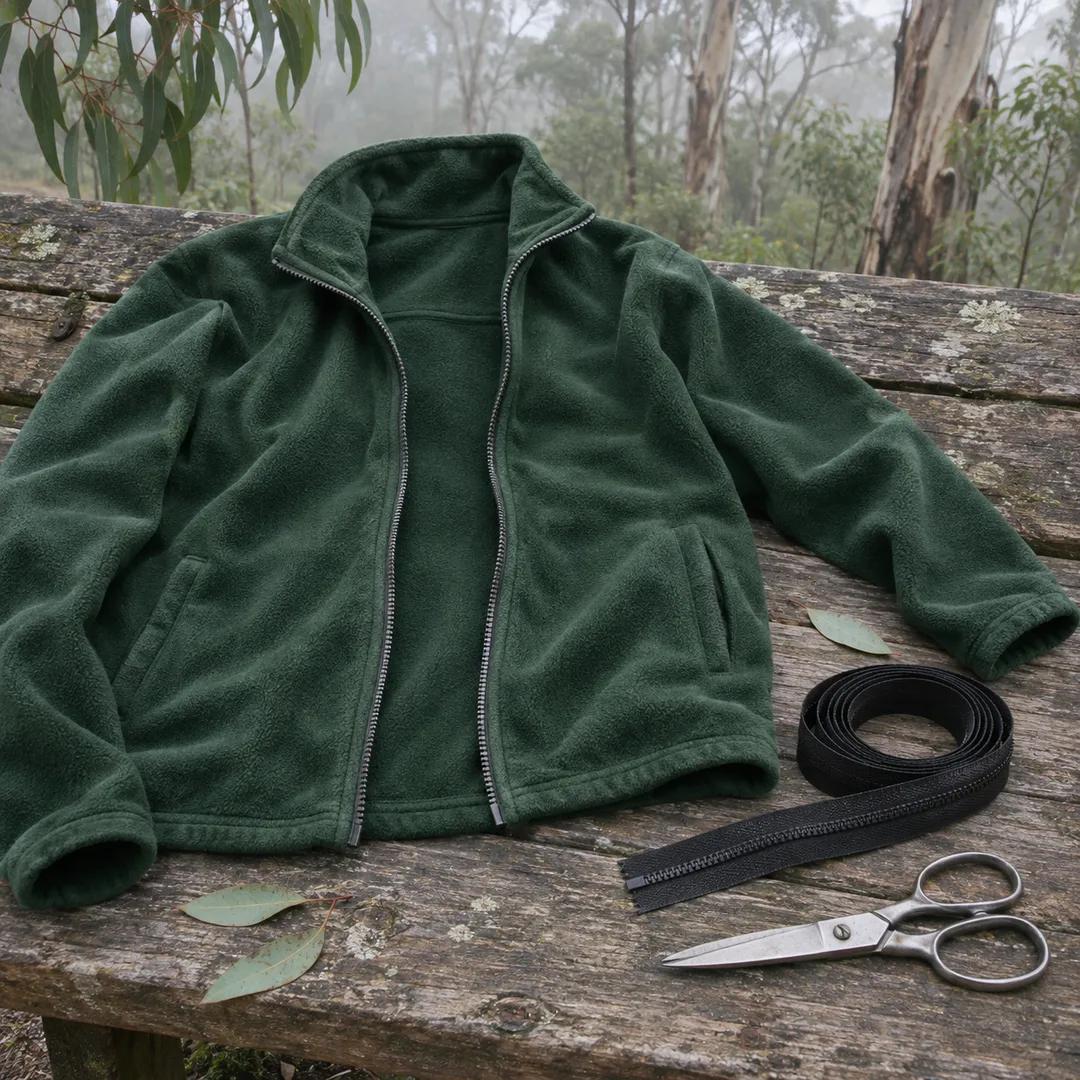
Zipper replacement is the big one. A broken main zipper on a fleece or rain shell feels like the end of the jacket, but a skilled tailor can remove the old zipper and sew in a new one matched in length and weight. On a fleece this is straightforward. On a waterproof shell, ask whether the shop can work with taped seams, since some prefer to leave that job to specialist gear menders.
Other common jobs include patching small tears in down jackets, replacing worn elastic at cuffs and hems, shortening the sleeves on a shell that was always too long, and adding reinforcement to the knees of hiking trousers. Hook-and-loop tabs, drawcords and snaps can also be swapped out when they lose their grip or pull loose.
Hemming Trail Pants the Right Way
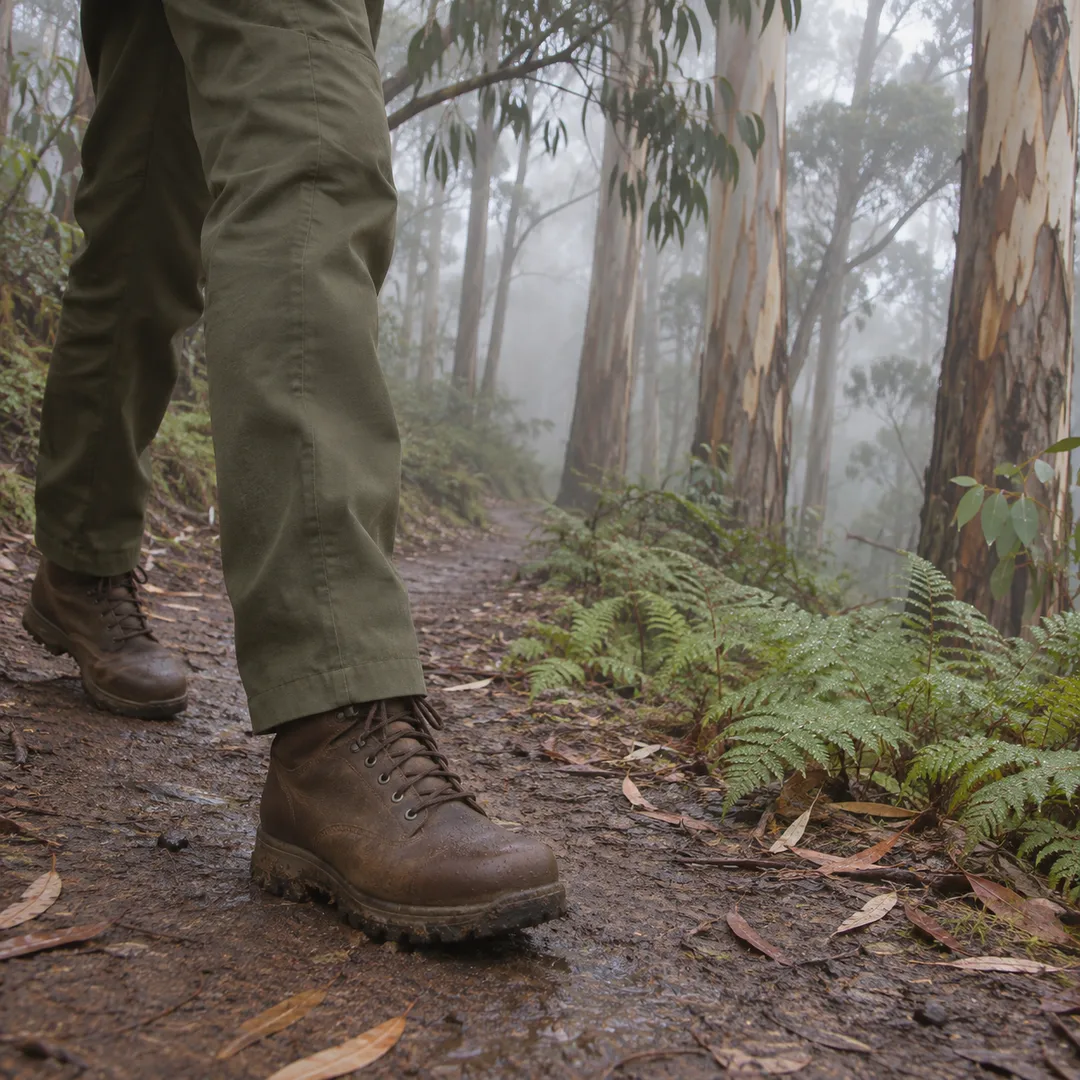
Hiking pants are often sold long, and the extra length drags through mud on the Sutro trails and wets the hem on foggy mornings. A tailor can shorten them so the cuff sits just above the boot, which keeps them clean and stops the fabric from fraying where it scuffs the heel. Bring the boots you actually hike in so the hem can be set at the right height.
If your trail pants have a zip-off lower leg or an elastic cuff, mention it at the counter. These details need to be preserved or rebuilt when the length changes. Some tailors will move the zip-off seam higher, keeping the convertible design but at the new proportion, while others suggest a simple clean hem if you never zip them off anyway.
Saving a Down Jacket From Losing Its Feathers
A down jacket with a snag slowly empties itself, leaving a trail of feathers on your sofa. The quickest fix at home is a piece of repair tape, but it rarely lasts through many washes. A tailor can stitch a small patch over the tear in matching nylon, closing the hole for good. Ask for the patch shape to follow the baffle lines so it looks deliberate.
Larger tears or blown baffles need more work. Some tailors are comfortable opening a baffle, adding fill and resealing it; others will tell you honestly that a specialist down repairer is the better choice. Either answer is helpful. The point is to stop the feathers from escaping before the jacket loses so much warmth that it no longer copes with a foggy evening.
Making Layers Fit Over Each Other
Foggy San Francisco summers mean layering, and layering only works if each piece fits over the last. A common complaint is a rain shell whose sleeves feel tight over a fleece, or a fleece that bunches up under a jacket. A tailor can sometimes let out side seams slightly, adjust sleeve length so cuffs line up, or remove bulky pockets that get in the way.
Think about how you actually dress for a walk on Sutro or a run through the park. Bring all the layers you combine and try them on together at the fitting. A tailor who sees the whole system can make adjustments that keep everything comfortable, instead of fixing one jacket in isolation and creating a new problem with the next layer.
Choosing a Tailor in the Inner Sunset
The Inner Sunset has a mix of long-established neighborhood tailors and dry cleaners with seamstresses in the back, many run by families who have been in the area for decades. They are used to a steady flow of practical repairs from students, medical staff and outdoor-minded residents. Look for a shop with a heavy-duty machine visible behind the counter, a sign it can handle thicker fabric.
When choosing, ask whether the shop has replaced zippers on fleeces or shells before, and whether it stocks zippers or prefers you bring a replacement. Some customers like to source a particular zipper themselves. Using the Karpo APP to compare tailors close to Irving Street and Ninth Avenue makes it simple to find one you can reach on foot between hikes.
Timing Repairs Around the Seasons
The fog is thickest in summer, and the clearest, warmest days in San Francisco often arrive in autumn. That makes late spring a smart time to bring in fleeces and shells before the grey months, and late autumn a good time to deal with summer wear and tear before the winter rains arrive. Shops tend to be busiest just before holidays and wedding season.
Plan for repairs to take some days, since outdoor gear often waits in line behind formal alterations with fixed deadlines. Keep a spare layer on hand while your main fleece is in the shop. If you have a trip coming up, tell the tailor the date so they can let you know honestly whether it fits their schedule.
A Walk While You Wait
After dropping off your gear, the neighborhood makes the wait pleasant. Walk along Irving Street and Ninth Avenue, where cafés, bakeries and noodle shops line the blocks, and pick up a warm drink. From there it is a short walk north into Golden Gate Park, past the botanical garden, toward the quiet paths around Stow Lake.
If you prefer to climb, head up toward the Mount Sutro trailheads near the medical campus. The forest closes in quickly, and on foggy days drops of moisture fall from the eucalyptus like light rain. Go in an older layer, and enjoy knowing that the jacket you usually wear for this walk is being made ready for many more.
Small Repairs You Can Ask About
Not every fix has to be dramatic. Many hikers bring in jackets just to have drawcord toggles replaced, hood brims stiffened, or a loose hang loop reattached. Others ask for a small inner pocket added to a fleece for a phone or keys. These little touches change how a piece feels on the trail and often cost much less than you expect.
Gloves and hats can be mended too. A tailor can close split seams on fleece gloves, replace a lost pompom or add a reinforced patch to the palm of a work glove used on trail volunteer days. It is worth keeping a small bag of these minor items and handing them over in one visit.
Looking After Gear Between Visits
Simple habits keep repairs lasting longer. Brush dried mud off trail pants before washing, close all zippers before putting a fleece in the machine, and wash down jackets with a gentle cleaner made for the purpose. Let everything dry fully before storing, since damp gear left in a closet invites mildew in the foggy air.
Check zippers regularly by running them up and down a few times; a stiff zipper is easier to clean than to replace. A little wax or a zipper lubricant can keep it running smoothly. When you see an early fray or a pulled thread, deal with it soon, before a small problem turns into a full repair.
Keeping Your Fog Layers on the Trail
The Inner Sunset rewards people who get outside, whatever the weather. A fleece that has kept you warm on a dozen misty climbs deserves more than a trip to the bin when its zipper gives out. With a good tailor nearby, those familiar layers can keep going for years, holding on to the memories of every walk.
Start with the piece that annoys you most, whether it is a stuck zipper or trousers that drag in the mud. Once you have a tailor you trust, the rest of your gear will follow. And when you need a fresh option or are hiking another part of the city, the Karpo APP can point you toward menders nearby.
Ask Karpo for more information.
Keep reading
- North Beach Tailor Alteration Shop Finder: Inherited Suits
 Hayes Valley Tailor Alteration Shop Finder for Boutique Buys
 Pac Heights Tailor Alteration Shop Finder for Heirloom Gowns