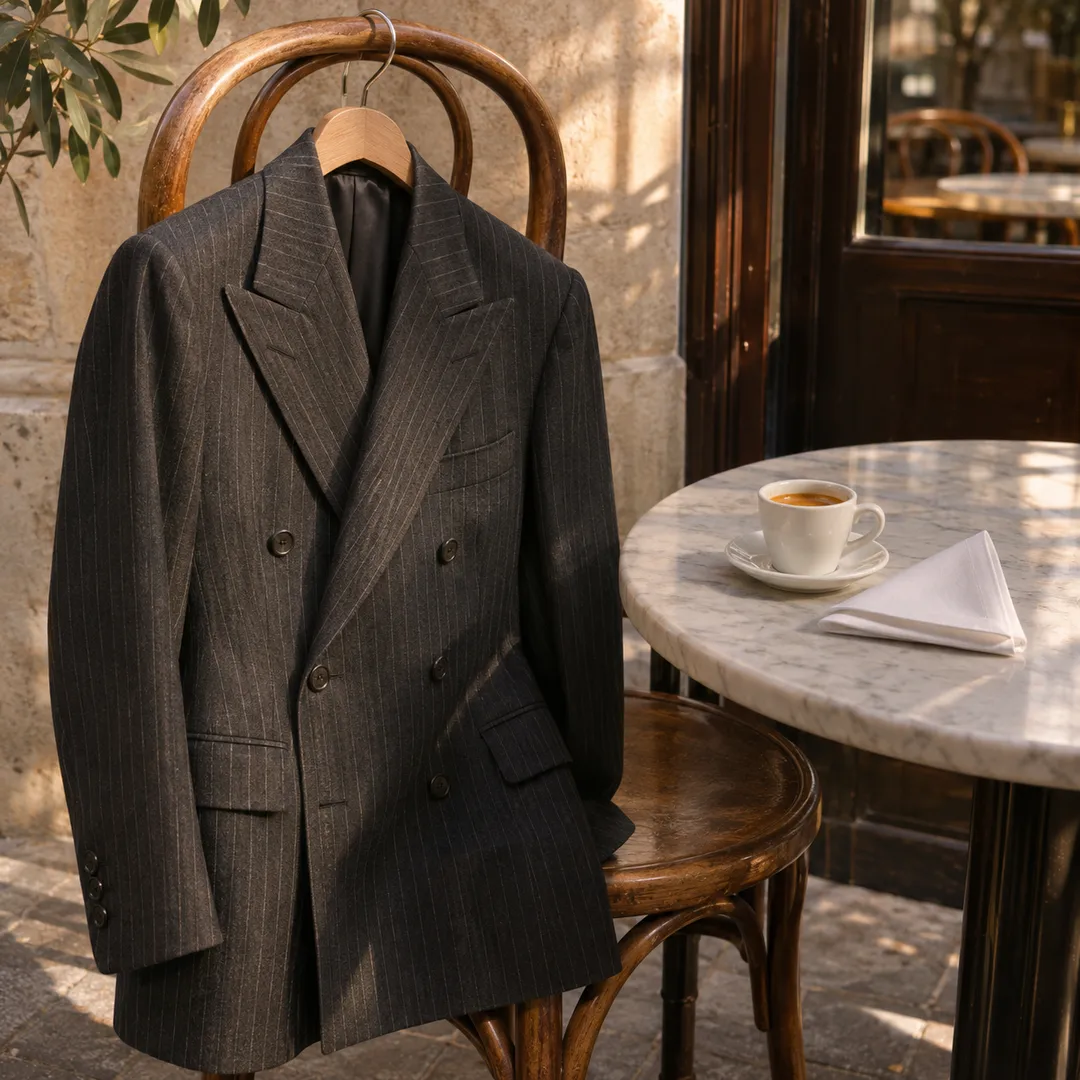
 North Beach Tailor Alteration Shop Finder: Inherited Suits
Neighborhood Guides
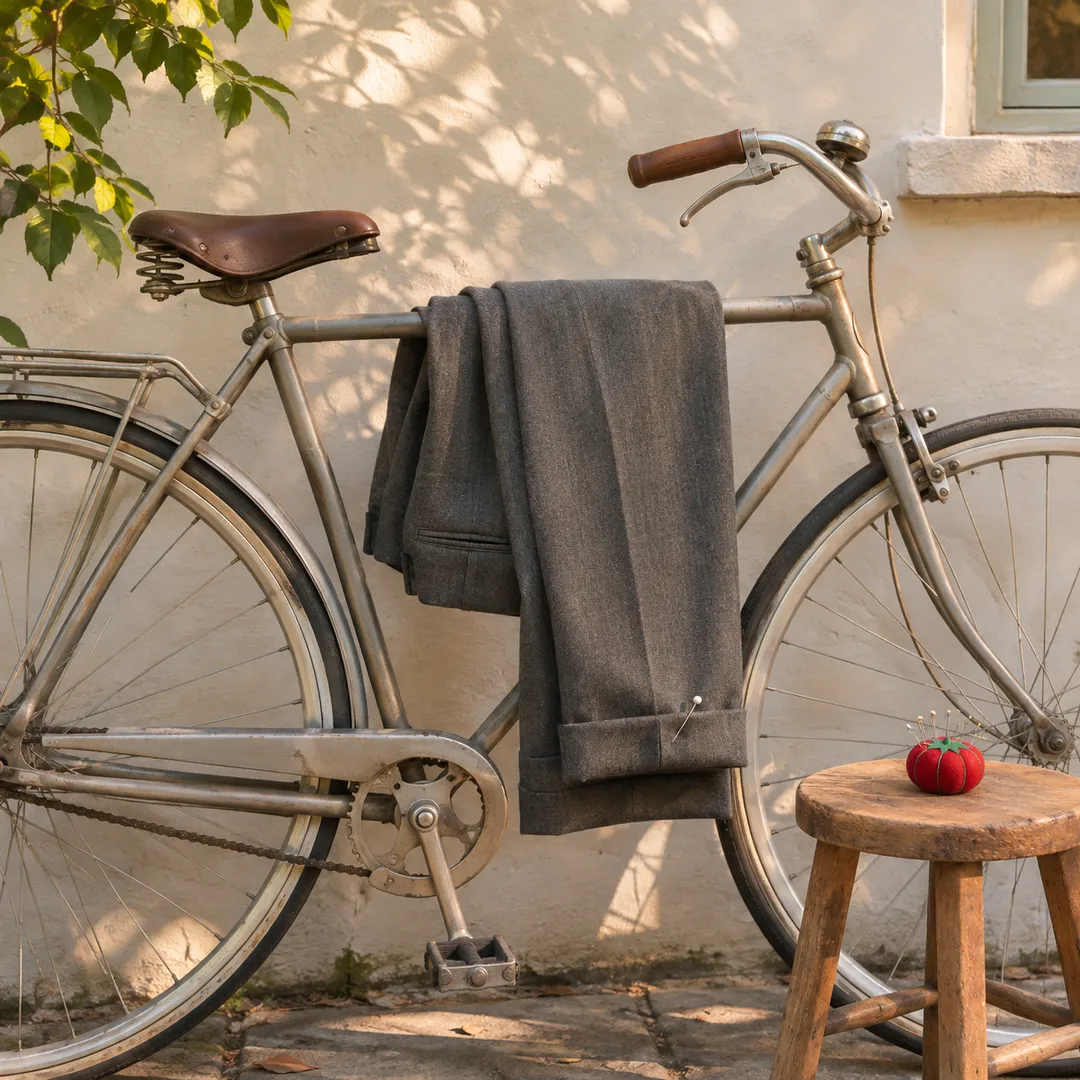
Mission Tailor Alteration Shop Finder for Bike Commuters
Ride to work through the Mission? Find a tailor who can reinforce worn seats, taper cuffs off the chain and add stretch so office clothes survive the bike.
A tailor alteration shop finder sounds like a tool for weddings and job interviews, but in the Mission District the most common reason people walk into a tailor is a bicycle. This is one of the busiest cycling neighborhoods in San Francisco, and the same pair of office trousers that looks sharp at a desk gets ground against a saddle, splashed by puddles and chewed by a chain twice a day. A good tailor can make those clothes last years longer.
Why Riders End Up at the Tailor
Riding to work is hard on fabric in very particular places. The seat of the trousers thins where it rubs the saddle, the inner thigh pills from the pedal stroke, the right cuff picks up grease from the chain ring, and the back of a jacket rides up and stretches at the shoulders when you lean forward. None of this shows up for the first few months. Then one morning you notice light coming through the seat of your favorite pants.
Most riders respond by buying cheaper trousers and replacing them often. A tailor offers a better path. Fabric can be reinforced before it fails, cuffs can be reshaped to stay clear of the chain, and the cut of a jacket can be adjusted so it sits comfortably in a riding posture without looking sporty at the office. Think of it as tuning your clothes the way you tune the bike.
The Mission as a Place to Get Things Mended
The Mission has a long tradition of small workshops tucked between taquerias, panaderias and murals. Many neighborhood seamstresses and tailors learned their trade in family workrooms in Mexico or Central America, and they are used to fixing working clothes rather than only fitting formal wear. That practical background is exactly what a rider needs, because the goal is durability and comfort first, polish second.
You will also find newer studios run by younger makers who sew their own lines and take alteration work on the side. They tend to be fluent in technical fabrics, stretch wovens and modern cuts. Between the two traditions, the neighborhood covers almost any repair a commuter could bring in, from a worn seat in old wool to a torn softshell sleeve.
Reinforcing a Seat Before It Wears Through
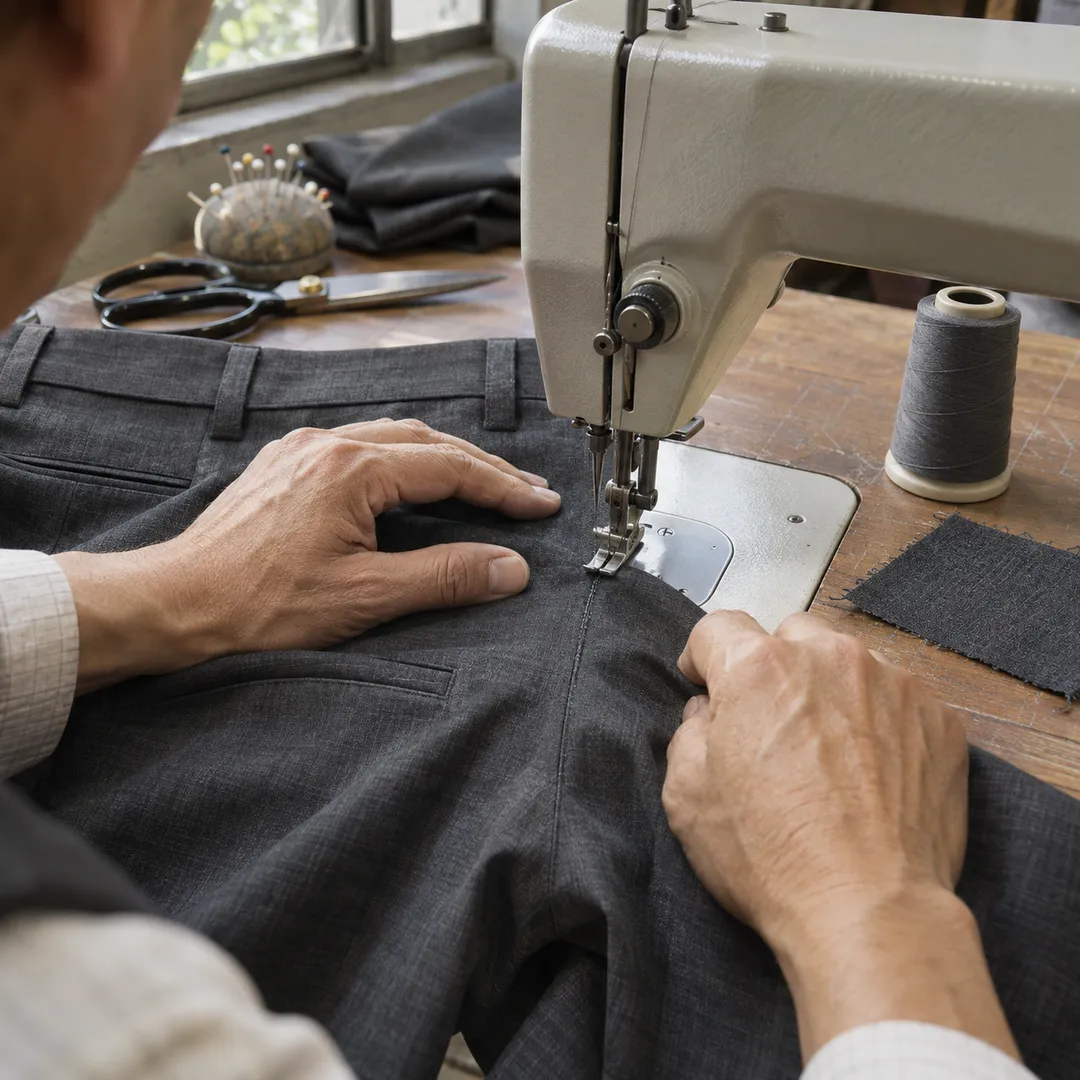
The single most useful thing to ask for is a seat reinforcement done early. A tailor sews a panel of matching or slightly heavier fabric inside the trousers across the area that meets the saddle, stitching it so it spreads the wear without creating a bulky ridge. Done before a hole appears, it is nearly invisible from the outside and can double the life of a pair of pants.
If the fabric has already gone thin, bring it in anyway. Many tailors can darn the weak area by machine, laying dense lines of thread across it in the direction of the weave, then back it with a patch. Ask to see a sample on a scrap first so you can judge how much it shows. On dark wool it usually disappears; on light cotton it may read as texture.
Cuffs, Chains and the Right Trouser Leg
Flapping trouser legs are the classic commuter problem, and the usual fixes are clips or rolling the cuff. A tailor can make that unnecessary. Tapering the lower leg slightly, especially on the right side, keeps fabric away from the chain ring without making the trousers look tight. Some riders ask for a shorter break, so the hem sits just above the shoe and never drags in puddles.
Another neat option is a hidden snap or button tab sewn inside the right hem, letting you fold the cuff up neatly while riding and drop it when you arrive. Bring the shoes you actually wear to work when you go for the fitting, and wear the trousers on the bike for a short ride beforehand so the tailor can see where the grease marks fall.
Jackets That Work in a Riding Position
Office blazers and wool coats were cut for people standing upright. On a bike your arms reach forward and your back rounds, so the jacket pulls across the shoulders and the sleeves ride up past your wrists. A tailor can let out a little fabric at the back seam if there is allowance, or add a discreet action pleat that opens when you lean forward and lies flat when you stand.
Sleeves are another common fix. Lengthening them by a small amount, if the jacket has spare fabric turned under at the cuff, stops cold wrists on foggy mornings. For rain shells and softshells, ask whether the shop works with taped seams. Some will shorten a technical jacket and reseal the hem; others prefer to send that kind of job elsewhere.
Adding Stretch and Comfort
Some riders want more freedom of movement without switching to sportswear. A tailor can insert a gusset at the crotch, a small diamond of fabric that relieves tension across the saddle area and stops seams from splitting. In stiff cotton or denim, a gusset makes a dramatic difference to comfort on a hilly ride over to the office.
Waistbands are worth attention too. Leaning forward makes a low back waist gap open, especially on trousers with a flat front. A tailor can raise the back rise slightly or add a hidden elastic section inside the waistband. It is the sort of small change that you stop noticing within a week, and then wonder how you rode without it.
How to Plan a Tailor Visit Around Your Ride
The easiest way to fit alterations into a commuting routine is to drop off on a day you are not riding, or on a weekend morning when you are wandering the neighborhood anyway. Bring two or three pieces at once and explain how each one gets worn. A tailor who hears that a pair of trousers sees forty miles a week will make different choices than one who assumes an office chair.
Keep a short list on your phone of every garment with a worn spot, a loose button or a cuff problem. When you go in, tackle the most-worn item first and see how you like the result before handing over the rest. Using the Karpo APP to find tailors and seamstresses near your route makes it easy to pick one close enough for drop off on the way home.
Questions Worth Asking at the Counter
A good conversation at the counter saves a second trip. Ask whether the tailor has done seat reinforcements before and whether they will match the thread color to the fabric. Ask how they handle stretch fabrics, since some machines and techniques suit wool far better than synthetic blends. If a garment has sentimental value, say so, and ask what they would recommend rather than what you assume you need.
It also helps to ask what is not worth fixing. An honest tailor will tell you when a pair of trousers is too far gone, or when a jacket will never sit right in a riding position. That honesty is a good sign. It means the shop cares about the result, and it saves you from paying to save something you will stop wearing anyway.
A Mission Walk While Your Clothes Are in the Shop
After dropping things off, the neighborhood makes the wait easy. Walk a few blocks to the murals of Balmy Alley and Clarion Alley, where the walls change every few years and tell stories of local history, protest and celebration. It is a good reminder that this is a neighborhood of makers, and your trousers are now in the hands of one of them.
From there, drift toward Dolores Park and sit on the slope with a coffee or a pastry from one of the panaderias along the way. On a clear day you can see the downtown skyline over the palms. If the fog rolls in, duck back toward the busy corridor and watch the steady stream of riders pass by on their way somewhere.
Caring for Riding Clothes Between Visits
A little care at home stretches the tailor's work further. Brush wool trousers after a ride to lift grit from the weave, hang them to air overnight instead of folding them damp, and treat chain grease quickly with a drop of dish soap before it sets. Rotating two or three pairs gives each one time to recover its shape between commutes.
Check the reinforced areas every month or so. Catching a loose stitch or a small fray early means a quick fix instead of a full patch later. Many riders end up with a regular rhythm, bringing a small bundle of clothes to the same tailor each season, and that relationship is part of what keeps a wardrobe working for years.
Making the Commute and the Wardrobe Last
Riding through the Mission every day is a pleasure, with the smell of fresh tortillas, the sound of music from open doors and the murals passing by. Your clothes should be able to keep up with it. With a few smart alterations, the same trousers and jackets can carry you from the bike lane to the meeting room without looking like they have been through a battle.
Start with one pair of pants and one reinforcement, see how it feels, and build from there. When you are ready to find another tailor or try a different seamstress across town, the Karpo APP can surface options around you that match the kind of repair you need, so the next fix is never far from the bike lane.
Ask Karpo for more information.
Keep reading
- North Beach Tailor Alteration Shop Finder: Inherited Suits
 Hayes Valley Tailor Alteration Shop Finder for Boutique Buys
 Pac Heights Tailor Alteration Shop Finder for Heirloom Gowns