 North Beach Tailor Alteration Shop Finder: Inherited Suits
Neighborhood Guides
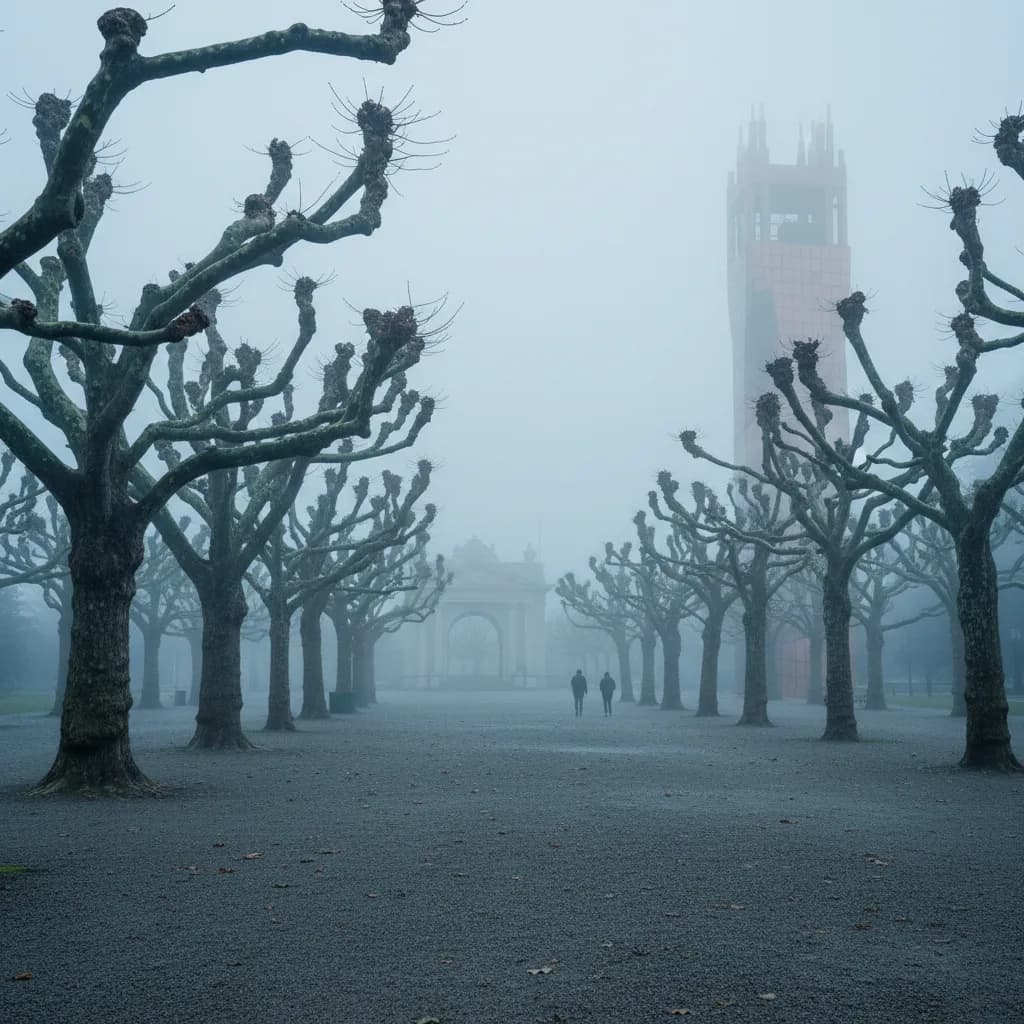
Inner Sunset Scenic Pedestrian Stroll to the Tiled Steps
An Inner Sunset scenic pedestrian stroll is free: start at 9th and Irving, loop Stow Lake in Golden Gate Park, then climb the 16th Avenue Tiled Steps.
Ninth Avenue and Irving Street is where an Inner Sunset scenic pedestrian stroll begins, and the N Judah streetcar drops you right at the corner. From there the route heads three blocks north into Golden Gate Park, loops the Music Concourse and Stow Lake, then returns south and climbs to the mosaic-covered 16th Avenue Tiled Steps. The walk is free, close to four miles if you do it all, and works best with a light jacket even in summer.

Ninth and Irving, the Neighborhood Crossroads
The N Judah line runs along Irving Street between Arguello and Ninth Avenue before turning west onto Judah, which makes the Ninth and Irving corner the natural hub of the neighborhood. The surrounding blocks are a compact mix of bakeries, noodle shops, bookstores and bike shops, with UCSF's Parnassus campus rising on the hill just to the east. Students, hospital staff and families share the sidewalks, and the pace is unhurried compared with downtown.
Spend ten minutes on Irving Street before heading to the park. Walk one block in each direction from Ninth and notice how the storefront scale stays small and independent. It is also your best chance for a bathroom break and a warm drink before the long stretch of park paths ahead. On foggy mornings, the cafes along Irving fill with people waiting for the grey to lift before committing to a walk.
Into the Park at Ninth Avenue
Walk north on Ninth Avenue three blocks to Lincoln Way, cross carefully at the light and enter Golden Gate Park. Immediately to your left is the entrance to the San Francisco Botanical Garden, a 55-acre collection of plants from fog-belt climates around the world. If you have an hour to spare, it deserves a separate visit. For this stroll, keep straight on Martin Luther King Jr. Drive and follow the signs toward the Music Concourse.
The Music Concourse is a sunken oval of gravel paths and pollarded plane trees created for the 1894 Midwinter International Exposition. At its north end, the Spreckels Temple of Music, a stone bandshell completed in 1900, still hosts free Sunday concerts at certain times of year. The de Young Museum, rebuilt in 2005 with a perforated copper skin, faces the California Academy of Sciences, whose 2008 building by Renzo Piano is topped by a living roof.
Stow Lake and Strawberry Hill
From the concourse, walk west past the Japanese Tea Garden, which dates back to the 1894 exposition and is often described as the oldest public Japanese garden in the United States. A ten-minute walk beyond brings you to Stow Lake, a man-made lake that wraps around Strawberry Hill. The loop path around the water is level and shaded, about a mile around, and lined with ducks, herons and turtles sunning on logs.
Cross one of the two bridges onto Strawberry Hill and climb the path to its summit. On the way up you pass Huntington Falls, an artificial waterfall that splashes down the hillside, and the red Chinese Pavilion near the shore, a gift from San Francisco's sister city Taipei. The summit is often wrapped in fog, but on clear afternoons it gives a surprisingly wide view across the park toward the ocean.
Walking the Car-Free JFK Promenade
Return east along John F. Kennedy Drive, which San Francisco voters made permanently car-free in a 2022 ballot measure after it was closed to traffic during the pandemic. The roadway is now a promenade where you will share the asphalt with skaters, cyclists, families on rental surreys and the occasional brass band. Colorful painted benches and seating areas appear at intervals, and the trees close in overhead on both sides.
Follow JFK Drive east to the Conservatory of Flowers, the white wood-and-glass greenhouse that opened in 1879, and admire its facade from the lawn before turning south. This section is where an honest warning fits: skip the promenade on sunny weekend afternoons if you dislike crowds, because it becomes one of the busiest public spaces in the city. Weekday mornings are calm, cool and far better for an actual stroll.
Climbing the 16th Avenue Tiled Steps
For the finale, head back south through the Inner Sunset and walk west to 16th Avenue and Moraga Street. Here the 16th Avenue Tiled Steps climb 163 risers covered in a mosaic that runs from the sea floor at the bottom to the sun and stars at the top. The project was completed in 2005 by neighbors working with artists Aileen Barr and Colette Crutcher, and hundreds of locals sponsored individual tiles.
The steps are steep, so climb slowly and stop on the landings to look at the details: fish, birds, shells and the names of donors hidden in the design. At the top, continue up the path to Grand View Park, a sandy hilltop with sweeping views of the Sunset grid, the Pacific Ocean and, on clear days, the Golden Gate Bridge. A second mosaic staircase, the Hidden Garden Steps on 16th Avenue at Kirkham, sits a few blocks north.
Who Shares the Paths, and When to Go
Inner Sunset walkers are mostly locals. Expect UCSF scrubs on Irving at lunchtime, retirees doing laps of Stow Lake, parents with strollers on the concourse and fitness groups climbing the tiled steps on weekend mornings. Residents on 16th Avenue are used to visitors but appreciate quiet voices and no blocked driveways. Treat the stairs as part of a neighborhood, not a staged photo set.
Fog is the defining feature here. The Sunset sits closer to the ocean than most San Francisco neighborhoods, and on summer days the marine layer often stays put until midafternoon or never lifts at all. September and October usually bring the warmest, clearest weather. If you see heavy fog in the morning, start with the park section, where the mist adds atmosphere, and save Grand View Park for later in the day.
Planning the Stroll in Karpo APP
Karpo APP works well as a planner for this route. Describe the walk you want, such as a three-hour Inner Sunset loop with Stow Lake, the car-free promenade and the tiled steps, and it can sequence the stops so you climb the hill when your legs are fresh. You can also ask it for a lunch stop on Irving Street between the park and the steps.
It does not track fog, show how crowded the promenade is or reserve museum tickets. Karpo APP will not hold a table or buy admission for you. Use it to build the order of stops and keep a list to follow, and turn to the museum and garden websites for opening times and to Muni for live N Judah arrivals.
Getting There and Shorter Versions
The N Judah streetcar stops at Ninth and Irving, and the 44 O'Shaughnessy bus runs along Ninth Avenue past the park entrance. The full route described here, from Irving to Stow Lake, the Conservatory and back to the tiled steps, comes to roughly four miles. Public restrooms are available inside Golden Gate Park near the concourse and at Stow Lake, but there are none on the tiled steps.
For a shorter outing, choose one half. The park half, from Ninth and Irving to the Music Concourse and Stow Lake, is almost entirely flat and takes about ninety minutes. The hill half, from Irving to the 16th Avenue Tiled Steps and Grand View Park, takes about an hour and includes the steepest climb of the day. Either way, end back on Irving, where the N Judah carries you home.
Ask Karpo for more information.
Keep reading
- North Beach Tailor Alteration Shop Finder: Inherited Suits
 Hayes Valley Tailor Alteration Shop Finder for Boutique Buys
 Pac Heights Tailor Alteration Shop Finder for Heirloom Gowns