 North Beach Tailor Alteration Shop Finder: Inherited Suits
Neighborhood Guides
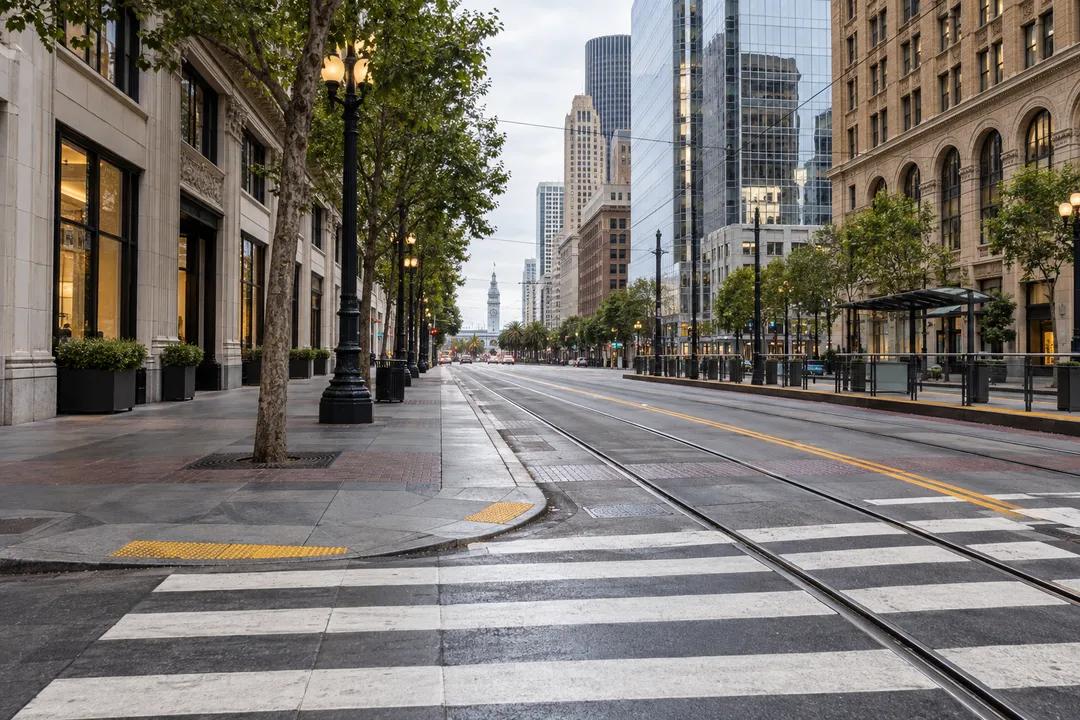
SF Post Work Route Planner: 5 Steps Along Market
Build a lower Market and SoMa stopover around walking limits, crossings and one quick meal, with access needs stated before the route gets too ambitious.
A useful lower Market stopover should make the trip home feel less compressed. It might be one manageable stretch of pavement and a quick meal in SoMa, rather than an evening that sends you searching across downtown. Use a post-work route planner to define the corridor, your access requirements and the point where you will rejoin your commute. The strongest version is modest: a route you can understand before leaving work, with a clear place to stop walking.
Step 1: Name the corridor and its boundaries
"Market and SoMa" covers more ground than a tired commuter usually wants to consider. Put two real anchors into the brief: where you leave work and where you need to reconnect with your homeward trip. A Market Street intersection can be the first anchor, while a selected station entrance or onward stop can be the second. The meal belongs between those anchors or on a short branch that returns to the same corridor without an unnecessary loop.
Draw the boundary with your own effort budget. For example, you might be comfortable with one short walk, need a seat afterward and prefer to avoid adding another transit ride before dinner. Those are three distinct requirements. A planner that sees only "quick bite near Market" may suggest good food in a location that creates exactly the extra movement you hoped to avoid. Describe the journey you will tolerate before describing the cuisine you would enjoy.
Step 2: Turn accessible into specific requirements
Accessibility is personal and depends on the entire journey. State whether you need step-free entrances, a particular surface, room for a mobility aid, a place to sit or a limit on standing. Include how much uninterrupted walking is comfortable for you. A neighborhood label cannot answer those questions, and the presence of a curb ramp in a photograph does not establish a usable route from office to table. Ask the plan to distinguish established access details from details still needing an answer.
For transit, use SFMTA's individual route information and its accessibility guidance for the relevant service. A route map is helpful for orientation, but it does not by itself establish the condition of every stop, station entrance or elevator. If an elevator is essential, a station-level status question matters more than whether two points look adjacent. Keep the operator's specific accessibility information alongside the itinerary so a suggested connection remains tied to the access needs you actually gave.
Avoid a route that relies on a shortcut through an unnamed building, a staircase disguised by a thin map line or a restaurant entrance whose step-free access has not been established. Ask for street-level connections between recognizable intersections. If a restaurant has useful access information, keep it attached to that candidate rather than assuming the neighboring businesses share it. This makes the shortlist honest and gives you a concrete question to resolve before committing to a stopover.
Step 3: Choose crossings before the meal
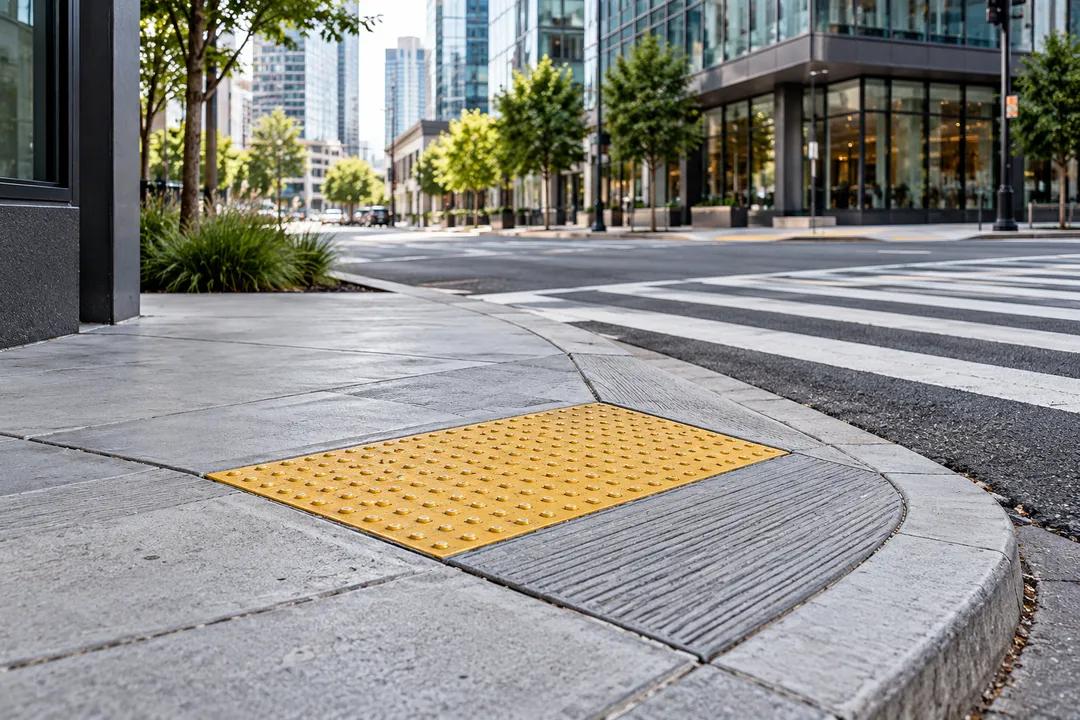
Lower Market contains different directions of travel, intersections and transit activity. Review the route one crossing at a time instead of treating the street as a single uninterrupted promenade. Keep your attention on the pedestrian signals and designated crossings. An extra turn may be worthwhile if it simplifies the approach, but a planner should explain that tradeoff in plain terms. Ask for a route with fewer direction changes when navigation itself is part of the effort you want to reduce.
Then place dinner on the side of the corridor that fits your onward journey. Compare the full approach and departure, not just the distance from your current pin. A meal that is slightly farther from the office can still make more sense if it leaves you facing the connection home. Conversely, a tempting candidate can become the wrong choice when it adds two crossings and a return walk. Let the route decide the search area before the menu decides the destination.
Step 4: Give the food stop a single job
For a short pause, choose whether you want to eat a complete meal, sit with a small bite or collect food to take home. Each requires a different service pattern and a different amount of time. A counter-service venue may suit a direct evening, while a seated restaurant may be worth a longer pause if resting is the point. These are selection criteria. They should not be read as claims that a particular venue has no queue or can serve within a fixed number of minutes.
Tell Karpo your food preferences and the maximum detour you are willing to accept in the Karpo APP. A useful request is: "Help me compare two quick dinner stops between [Market intersection] and [return anchor]. I need [access details], want [meal preference] and would rather shorten the walk than add another stop." Ask for the route reason behind each candidate. A shortlist is easier to act on when it explains the difference between the two choices rather than offering an unranked collection.
Keep order preparation and eating time separate in your own budget. A small order can still involve waiting, and food collected for later is a different plan from a restorative seated break. If you have only a narrow margin, remove the dining-room commitment and keep an easier meal option. The route should remain useful even if the first food candidate turns out to require more time than you want to spend. A single fallback in the same corridor is enough.
Step 5: Return to the commute without rebuilding it
Set the stopover's exit condition before you sit down. That might be a personal leave-by time, a comfortable walking limit or a decision to head directly toward the return anchor after eating. Use whatever you can remember without rereading several paragraphs. Do not assume that a route planner will monitor your progress or notify you when it is time to leave. A reminder you set on your own device is more concrete than an implied background service.
If the route feels harder than expected, drop the optional stroll and preserve the seat or meal you came for. If you decide to stay longer, choose the next onward trip deliberately rather than stretching the original departure assumption. A stopover should be able to change without losing its basic shape. Keep the return anchor visible in your notes, so extending dinner does not also mean finding a new station approach from an unfamiliar block.
Practical notes for the finished corridor plan
The final version should name five things: a precise start, a preferred street sequence, a suitable food stop or search area, your access requirements and an onward anchor. Keep route lengths and meal allowances labeled as planning estimates. Never translate "nearby" into "accessible" without the relevant details. If a proposed path depends on unestablished access, request a simpler alternative or remove that stop. The reward is a small, legible break between work and home that uses your energy where you want to spend it.
Ask Karpo for more information.
Keep reading
- North Beach Tailor Alteration Shop Finder: Inherited Suits
 Hayes Valley Tailor Alteration Shop Finder for Boutique Buys
 Pac Heights Tailor Alteration Shop Finder for Heirloom Gowns