 North Beach Tailor Alteration Shop Finder: Inherited Suits
Neighborhood Guides

SF Neighborhood Itinerary Builder: 3 Stops Within a Budget
Build a San Francisco neighborhood plan around your spending priorities, separating the main purchase, optional treats, and the money reserved for home.
A neighborhood plan stays within your budget when you decide which purchase matters before choosing extra stops. For a San Francisco neighborhood itinerary builder request in the Karpo APP, separate the money for your main activity from optional treats and the amount needed to get home. Then build a three-part outing around those priorities. A spending limit is your instruction for the conversation, not proof that a suggested venue offers a particular price or a free service.
Name the purchase you care about
Start with what would make the afternoon worthwhile. It might be a meal, a small gift, or time spent exploring without buying anything. If the meal is the point, say that other purchases are optional. If you are seeking a gift, describe what sort of object you want and the amount you are willing to allocate to it. The distinction prevents every attractive stop from receiving an equal claim on the same limited budget.
An example opening could be: “Help me shape a San Francisco neighborhood afternoon where food is my only planned purchase. I would enjoy looking at architecture and browsing windows around it. Keep any additional paid activities out of the first version.” This asks for a pattern that fits your priorities without inventing menu prices. Add your actual spending limit only if you want it to guide the recommendations. Numbers you supply are constraints, not published offers or product quotations.
Reserve the journey home first
A total outing budget includes more than the activity that prompted it. Think about the travel arrangement you intend to use and keep the necessary money apart from discretionary spending. This article does not supply fares or parking prices. The practical principle is to avoid treating money needed for departure as available for another purchase. You can enjoy a walk more easily when getting home is already part of the decision rather than a problem left until the end.
Mention that boundary in the conversation if it affects the plan. For example, you may prefer to stay in the area where you arrive rather than add another paid journey between neighborhoods. Or you may want an outing that ends near your chosen departure point. Ask for the reason behind any suggested connection. A recommendation should help you judge whether the extra movement is worthwhile, without being mistaken for a live fare calculation or a promised travel time.
Give the middle of the walk a noncommercial purpose
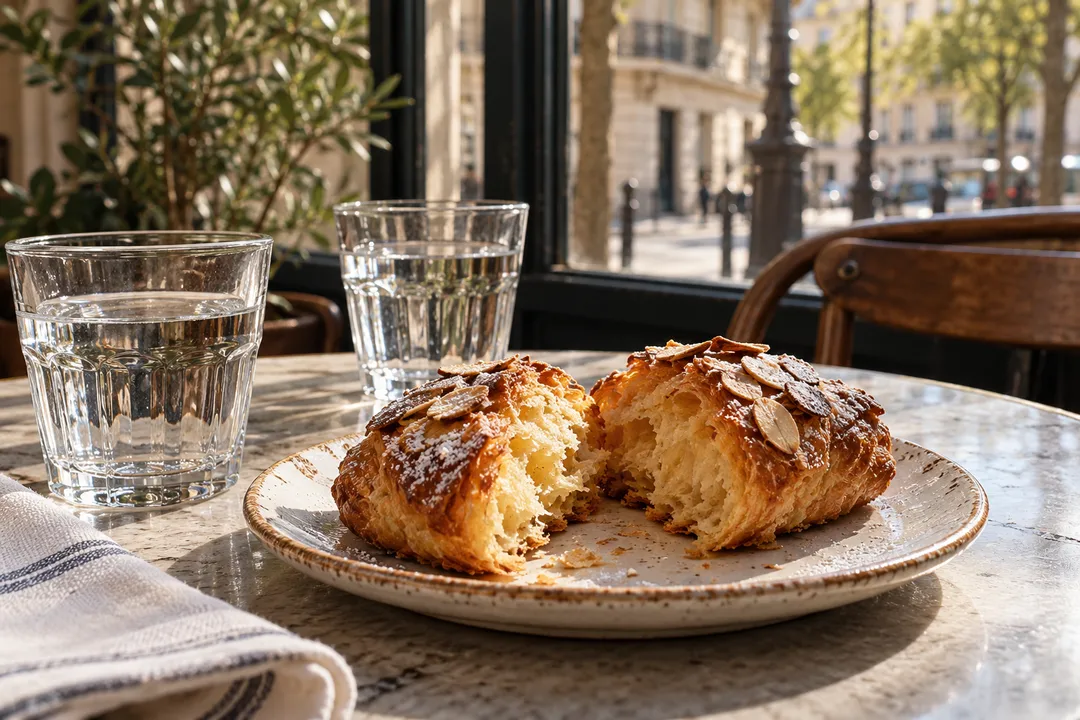
A street can be interesting without serving as a corridor between purchases. Choose something to notice: building materials, planted front gardens seen from public space, or differences in window displays. Your theme gives the walk content even when you decline another cafe or shop. It also keeps “free” from becoming an unsupported claim about a venue. Walking and observing are your own choices, while entry rules for a specific property remain separate facts.
Ask Karpo to suggest a neighborhood direction that matches the theme, then describe the amount of walking you would enjoy. You might want a compact stretch rather than a long circuit. Make that preference explicit. An attractive idea on the other side of a broad area can consume both energy and the travel allowance. Keeping the request local makes it easier to assess a small number of possibilities and preserves money for the part you already decided matters.
Compare a complete version with a smaller one
Request two versions that differ in spending decisions, not merely in the number of places named. One version might contain a meal and an optional drink. A smaller version could keep the meal and make the rest an outdoor browse. You are comparing the shape of the experience. Without supported prices, neither version is a financial quote. Use them to decide which purchases belong in the outing before selecting individual venues or committing to an order.
A useful follow-up is: “Remove the optional drink and keep the part that makes the afternoon feel like an outing.” That instruction forces a meaningful edit. If the answer simply replaces one paid stop with another, explain that the spending decision was the reason for the revision. You can also keep a preferred type of food while changing the amount of time spent browsing. The budget is a boundary for enjoyable choices, not a challenge to fill every minute at minimum cost.
Make shared spending understandable
With a companion, agree whether the budget applies to the whole group or each person. Someone may intend to buy lunch while another has already eaten. One person might welcome an optional treat that the other wants to skip. State those differences without requiring everyone to spend the same amount. A short shared walk and a clearly optional purchase can be more comfortable than a plan that repeatedly puts one person's limit on public display.
If splitting costs would complicate the afternoon, favor separate purchases or an arrangement you have already agreed on. This is a personal planning choice rather than a claim about how a particular business accepts payment. Tell Karpo when you want suggestions that let people choose independently. Do not assume a food hall, counter, or restaurant will have specific prices or seating arrangements merely because its general format sounds suitable. Keep the recommendation and the financial decision distinct.
Handle tempting additions without losing the plan
A display or appealing menu can make an unplanned purchase feel like part of the route. Pause and decide whether it replaces something or adds to the total. Replacing a planned treat may preserve the boundary, while adding another one changes it. Neither choice needs a dramatic explanation. The purpose of deciding beforehand is to make the tradeoff visible when you are interested in something, rather than discovering the accumulated cost after the afternoon ends.
Skip the extra stop when its main appeal is that it happens to be nearby. Convenience alone is not a reason to spend. If you would enjoy remembering the idea, record it for another day and continue. A neighborhood itinerary is not an instruction to consume something at every destination. You may finish with a meal, a walk, and a clearer sense of the area. That can meet the original goal without requiring a final purchase to mark completion.
Practical Notes
Before asking for recommendations, decide what the budget includes, which purchase has priority, and what money is reserved for departure. Mention the difference between a firm cap and a preference to spend less. Leave out a currency figure if it would be only a guess. Ask for a manageable structure and a few relevant possibilities, then keep the commitments you make consistent with the limit you chose. Specific prices belong in the decision only when supported by an appropriate published source.
Karpo's public site presents a conversational way to explore local choices, including a San Francisco city entry. This workflow uses your spending priorities as context and makes no claim of price tracking, automatic cost calculation, or guaranteed discounts. The images are generated illustrations rather than photographs of priced recommendations. Open the Karpo APP with the purchase that matters most and the additions you can happily leave out. Let that hierarchy shape the afternoon from the first stop to the trip home.
Ask Karpo for more information.
Keep reading
- North Beach Tailor Alteration Shop Finder: Inherited Suits
 Hayes Valley Tailor Alteration Shop Finder for Boutique Buys
 Pac Heights Tailor Alteration Shop Finder for Heirloom Gowns