 North Beach Tailor Alteration Shop Finder: Inherited Suits
Neighborhood Guides

SF Neighborhood Itinerary Builder: 3 Solo Afternoon Choices
Plan a solo San Francisco neighborhood afternoon around the kind of company you want, with a browse, a seated break, and room to change your mind.
A solo San Francisco afternoon can be planned around how much interaction you want, rather than how many attractions you can fit in. Tell the Karpo APP whether you want to browse quietly, sit among other people, or spend most of the time outside. A neighborhood itinerary builder request becomes more useful when it separates those preferences. Think of three possible parts: something to explore, somewhere to pause, and a finish that leaves you satisfied rather than overcommitted.
Decide what being alone means today
Solitude and isolation are different experiences. You might want a lively room where nobody expects conversation, or a quiet walk with very little decision-making. Start by naming the atmosphere that would help. “Somewhere with people around, but no organized group activity” is a workable preference. “I want a calm afternoon” is less specific. There is no universally correct version of a solo outing, and you can ask for ideas without making the afternoon into a test of independence.
An opening message could read: “I am spending an afternoon alone in San Francisco. I would enjoy a short browse and a seated food break, with people around but no group tour. Suggest a neighborhood direction that suits that mood.” Add the area you are starting from and the kind of food you enjoy. The request supplies useful context while keeping the outcome open. You are asking for recommendations, not declaring that any particular venue will be quiet or have space for you.
Give the first stop a small job
A first destination can solve the awkward question of where to begin. Choose something you can enjoy without company: looking through a category of books, noticing a material you like, or walking toward an architectural detail. Keep the purpose small enough that reaching it feels worthwhile even if you stop afterward. A solo plan is easier to revise when its first part has its own value. Avoid making the entire afternoon depend on a much later reservation or encounter.
Ask Karpo to suggest a kind of browse that fits your attention. If you like reading but do not want to buy books, say that. If crowded retail rooms make you feel hurried, request an outdoor-focused alternative. These details are more useful than asking for places popular with solo visitors. Popularity says little about whether you will enjoy spending time there. Your own threshold for noise, conversation, and indoor activity should shape the recommendation and your eventual choice.
Choose the kind of table you want
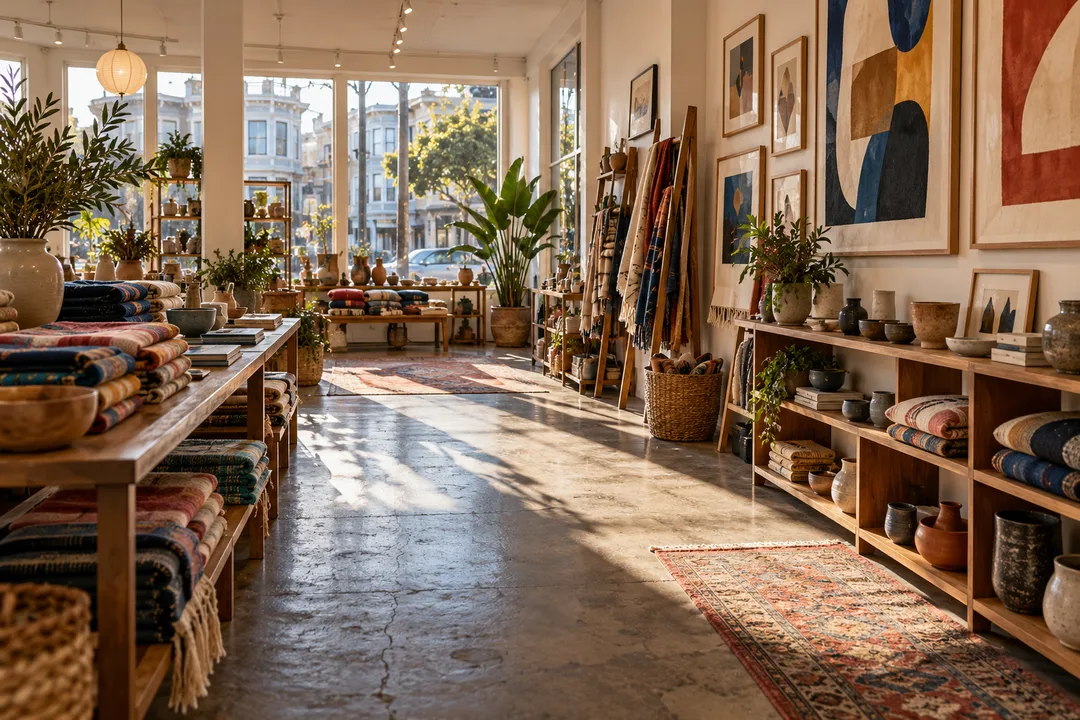
Eating alone can be enjoyable when the setting fits your habits. Some people like reading at a table, others prefer a brief counter meal, and others would rather eat first and walk afterward. Describe the experience you want, rather than assuming one format is always easier for a single diner. Do not infer from a recommendation that a counter seat will be available, that laptops are welcome, or that a restaurant permits a long stay after a small order.
Bring an activity only if it adds to the break. A notebook can give you a place to record a thought, but you do not need to look occupied to justify sitting alone. Consider whether you want to read, watch the street, or simply eat. Tell Karpo that distinction when requesting a food stop. It can make the conversation more focused than asking for a vaguely comfortable cafe. The final choice still belongs to you and the conditions you encounter.
Keep one decision out of the afternoon
Planning every minute can create as much work as choosing everything on the spot. Settle one practical question in advance, such as your general departure direction, and leave an enjoyable question open. You might choose the neighborhood first and decide later whether to add another browse. Or choose your food preference first while leaving the street walk flexible. That balance makes the plan usable without asking it to script every feeling or moment of attention.
If you notice yourself comparing endless recommendations, limit the next request. Try: “Give me two different approaches and explain the tradeoff between them.” One could emphasize an indoor browse and the other more outdoor time. Pick the difference that matters to you rather than collecting another long list. There is no need for a formal scoring system when the choice is mostly about mood. A concise explanation can help you decide and move on with the day.
Leave room for changing your mind
Being on your own makes revision simpler. You can spend longer at the first stop, drop a purchase, or finish earlier without negotiating a group preference. Use that flexibility deliberately. Ask for a plan with an optional final part, so removing it does not leave an essential task undone. If the atmosphere feels wrong when you arrive, you can choose a different kind of activity. A recommendation is a possibility to consider, not an obligation you accepted by reading it.
A useful revision names the reason for the change: “I have had enough indoor browsing. Suggest a simpler outdoor finish in the same general area.” That gives Karpo something concrete to respond to. Avoid requesting a complete replacement of the afternoon when only one part has stopped appealing. Smaller changes preserve the parts that already worked. You can also decide that the seated break was the ending, especially if the remaining stop would be there only to fill time.
Build ordinary personal boundaries into the walk
Keep control of what you share and where you pause to use your phone. Planning a solo outing does not require publishing your live location or posting a detailed schedule. Use an appropriate public place when you need to make a decision, and keep attention on your surroundings while moving. These are general habits, not a safety rating for a neighborhood. No conversational plan can establish that a route or venue will feel comfortable to every person at every time.
If you want a friend to know your plans, arrange that directly with them. Karpo recommendations should not be treated as a monitoring service or a substitute for your own communication. Similarly, choosing a busier setting may match your preference for company without guaranteeing a particular crowd. Describe what you want and make decisions based on what you actually encounter. Leave any recommendation that feels unsuitable, even if it had an appealing description in the planning conversation.
Practical Notes
Write three preferences before you start: the amount of interaction you want, the kind of pause you enjoy, and the main thing you would like to explore. You do not need to provide a detailed personal history. Add practical constraints such as walking comfort or a firm end point where they affect the choices. If spending is limited, distinguish food money from optional purchases. The request will be clearer when each boundary describes a decision you can actually make.
The public Karpo site offers local discovery through conversation and invites users to start with their mood. This article applies that invitation to a solo afternoon without claiming reservations, live crowd information, or a guaranteed route. Its images are generated illustrations, with no named venue depicted. Open the Karpo APP, describe the sort of company and attention you want today, and choose an inviting first part. You can let the rest of the afternoon earn its place as you go.
Ask Karpo for more information.
Keep reading
- North Beach Tailor Alteration Shop Finder: Inherited Suits
 Hayes Valley Tailor Alteration Shop Finder for Boutique Buys
 Pac Heights Tailor Alteration Shop Finder for Heirloom Gowns