 North Beach Tailor Alteration Shop Finder: Inherited Suits
Neighborhood Guides
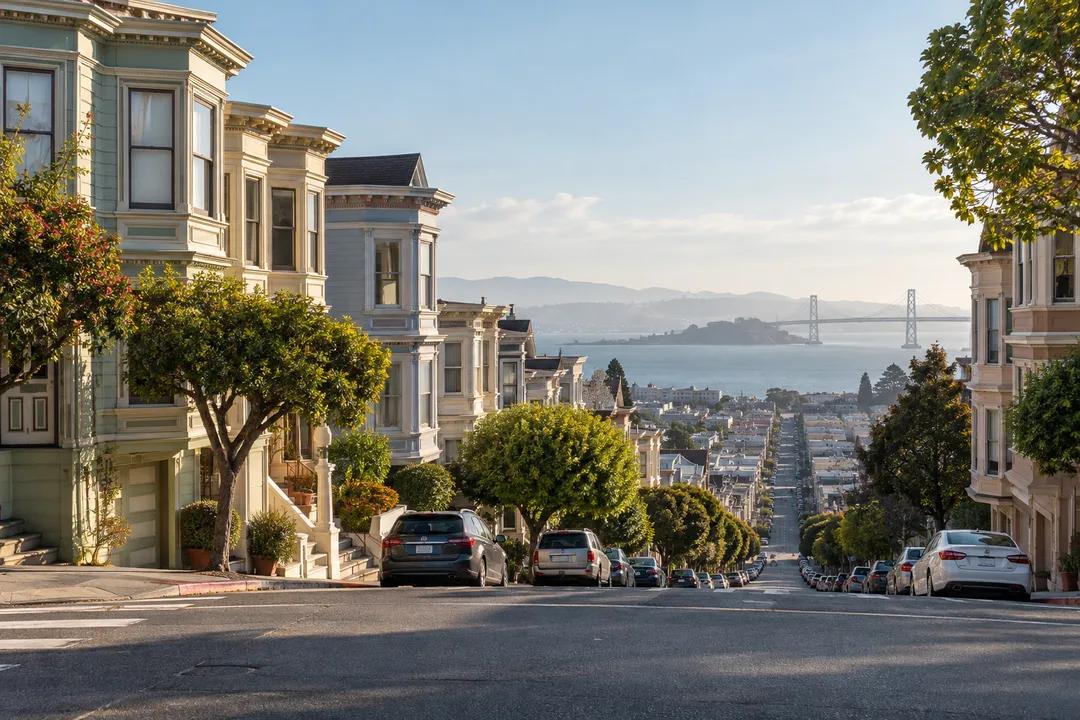
SF Neighborhood Itinerary Builder: 3 Ways to Weigh Hills
Shape a San Francisco neighborhood walk by considering hills, direction, and the trip home, with planning requests that keep comfort ahead of stop counts.
A San Francisco neighborhood walk needs a direction as well as a destination. Use a neighborhood itinerary builder to compare three things before adding stops: where climbing occurs, how often you want to pause, and what the journey home asks of you. In the Karpo APP, describe the effort you want to avoid and the experience you want to keep. A scenic suggestion becomes useful when it fits your actual walking preferences rather than merely looking close on a map.
First, describe effort in everyday language
“Easy walk” can mean a short distance, gentle slopes, frequent seating, or simply a familiar way back. State which version you mean. If uphill sections are what you dislike, say so directly instead of asking only for fewer stops. A compact route can still contain a climb you would rather avoid. Conversely, a slightly longer outing might suit you if its shape and pauses feel more comfortable. The planning request needs that distinction before the recommendations can be useful.
Try: “Help me explore one San Francisco neighborhood without making a hill climb the main activity. I would like interesting streets, a seated pause, and a straightforward finish. Suggest a few local ideas and explain the tradeoffs in direction.” This describes a preference and a comparison task. It does not establish a tested flat route, step-free entrance, pavement condition, or access certification. Those are separate physical details that a general neighborhood suggestion alone cannot prove.
Compare the approach and the departure separately
The way into an area may feel different from the way out. Name where you expect to begin walking and where you want to finish. If you plan to arrive by transit or another form of transport, use that arrival point in the request rather than the neighborhood's center. The final connection should receive equal attention. A plan that saves effort at the beginning but ends with the section you hoped to avoid has not matched the original goal.
Ask Karpo to discuss the proposed order, then look at the actual connections before choosing. You might prefer an outing that progresses toward the departure point or one that stays close to where you arrived. There is no universal winner between those shapes. The important question is what each asks of you at the end, when you have already walked, browsed, stood in a shop, and spent some of the energy you brought to the afternoon.
A shorter list does not automatically mean less effort
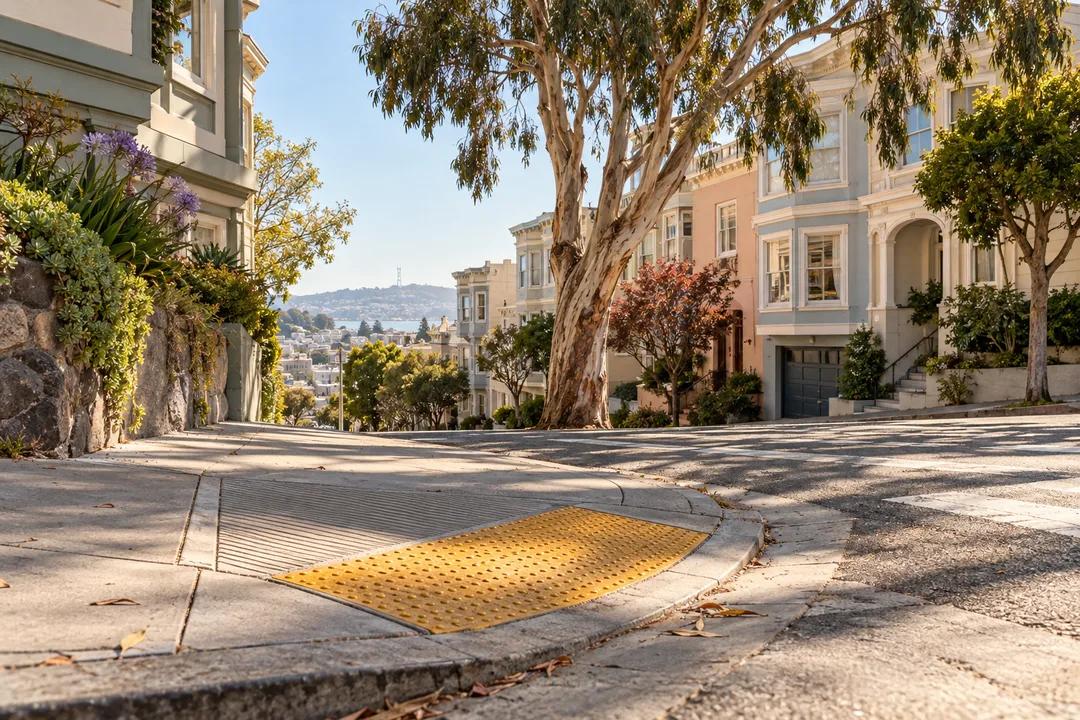
Count the transitions between activities, not just the activities themselves. Two suggestions can still require a substantial connection, while a few ideas in one small area may offer more opportunities to stop. Explain how long you enjoy walking continuously and whether you like browsing pauses. These preferences help distinguish a movement-led outing from one built around a single main visit. Your preferred interval is a planning input, not a measurement of a specific route supplied by this article.
Standing also belongs in the effort conversation. A long browse with nowhere you intend to sit can feel more demanding than expected even when the street distance is modest. If the seated pause is essential, give it priority in the brief. Ask for alternatives that preserve it when another suggestion does not appeal. This is more effective than treating a drink stop as a decorative extra and realizing later that it was the part the group needed most.
Choose the pleasure that justifies going out
A walk with fewer hills should still contain something you want to experience. You might be curious about residential architecture, small shops, a neighborhood atmosphere, or a meal followed by a little exploration. Pick one as the center. If the purpose is vague, it becomes hard to decide whether an extra connection is worthwhile. A clear interest lets you compare the benefit of the detour with the effort it adds, rather than accepting every appealing suggestion as another obligation.
For example, ask for an architecture-focused outing with a seated pause rather than a string of panoramic viewpoints. These are different tasks. A viewpoint may be attractive, but it need not belong in an afternoon built around street-level details. Keep the desired experience visible when refining suggestions. If an option requires more climbing than you want, ask for an alternative that serves the same interest rather than substituting an unrelated activity simply because it sounds easier to reach.
Let the group define comfort before choosing direction
People often agree to a walk while imagining different levels of effort. Ask whether anyone wants to avoid sustained uphill walking, long uninterrupted stretches, or a demanding final connection. A person can express those preferences without explaining private health information. Use the most relevant shared constraint in the planning brief. The conversation becomes simpler when comfort is treated as a design choice for the afternoon, rather than a problem someone has to announce halfway through it.
If individual access needs are central, name the specific requirement in the request. Do not substitute “gentle” for a clearly stated need. A route recommendation, a building entrance, a transit connection, and a place to sit are separate elements. Assess the relevant physical details for the option you actually select. The role of this planning method is to help you ask better questions and compare ideas, while leaving unsupported accessibility labels out of a general neighborhood description.
Give yourself an early finish that still feels complete
Place the main experience before the optional extension. After the browse or meal you came for, you can decide whether another stretch of walking sounds enjoyable. If it does not, finishing there should still feel like a successful outing. Ask Karpo to keep that structure when it suggests a sequence. You are not seeking the maximum possible number of stops. You are arranging the afternoon so its most worthwhile part does not depend on completing everything else.
Skip the final view if reaching it turns the return into work. A beautiful prospect can be saved for a different day with a different arrival plan. This is especially helpful when someone in the group has already had enough walking but feels reluctant to abandon the advertised highlight. Choosing a street-level theme makes it easier to finish naturally. Ask for an optional extension, not a destination presented as the reward everyone must reach to justify the outing.
Practical Notes: three comparisons to request
Send your starting point, preferred finish, date, group size, and main interest. Explain whether climbing, distance, or lack of pauses is the issue you want the plan to address. Request a compact set of local ideas and compare their approach, middle, and departure. Keep the return journey within the same discussion. A suggested order is useful when you can explain why it fits, rather than relying on an unexamined label such as easy or nearby.
Open the Karpo APP with the hill preference stated plainly and ask for ideas that preserve the neighborhood experience you want. You can then narrow the outing to one main visit, one useful pause, and only as much walking as sounds appealing. San Francisco does not need to become a test of endurance to be interesting. The satisfying plan is the one you would choose again, with enough energy left at the finish to enjoy the rest of your day.
Ask Karpo for more information.
Keep reading
- North Beach Tailor Alteration Shop Finder: Inherited Suits
 Hayes Valley Tailor Alteration Shop Finder for Boutique Buys
 Pac Heights Tailor Alteration Shop Finder for Heirloom Gowns