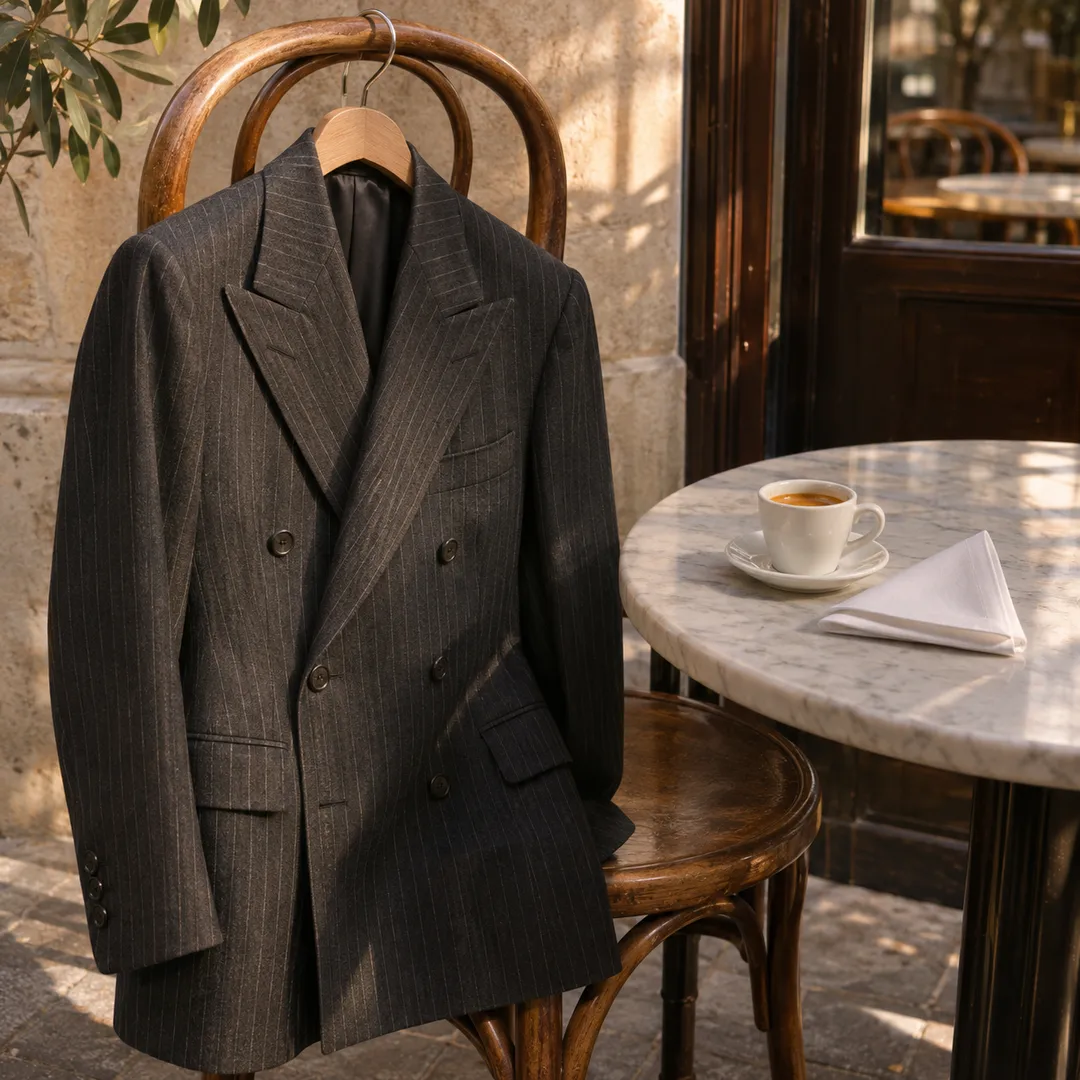
 North Beach Tailor Alteration Shop Finder: Inherited Suits
Neighborhood Guides

SF Neighborhood Audio Walk: Free Chinatown Lantern Route
Follow lantern-lit alleys, historic balconies, and layered street sounds on this self-guided San Francisco Chinatown neighborhood audio walk route.
This Chinatown neighborhood audio walk begins where San Francisco’s steep streets compress into a dense grid of gateways, balconies, and storefronts. The route asks you to listen for transitions: the clatter of dishes behind a window, a bus climbing a grade, or a quiet courtyard hidden behind a public arch. It is a self-guided architecture and atmosphere plan, built for pausing often rather than covering distance as fast as possible.
Grades, Crossings, and Wayfinding
San Francisco’s grades arrive quickly around Chinatown, and a comfortable pace matters more than a fast completion time. The route favors short blocks and clear corners, with regular opportunities to stop beside a wall or railing. Wear shoes that handle slopes and uneven paving, and leave one hand free for a rail when the street rises.
Use the Karpo APP for the ordered stop list and neighborhood prompts, then keep your phone away while walking. It can help you plan the sequence and suggest nearby exploration ideas. It does not provide live turn-by-turn audio synchronization. That limitation is useful because it encourages you to look up at the buildings instead of watching a moving dot.
A Loop That Still Feels Open
Finish near a broad plaza or a quieter side street, then decide whether to continue toward North Beach or descend toward the waterfront. The route works as a ninety-minute sampler or a longer afternoon with pauses. The final lesson is that Chinatown’s architecture is only half the story. The other half is the changing sound of people making a neighborhood work.
Skip any stop that feels too crowded for your group and keep the chapter order for later. A self-guided walk should bend around real life. Save the last few minutes for one unplanned doorway, color, or sound that the route did not name. That is often the detail you remember. Chinatown is also a good test of how a listening route handles interruption. A bell, cart, or burst of conversation can cover a sentence, and that is normal. Pause, step aside, and replay the chapter when the street settles. The route remains coherent because each stop has a visual anchor: a gate, balcony, tile panel, or plaza edge. You never need to memorize every name to feel oriented. For a second visit, start at the quietest lane you remember and let the guide run in reverse order. That small change reveals different connections between the commercial corridor and the residential pockets. The best result is not a perfect recording of the neighborhood. It is a more attentive walk through a place that was already speaking.
Grant Avenue and the First Turn
Beginning at the iconic Dragon Gate at 500 Bush St, Grant Avenue supplies an obvious starting line, but the guide quickly moves your attention above the shop windows. Painted balconies, projecting signs, and rooflines reveal how the neighborhood builds upward on narrow parcels. Stand across the street before moving on. The full facade often appears only when the sidewalk crowd opens a gap. The audio uses those visual pauses as natural chapter breaks.
At the next gateway, listen for how footsteps change from open pavement to a tighter passage. The shift in acoustics is part of the route, not background noise. If a delivery cart blocks the view, let it pass and replay the short description. You will hear more by waiting than by squeezing through.
Alleys, Tile, and Courtyard Light
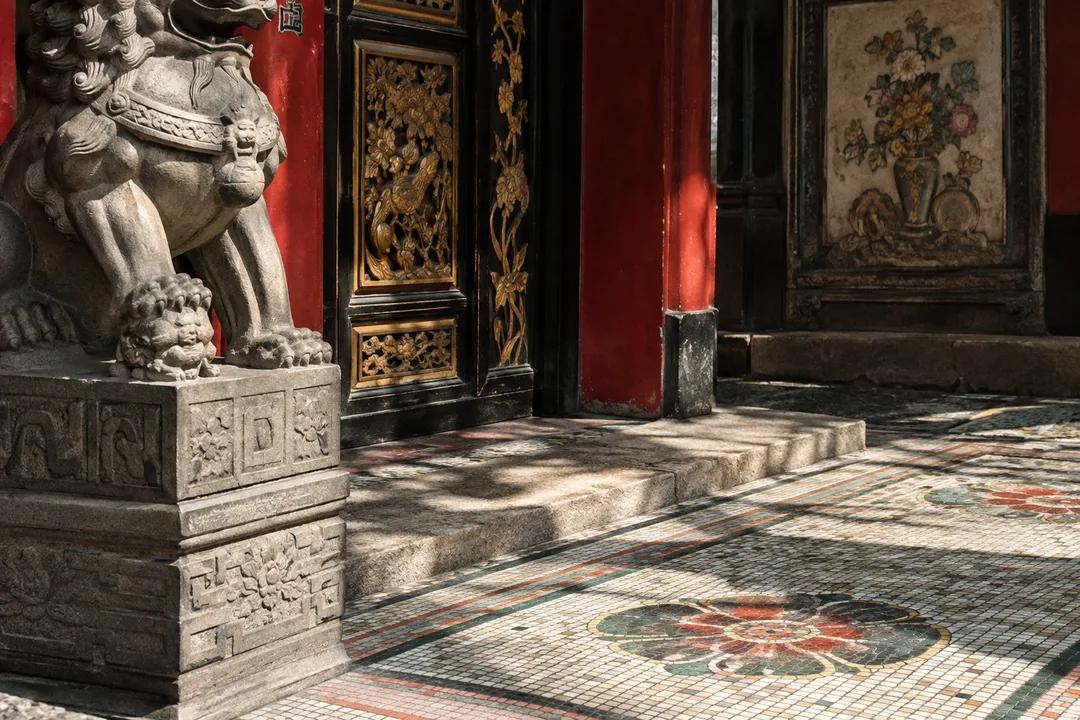
Waverly Place introduces a different pace, passing the historic Tin How Temple at 125 Waverly Pl. The route follows balconies, painted columns, and the small signs that identify temples, associations, and family businesses without turning the walk into a directory. Look for ceramic details around doorways and the way afternoon light lands on upper floors. The guide is strongest when it gives you one visual question at a time.
Ross Alley and nearby lanes reward a slower ear. A narrow corridor can feel loud at one end and hushed at the other, depending on kitchens, fans, and the angle of the buildings. Pause at a wider landing, then continue when the soundscape clears. That rhythm helps a group stay together without forming a wall across the passage.
Markets as Soundmarks
Food markets and bakeries create some of the route’s clearest soundmarks: metal shutters rising, paper bags folding, and short conversations crossing a doorway. The article does not promise specific dishes or prices. Instead, it shows how to use those everyday signals to decide where to linger. If a counter is crowded, carry the route onward and return after the next chapter.
A small snack break fits best in an open public space rather than at a narrow entrance. Keep headphones at a level that lets you hear bikes and carts. The guide’s practical rule is simple: do not stop under a gateway, beside a curb ramp, or where a line needs to turn. That courtesy makes the walk feel native to the neighborhood.
When to Hear the District Clearly
Early morning emphasizes shutters, footsteps, and the first market deliveries. Midday brings the fullest mix of voices and buses, while evening turns lanterns and window light into the visual focus. Pick one mood and accept the tradeoff. This route is not trying to freeze Chinatown into one postcard version of itself.
Rain changes the experience in a useful way. Reflections double the colors on the pavement, but awnings narrow the dry places where you can pause. Keep a compact layer, shorten the loop if surfaces become slick, and resume the narration from the next named landmark rather than forcing a risky shortcut. A useful group rule is to nominate one person as the pause caller. They can signal when a doorway is crowded or a chapter deserves a replay, while everyone else stays present. This prevents the familiar problem of a walking tour becoming a cluster around a screen. When the route ends, share the detail each person noticed first. Different observations are part of the neighborhood’s depth. Use the route as a conversation starter rather than a test. Ask who noticed the first balcony, which color repeated across the lanes, or where the sound became unexpectedly soft. Those questions keep the experience grounded in what is present. If a public event changes the flow, accept the new path and rejoin the next chapter at its visual anchor. The final practical tip is to keep your route line porous. A short detour for shade, a restroom, or a conversation is part of a humane walk. Return at the next gate and the narrative will still be waiting.
Ask Karpo for more information.
Keep reading
- North Beach Tailor Alteration Shop Finder: Inherited Suits
 Hayes Valley Tailor Alteration Shop Finder for Boutique Buys
 Pac Heights Tailor Alteration Shop Finder for Heirloom Gowns