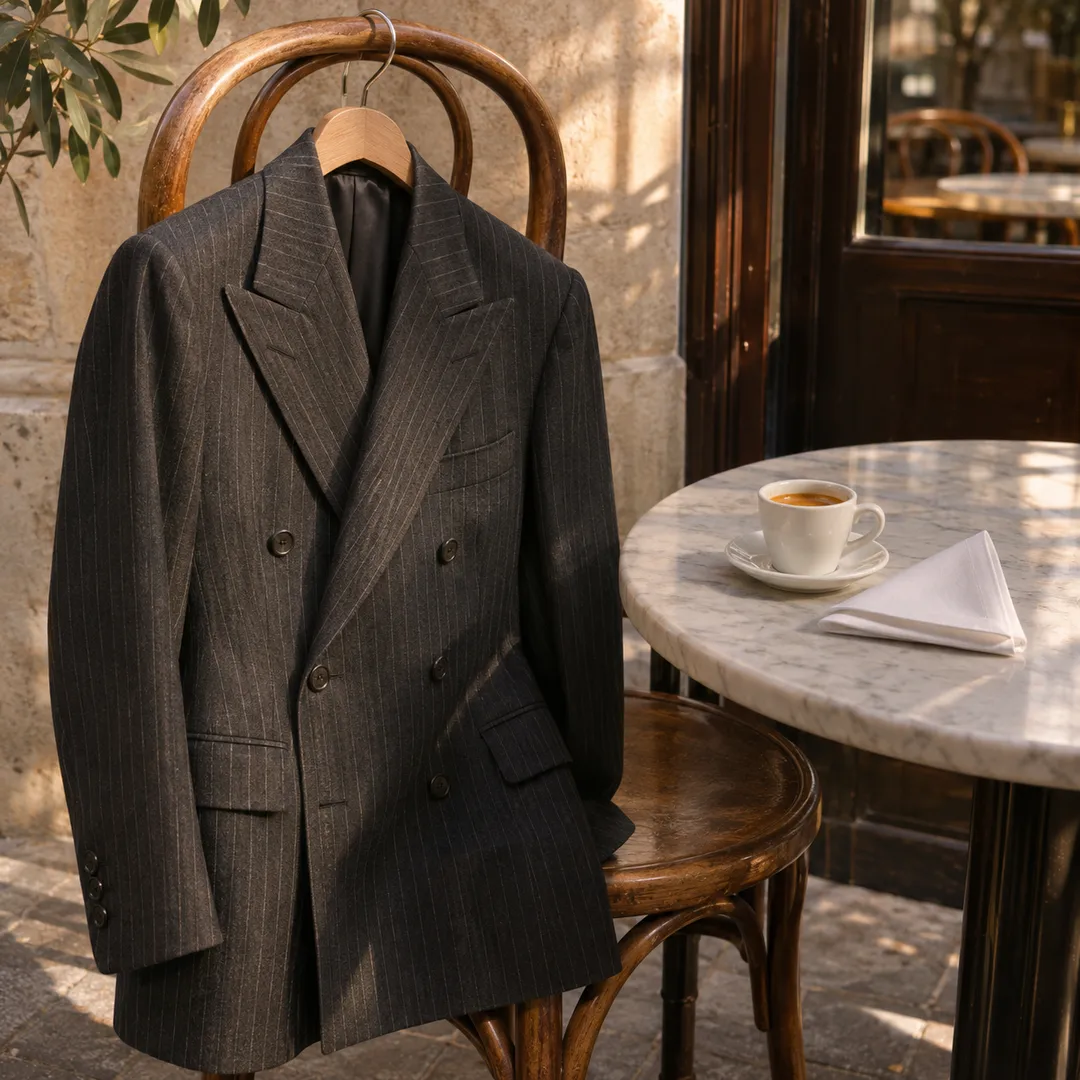
 North Beach Tailor Alteration Shop Finder: Inherited Suits
Neighborhood Guides

Layover City Walk Planner: Chinatown Alleys, Tea, Dim Sum
Chinatown fits a shorter SFO layover: start at the Dragon Gate, slip into Waverly Place and Ross Alley, taste tea and dim sum, then rest in Portsmouth Square.
When a layover city walk planner has to squeeze sightseeing into just a few hours, San Francisco's Chinatown is the neighborhood that delivers the most per block. It is one of the oldest Chinese communities in North America, packed into a hillside grid between downtown and North Beach, and its lantern-strung streets, painted alleys and family bakeries sit within easy reach of downtown transit. You can arrive, wander, eat and be heading back to the airport before the afternoon is out.
Why Chinatown Works on a Tight Connection
Density is the key. Within a handful of blocks you will find temples, herbal shops, tea houses, bakeries, a public square and alleys full of stories, so there is no need to cross the city to see something meaningful. The walk is short in distance but rich in detail, which is exactly what a jet-lagged traveler wants. Even if your connection shrinks unexpectedly, you can see a lot in a single slow loop.
The neighborhood is also a working community, not a theme park. Grandparents shop for fresh fish and greens, schoolchildren rush home through the alleys, and mahjong tiles click behind half-open doors. Visit with that in mind: buy something, be patient on crowded sidewalks and avoid photographing people without asking. Treating the place with care makes the experience warmer, because shopkeepers notice visitors who engage rather than simply snap pictures.
From BART to the Dragon Gate
Ride BART from the airport to one of the downtown stations, then walk a few blocks uphill to the Dragon Gate at the southern end of Grant Avenue. The gate, with its green-tiled roof and guardian lions, is the traditional entrance and a natural starting point. Karpo APP can help you choose the most convenient station and sketch the short walk before you land, so you spend less time getting oriented and more time exploring.
Grant Avenue is the most visitor-oriented street, lined with souvenir shops, silk robes and jade trinkets. Walk it once for the atmosphere, but do not linger too long. The real character of the neighborhood lies one block west on Stockton Street and in the narrow alleys that connect the two, where local life carries on with little interest in tourists.
Painted Balconies and Hidden Alleys
Turn onto Waverly Place, often called the street of painted balconies, where brightly colored railings and lanterns decorate the upper floors of old family association buildings. Several of these buildings house small temples on their top floors. Some welcome respectful visitors who climb the stairs quietly, leave a small donation and refrain from photographs inside. Watch for a sign at the door, and if a temple is closed to visitors, admire the balconies from the street instead.
A few steps away, Ross Alley is one of the oldest lanes in the city. It is narrow, slightly gritty and full of history, with murals on the walls and a small fortune cookie bakery where workers fold the warm cookies by hand. Watching them work is a highlight for many visitors, and a bag of fresh cookies makes an easy gift to carry onto a plane. Expect a small crowd in the doorway and wait your turn.
A Tea Tasting and a Dim Sum Stop
Chinatown's tea shops are ideal for a traveler who needs to sit down without committing to a full meal. Several family-run stores invite visitors to taste different teas at a small counter while the staff explain how each was grown and processed. It is relaxing, educational and a natural way to wake up after a long flight. If you buy a tin, choose sealed packaging so it travels well.

For food, the bakeries and dim sum takeout counters along Stockton and the side streets are perfect for a layover. Point to what looks good in the glass case, pay at the counter and eat as you walk or on a bench nearby. Egg tarts, sesame balls and steamed buns are classic choices. Skip the big banquet halls on a short stopover: they are wonderful for leisurely meals but not for travelers watching the clock.
Portsmouth Square and the Edge of North Beach
When you need a rest, head to Portsmouth Square, sometimes called the living room of Chinatown. Elders gather here to play cards and Chinese chess, children run around the playground and office workers from nearby towers eat lunch on the benches. It is a lively, human place to sit for a few minutes and absorb the rhythm of the neighborhood before deciding how far to push your walk.
If you still have time, follow Columbus Avenue north into North Beach, the city's historic Italian quarter, where espresso bars and old bookshops line the streets. The transition from Chinatown's lanterns to Italian cafe awnings happens in just a few blocks and shows how close these communities sit together. On a short layover, though, a quick peek is enough. Save the deeper exploration of North Beach for another visit.
Herbal Shops and Produce Stalls on Stockton
Stockton Street is where neighborhood residents do their daily shopping, and walking it feels like stepping into a busy market town. Herbalists weigh dried roots, mushrooms and seahorses on brass scales behind long wooden counters, while produce stalls overflow with bitter melon, long beans and dragon fruit. Move with the flow of shoppers, keep your bag in front of you and step aside to look. Even if you buy nothing, the sights and smells make this the most vivid stretch of the walk.
Shaping the Walk With Karpo APP
Karpo APP is helpful when you want to make the most of limited time. Share how many hours you have, whether you prefer food, history or shopping, and how much walking feels comfortable after your flight. It can suggest a compact Chinatown sequence and keep your favorite spots saved for easy reference. For questions about a particular shop or temple, speak with the people there directly.
Practical Notes for a Chinatown Layover
Bring small bills, because many bakeries and market stalls prefer cash. Wear comfortable shoes, as the streets climb steeply away from downtown. Sidewalks get crowded at lunchtime, so allow extra minutes for moving between stops. Restrooms are easiest to find in restaurants or larger shops. Above all, set your return alarm with a generous margin and keep your turnaround point close to the train, so that the trip back feels like a calm end to a rewarding detour.
Ask Karpo for more information.
Keep reading
- North Beach Tailor Alteration Shop Finder: Inherited Suits
 Hayes Valley Tailor Alteration Shop Finder for Boutique Buys
 Pac Heights Tailor Alteration Shop Finder for Heirloom Gowns