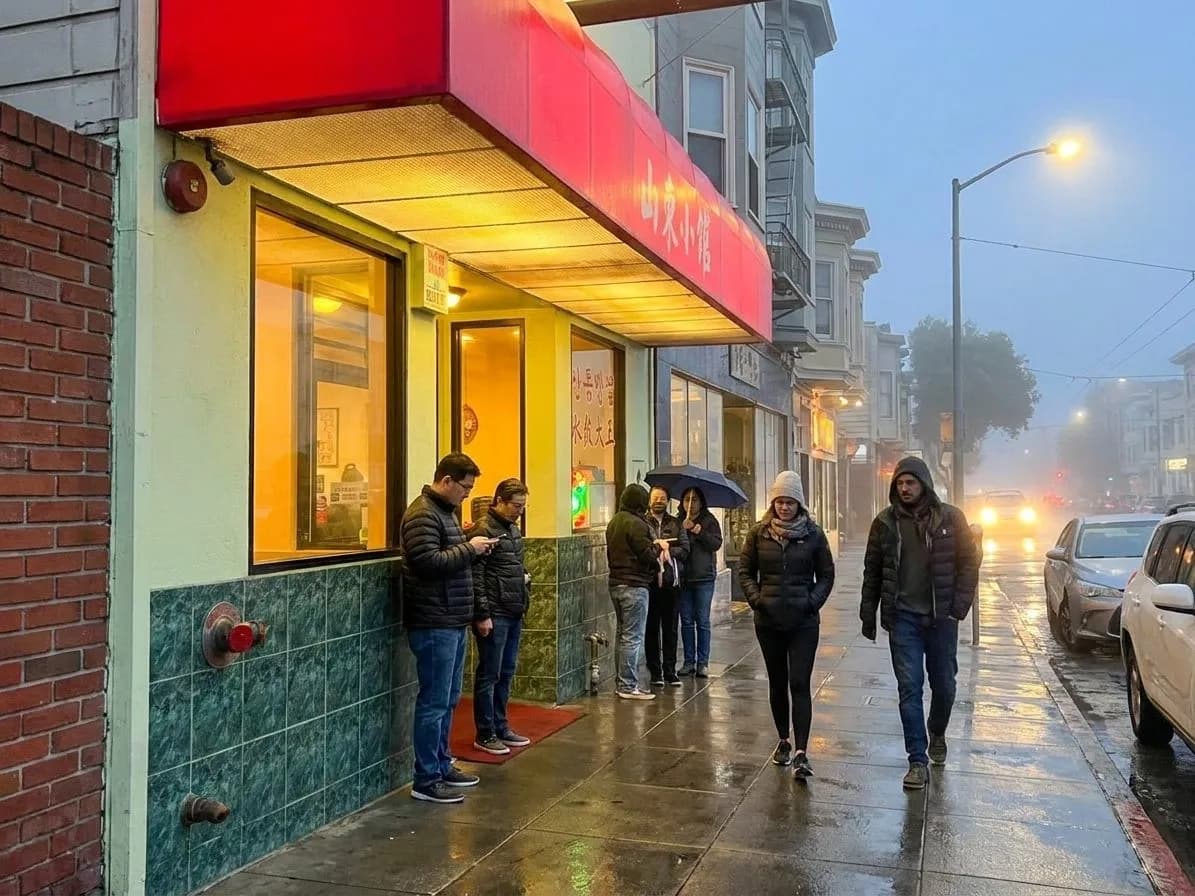
This guide is built for out-of-town guests who need local context, not just a list of famous attractions. San Francisco in late summer means microclimates that swing from sunny to foggy in ten blocks, a public health landscape that shifts with wastewater surveillance data, and a rhythm that mixes outdoor festivals with indoor venues, crowded transit with empty beaches, and dinner reservations that disappear by noon. The useful part of any city plan is not the headline—it's a structure that still works when a venue changes hours, your group wakes up late, or conditions require a last-minute pivot.
Text Karpo what matters most to your group—timing, budget, neighborhood preference, noise tolerance, or accessibility needs—and get a short list of workable choices instead of another browser tab. Karpo narrows the city to options that fit your actual constraints, so you can make a decision and move forward.

National surveillance reported broad growth in COVID infections in August 2024, with wastewater and lineage monitoring drawing renewed attention across California. Conditions can change quickly, so the durable value here is a decision framework for testing, indoor events, transit choices, and conversations with a clinician—not a fixed claim about today's neighborhood risk level. This guide treats public health as one variable in your planning, not a static backdrop.
Start with geography, not a wish list
San Francisco residents regularly move between crowded BART cars, open-plan offices, indoor restaurants, concert venues, and foggy parks in the same day. A useful city guide should help you adjust plans without turning every invitation into a crisis or pretending that public health guidance never changes. For out-of-town guests, the highest-value decision is usually the first one: where your plan begins. Once that anchor is fixed, arrival time, food, transportation, and the backup become much easier to coordinate.
The opposite approach—collecting a long list of possibilities before choosing a neighborhood—creates options without creating a plan. You end up with twenty saved links, no consensus, and a group text that spirals every time someone forwards another article. Instead, use a two-option rule. Pick one primary choice that best matches your group's energy level and risk comfort, and one backup that solves the most likely failure mode. The backup should be close enough to reach without restarting the day, and it should be genuinely acceptable, because a theoretical backup rarely survives real traffic, unexpected weather, or a venue at capacity.
Neighborhood logic and tradeoffs
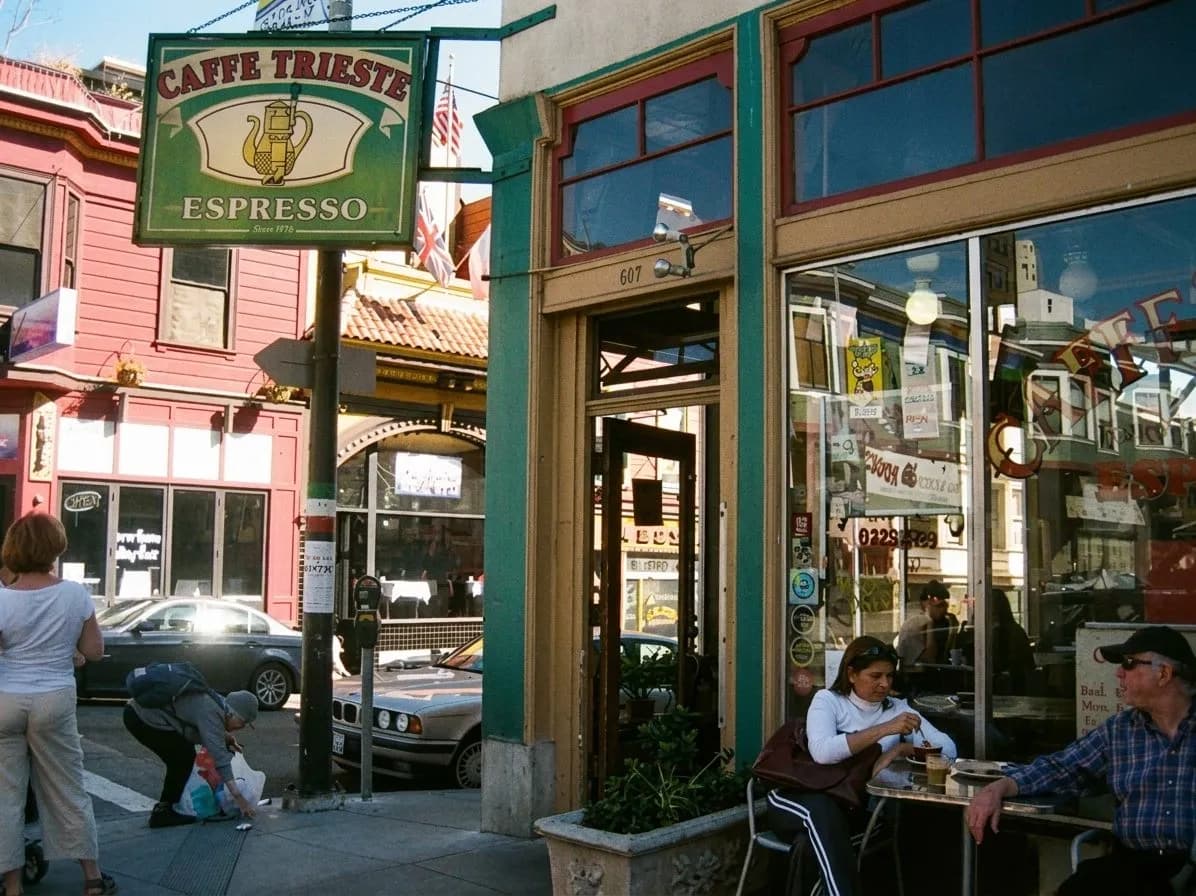
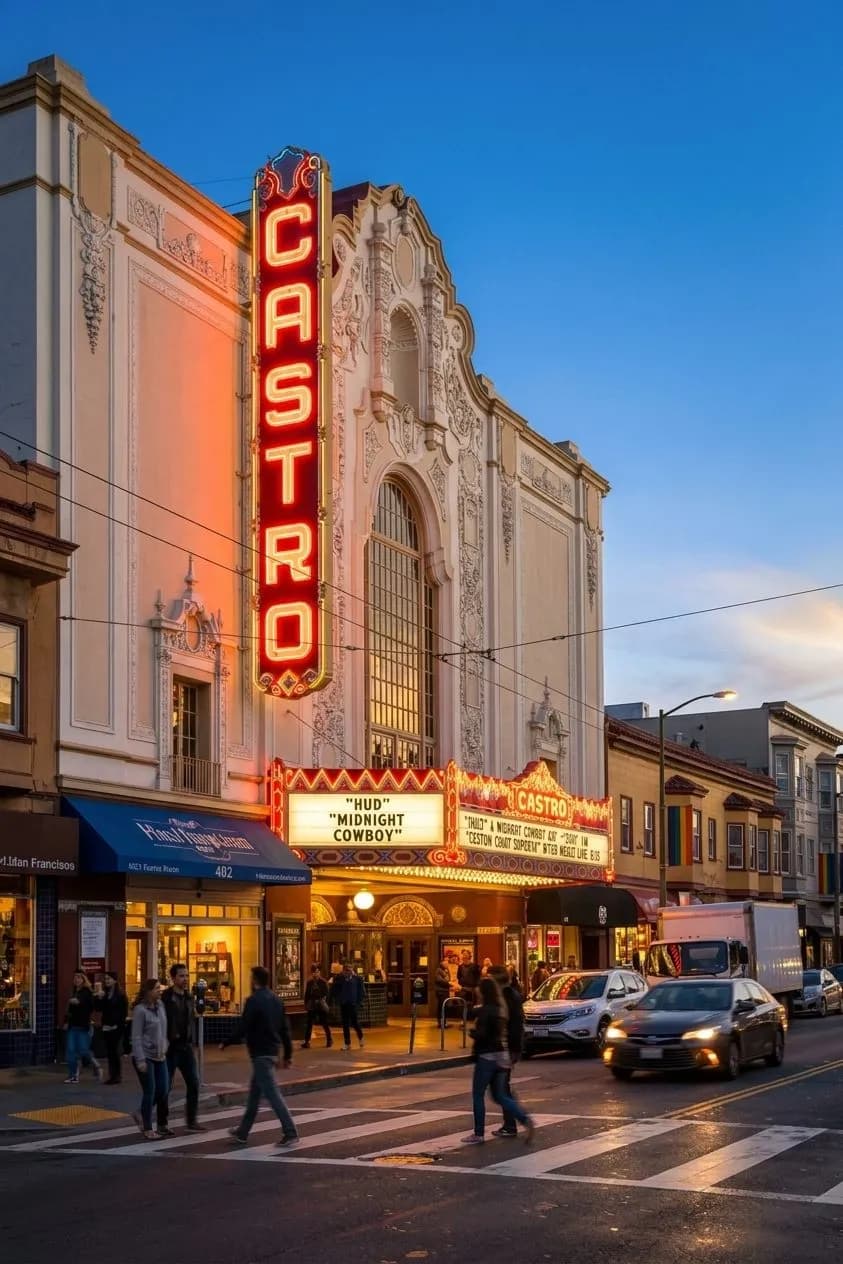
If your group prioritizes outdoor space and flexible timing, consider starting in Golden Gate Park, the Presidio, or along the Embarcadero. These areas offer room to spread out, multiple entry points, and easy pivots if weather or crowd density becomes a problem. The tradeoff is limited food infrastructure and longer transit connections if you need to move indoors quickly. If your group values dense options and the ability to shift between venues on foot, the Mission, Hayes Valley, or North Beach provide tight clusters of restaurants, bars, and cafés with a mix of indoor and outdoor seating. The tradeoff is higher baseline crowding, less open space, and more competition for tables during peak hours.
If your group includes people with different risk tolerances, choose a neighborhood with both indoor and outdoor options within a ten-minute walk, and decide in advance which person makes the final call if conditions change. This is not about consensus—it's about speed. A clear decision-maker prevents the group from standing on a corner debating while the reservation window closes.
What to verify on the day you go
Time-sensitive city guides age quickly. Verify operational details on the day you go, and distinguish an announced schedule from a confirmed reservation, ticket, seat, or updated public health recommendation. Screenshots and old social media posts are useful clues, not guarantees. Before you leave, check current CDC, California Department of Public Health, and San Francisco Department of Public Health guidance. Conditions in late summer can shift based on wastewater data, new variants, or localized outbreaks, and official guidance may update between when you book and when you arrive.
- Use a fresh rapid test according to its instructions if you have symptoms, known exposure, or plan to gather with higher-risk individuals.
- Verify venue hours, reservation policies, and whether outdoor seating is actually available—not just listed—on the day you plan to go.
- Check real-time transit alerts for MUNI, BART, and Caltrain if your plan depends on a specific line or transfer.
- Improve ventilation or move a gathering outdoors when practical, especially for longer indoor meals or events.
- Carry a well-fitting mask for crowded indoor situations if it fits your personal risk plan or if venue policy requires it.
- Contact a qualified clinician for personal medical advice, treatment eligibility, vaccination timing, or urgent symptoms—do not rely on a city guide for clinical decisions.
Build the plan in three chapters
Chapter one is arrival. Decide when the group should actually meet, not merely when the event or reservation begins. Build in buffer time for late trains, parking confusion, or a last-minute test. Give the earliest person a useful task: checking whether the outdoor tables are actually open, confirming the reservation, or finding the correct entrance. That turns waiting time into information for everyone else and prevents the entire group from arriving simultaneously into chaos.
Chapter two is the main experience. Protect it from avoidable friction by agreeing on one communication channel and one decision-maker for last-minute changes. If everyone independently calls venues, checks maps, and forwards updates, the group gets noisier while the information quality gets worse. Consolidate communication and empower one person to make the call if the plan needs to shift.
Chapter three is the exit. Decide in advance whether the group wants food, a walk, a second venue, or a clean trip home. In San Francisco, the post-event move often determines whether the day feels complete or exhausting. A short next step—a nearby café, a ten-minute walk to a park, a quick drink at a quieter bar—is usually better than an ambitious cross-city detour that requires new transit, new parking, and new energy. If someone in your group is managing fatigue, symptoms, or a tight schedule, the exit plan matters more than the headline activity.
What this angle changes
A guide for out-of-town guests navigating late-summer COVID conditions should not pretend that every reader wants the loudest, cheapest, or most famous option. It should make the tradeoffs visible. Comfort can matter more than spectacle. Certainty can matter more than novelty. A ten-minute walk to a backup venue can be more valuable than another five-star listing across town that requires a new plan, new parking, and new risk calculations.
This is not about avoiding San Francisco or treating every gathering as high-risk. It's about building a plan that respects both the city's rhythm and the reality that conditions can change between when you book and when you arrive. The goal is not to prove that you researched every possible option. The goal is to make it easy to say yes, show up, and enjoy the day without turning every decision into a crisis.

Final checklist
- Save one primary choice and one backup in the same neighborhood.
- Decide the actual meeting time, not just the event start time.
- Assign one person to verify the critical detail on the day you go.
- Agree on one communication channel and one decision-maker for changes.
- Plan a short, nearby exit option instead of an ambitious second destination.
- Check current public health guidance and have a plan for testing, masking, or moving outdoors if needed.
- Stop researching once you have a workable plan.
Tags: #san-francisco #late-summer-covid #visitor-planning #neighborhood-guides #public-health #karpo
Sources consulted: CDC COVID-19 Community Levels · California Department of Public Health · San Francisco Department of Public Health
All trademarks are the property of their respective owners.