This guide is built for a first-timer who wants the simplest possible plan. Start with one non-negotiable, then remove every unnecessary decision. The headline may be timely, but the useful part is a plan that still works when a venue changes hours, a schedule moves, or the group chat wakes up late.
Text Karpo what matters most—timing, budget, neighborhood, noise level or accessibility—and use the reply to narrow the city to a small number of workable choices. The goal is not to add more tabs. It's to help you make one good decision and protect it.

National surveillance reported broad growth in infections in August, with wastewater and lineage monitoring drawing renewed attention. Conditions can change quickly, so the durable value is a decision framework for tests, indoor events, transit and conversations with a clinician rather than a fixed claim about today's neighborhood risk.
Start with the city, not the headline
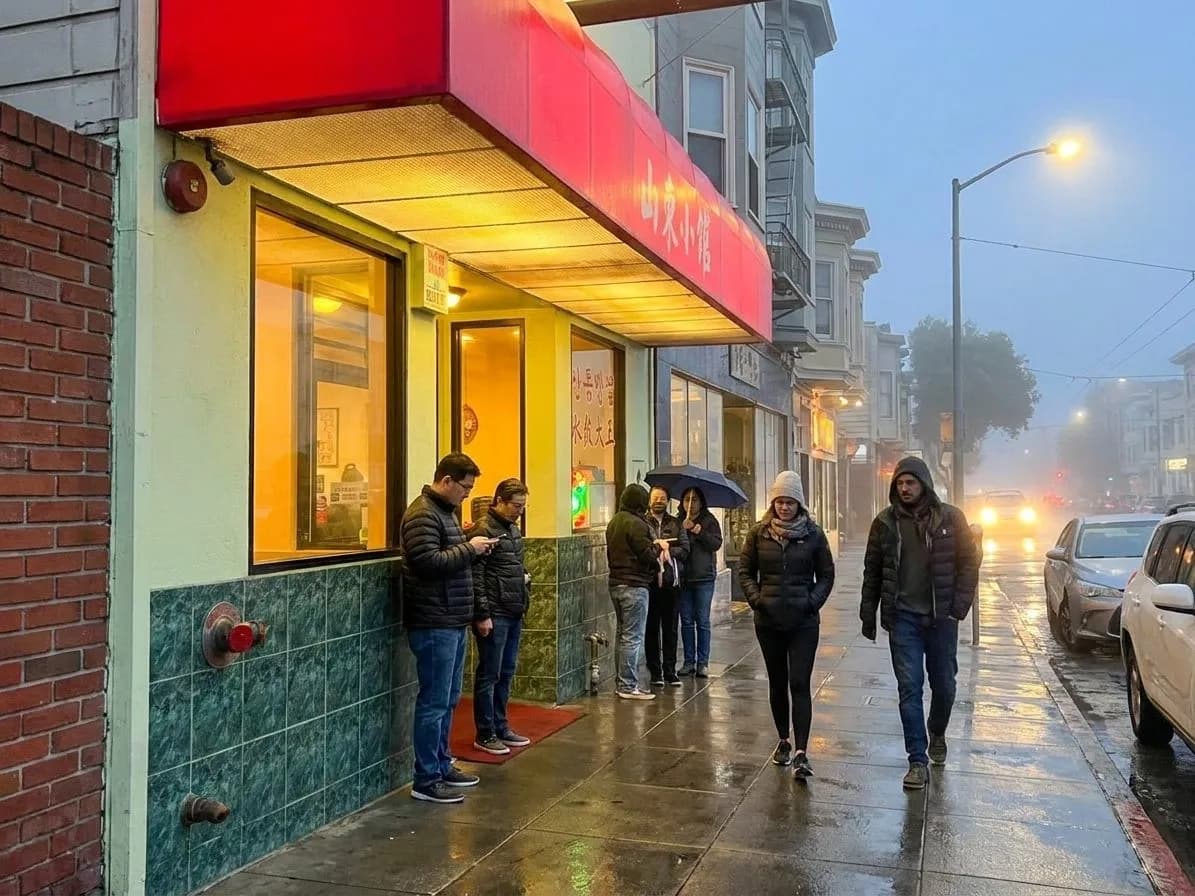
San Francisco residents regularly move between crowded transit, offices, restaurants, concerts and foggy outdoor spaces in the same day. A useful city guide should help readers adjust plans without turning every invitation into a crisis or treating public-health guidance as static.
For a first-timer who wants the simplest possible plan, the highest-value decision is usually the first one: where the plan begins. Once that is fixed, arrival time, food, transportation and the backup become much easier to coordinate. The opposite approach—collecting a long list before choosing a neighborhood—creates options without creating a plan.
Use a two-option rule. Pick one primary choice that best matches the group's energy and one backup that solves the most likely failure mode. The backup should be close enough to use without restarting the day. It should also be genuinely acceptable, because a theoretical backup rarely survives real traffic, weather or a full room.
Neighborhood logic and tradeoffs
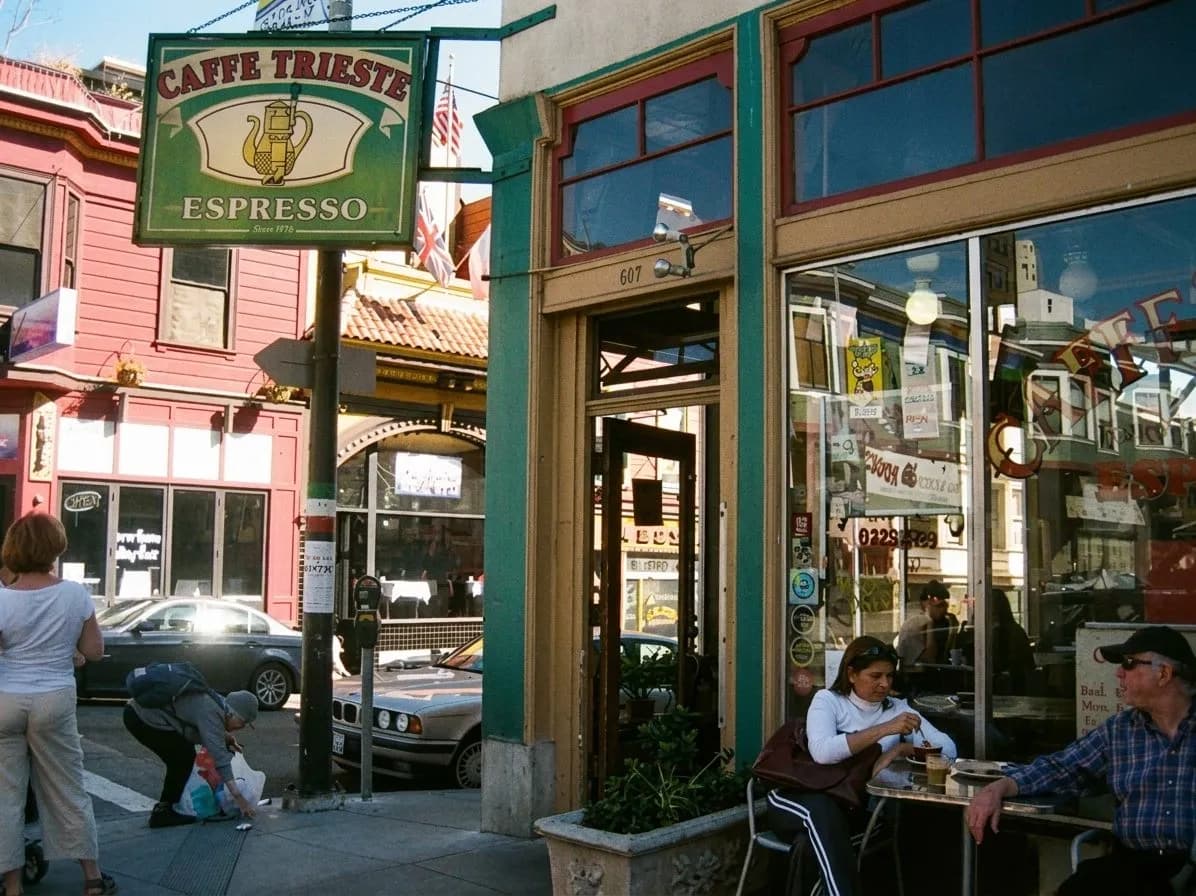
Mission District offers density, food variety, and late hours, but weekend crowds can make indoor spaces feel tight. If ventilation matters, verify whether a venue has open windows, a patio, or published air-quality measures before committing. The backup here should be outdoor: Dolores Park on a clear afternoon, or a walk along Valencia with multiple exit points.
Golden Gate Park and the western neighborhoods trade convenience for space. Arrive early if parking matters. A primary choice might be the de Young Museum or the Japanese Tea Garden; the backup is the park itself, where you can move freely and adjust to weather. Confirm current museum hours and whether advance tickets are required the day you plan to go.
The Embarcadero and Ferry Building work well for groups that want a clear start and end point. The waterfront is open, transit access is direct, and food options span price ranges. The tradeoff is wind. Bring layers even in August. A primary choice might be a specific vendor or seated meal; the backup is the outdoor market and a walk toward Pier 39 or south toward Oracle Park, depending on timing.
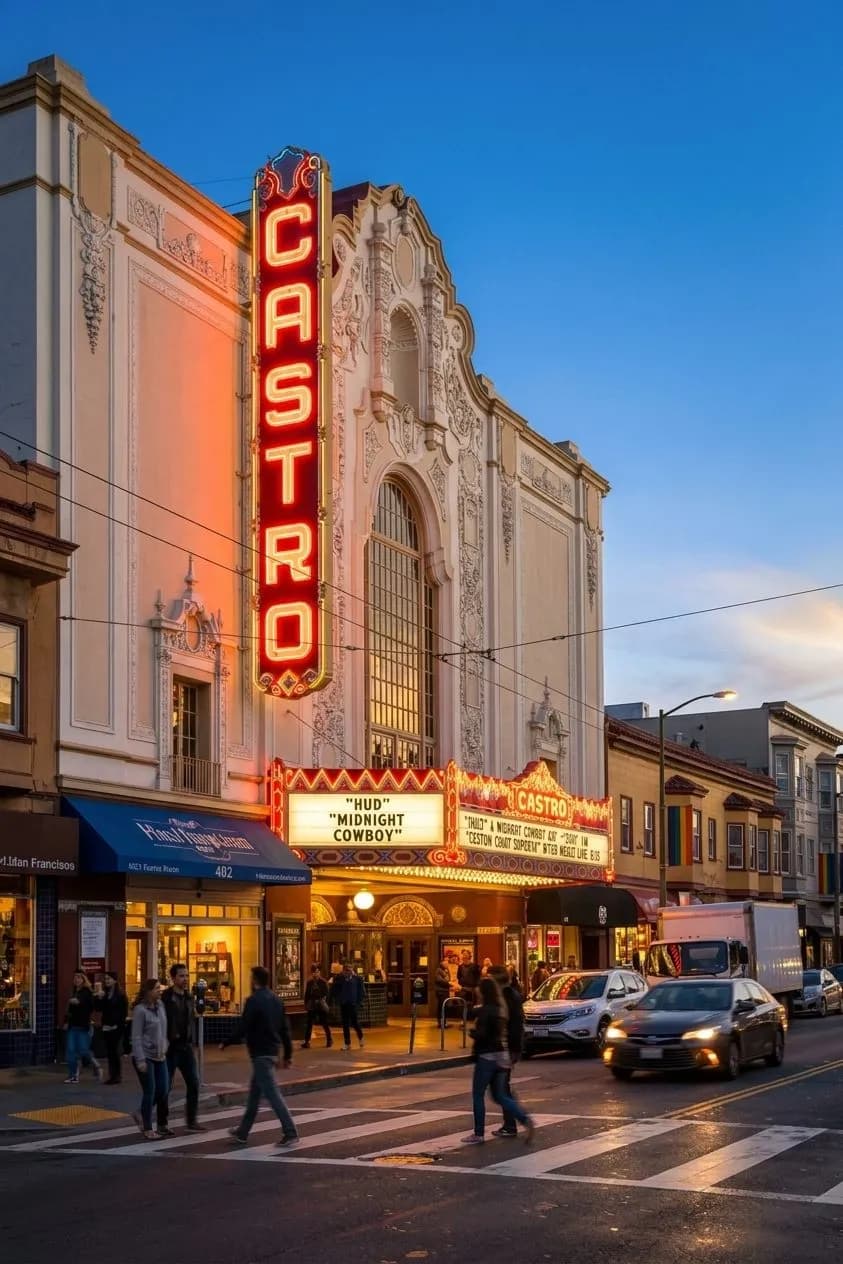
Hayes Valley and the Civic Center corridor offer proximity to cultural venues—the Symphony, Opera, SFJAZZ—but indoor performance spaces require advance verification of current masking policies, vaccination requirements, and whether those policies are enforced at entry. The backup should not be another indoor venue. Plan a walk through Alamo Square or a quick move to a parklet with table service instead.
The verification pass
Time-sensitive city guides age quickly. Verify operational details on the day you go, and distinguish an announced date from a confirmed reservation, ticket, seat, or medical recommendation. Screenshots and old social posts are useful clues, not guarantees.
- Check current CDC, California Department of Public Health, and San Francisco Department of Public Health guidance before acting.
- Use a fresh test according to its instructions when symptoms or known exposure make it relevant.
- Improve ventilation or move a gathering outdoors when practical.
- Carry a well-fitting mask for crowded indoor situations if it fits your risk plan.
- Contact a qualified clinician for personal medical advice, treatment eligibility, or urgent symptoms.
Do not assume that a venue's August policy will match September's, or that a neighborhood's current transmission level will hold through the weekend. The value of this guide is not a snapshot. It is a process for making decisions when the snapshot changes.
Build the plan in three chapters
Chapter one is arrival. Decide when the group should actually meet, not merely when the event begins. Give the earliest person a useful task such as checking the room, confirming the table, or finding the correct entrance. That turns waiting into information for everyone else.
If the plan starts with brunch in the Mission, the first person texts whether there is a wait, whether the parklet is open, and whether the indoor section looks crowded. If the plan starts with a museum, the first person confirms that timed-entry tickets are scanning correctly and that the coat check is staffed. Small details become decision points only when no one checks them early.
Chapter two is the main experience. Protect it from avoidable friction by agreeing on one communication channel and one decision-maker for last-minute changes. If everyone independently calls venues, checks maps, and forwards updates, the group gets noisier while the information gets worse.
Chapter three is the exit. Decide whether the group wants food, a walk, a second venue, or a clean trip home. In San Francisco, the post-event move often determines whether the day feels complete or exhausting. A short next step is usually better than an ambitious cross-city detour.
Start with one non-negotiable, then remove every unnecessary decision.
What this angle changes
A guide for a first-timer who wants the simplest possible plan should not pretend that every reader wants the loudest, cheapest, or most famous option. It should make the tradeoffs visible. Comfort can matter more than spectacle; certainty can matter more than novelty; and a ten-minute walk can be more valuable than another five-star listing across town.
If your group includes someone immunocompromised, someone recovering from a recent infection, or someone who simply prefers outdoor spaces, the primary choice should reflect that without apology. The backup should solve the same constraint, not ignore it. A plan that works for everyone in the group is more useful than a plan that works for an imaginary average.
Save the primary choice, the backup, the arrival time, and the one detail that must be reconfirmed. Then stop researching. The goal is not to prove that you found every possible option. The goal is to make it easy to say yes, show up, and enjoy late-summer planning in San Francisco.


Final checklist
- Pick one neighborhood and one primary venue or activity.
- Pick one backup in the same area that solves the most likely failure.
- Verify hours, reservation requirements, and current health policies on the day you go.
- Set an arrival time that gives the first person a useful task.
- Agree on one communication channel and one decision-maker.
- Plan the exit: food, walk, second stop, or direct route home.
- Carry a mask, a charged phone, and a layer for microclimates.
Tags: #san-francisco #late-summer-covid #first-timer-guide #neighborhood-planning #karpo
Sources consulted: CDC COVID-19 guidance · California Department of Public Health · San Francisco Department of Public Health
All trademarks are the property of their respective owners.