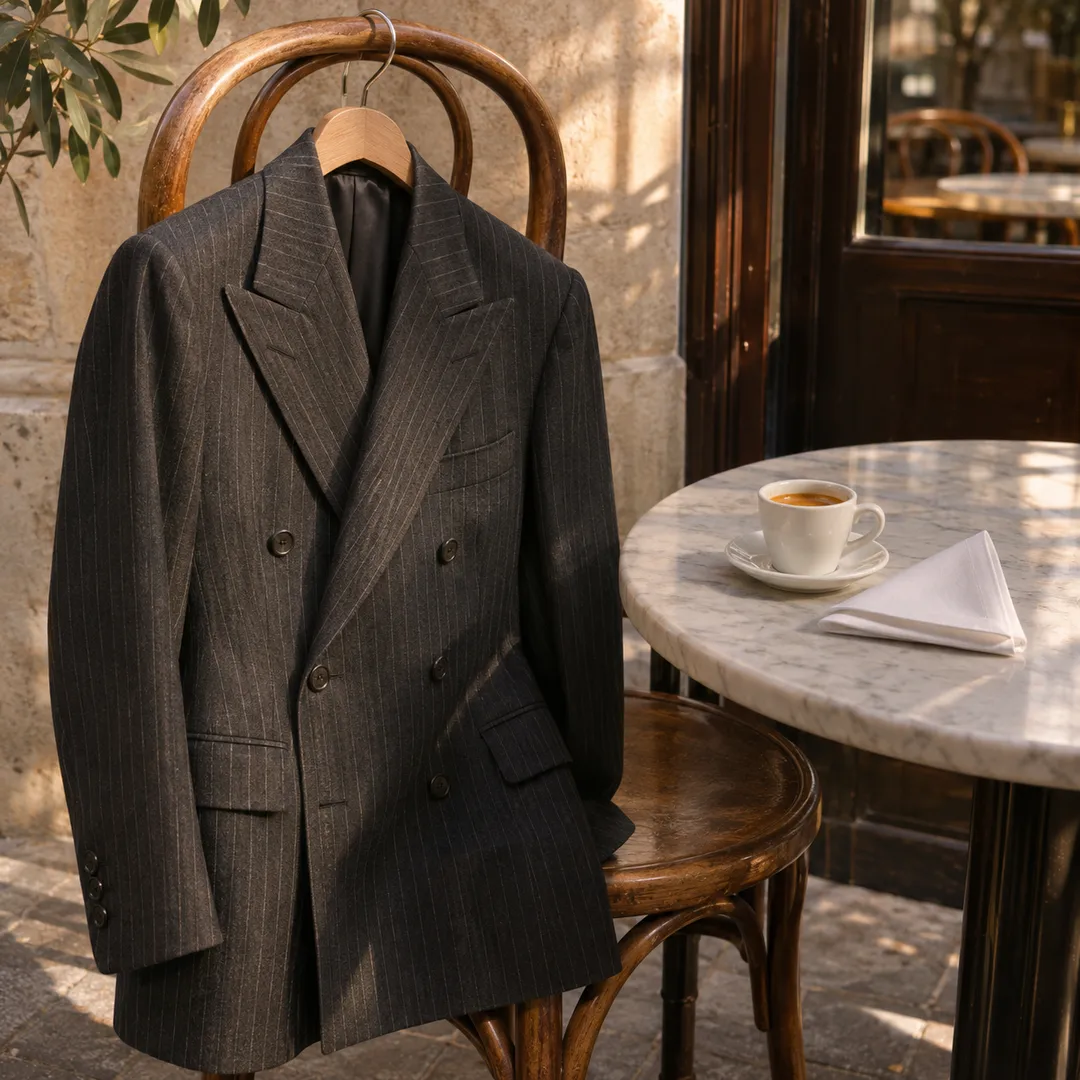
 North Beach Tailor Alteration Shop Finder: Inherited Suits
Neighborhood Guides
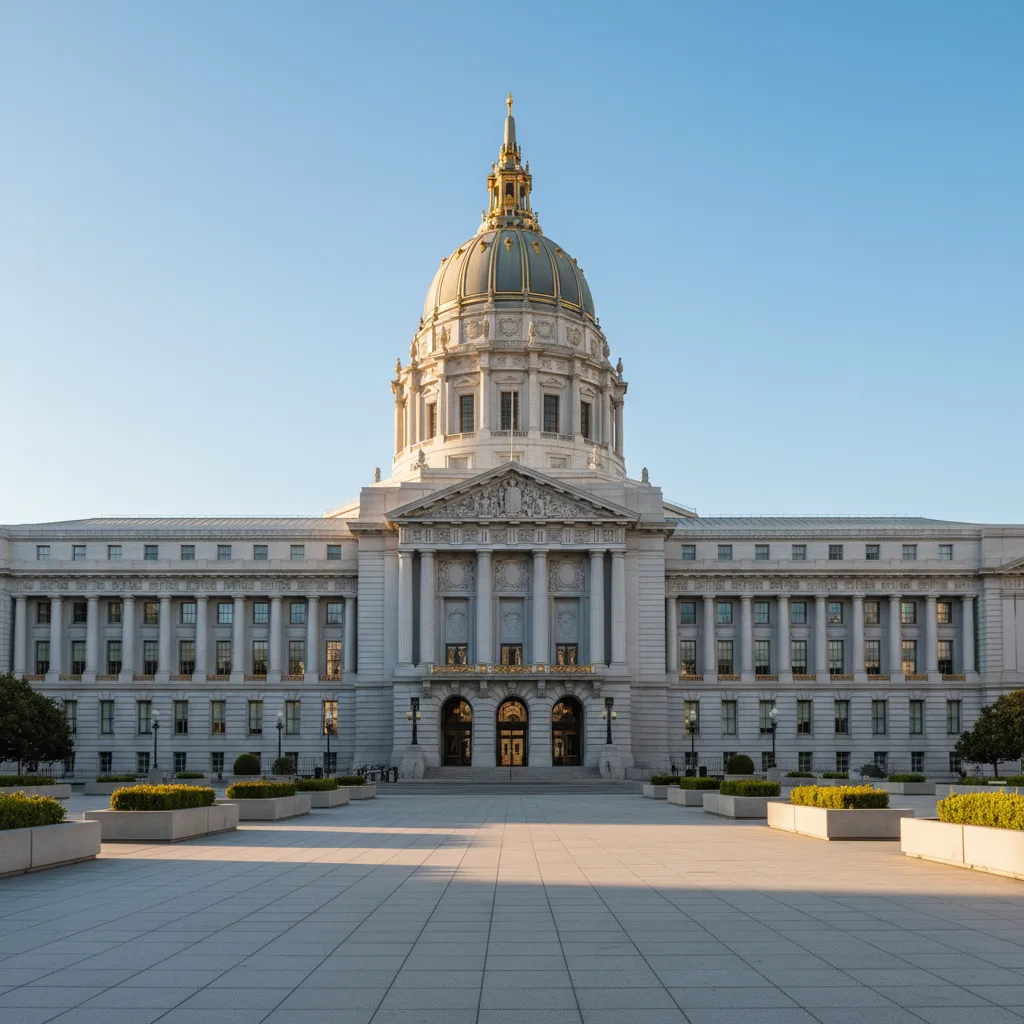
SF Historic Architecture Stroll: Free Beaux-Arts Route
Walk San Francisco Civic Center on this free self-guided historic architecture stroll past City Hall, the War Memorial Opera House, and Beaux-Arts plazas.
Standing in the heart of San Francisco Civic Center places you at the epicenter of early twentieth-century American Beaux-Arts monumental civic design. This self-guided historic architecture stroll traces the monumental civic campus conceived following the devastating 1906 earthquake and fire, reflecting the ambitious City Beautiful movement that sought to inspire civic virtue through harmonious neoclassical order. Along this curated walking corridor, you will encounter soaring gilded domes, monumental granite rustication, stately colonnades, and meticulously preserved cultural institutions that together form one of the most cohesive and celebrated historic government plazas in the United States.
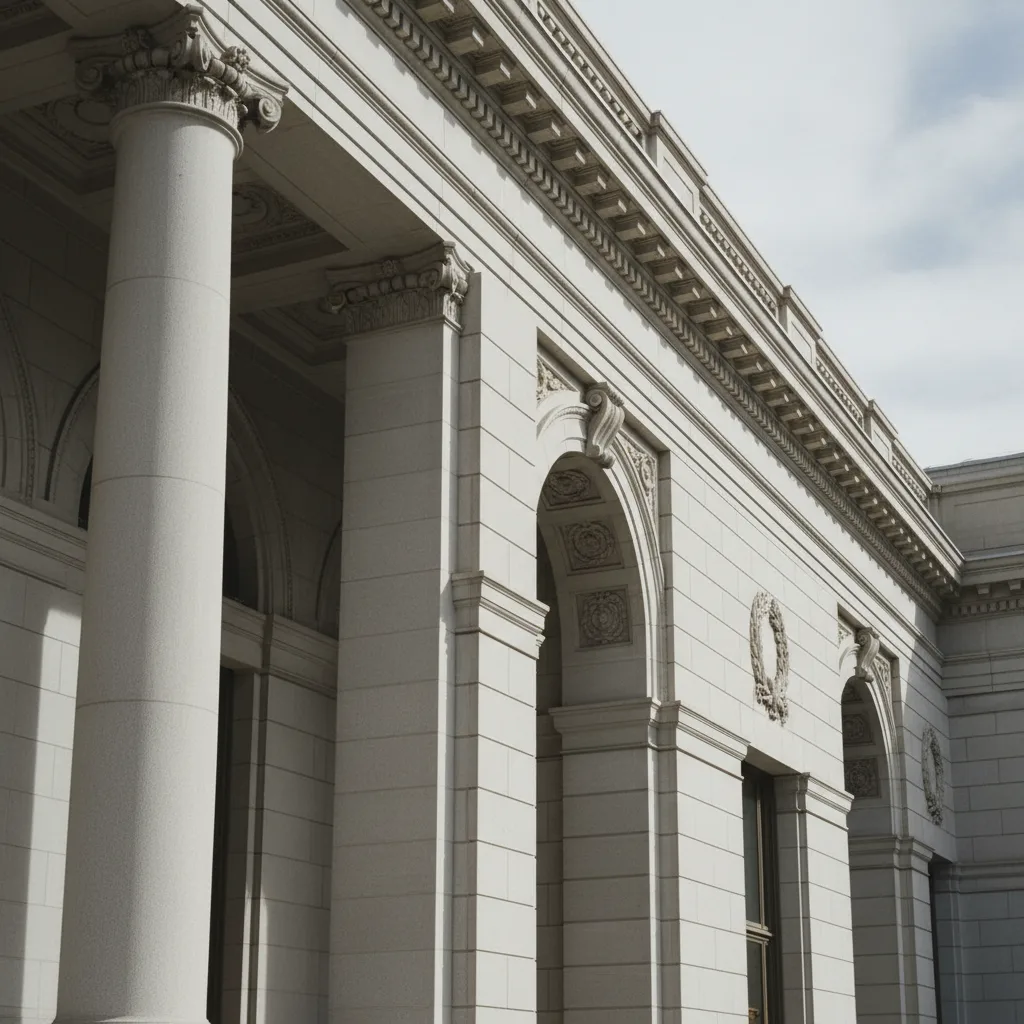
Monolithic Grandeur at San Francisco City Hall
The focal anchor of this architectural route is San Francisco City Hall, located at 1 Dr Carlton B Goodlett Place. Designed by the esteemed architectural firm Bakewell and Brown and dedicated in December 1915 for the Panama-Pacific International Exposition era, this palace of the people replaced the ruined city hall lost in the 1906 disaster. Built with massive California granite quarried in Madera County, the exterior showcases grand Doric and Corinthian colonnades, dramatic pediment carvings, and heroic limestone balustrades spanning its four-story civic perimeter.
Look upward to admire the awe-inspiring central dome, which rises 307 feet into the San Francisco sky, surpassing the United States Capitol dome in Washington by fourteen inches. The dome exterior features intricate ironwork adorned with delicate twenty-three-point-five-karat gold leaf, which shimmers brilliantly in the morning marine light. Notice the classical Roman Baroque detailing, including heroic allegorical urns, arched Diocletian windows, and monumental carved cartouches that celebrate the resilient rebirth of the city from ashes.
Performing Arts Monumentalism along Van Ness Avenue
Crossing Polk Street westward toward Van Ness Avenue brings you before the matching twin classical monuments of the San Francisco War Memorial and Performing Arts Center. Completed in 1932 by lead architects Arthur Brown Jr and G Albert Lansburgh, the complex consists of the War Memorial Opera House at 301 Van Ness Avenue and the Louise M Davies Symphony Hall companion quadrant. Clad in pale blue-gray granite and rusticated limestone, the Opera House facade is framed by heroic rusticated base arches and an exquisite ionic colonnade supporting a deeply modillioned stone cornice.
This neoclassical cultural palace holds profound world historical significance beyond its acoustical brilliance, as the historic United Nations Charter was drafted and signed here during the 1945 San Francisco Conference. Examine the finely wrought bronze entry portals, relief cartouches inscribed with classical civic mottos, and the rhythmic procession of arched French casement windows that lend monumental elegance to this performing arts corridor.
The Stately Symmetry of the Veterans Building and Court of Honor
Positioned directly opposite the Opera House at 401 Van Ness Avenue stands the War Memorial Veterans Building, mirroring the exact scale, proportions, and granite detailing of its sibling auditorium across a central Court of Honor. Arthur Brown Jr deliberately engineered this spatial symmetry to create an enclosed civic courtyard that frames dramatic visual axes looking toward the City Hall dome. The central Memorial Court features stately stone paving, manicured evergreen hedges, and bronze ceremonial lanterns designed in an elegant Beaux-Arts civic vocabulary.
Step onto the central courtyard terrace to observe how the limestone piers and bronze grille motifs transition subtly toward early Art Deco styling while honoring classical discipline. The upper level of the Veterans Building housed the San Francisco Museum of Modern Art during its founding decades, making this physical stone threshold an essential cornerstone in the cultural evolution of Northern California.
Beaux-Arts Public Infrastructure on Fulton Street
Stroll eastward down the Fulton Street pedestrian mall toward the open expanse of Civic Center Plaza. Framing the north and south edges of this pedestrian axis are two distinguished civic landmarks: the classical Asian Art Museum building at 200 Larkin Street, originally designed by George Kelham as the San Francisco Main Public Library in 1917, and the California State Building at 350 McAllister Street. Both structures incorporate matching Sierra white granite, fluted ionic pilasters, and classical inscribed entablatures that reinforce the plaza monumental geometry.
Pause near the central plaza fountain to take in the full three-hundred-and-sixty-degree panorama of City Beautiful civic design. Notice how the heights, cornice lines, and material palettes of surrounding structures were strictly regulated to create an unbroken civic frame. Even the cast-iron Path of Gold street lamps along Market Street, originally sculpted by Arthur Putnam in 1916 with detailed base reliefs of winning the West, harmonize with the monumental granite landscape.
Architectural Highlights and Classical Facade Details
As you circle Civic Center Plaza, look closely at the rhythmic stonework of the Bill Graham Civic Auditorium at 99 Grove Street. Completed in 1915 by architects John Galen Howard, Frederick Meyer, and John Reid Jr, this massive auditorium features colossal stone piers, decorative swags, and monumental arched entrances that echoed the grand exhibition halls of Paris and Rome. The uniform cornice lines create a powerful visual horizontal datum that anchors the entire multi-block civic sanctuary.
Every pediment and frieze across this district was deliberate, planned by the 1912 Consulting Board of Architects to establish an eternal symbol of civic authority and cultural aspiration. The play of ocean light against California granite creates ever-shifting textures of shadow and reflection, rewarding architecture enthusiasts who observe the classical dentils, egg-and-dart moldings, and sculpted mythological figures crowning the monumental parapets.
Transit Logistics and Practical Architecture Stroll Notes
This self-guided historic architecture stroll covers approximately one point two miles of level paved sidewalks and pedestrian plazas, requiring about sixty to seventy-five minutes to explore thoroughly at an appreciative walking pace. For ideal architectural photography without glare or vehicular shadows, schedule your walk between nine and eleven in the morning on a weekend, when Civic Center Plaza is peaceful and low-angled morning sunlight illuminates the eastern granite facades.
Transit connections to the starting point are exceptionally convenient: ride BART or Muni Metro to Civic Center / UN Plaza Station and walk two blocks west along Fulton Street directly to City Hall. Numerous Muni bus lines including the 5, 21, and 49 stop along the perimeter of the plaza. Karpo supports your self-guided exploration in the Karpo APP, spotlighting San Francisco monumental Beaux-Arts civic monuments and granite colonnades.
Ask Karpo for more information.
Keep reading
- North Beach Tailor Alteration Shop Finder: Inherited Suits
 Hayes Valley Tailor Alteration Shop Finder for Boutique Buys
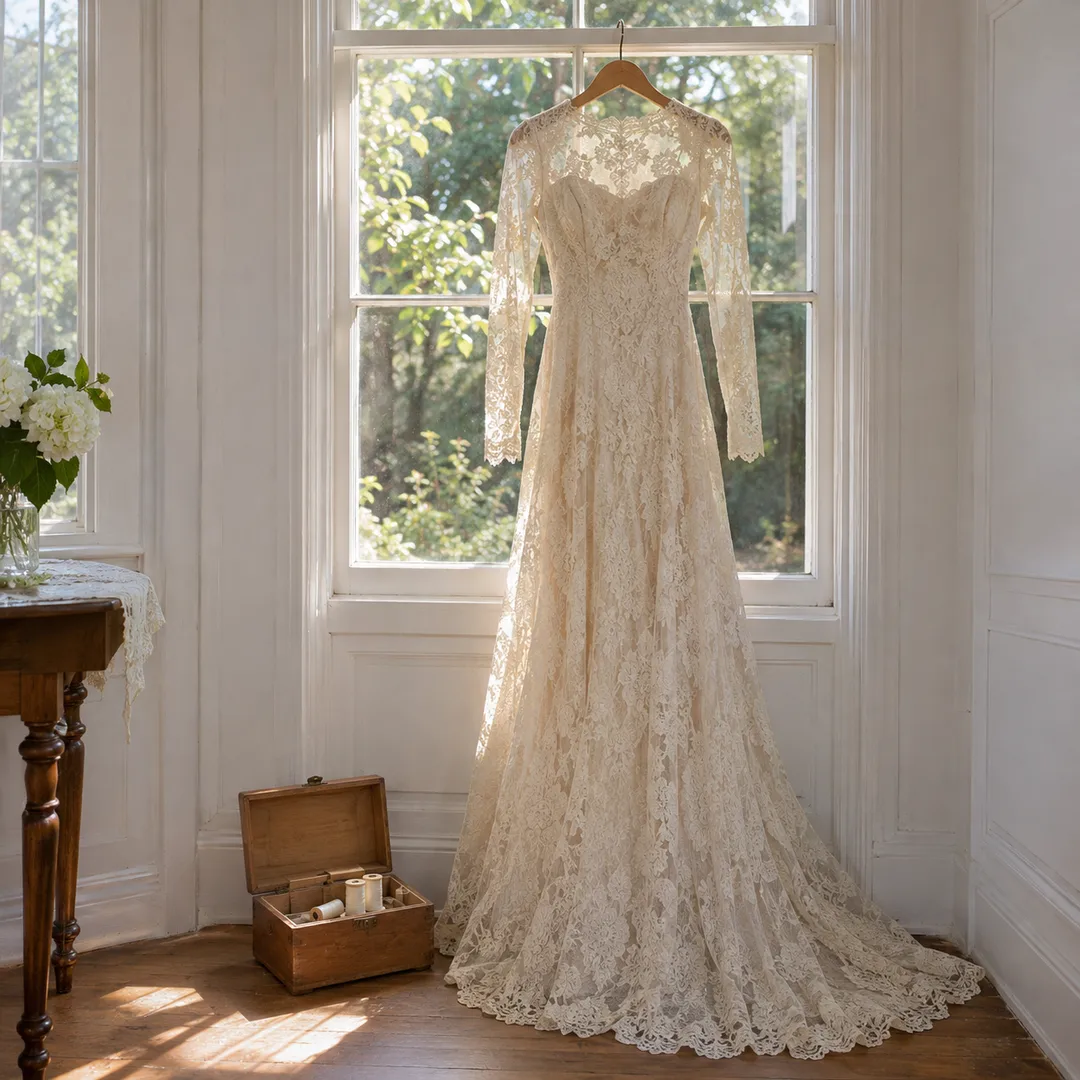 Pac Heights Tailor Alteration Shop Finder for Heirloom Gowns