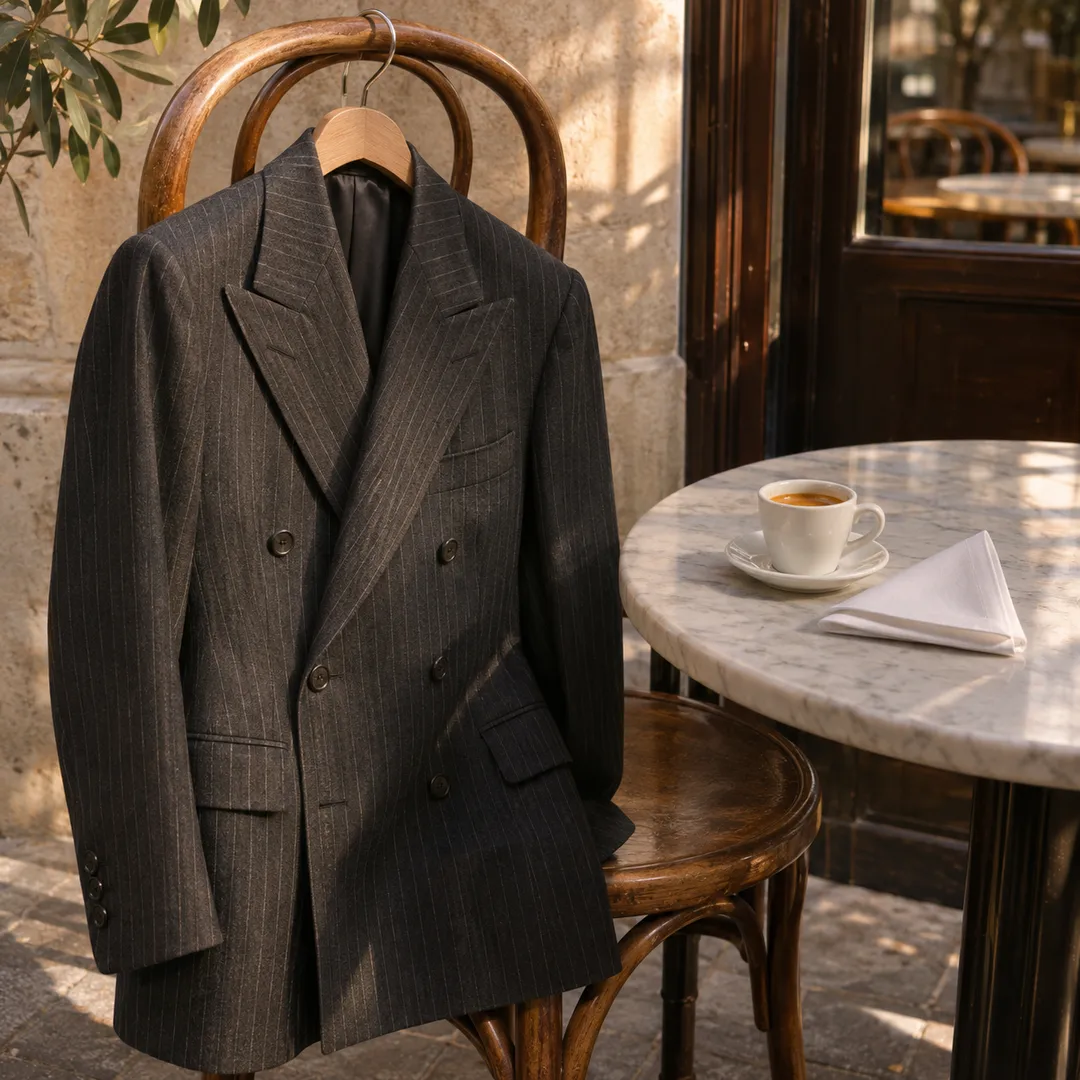
 North Beach Tailor Alteration Shop Finder: Inherited Suits
Neighborhood Guides
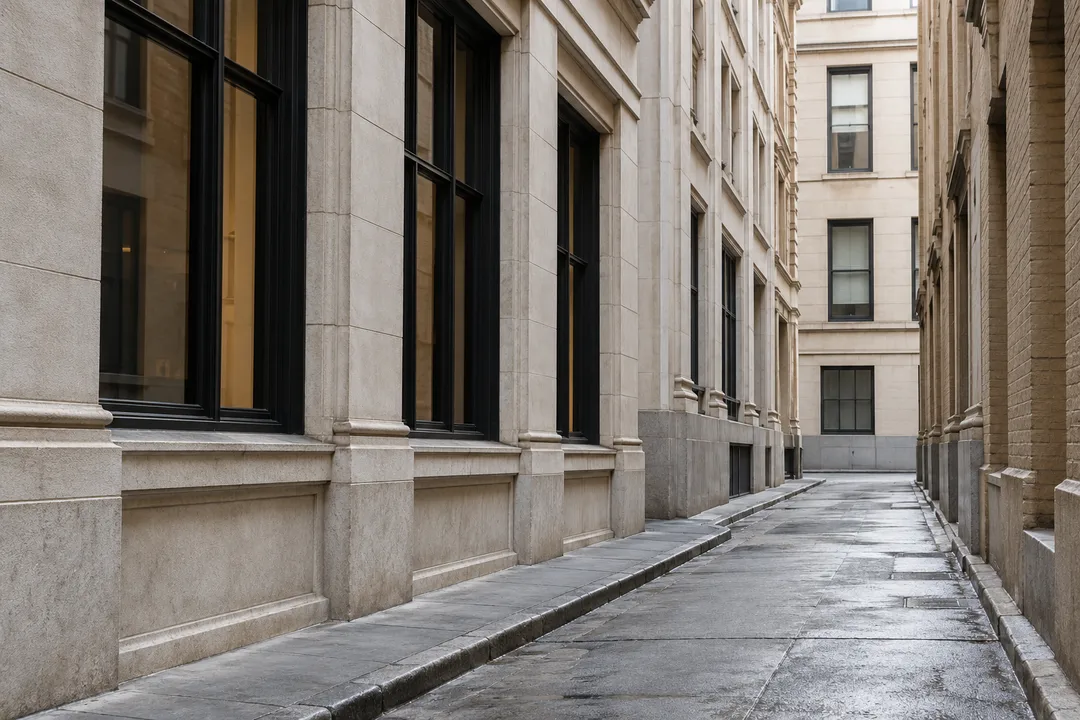
SF Historic Alleyway Walk Planner: 2 Blocks by the Square
Maiden Lane links Stockton Street and Grant Avenue beside Union Square. Make a short architectural walk with an easy meeting point and a clear finish.
Maiden Lane connects Stockton Street with Grant Avenue beside Union Square. That simple link makes it a useful historic alleyway walk for a break between other plans. This planner is for a compact outing: arrive together, walk the lane with an architectural question in mind and finish on the side that serves your next destination. It is not a shopping assignment. You can enjoy the proportions of the street and the contrast with the square without entering a business or committing to a larger downtown circuit.
Solve the meeting problem first
A small lane is an appealing place to meet, but an imprecise invitation can still leave friends looking for each other. Choose the Stockton end or the Grant end in advance. Use the street name in your message, and agree on what happens if somebody is late. For example, the first arrivals can wait at the selected junction without beginning the walk. That is a group arrangement you control, rather than a promise about a particular seat or indoor waiting area being available when you arrive.
If your party arrives by different routes, make the meeting point serve the person with the least flexible arrival. Someone coming from a fixed appointment should not have to negotiate a sequence of moving location updates. The others can spend their spare time elsewhere and return to the agreed junction. This is a better use of a short lane than having everybody hover at a doorway. Once the full group is together, take a moment to decide whether the walk is a pause or the start of a longer afternoon.
Walk the connection before choosing a detour
The Union Square Foundation describes Maiden Lane as a backstreet link between Stockton and Grant. Use that clear geography as your route. Walk through once before deciding whether you want another pass. A map can make two blocks look like a trivial distance, but the point is not to cover ground quickly. You are making room to observe the street within a busy day. If one person wants to hurry and another wants photographs, agree where you will regroup at the other end.
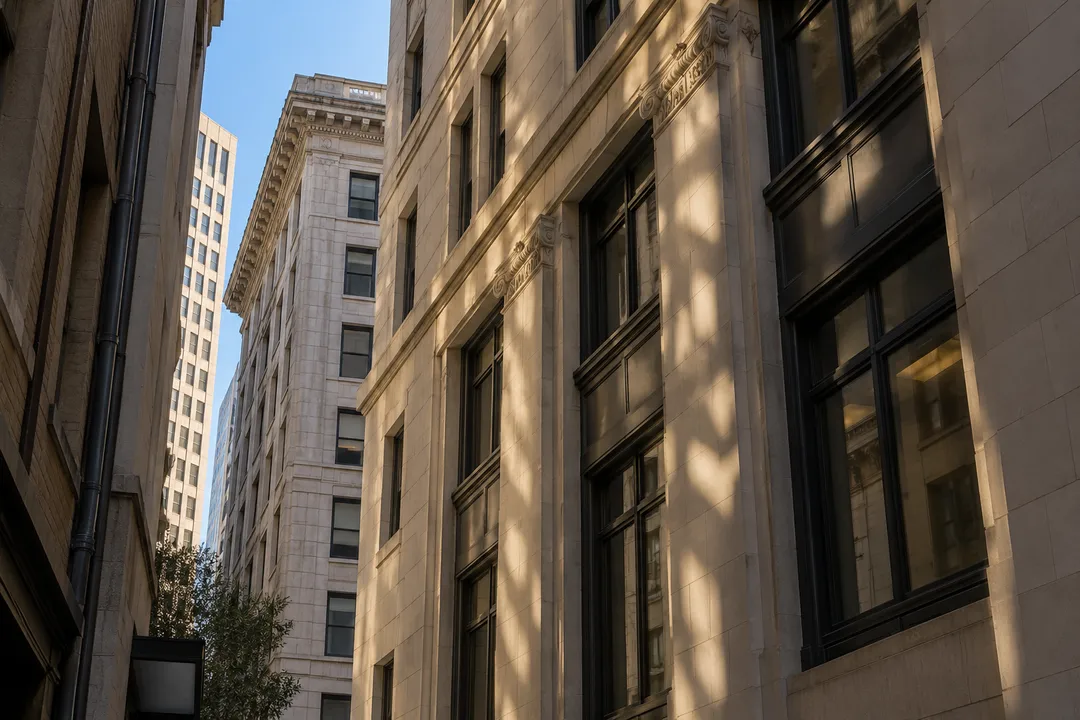
Choose a simple observation for the first pass: how much sky sits between the building edges, how entrances relate to the lane or how the view changes as you approach each junction. You are looking at physical relationships, so you do not need to assign dates or architects to every frontage. Keep unresearched impressions in the category of impressions. A pleasant street can be appreciated without claiming that every decorative detail has survived unchanged since a particular period, and a walking plan should leave that distinction intact.
Use Union Square as the contrast
The nearby square provides a different urban scale. Let that contrast give the walk its shape: larger public space, narrower connection, larger street again. You do not have to add a long list of attractions to turn the sequence into an outing. A visitor who is tired from a busy morning may find this change of scale more satisfying than another major destination. Keep the route responsive to the group you have, including anyone who would prefer a brief walk to an afternoon of browsing.
For someone interested in photographs, think in pairs. Make a frame that shows the lane as a connection, then one that shows the wider setting. The pair tells a clearer story than a cropped image that could have been taken in any city. Avoid using strangers as props to produce atmosphere. If people enter the frame, give them space and wait or change your angle as appropriate. Your picture can describe the street without making another person's ordinary movements the centerpiece of your afternoon.
Shopping is an optional branch
The businesses along a street can be part of its appearance without becoming the purpose of your walk. If someone wants to go inside, pause the shared plan at a junction and decide how much time everybody wants to spend. A group that includes a reluctant shopper should agree on a meeting time rather than assume the person will wait indefinitely. The useful tool is a clear choice: continue together, separate briefly or finish the walk. Each option is more workable than a vague promise to be only a minute.
If you are deliberately avoiding spending, keep the plan focused on public space. Choose architectural details and street connections as your subjects, and leave purchasing decisions for another day. That prevents a short downtown break from turning into an obligation to consume. It also gives visitors with different budgets a comfortable shared activity. The route does not need a specific purchase, menu item or paid admission to make sense. Its value comes from how it fits the afternoon and what you notice along the way.
Give the walk a real ending
Before you reach the opposite end, decide what will happen next. You may want to leave toward your next commitment, return to the square or take a separate break. Name one of those choices instead of letting the group drift. A compact route is especially useful when it ends cleanly. Otherwise, the phrase one more block can expand repeatedly until someone is late or uncomfortable. Finishing on purpose preserves the benefit of choosing a short walk in the first place.
For a delayed companion, offer a reduced version rather than making everyone rush through the full plan. Walk the lane once and let the architecture supply a brief shared experience. You can drop the photography exercise and the detour to the square. The missing extras are not failures. They were optional ways to use available attention, and the time you actually have is more important than an itinerary written before you knew when everybody would arrive. A good plan is easy to shorten without losing its central idea.
Practical Notes
Treat Maiden Lane as part of the public street network and follow the directions and conditions you encounter on the day. This article does not prescribe a traffic-free timetable. Stay alert at the junctions, leave room around entrances and step to an appropriate place before consulting your map. If one end is obstructed, use surrounding public streets to reach your onward destination. Avoid making a narrow passage the only possible link in a plan that has a fixed finish time elsewhere in the city.
You can bring the same decision to Karpo APP as a request for a brief Union Square outing with an architectural focus. State whether you want browsing included and how much time you have between commitments. Keep your selected meeting end and departure direction written somewhere you can easily retrieve them. When you finish, ask the group which part of the contrast they noticed: the square, the lane or the transition between them. That is enough to give two short blocks a purpose without stretching the walk beyond the time you meant to spend.
Ask Karpo for more information.
Keep reading
- North Beach Tailor Alteration Shop Finder: Inherited Suits
 Hayes Valley Tailor Alteration Shop Finder for Boutique Buys
 Pac Heights Tailor Alteration Shop Finder for Heirloom Gowns