 North Beach Tailor Alteration Shop Finder: Inherited Suits
Neighborhood Guides
Hayes Valley Cozy Coffee Reading Route: 45-Minute Reset
Plan a 45-minute Hayes Valley coffee and reading reset with one stop, no laptop and a short return walk. Use a simpler indoor option when weather turns.
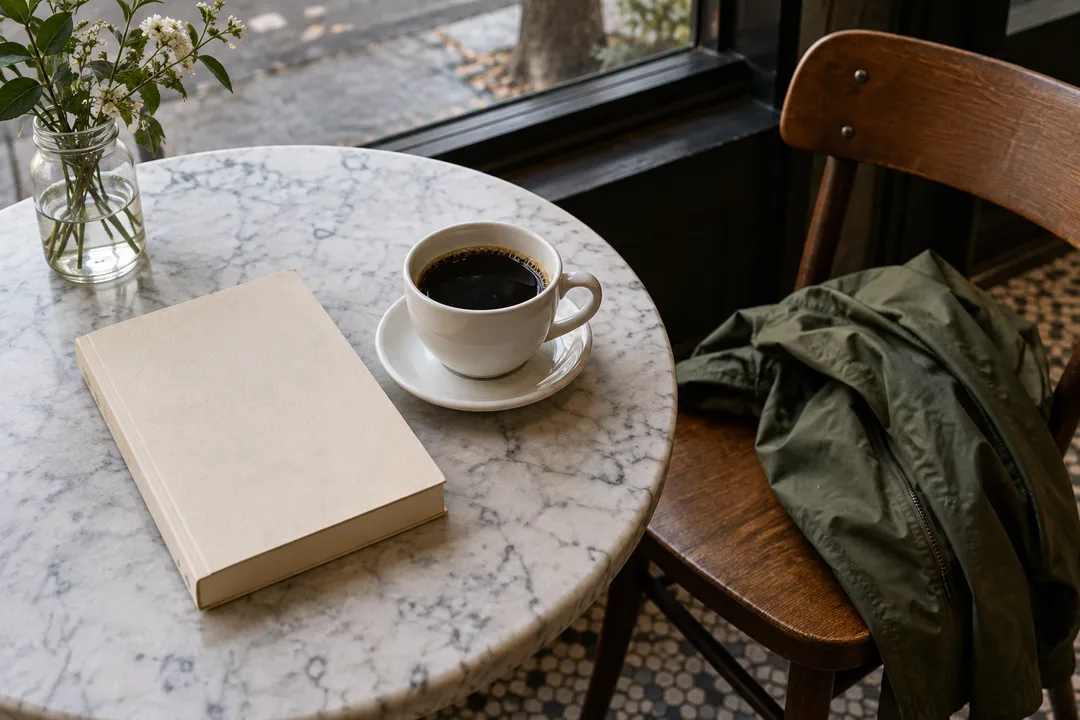
A Hayes Valley cozy coffee reading route can fit inside 45 minutes if the outing has one seat, one book and a firm return point. Build this reset around a nearby café you choose for sitting with a paperback, with a short out-and-back walk only if the weather feels comfortable. Leave the laptop behind. The result is one focused coffee stop and a simpler seated alternative, chosen before you leave rather than assembled into a café crawl.
Give the book most of the clock
Treat the 45 minutes as a door-to-door allowance from your starting point in Hayes Valley, not as 45 minutes inside a café. A useful personal budget is five minutes outward, five for deciding and ordering, 25 for reading, five for returning and five held in reserve. These are planning limits you set, not measured walking or service times. If your actual walk needs longer, shorten the outward radius before sacrificing the reading portion. A coffee break that contains only three pages and a hurried journey back has missed its purpose.
Choose a return point that you can describe without opening a map again: your accommodation entrance, the corner where you began or the place where your next commitment starts. Keep that point fixed when considering candidates. A tempting stop on the other side of the neighbourhood can consume the reserve twice, first getting there and then retracing the distance. The small pleasure here is settling into a book without repeatedly calculating how far you have wandered.
Make a small request before putting the screen away
You can ask Karpo APP for help exploring nearby coffee options with a plain request: “I am starting in Hayes Valley and have 45 minutes door to door. I want coffee and paperback reading, no laptop, a preference for quieter seating and a short reversible walk. Suggest one focused stop and one simpler alternative.” Add your actual starting point privately when asking. That gives the request a useful boundary without turning a preference into a claim that a particular café has a silent room or an empty chair.
Read the suggestions as candidates. Pick your main choice and write down the fallback before setting out. A description or photograph cannot establish how a room sounds at the moment you arrive. Keep the distinction practical: the request helps narrow what to consider, while your arrival decision settles whether the visit works today. Once you have those two options, put the phone away. Reopening a long list at each corner recreates the browsing session this break was meant to interrupt.
The focused result: one seat and a reversible approach
Your main result should be a single café stop within your chosen walking allowance. Approach it by a route you would be content to retrace, rather than making a loop that depends on finding a second destination. In Hayes Valley, this means keeping the outing tied to your own starting corner instead of treating the neighbourhood name as permission to explore indefinitely. The route is complete when you have reached the seat and returned. Another purchase or another landmark does not improve it automatically.
At the entrance, make a brief assessment before committing to an order. Is there a suitable available seat, room for the book and a comfortable way to sit without obstructing circulation? Listen for whether you can follow a paragraph amid the sound around you. Quiet is a personal threshold, not a promise of silence. If the room works, accept a modest table and begin. If every place feels unsuitable, use your fallback once instead of investigating a succession of cafés.

Choose comfort over the photogenic corner
Window light can make a page pleasant to read, but glare, a draught or a chair angled toward a busy doorway may make that attractive spot distracting. Use the first page as a quick comfort test. Hold the book as you normally would and see whether your shoulders relax. There is no need to stage a perfect reading scene. The useful seat is the one that lets you forget about the seat after a few minutes.
Keep the bag compact and the table usable. A paperback, a bookmark and the drink you choose are enough for this version of the outing. Do not spread belongings across adjacent chairs or expect café staff to create a private study space. Follow the rules actually displayed or communicated at your chosen venue. If you need sustained silence, this coffee reset may be the wrong format for that day. It is designed for a short, adaptable reading pause rather than deep work.
Let the chapter set a gentle rhythm
Bring a book you already want to return to, preferably one you can enter without a long recap. Before leaving, mark a manageable stopping place such as the end of the current section. That is an invitation, not a target to finish at speed. You might read fewer pages than expected and still have a worthwhile break. The time cap protects the return journey, while the book provides a different pace from the sequence of messages and tabs you have stepped away from.
A watch makes the screen-free boundary easier. Look once after settling and once near the end, or set a discreet reminder before putting the phone inside your bag. Avoid placing a bright countdown beside the page. When the reminder arrives, finish the sentence, mark the place and gather your things. Reserve enough attention for carrying the drink safely and getting back. Leaving mid-chapter is better than borrowing time from an appointment you already agreed to keep.
The simpler alternative removes the walking segment
If wind or rain makes the approach unpleasant, simplify the plan to one nearby indoor coffee-and-reading stop with no discretionary stroll. The alternative is a shorter commitment, not a second café to visit after the first. Select it for proximity to your return point and assess its seating on arrival in the same way. A covered-looking photograph is not evidence that a particular chair will keep you dry. Choose the indoor version because it reduces exposure, not because it guarantees a specific atmosphere.
If neither option offers a suitable seat within your decision allowance, stop the search. Return to your starting point and save the café outing for another break. You can still read there if that space suits you, without pretending that you completed the planned coffee stop. This exit rule keeps a small disappointment from turning into an expensive or tiring hunt. The fallback earns its place by making the decision easier, including the decision to leave.
Practical Notes for a reset that stays small
Before setting off, know your return point, your main candidate, your single alternative and the moment you need to turn back. Carry the book and a layer suited to the weather you actually encounter. Keep the outward walk optional when conditions are uncomfortable. Neither the 45-minute budget nor a request in Karpo APP reserves a table or establishes a venue policy. Your final choice happens at the door, with enough time left to enjoy the reason you came.
On the way back, resist adding an errand merely because there are minutes left. Those minutes are a buffer, and an unhurried return is part of the result. Notice whether the break gave you a few uninterrupted pages and a clear change of pace. Next time, adjust the radius or the amount of reading you attempt. Keep the same narrow shape: one focused stop, one easier alternative and a return that does not require a new plan.
Ask Karpo for more information.
Keep reading
- North Beach Tailor Alteration Shop Finder: Inherited Suits
 Hayes Valley Tailor Alteration Shop Finder for Boutique Buys
 Pac Heights Tailor Alteration Shop Finder for Heirloom Gowns