 Haaland Has Seven Goals and Norway Runs Entirely Through Him
⚽️2026 FIFA WORLD CUP
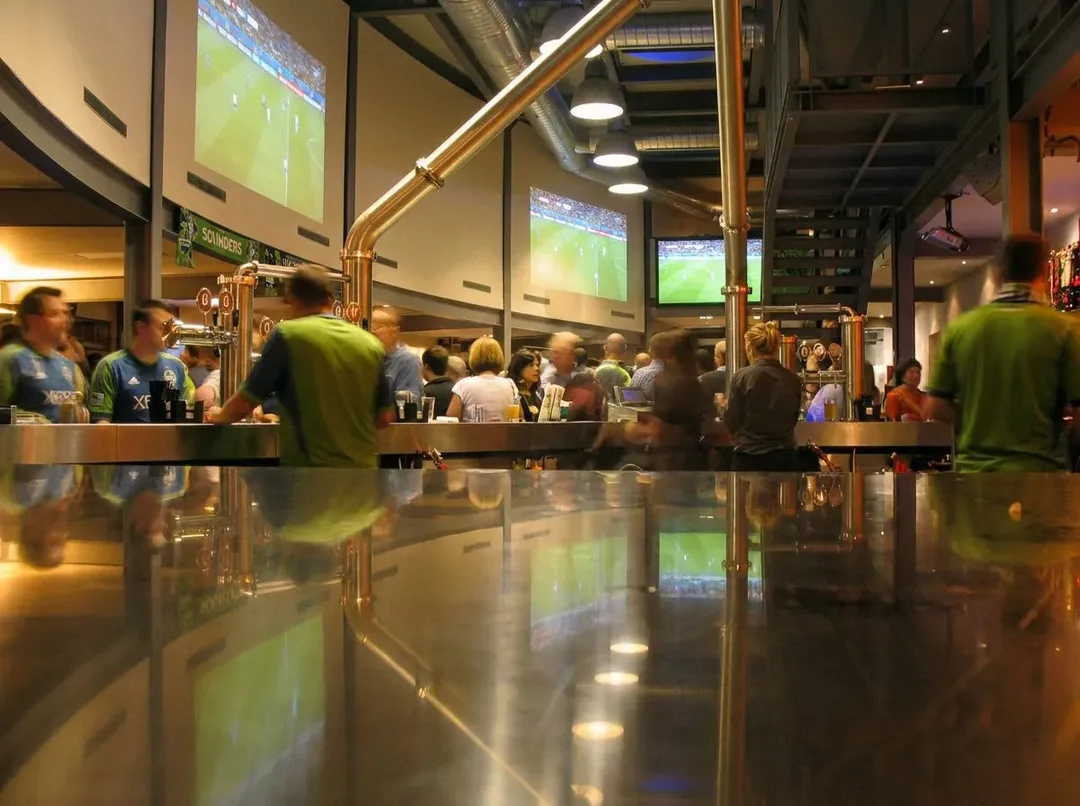
Seattle World Cup 2026 Host-City Viewing Bars
Seattle hosts six FIFA World Cup 2026 matches at Lumen Field this late May and June. The city's deep football culture surfaces in a constellation of Lumen-adjacent sports bars, Capitol Hill pubs, Ballard neighborhood haunts, and one West Seattle institution.
Seattle earned its six fifa world cup matches the old-fashioned way: by building a supporter culture that fills stadiums rain or shine, by sustaining a decades-long love affair with the beautiful game that predates the Sounders' MLS arrival. Come late May 2026, that devotion spills from Lumen Field into a network of viewing bars scattered across neighborhoods where scarves hang year-round and where bartenders know the difference between a false nine and a target forward. This is not performative fandom. The tattooed regulars who claim corner tables on weekday mornings to watch Premier League kickoffs will simply expand their hours, their jerseys, their repertoire of chants.
The Lumen Field perimeter
Pioneer Square's brick-and-timber bones make natural theater for match-day gatherings. Within a few blocks of the stadium, sports bars open their roll-up windows in late May, letting in the Puget Sound breeze and the rising hum of a neighborhood that knows how to process sixty thousand visitors. Expect plywood tables spilling onto sidewalks, projection screens visible from the street, and the particular acoustics of a hundred conversations conducted in a dozen accents. The venues here are practiced: they've hosted Sounders tifos, Seahawks tailgates, Mariners playoff heartbreak.
If you're spending the afternoon in this pocket before a Lumen match, the rhythm is reliable. Arrive two hours early for a barstool. Order something cold and simple. Let the energy build around you as supporters filter in wearing national colors you may not have seen in Seattle before. The bartenders move with the efficiency of people who've worked high-volume events; the soundtracks toggle between ambient rock and whatever match is streaming from Europe or South America.

Capitol Hill's football faithful
Capitol Hill has cultivated a cluster of pubs where soccer is church and morning kickoffs are sacrament. These are narrow, dark-paneled rooms with creaking floors and bathrooms papered in stickers from supporter clubs across six continents. The demographic skews younger, more tattooed, more likely to debate the merits of gegenpressing over a third pint. During World Cup windows, these spots become embassies: a corner claimed by Ghanaian expats, a booth colonized by Dutch fans, a row of Argentines who've been meeting here since 2014.
What Capitol Hill offers that the stadium district cannot is continuity. These are bars you can return to after the final whistle, after the trains have carried the tourist tide back north, after the streets quiet. The same bartender who poured your pre-match lager will still be there at midnight, replaying the controversial VAR call, arguing about squad rotation, already looking ahead to the next fixture. Late May light slants through west-facing windows until nearly nine o'clock, gilding the dust motes and the nervous energy of patrons who've arranged their work schedules around group-stage matches.
Ballard's neighborhood anchor
Ballard hosts a football pub that operates with Scandinavian efficiency and Nordic welcome. The neighborhood's maritime history and strong immigrant ties make it a natural home for international sport, and the viewing culture here reflects that cosmopolitan streak. Wooden booths, local taps, and a kitchen that understands the strategic value of a properly salted basket of fries served just before halftime. The crowd runs older than Capitol Hill, more likely to own season tickets than to paint their faces, more inclined toward analytical silence punctuated by sharp intakes of breath.
On World Cup mornings, Ballard wakes early. Cyclists lock up along Market Street. Dog walkers detour through for a quick half before heading to Golden Gardens. The espresso machine hisses alongside the beer taps because this is Seattle and caffeine remains non-negotiable even when Croatia faces Brazil at seven a.m. The light here in late May is softer than downtown, filtered through awnings and the leaves of sidewalk maples, and the atmosphere feels less like spectacle and more like communion.
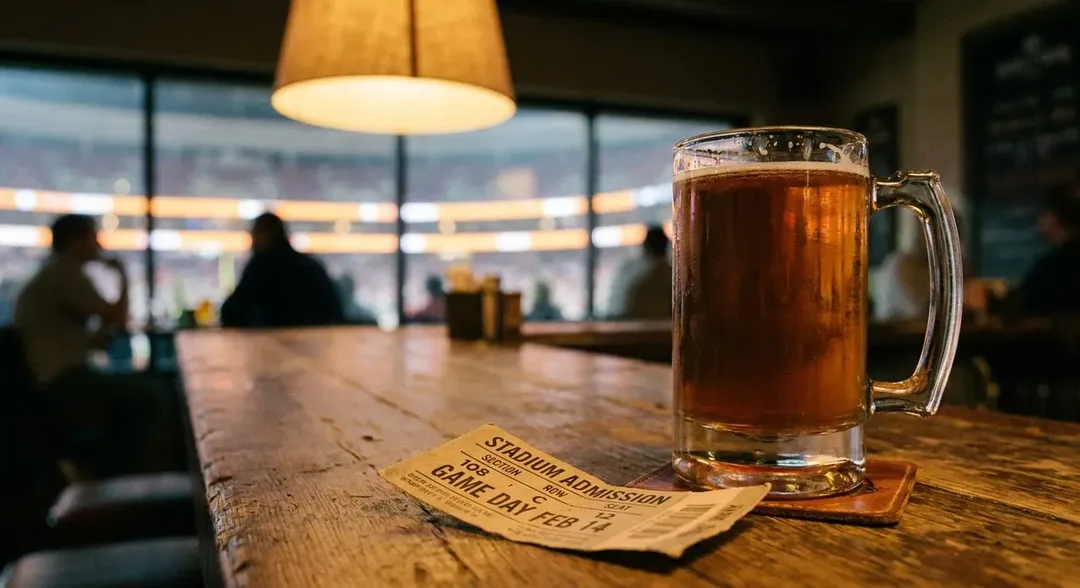
West Seattle's international outpost
West Seattle harbors a bar that has become, through some alchemy of location and temperament, the meeting point for supporter groups representing nations with no official consulate presence in the Pacific Northwest. This is where Uruguayans gather. Where Ivorian fans claim tables weeks in advance. Where a Croatian-American family has hosted watch parties since their cousins played in France 1998. The space itself is unremarkable—standard-issue sports bar, decent sightlines to multiple screens, a menu of wings and burgers—but the community it shelters is irreplaceable.
Getting to West Seattle requires commitment: a bridge crossing, a bus transfer, or a ride-share that climbs into residential blocks where views open toward Elliott Bay. But for fans whose national teams drew a Seattle group-stage match, the pilgrimage is automatic. They'll arrive hours early, unfurl flags, set up portable speakers for anthems, transform a corner of this quiet neighborhood into a slice of Montevideo or Abidjan or Split. The bar staff have learned to stock specific beers, to tolerate the drumming, to smile when someone's grandmother insists on hanging a hand-stitched banner above the bar.
What to expect in late May
Seattle in late May operates in that narrow window between the last of the spring rain and the arrival of true summer warmth. Mornings break cool and bright. By afternoon the city sheds its jackets. By evening, patios fill. For World Cup purposes, this means outdoor screens, open windows, the possibility of watching a match in shirtsleeves while the Olympic Mountains hold snow on the western horizon. It also means the city is in motion: tourist season accelerating, cruise ships docking, the Pike Place Market crowded by ten a.m.
The football bars understand this inflection point. They'll staff up, extend hours, negotiate with neighbors about noise ordinances. Expect cover charges for marquee matches. Expect lines. Expect the particular challenge of finding a spot that balances atmosphere with sightlines, where you can hear the commentary but also the reactions of the crowd around you, where the bathroom line doesn't cost you the decisive goal. Scout your venue in advance. Make friends with a regular. Arrive absurdly early or embrace the chaos of standing room.
Practical notes
Lumen Field sits at 800 Occidental Ave S in the Stadium/SODO district, served by Sound Transit's Stadium light-rail station. Street parking is scarce on match days; garages fill early and charge accordingly. Capitol Hill and Ballard are best reached via light rail or bus; both neighborhoods offer metered street parking and pay lots. West Seattle is typically reached via the West Seattle Bridge or transit; verify current routes directly as schedules shift seasonally. Most viewing bars open two to three hours before kickoff for World Cup matches; call ahead to confirm hours and any cover policies. Accessibility varies by venue age and layout—older Capitol Hill establishments may have narrow entries and stairs, while newer builds typically meet ADA standards. Bring cash for tips even if you're paying by card; bring patience for crowded bathrooms; bring a willingness to stand if you arrive late. Verify all details and hours directly with venues as the tournament approaches.
Tags: #SeattleWorldCup #WorldCup2026 #SeattleSoccer #LumenField #PioneerSquare #CapitolHill #BallardSeattle #WestSeattle #SeattleBars #FIFAWorldCup #SoundersFC #SeattleTravel #PacificNorthwest #SeattleNightlife #VisitSeattle
Please drink responsibly. Must be of legal drinking age.
Sources consulted: 2026 FIFA World Cup · Lumen Field · FIFA World Cup 2026 · Visit Seattle · Time Out Seattle
All trademarks are the property of their respective owners.
Ask Karpo for more information.
Keep reading
- Haaland Has Seven Goals and Norway Runs Entirely Through Him
 World Cup Trophy Ceremony Timing Medals and Postmatch Celebrations
 Olise and France's Attack: The Semifinal Tactical Question