Coral Gables has more seafood restaurants per block than almost anywhere else in the county and almost no fish markets, which produces a strange local habit: people here eat seafood in the Gables and buy it somewhere else. That somewhere else is a fifteen-minute drive north, along a stretch of the Miami River where the fish houses have been operating since long before the city had a food scene. This guide covers both halves — where the neighbourhood actually sources fish, and which Gables tables are worth the price they charge for cooking it.
What is good at a fish counter changes with the boats, not the menu. Tell Karpo in iMessage where you are in the Gables and it will tell you which counters and kitchens nearby are worth today.
The Honest Answer About Buying Fish Here
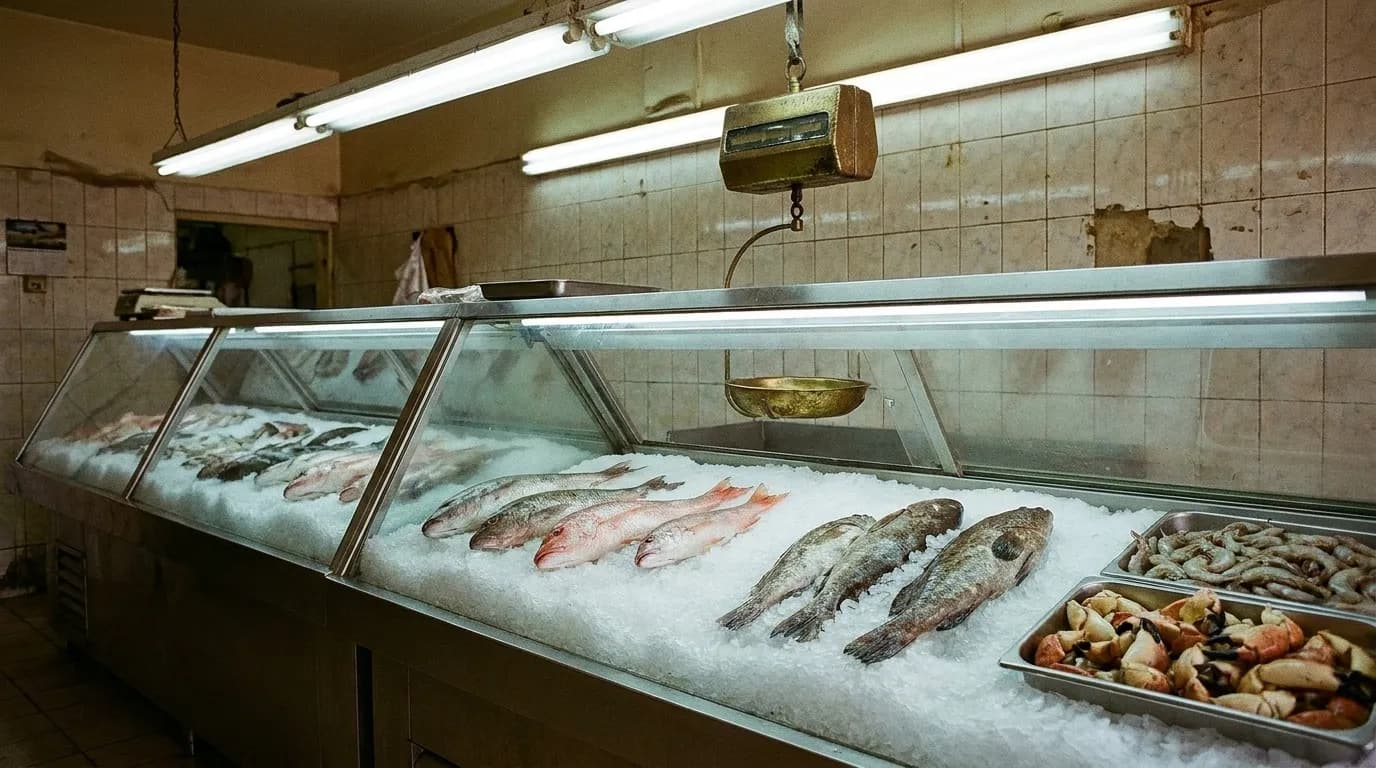
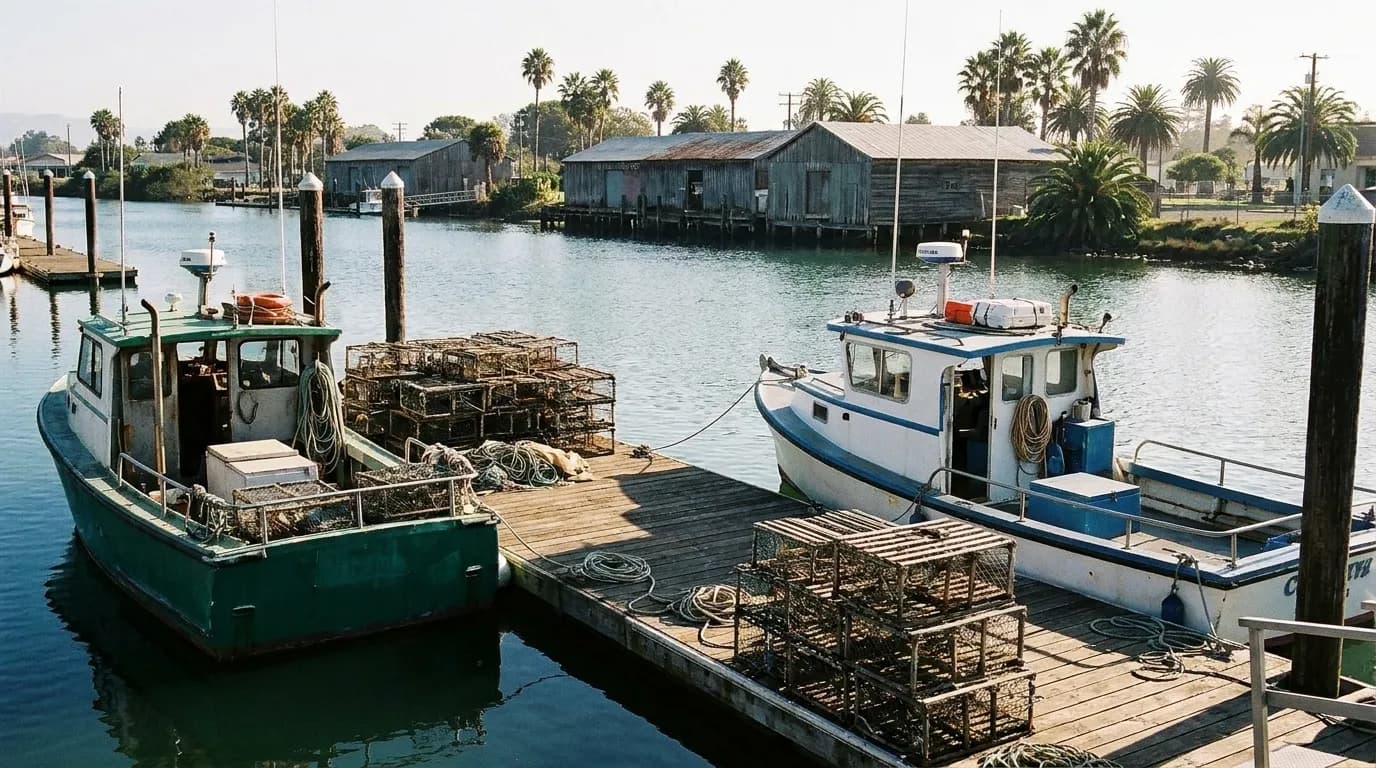
Inside the Gables proper, your realistic options for raw fish are the seafood counters at the better supermarkets and the specialty grocers along the main avenues. They are perfectly good for salmon, shrimp and a fillet on a weeknight, and they are not where anyone gets a whole hogfish. For that you go to the Miami River, where the family fish houses sell off the boats — Garcia's has been doing it since the sixties and runs a market alongside its restaurant, and Casablanca does the same a little further along. Both will sell you whole fish, fillets, stone crab in season and shrimp by the pound, at prices that make the supermarket look ambitious. Go in the morning, ask what came in rather than what is good, and bring a cooler if you are driving anywhere afterwards — the drive back in August is not kind to a paper bag.
What Is Actually Local, and When
South Florida seafood is seasonal in a way that most menus obscure. Stone crab has a defined season that runs from mid-October into spring, and claws sold outside it are frozen from the last one — which is fine, as long as you are not paying fresh prices. Spiny lobster has its own season starting in August, and the local hogfish, yellowtail snapper, grouper and mahi rotate through the year with the weather and the closures. Shrimp sold as Key West pink is a genuinely local product; a lot of what is sold generically as shrimp is not. The practical version of all this: ask two questions at the counter — what came in today, and is it local — and let the answers pick your dinner. A counter that answers both precisely is a counter to keep going back to.
Where the Gables Eats It
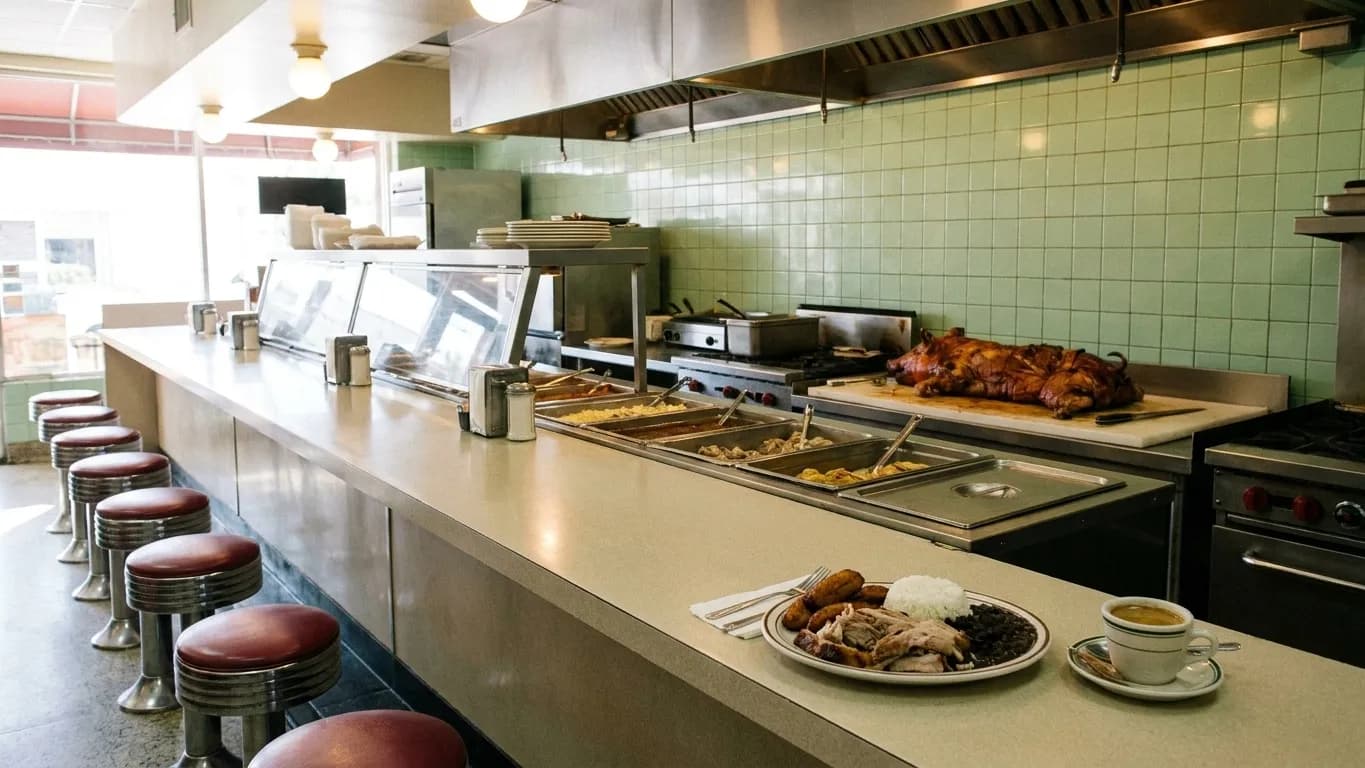
The neighbourhood's seafood dining splits into three tiers. At the top are the linen rooms along Ponce and around Miracle Mile, where a whole fish is priced by weight and the wine list does the rest of the damage — worth it for an occasion, and best approached at lunch when several do a considerably cheaper set menu. In the middle sit the Peruvian and Latin kitchens, which are the value sweet spot of the entire neighbourhood: ceviche, tiradito and a fried whole fish for less than a steak costs a few doors down, and the cold seafood here is as good as anywhere in the county. At the bottom, in price rather than quality, are the Cuban and Spanish counters where a plate of camarones al ajillo or a fish sandwich lands under twenty dollars. If you want to understand how the Gables eats, spend an evening in the middle tier rather than the top.
The Miami River Detour, Made Properly
The fish houses on the river are worth a trip as an outing rather than an errand. They sit on a working waterway, with boats unloading beside the tables, and the format is simple: order at a counter, sit outside over the water, eat fried or grilled fish, conch, stone crab in season. It is unglamorous and slightly chaotic and it is the most authentic seafood experience within twenty minutes of the Gables. Two practical notes. Parking on the riverside streets is tight, so go early or at an odd hour. And check whether the market side and the restaurant side keep different hours — the market usually closes considerably earlier, so the buy-and-cook version of this trip is a morning plan and the eat-there version is a late lunch.
Cooking It at Home Without Ruining It
Local fish rewards restraint. Yellowtail snapper and hogfish are delicate and want a hot pan, a short time and lime rather than a marinade. Grouper is sturdier and takes the grill well. Stone crab claws arrive already cooked and should never be reheated — serve them cold with mustard sauce, which is the only preparation anyone here uses and the correct one. Whole fish is the best value at any counter and the least intimidating thing to cook: score it, salt it, roast it hot, and let people take it off the bone at the table. Ask the counter to scale and gut it and you have removed the only genuinely unpleasant step. A whole fish, rice, and something green feeds four people here for roughly the price of two entrées in a restaurant on Ponce.
One Sensible Saturday
The version of this that locals actually run looks like this: leave early, drive to the river, buy whatever came in that morning plus a pound of shrimp, eat a fried fish sandwich by the water while you are there, then stop at one of the Gables grocers for bread, limes and something to drink on the way back. Total time about two and a half hours, total cost well under what dinner for two would run on Miracle Mile, and you have food for two meals rather than one. Save the linen tablecloth version for when someone else is choosing — it is genuinely good, it is simply not what this neighbourhood does on an ordinary weekend.
Tags: #CoralGables #Miami #SeafoodNearMe #FishMarket #MiamiRiver #StoneCrab #Ceviche #MiracleMile #NeighborhoodGuide #MiamiEats #SouthFlorida #SeafoodMiami #LocalKnowledge
Sources consulted: garciasmiami.com · casablancaseafood.com · coralgables.com · myfwc.com
Please drink responsibly. Must be of legal drinking age.
All trademarks are the property of their respective owners.
Ask Karpo first
Seasons, boat deliveries and market hours decide what is worth buying on any given day. Ask Karpo in iMessage what is landing near you and which counter or kitchen in the Gables to use today.