With people searching for star citizen crowds and things to do in San Francisco, Dogpatch makes a quieter case for the city: walk slowly, stay on two streets, and let the neighbourhood reveal itself in sequence. On the eastern waterfront, the old factory and warehouse buildings still set the scale, but their interiors now hold small businesses, galleries, food and design. The useful distinction is topographic. Dogpatch is genuinely flat, which in San Francisco is the whole argument for it - an afternoon of wandering here costs nothing in elevation, unlike almost any comparable stretch of the city.
Message Karpo and get a live Dogpatch walk for the day you are going, with open public stops, museum timing and a practical route from the 22nd Street Caltrain Station.

Flat is the point
San Francisco usually makes an unplanned walk into a decision about stamina. A block can become a climb, and a pleasant detour can turn into a route back down the same hill. Dogpatch removes that calculation. Its compact waterfront blocks and straight streets make room for the kind of afternoon that does not need a timed itinerary: stop at a shop, continue a little farther, look through a window, then turn around without feeling that the day has been lost to geography.
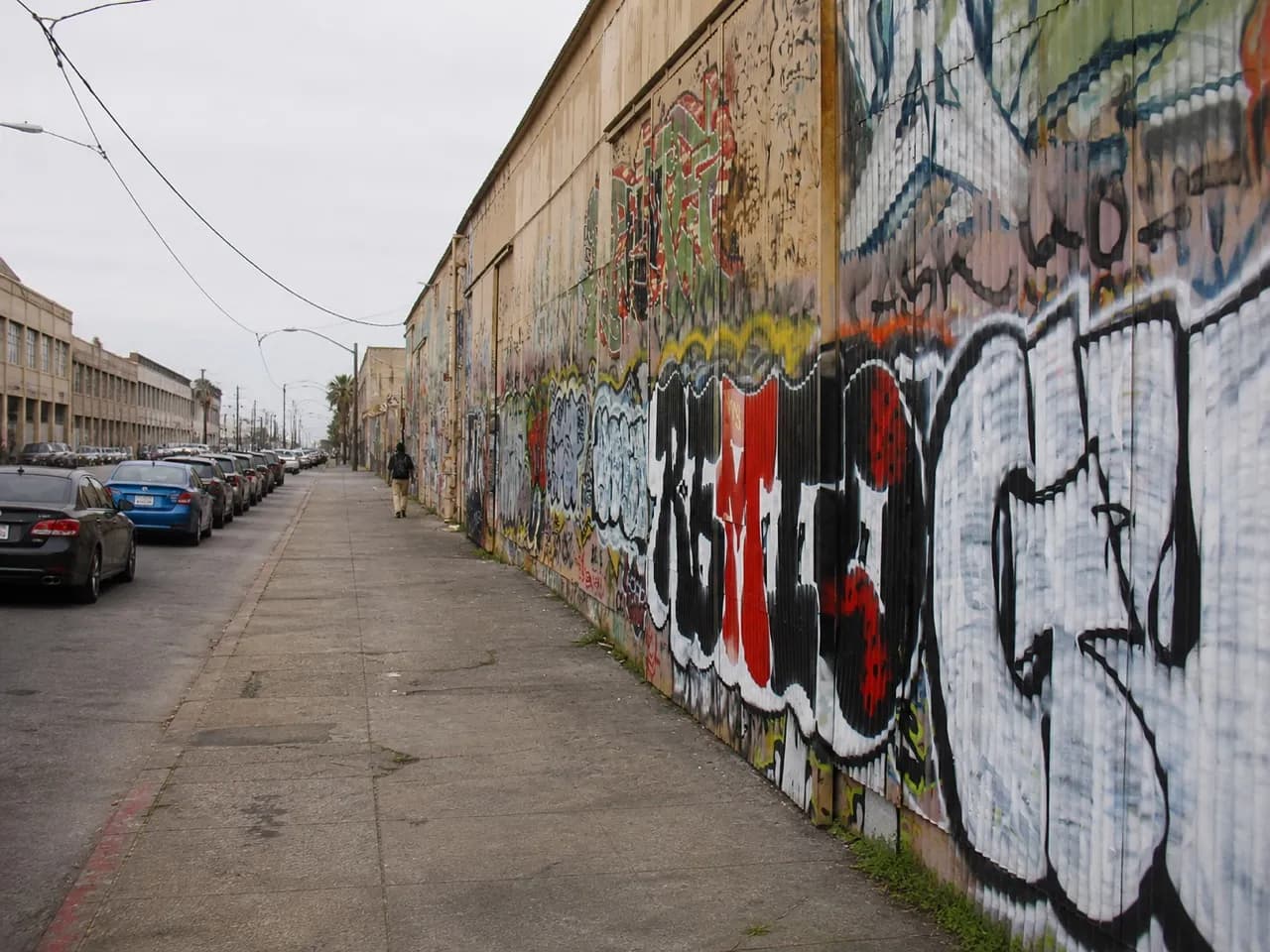
The former industrial setting helps. The buildings are still broad, practical and warehouse-like, so the neighbourhood does not read as a sequence of isolated attractions. It works more like a short local commercial strip, with enough changes in use to keep the walk moving. The reward is not a single landmark but the ease of covering the ground between places without spending the afternoon managing hills.
Two streets are enough
Third Street is the main drag, running through a strip of small independents that includes a chocolaterie, a custom clog maker, furniture from local artisans and bakeries. The shops are spread along a straight flat street rather than around a hill, which is why the walk works. In practical terms, this is a street for looking closely rather than rushing between appointments.
22nd Street carries most of the galleries, eateries and rehabbed warehouse spaces that incubate small local businesses. Third Street and 22nd Street are the entire route. The shops, galleries and eateries sit on that cross, so there is no wider grid to work out before setting off. That simplicity is the point: the neighbourhood gives a wandering afternoon a clear edge, and the cross street provides enough variation without asking for a larger circuit.
Begin with the daytime stretch
A daytime arrival is the right way to read Third Street. Start with the independent storefronts, where the interest comes from the mix rather than a single category. A chocolaterie sits in the same general walk as a custom clog maker, furniture by local artisans and bakeries. The sequence gives the street a useful texture: edible, handmade and domestic things are all part of the same short outing.
There is no need to force every stop into a schedule. The street is best treated as a line with pauses. Look in where something catches attention, continue toward 22nd Street, and keep the plan loose enough that a shop taking longer than expected does not disrupt the rest of the day. Because the route is flat, doubling back remains practical rather than punishing.

Time the museum, not just the exhibition
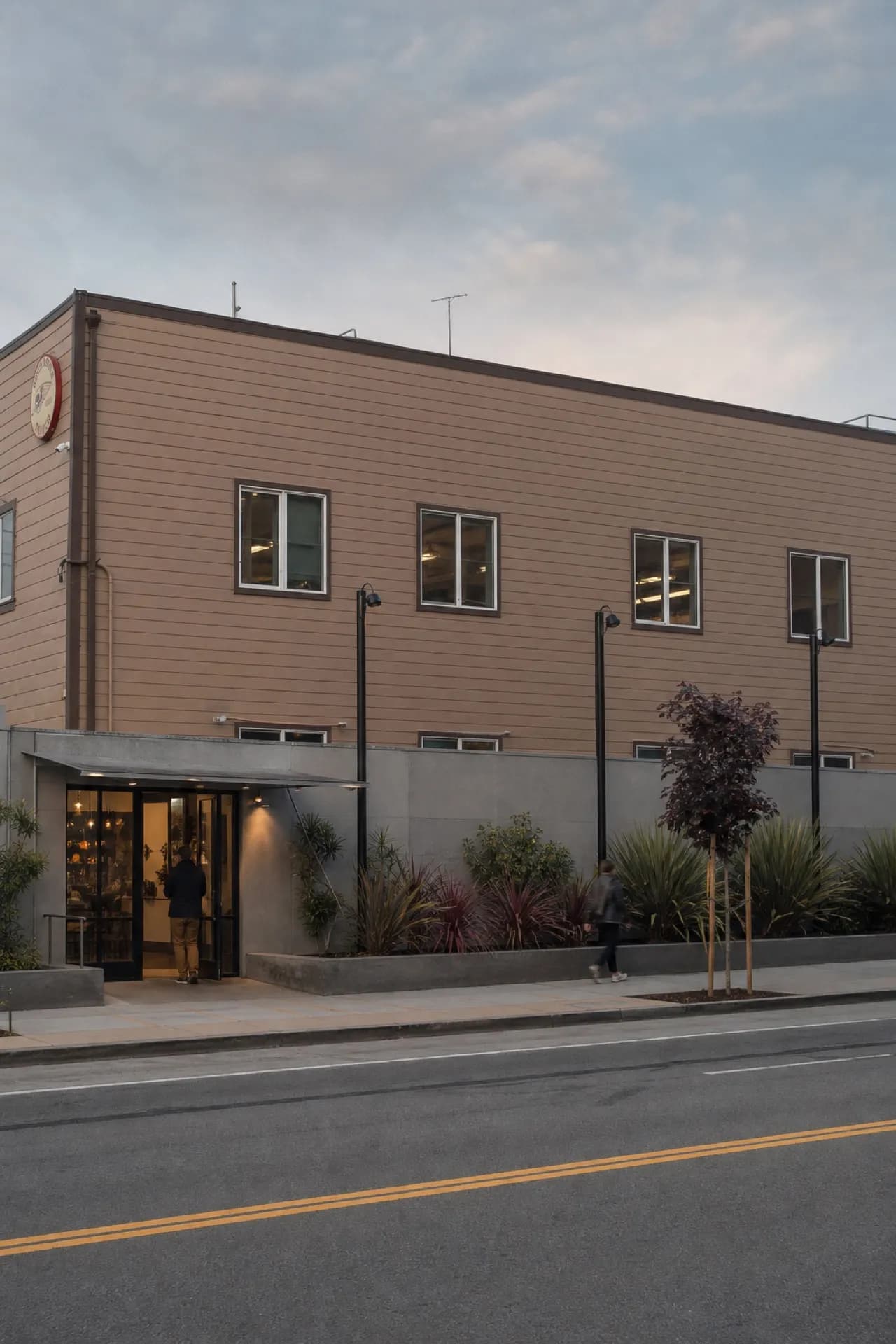
The Museum of Craft and Design adds a more deliberate stop to the walk. Its programme focuses on local artists, designers and makers, with rotating installations and monthly events built around hands-on exploration of technique. That makes it useful for visitors who want context for the neighbourhood's emphasis on making, rather than only another room of finished objects.
The Museum of Craft and Design programmes monthly hands-on events around technique rather than only hanging finished work, so the calendar matters more here than the current exhibition does. Check the museum hours and the event schedule before setting out. If the timing works, build the walk around the monthly programme; if not, the museum still gives the daytime route a fixed indoor stop without requiring a larger itinerary.
The corner is the natural pause
Sutton Cellars is at 601 22nd St., at Third Street, in a small urban winery and tasting room on the corner of the neighbourhood's two main streets. Its afternoon-into-evening hours make it a natural point to change the pace of the walk. Rather than sending visitors to one end of Dogpatch and then back again, the tasting room sits where the two useful lines meet.
Magnolia Dogpatch is at 2505 Third St., at 22nd Street, a rustic room serving modern American food on the same corner. Sutton Cellars and Magnolia Dogpatch sit on the same Third and 22nd corner, which means the drinking and the sit-down meal are both at the pivot of the walk rather than at either end of it. Magnolia is the sit-down anchor when the shops start closing, while Sutton Cellars gives the afternoon a clear stopping point before the evening meal.
Arrive with the rail direction clear
The neighbourhood's transit spine is the 22nd Street Caltrain station, which runs south down the peninsula rather than into the rest of San Francisco - arriving by rail here is not the same as arriving by rail in the Mission. That distinction matters when planning the return journey. The station connects Dogpatch to the Bay Area south of the city, but it should not be treated as a cross-town rail arrival.
For a simple local plan, use the station as the arrival reference, then make for Third Street and follow the flat commercial stretch toward 22nd Street. Spend the daytime portion among the independent shops and the museum, and let the corner determine whether the day ends at Sutton Cellars or Magnolia Dogpatch. The route is short enough to repeat in reverse, which is one reason Dogpatch supports an unhurried plan better than most San Francisco neighbourhoods.
Practical notes
- Use the 22nd Street Caltrain Station as the rail reference, but remember that trains run south into the Bay Area rather than across San Francisco.
- Plan the walk for daytime if the independent shops, galleries and bakeries are the priority; Sutton Cellars runs from afternoon into evening and Magnolia Dogpatch from daytime into evening.
- Keep the route to Third Street and 22nd Street. The cross is the useful spine, and there is no need to build a wider neighbourhood grid.
- Check Museum of Craft and Design hours and its monthly hands-on event calendar before going; the event schedule can matter more than the current installation.
- The flat streets make Dogpatch a practical option for a lower-effort walking afternoon, with less elevation than comparable San Francisco routes.
- Menus, tasting-room details and event arrangements can change, so check the current information before ordering or timing the final stop.
- If the first stop is full or closing, keep moving along the same two-street route and use the corner as the next decision point rather than abandoning the walk.
Tags: #dogpatch #sanfrancisco #sfneighborhoods #neighborhoodguides #slowtravel #walkingsf #thirdstreet #22ndstreet #craftanddesign #localmakers #urbanwineries #caltrain #bayareas #weekendinsf
Sources consulted: sf.gov · sfgate.com · timeout.com · california.com
Please drink responsibly. Must be of legal drinking age.
All trademarks are the property of their respective owners.
Ask Karpo first
Message Karpo before leaving and get a live Dogpatch route built around what is actually open to the public that day: start near the 22nd Street Caltrain Station, walk Third Street in the daytime, check the Museum of Craft and Design's current hours and monthly event timing, then move along 22nd Street to the Sutton Cellars and Magnolia Dogpatch corner. Karpo can adjust the order when a shop is closing, a first choice is full or the best stop is the one open when you arrive.