SF clubs rarely reward a "show up whenever" plan. The city’s nightlife starts unevenly, and the best move is to think in phases: early arrival for easier entry and lower friction, mid-evening for social energy, and later for the most concentrated dance floor activity. If you want a smoother night, arrive before the crowd peak rather than waiting for the exact moment everyone else does. In SF, weather, transit gaps, and neighborhood shifts can change the feel of a block fast, so the real advantage is flexibility, not a single perfect hour.
Build your SF club night around one smart route
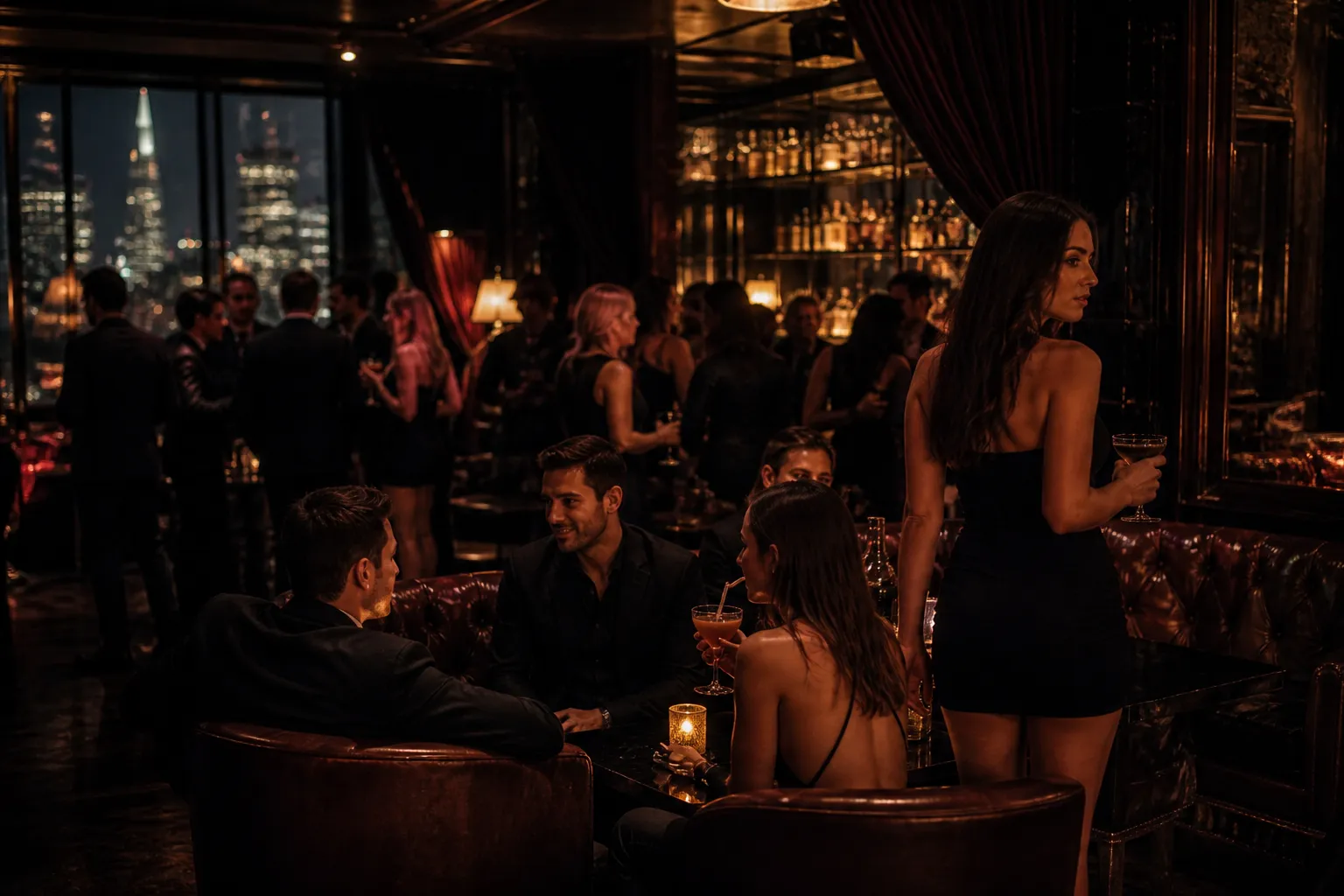
Search by the night itself, not just the venue. Check the event listing, recent social posts, and map photos from the same day to see whether the room is a dance night, a DJ set, or a quieter mixed crowd. Look for signs that the crowd is building: line length, mentions of a guest DJ, or whether people are posting from nearby bars first. If the room seems slow, that is often a timing problem, not a bad venue. The safest plan is to keep your first choice and your backup close together.
Neighborhood logic: where the energy usually lands
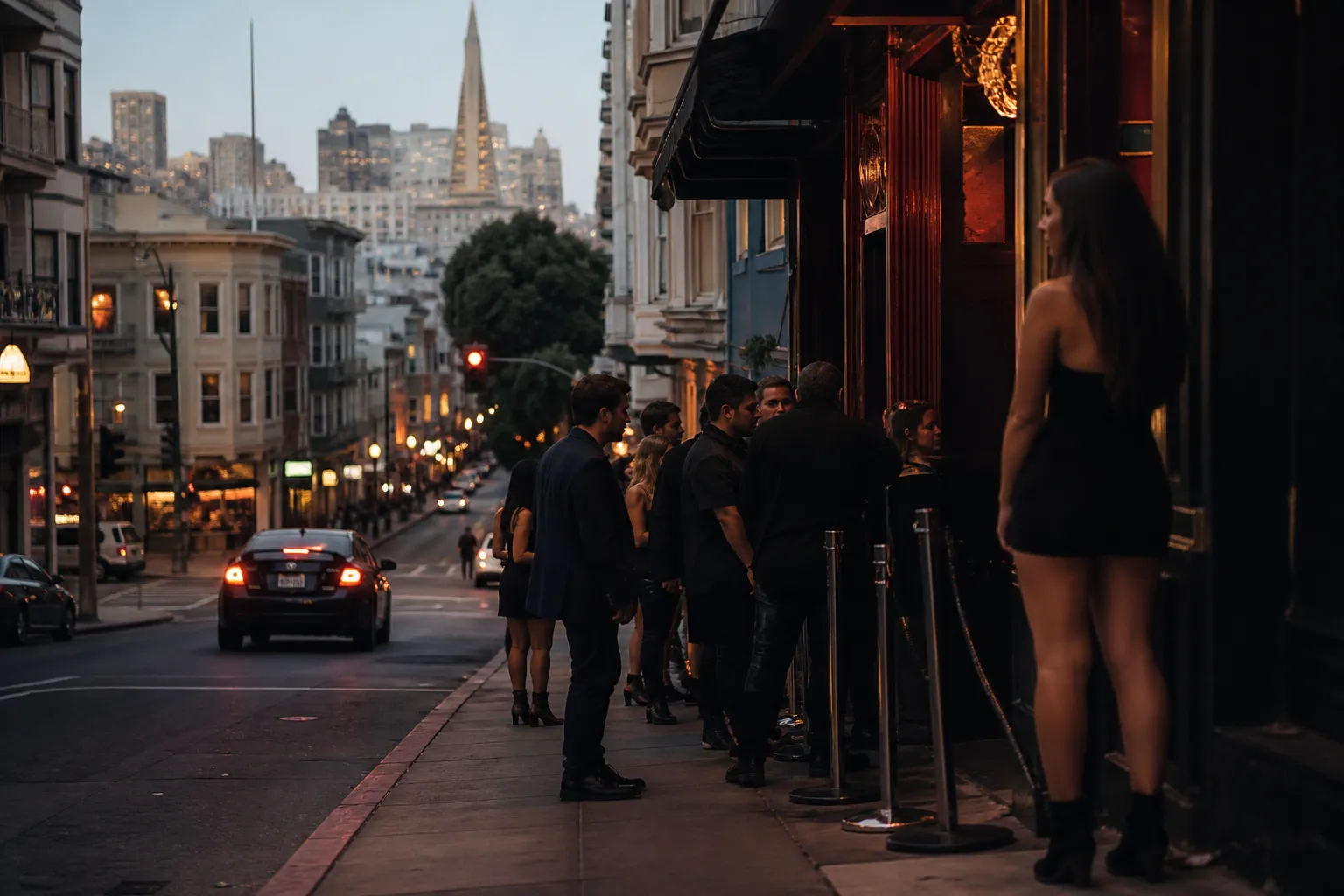
SF’s club scene is neighborhood-driven. SoMa and the eastern side of downtown tend to be the most club-like, with larger rooms, louder sound, and the easiest chance of finding a true late-night dance floor. The Mission often works better for people who want to start with drinks, then drift into a party that feels looser and more social. North Beach and nearby downtown blocks can be useful for a last-minute pivot because they have dense nightlife, but the mood is often more compact and bar-centered than warehouse-style.
If you want the most practical choice, map your night by transit, not by vibes alone. A club near a major transit corridor is easier to reach, easier to leave, and easier to replace if the line looks bad. Distances that seem short on a map can feel bigger on the ground when you are walking uphill, waiting for a rideshare, or crossing streets with heavy traffic. The best neighborhood strategy is to pick one main zone, then two nearby backups that share the same transit spine.
A simple route that keeps options open
A low-friction SF route usually starts where transit is strongest and ends where your fallback is strongest. If you are coming from outside the city, begin near a downtown station or a transit-friendly edge of SoMa, then move toward the club zone once you have confirmed the line and the room tone. That gives you a place to reset, use the restroom, eat something, and decide whether the first pick is actually worth entering. If the room is promising, stay. If it looks off, you have not burned the night.
Build the route around one easy pivot. For example, start with an early stop in the Mission, then move to SoMa if the night is getting louder, then keep a downtown or North Beach option for a late switch if the first room is too crowded or too empty. Do not choose a backup across the city unless you are willing to spend the night in transit. In SF, the smartest route is short, reversible, and walkable or transit-friendly between each stop.
What to check live before you leave
The most useful live checks are the boring ones. Look at same-day posts, event calendars, and map reviews to confirm whether the night is a club night, a themed event, or a one-off takeover that changes the usual crowd. Check whether people mention a long line, strict entry, a mixed-age crowd, or a sound system that makes the room better after a certain time. Search the neighborhood name plus the date and the type of music you want. That usually tells you more than a polished listing page.
Also check the city conditions. In SF, fog, wind, and sudden cold can change how a night feels after one block, especially if your backup requires walking outside between venues. Transit status matters too: if a line is delayed, your main club may still be fine, but your exit plan may not be. If you are using rideshare, confirm a pickup point that is easy to reach on foot. The best live check is not “is this venue famous?” but “can I actually get there, get in, and get home without stress?”
Backup logic: weather, accessibility, and a safe exit
Backups matter most in SF because the city can be fun, cold, and crowded at the same time. Bring a layer you can carry, wear shoes that handle stairs and uneven sidewalks, and assume outdoor waits are possible even on a night that started mild. If you or your group needs accessibility support, check for elevators, ramps, entry steps, and restroom access before you commit. Not every club in the city handles mobility the same way, and a great night can turn frustrating if the entrance, dance floor, or exit is hard to use.
Make the final decision with the exit in mind. A truly practical club choice is one you can leave without a long wait, a confusing transfer, or a half-hour walk in the wind. Keep one backup in a different format: if the dance floor looks weak, switch to a bar-club hybrid; if the club is too packed, move to a nearby lounge or a later event in the same neighborhood; if the weather worsens, stay closer to your transit line and shorten the route. That is how you turn a good SF night into a reliable one.
A simple plan before you go
- Check same-day posts and map photos before leaving.
- Keep your main club and backup in the same transit corridor.
- Pack a layer; SF nights cool fast near the water and hills.
- Confirm accessibility, entry steps, and your ride home plan.

Tags: #neighborhood_guides #sf
Sources consulted: Official city information · Google Maps · Karpo local search
All trademarks are the property of their respective owners.