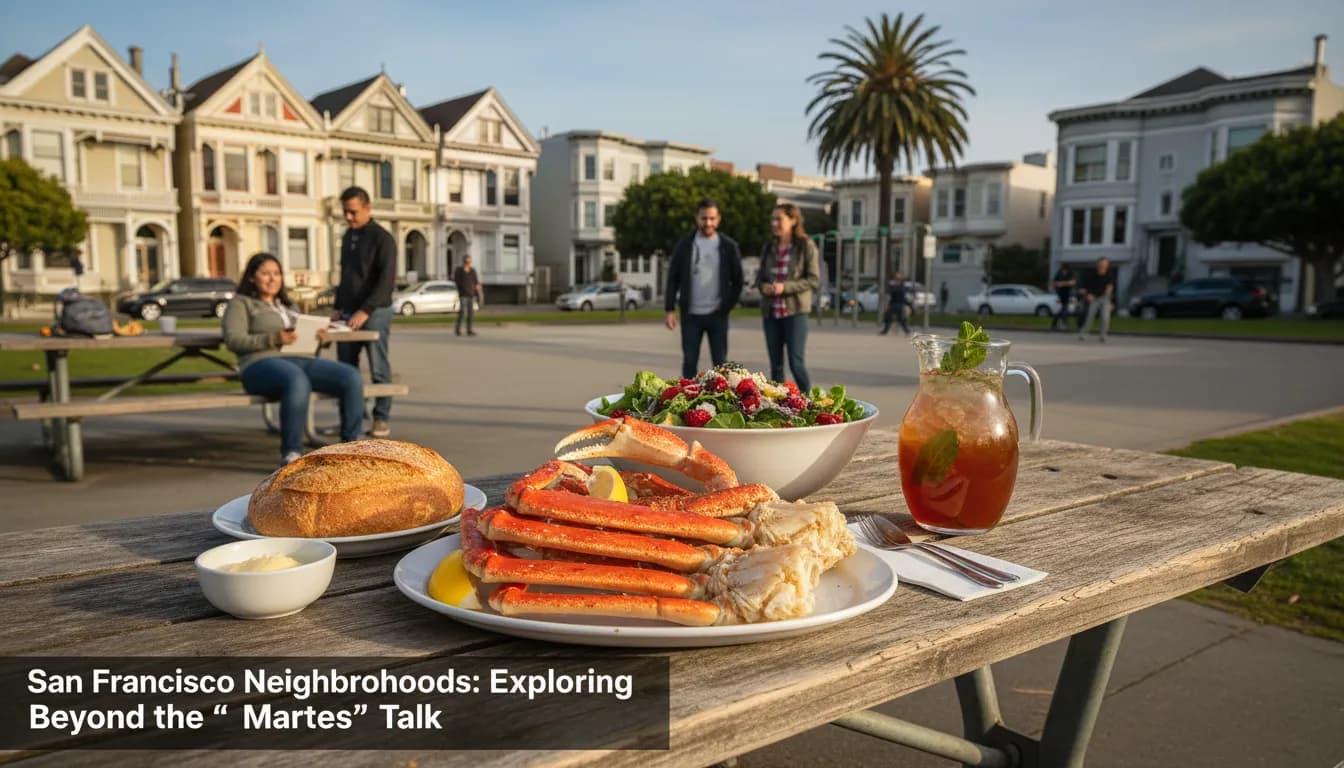
When conversations about San Francisco drift into the usual 'pirates vs marlins' banter, it’s easy to overlook the city’s rich and varied neighborhood landscape. While sports talk can bring people together, true local flavor is found in the streets and communities that make up the fabric of San Francisco. Each neighborhood boasts its own identity—shaped by history, architecture, cuisine, and the people who call it home. From the pastel-painted Victorians atop the rolling hills to bustling markets and hidden green spaces, San Francisco offers an urban patchwork for every explorer. Whether you’re a first-time visitor or a longtime resident seeking a fresh perspective, venturing beyond generalized discussions like 'pirates vs marlins' means experiencing the authentic pulse of the city. With accessible transit, evolving cultural scenes, and an ever-present breeze from the bay, getting to know these neighborhoods is both a journey and a reward.
Ready to discover what makes each San Francisco neighborhood unique? Use this guide to plan your own walking adventure, dive into local culture, and see another side of the city beyond the scoreboard. Let’s lace up our shoes and explore.

Mission District: Murals, Markets, and Latin Flavor
The Mission District stands as one of San Francisco’s most vibrant cultural mosaics, renowned for its colorful murals and deep Latin American roots. Strolling along bustling streets, you’ll encounter a dynamic blend of street art, taquerias, and indie shops—each telling a chapter of the neighborhood’s storied history. Community parks and public spaces host lively gatherings, especially on weekends, creating an inviting atmosphere for both locals and newcomers.
Transit is straightforward, with several BART stations providing easy access. The district’s relatively flat terrain makes it walkable, though some blocks can become crowded during peak times. Weekday mornings offer a quieter experience, while evenings buzz with nightlife and impromptu music performances that spill onto the sidewalks.
The Mission’s microclimate is typically sunnier and warmer than much of the city, making it ideal for outdoor cafés or exploring alleys lined with murals. Don’t forget to bring a light jacket, though—weather can shift quickly, especially when fog rolls in from the west. Always keep an eye on your belongings, especially in busy plazas.
North Beach: Italian Heritage Meets Literary Legends
North Beach, often called San Francisco’s Little Italy, is a neighborhood where the aroma of espresso mingles with echoes of the Beat Generation. The area’s storied past is visible in heritage bakeries and bookshops nestled beside old-school pizzerias. Cobbled streets wind past historic churches, offering glimpses of the city’s layered immigrant history and its ongoing celebration of Italian cultural traditions.
Accessibility is fair, though some streets are steep and narrow—comfortable footwear is a must. North Beach is well-served by Muni buses, and it’s a short walk from downtown or Chinatown. Early mornings and late afternoons see lighter crowds, allowing more time to linger at local cafés or browse independent bookstores.
The hillside setting means weather can vary block to block, so dressing in layers is essential. The neighborhood’s open plazas often host impromptu chess games or music, but be mindful of your surroundings, especially in more touristy areas. North Beach’s charm is best experienced on foot, with time to pause and soak up the ambiance.
Japantown and the Fillmore: Tradition in Modern Motion
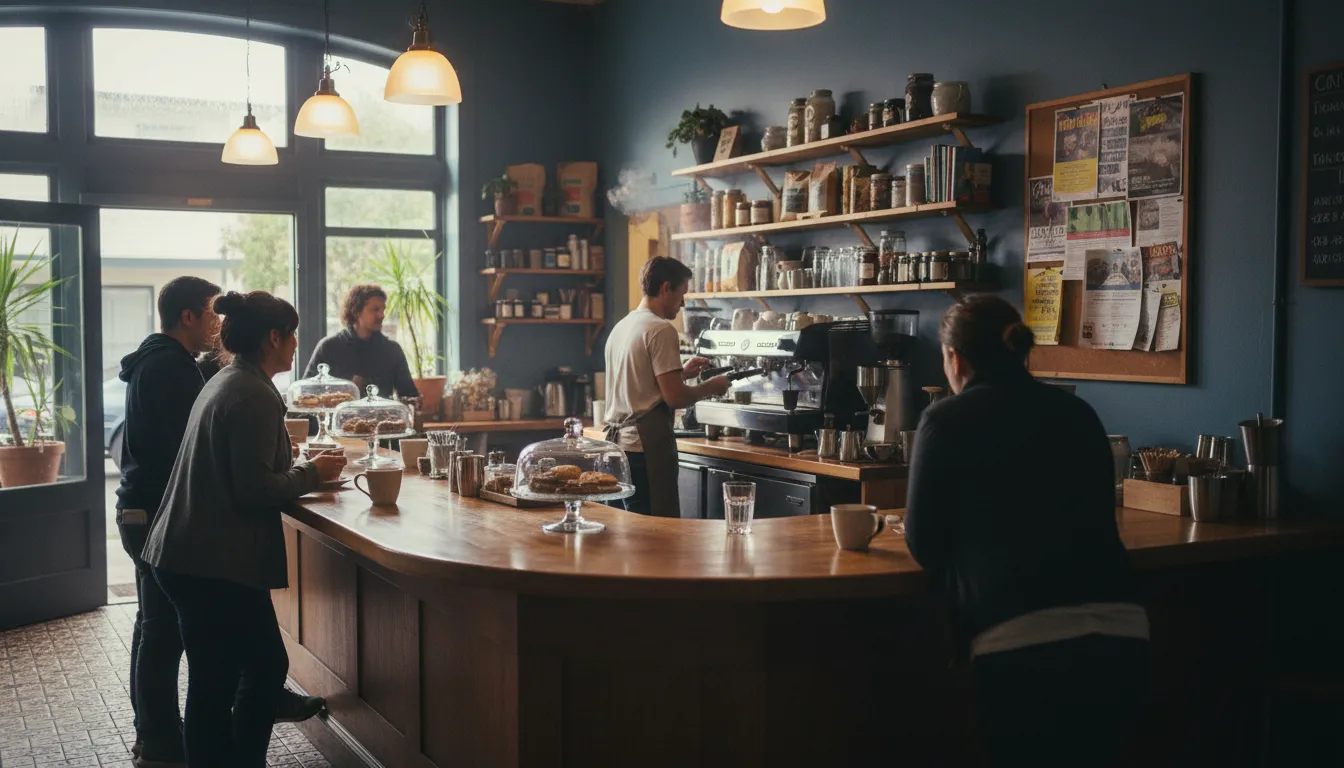
Japantown, one of only three remaining in the United States, offers a window into Japanese culture amid the urban rush. The peaceful plazas, pagoda landmarks, and specialty shops are complemented by the nearby Fillmore District’s rich jazz history and modern venues. Together, these neighborhoods highlight the city’s diversity and the resilience of longstanding communities.
Transit is accessible, with several Muni lines converging nearby. The area is mostly flat and features wide sidewalks, making it one of the easier districts for visitors with mobility concerns. Both neighborhoods are active year-round, but weekends bring a special energy with pop-up markets and neighborhood events.
Microclimates here tend toward cool and breezy, especially in the late afternoon. Since the area blends residential and commercial spaces, it’s quieter than downtown but still active—perfect for slow-paced exploration. As always, keep valuables secure, particularly near event venues and busy intersections.
The Richmond: Ocean Fog and Global Eats
Stretching from the Presidio to Ocean Beach, the Richmond District is a patchwork of global influences, with Russian bakeries, dim sum parlors, and cozy Irish pubs lining its avenues. Its residential streets offer a quieter pace, while the proximity to Golden Gate Park and the Pacific brings in the city’s signature ocean fog. This is a neighborhood defined by its diversity and its access to vast open spaces.
Transit options include multiple Muni bus lines, linking the Richmond to downtown and other neighborhoods. The area’s long, straight avenues make navigation simple, though the fog can sometimes limit visibility. It’s a popular weekend destination for families and outdoor enthusiasts, thanks to its parks and coastal trails.
Weather here is famously unpredictable—layers are essential, even during summer. The district’s size means some attractions are spread out, so plan to use transit or pace your walk accordingly. While generally safe, always be aware of your surroundings, especially in parking areas or near the beach, and keep personal items close.
SoMa and South Beach: Modern Energy and Bay Views
South of Market (SoMa) and South Beach pulse with modern energy, attracting tech hubs, galleries, and waterfront attractions. Here, sleek high-rises contrast with preserved warehouses, and the Embarcadero’s views provide a striking backdrop. These neighborhoods are hubs for innovation, nightlife, and citywide events, reflecting San Francisco’s ongoing reinvention.
Transit is excellent, with BART and Muni Metro lines running through the district, plus flat terrain ideal for walking or cycling. Accessibility is a highlight, though crowds increase during major conventions or sports events. Daytime offers a chance to explore urban parks, while evenings light up with rooftop venues and art installations.
Weather can be windier along the bay, so bring a windbreaker and consider sun protection, especially in open plazas. The waterfront can attract pickpockets, so secure your bags and devices. Planning your visit around event calendars ensures both a smoother trip and opportunities to catch unique city happenings.
Practical notes
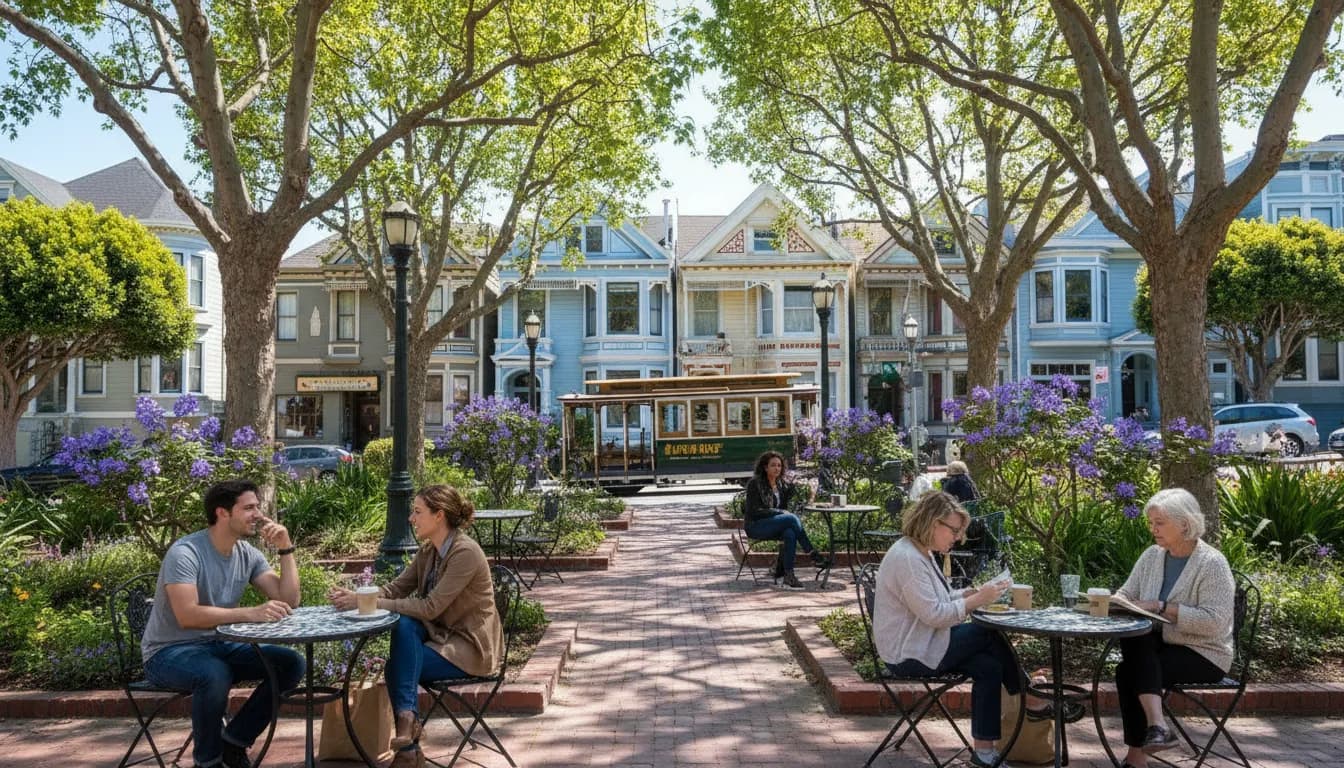
San Francisco’s neighborhoods reward curiosity and preparation. The city’s topography means walking routes can be steep, so wearing supportive, comfortable shoes is crucial. Microclimates shift rapidly: the Mission may bask in sun while the Richmond is cloaked in fog, so dress in adaptable layers. Public transit is extensive—BART and Muni serve the neighborhoods featured here, but always check real-time schedules on official SFMTA apps or websites before heading out. Traveling with mobility needs? Many Muni buses and Metro stations are accessible, but some older stops have stairs or steep approaches. Carry only essentials; keep wallets and phones secure, particularly in tourist-frequented spots and transit hubs. If a planned bus or train is delayed, have a backup: bike shares, rideshares, and walking routes are widely available. For current neighborhood events or park access, verify details with official sites like San Francisco Travel or SF Recreation and Parks to avoid surprises. Budget for meals, transit fares, and occasional admission fees, as each neighborhood offers a range of experiences for different price points.
Tags: #SanFrancisco #NeighborhoodGuides #TravelTips #LocalCulture #HiddenGems #WalkingTour #UrbanExploration #CityLife #TransitFriendly #Microclimates #StreetArt #LocalEats #AccessibleTravel #BayArea #ExploreSF
Sources consulted: SFMTA · San Francisco Travel · SF Recreation and Parks
All trademarks are the property of their respective owners.
Ask Karpo first
San Francisco’s neighborhoods each hold their own story and rhythm—waiting for you to uncover them beyond familiar sports debates. Use this guide as your starting point to step into local life, make new discoveries, and experience the city’s dynamic heart one district at a time.


