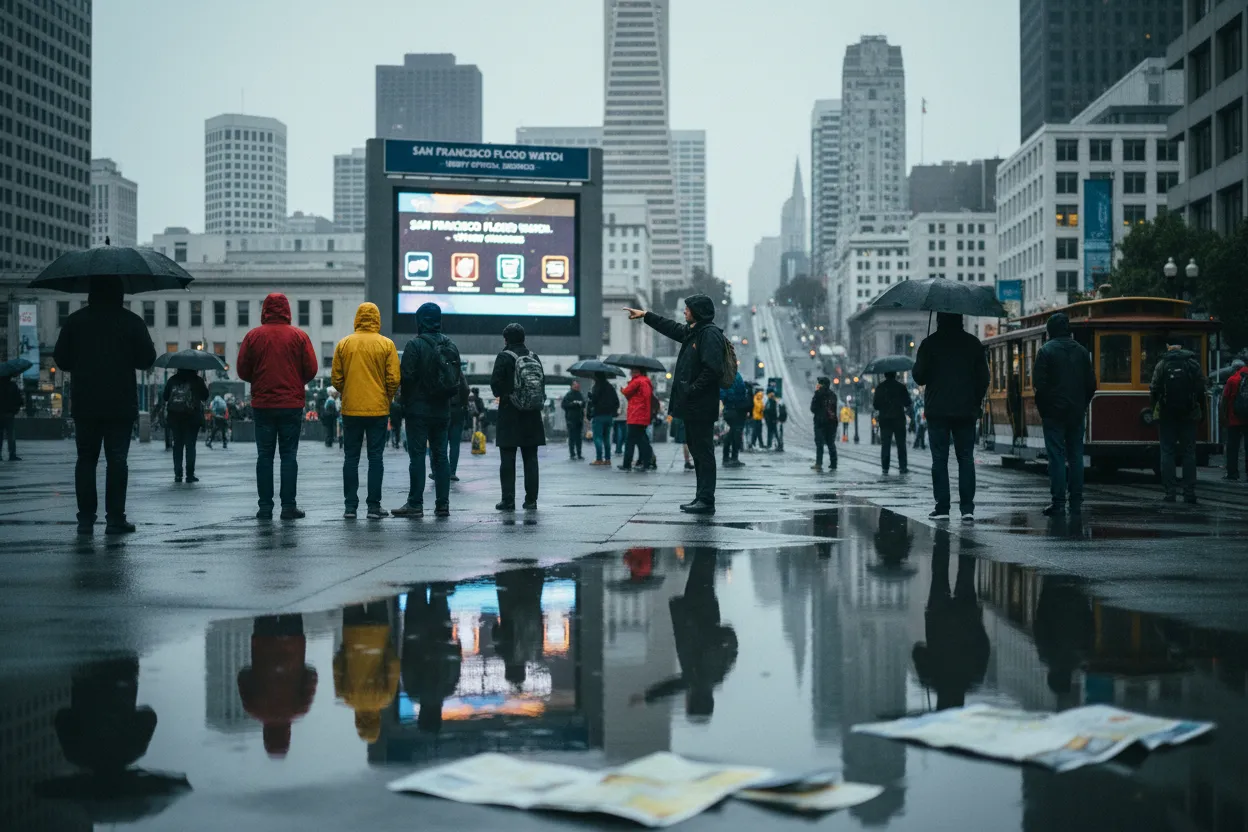
A San Francisco flood watch is not a prediction that every block will flood, but it is a serious planning signal. The National Weather Service says a Flood Watch means conditions are favorable for flooding; it does not mean flooding will occur, but it is possible. That distinction matters when you are deciding whether to drive across town, meet friends near an event, or choose a neighborhood errand route. San Francisco’s Department of Emergency Management says it helps the city prepare for emergencies, coordinates response across agencies, and shares timely, accessible, actionable information with the public. Before you act, verify current conditions, alerts, and safety instructions on official sources such as NWS flood safety information, AlertSF, and SF.gov emergency pages.
Want a quick second read before you cross town? Text Karpo with your neighborhood, destination, and timing, then compare the plan against official weather and emergency sources before leaving.

Translate The Search Into A Neighborhood Question
When people search for “san francisco flood watch,” the useful question is rarely abstract. It is usually: can I still get to this dinner, show, work shift, pickup, school errand, or weekend event without making a bad call? Start by naming the neighborhoods involved. Home, destination, parking area, transit stop, and the route between them all matter more than a citywide headline.
Use the National Weather Service definition as your baseline: a Flood Watch means conditions are favorable for flooding and that flooding is possible, not guaranteed. If the official source changes to a Flood Warning or Flash Flood Warning, the meaning changes too. NWS says a Flood Warning means flooding is imminent or occurring, and a Flash Flood Warning means take action. Verify the current official product before you decide to go.
Choose The Area By The Actual Task
Do not plan a whole weekend around a vague “San Francisco weather” take. Plan around the task. A short neighborhood grocery run, a cross-city drive, an outdoor meetup, and an event arrival all have different risk tolerances. For each one, ask what can be postponed, what can move indoors, who needs to be notified, and whether the trip depends on crossing areas you do not know well.
The San Francisco Department of Emergency Management says it leads city planning, preparedness, communication, response, and recovery for daily emergencies, large-scale citywide events, and major disasters. That makes official city emergency information the place to verify the public-safety picture before acting. If you are going to an event, do not assume yesterday’s plan still works; verify current emergency information, event communications, transit status, and route conditions on official sources before leaving.
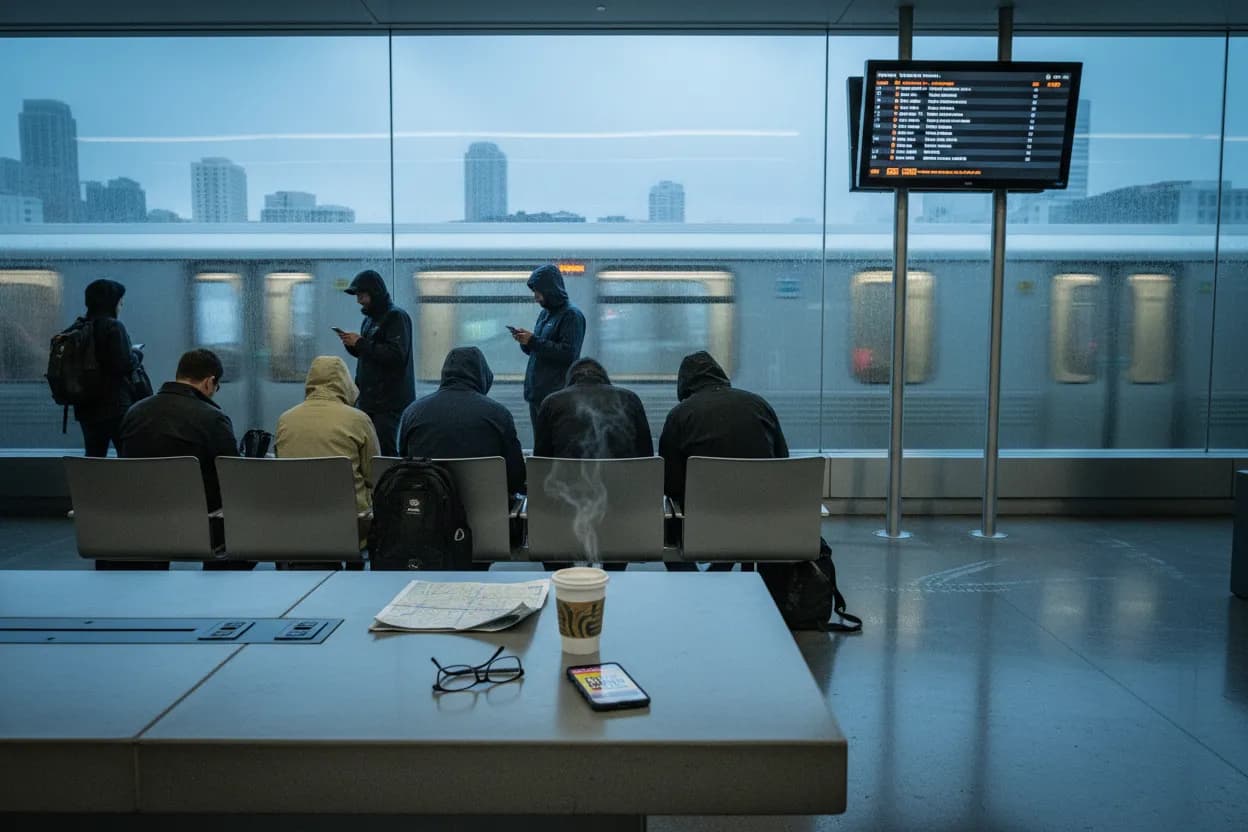
Use Transit Exits As Planning Anchors
A better flood-watch plan begins with exits, not vibes. If you are using transit, identify the station, stop, or pickup point you plan to use, plus a second way out if conditions change. This article cannot confirm live service, closures, delays, station access, or event crowding. Check the relevant official transit and city emergency pages before you go, and keep checking if conditions are changing.
For drivers, the same idea applies: decide where you would turn around before you are committed. NWS flood safety messaging includes the well-known principle “Turn Around Don’t Drown,” and its flood page explains that warnings require action when flooding is imminent or occurring. Do not use social posts, old maps, or a friend’s earlier drive as proof that your route is safe now. Verify current official road, weather, and emergency information before crossing the city.
Add One Indoor And One Outdoor Backup
For weekend plans, make two backups: one indoor option and one outdoor-but-flexible option. The indoor backup is for comfort and continuity if rain, delays, or warnings make the original plan unattractive. The outdoor backup is for a shorter, simpler plan closer to home if official conditions support going out but you want less exposure to cross-town uncertainty.
Do not invent certainty where none exists. This guide does not confirm that any venue is open, any event is proceeding, any reservation is available, or any neighborhood is clear. Before you go, verify the venue or organizer’s official page, city emergency information, NWS flood information, and any transit or parking updates you depend on. If the plan requires multiple fragile assumptions, simplify it.
Avoid Treating Online Attention As A Promise
A flood watch can turn into a citywide conversation quickly, but attention is not the same as verified safety information. A dramatic photo may be old. A route report may be from another neighborhood. A post about an event may not reflect the organizer’s latest instructions. Treat anything unofficial as a prompt to check, not as permission to proceed.
For emergency decisions, use the right official channel. The San Francisco Department of Emergency Management says 911 is for police, fire, and medical emergencies, while 311 is for city services, information, and non-emergencies. DEM also says AlertSF is a way to get emergency information about areas you choose, such as home, work, and schools. Verify current AlertSF and SF.gov information before relying on it for a specific trip.
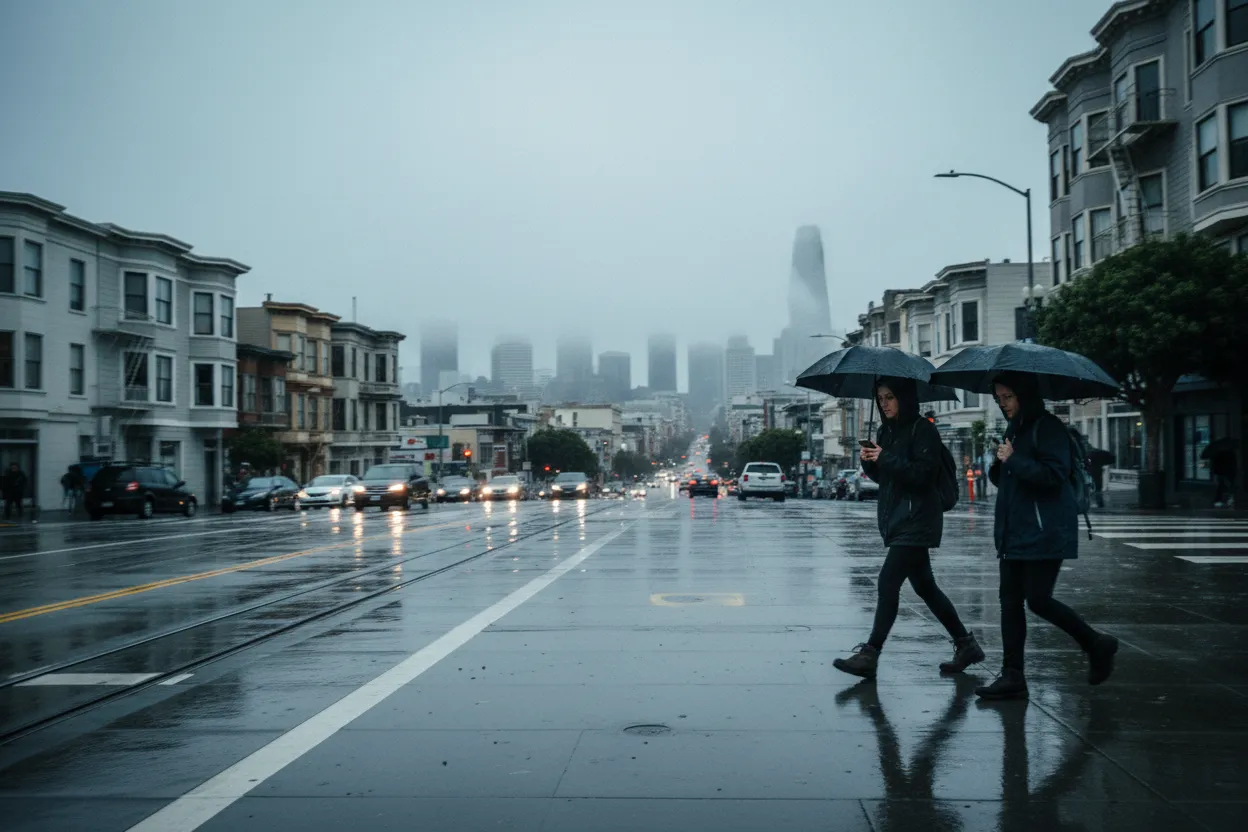
Verify Conditions Before Crossing The City
Before leaving, do a final three-part check. First, read the current National Weather Service information and confirm whether the status is a watch, advisory, warning, or flash flood warning. NWS defines a Flood Advisory as a situation that may cause significant inconvenience and could threaten life or property if caution is not exercised. Second, check San Francisco emergency information, including AlertSF if you use it. Third, verify the official page for the event, venue, transit provider, or destination.
Then make a plain-language decision: go, delay, switch neighborhoods, move indoors, or cancel. If there is an emergency, call 911 and stay on the line, giving your address, cross street, and what is happening, as DEM instructs. If it is a non-emergency city service or information issue, use 311. The safest plan is not the most ambitious plan; it is the one you can verify before you move.
Tags: #SanFrancisco #FloodWatch #WeatherSafety #NeighborhoodGuides #SFEvents #TransitPlanning #DrivingSafety #AlertSF #ReadySF #NWS #EmergencyPreparedness #WeekendPlans #AskKarpo #BeforeYouGo
Sources consulted: SF Department of Emergency Management · National Weather Service Flood Safety · San Francisco Travel
All trademarks are the property of their respective owners.
Ask Karpo first
Ask Karpo first when a San Francisco plan depends on weather, transit, event timing, or a cross-city drive. Share the neighborhood, destination, and backup options, then verify every current alert, closure, schedule, and safety instruction on the official source before you go.


