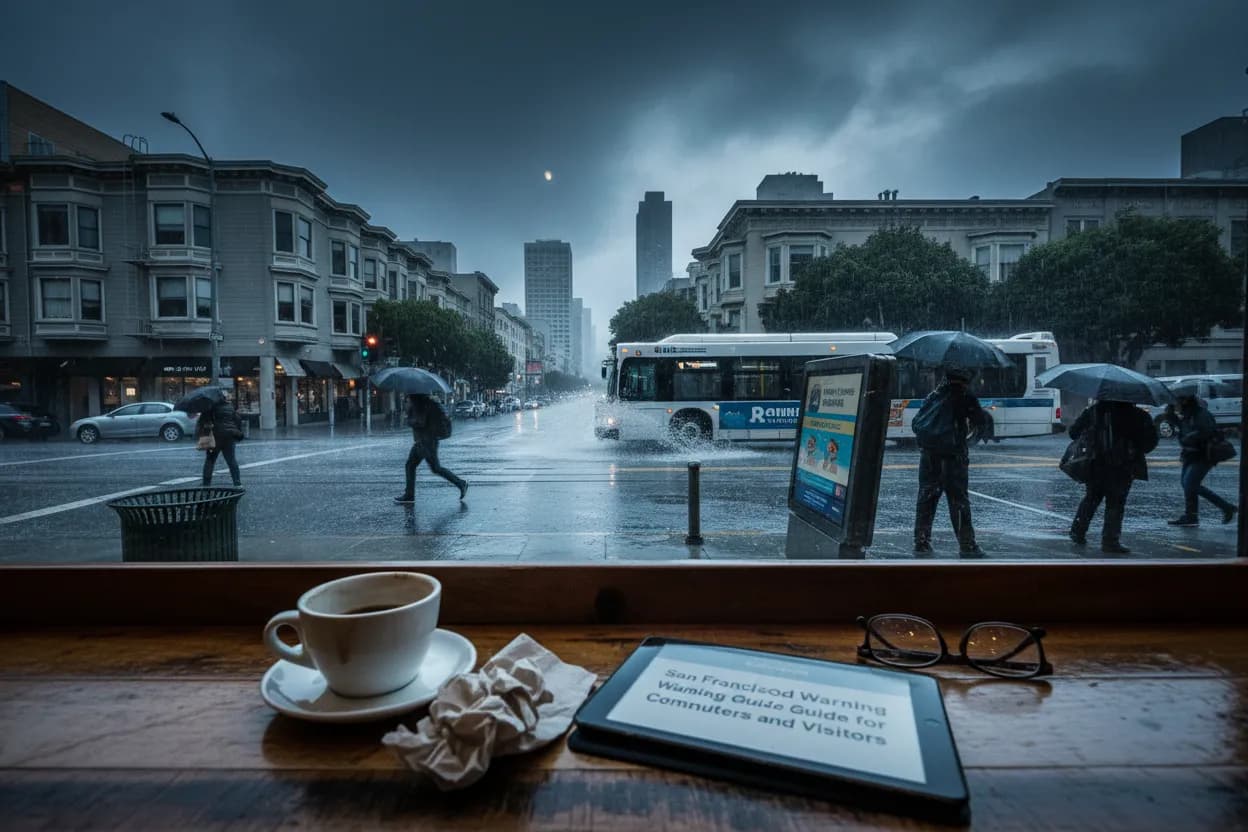
A San Francisco flash flood warning is not background noise for later; it is a take-action message that can change how you commute, meet friends, or move between a hotel, workplace, school, and home. The National Weather Service says a Flash Flood Warning is issued when a flash flood is imminent or occurring, and people in flood-prone areas should move immediately to high ground. San Francisco’s Department of Emergency Management leads planning, preparedness, communication, response, and recovery for daily emergencies, major disasters, and large citywide events. Treat this guide as a practical planning worksheet, then verify current alerts, conditions, and instructions on official sources before you go.
Want a quick second check before you cross town? Text Karpo with your starting area, destination, and timing, then use the official links here to verify current alerts before acting.

Translate The Search Into A Neighborhood Question
When someone searches for a san francisco flash flood warning, the useful question is not simply “Is it raining?” It is “What official warning applies to the areas I care about right now?” The San Francisco Department of Emergency Management says AlertSF is the best way to start, because it provides emergency information about the areas you want to know about, such as your home, workplace, and schools. Before commuting or visiting, verify current emergency information through SF DEM at https://www.sf.gov/departments--department-emergency-management and the official AlertSF path listed there.
The National Weather Service distinction matters. A Flood Watch means conditions are favorable for flooding, but it does not mean flooding will occur. A Flood Advisory means a forecast event may cause significant inconvenience and could threaten life or property if caution is not exercised. A Flood Warning means flooding is imminent or occurring. A Flash Flood Warning means a flash flood is imminent or occurring, and the NWS says people in flood-prone areas should move immediately to high ground. Check the current NWS page before making a route decision: https://www.weather.gov/safety/flood-watch-warning.
Choose The Area By The Actual Task
San Francisco planning gets clearer when you organize the day by task instead of by optimism. Are you going to work, returning to a hotel, picking someone up from school, attending a citywide event, or deciding whether to postpone a meetup? SF DEM’s role includes emergency communication between the public and first responders, plus coordination for daily emergencies, large scale citywide events, and major disasters. That makes the official city source the right place to verify public-safety information before you act.
Do not assume one citywide answer fits every movement. Save the official DEM page, the ReadySF link listed on that page, and the NWS flood safety page before you need them. If any alert, closure, transit condition, event status, or public-safety instruction could affect your plan, verify it directly on the official page at the time you intend to travel. This article does not provide live conditions, live warnings, schedules, or guarantees.
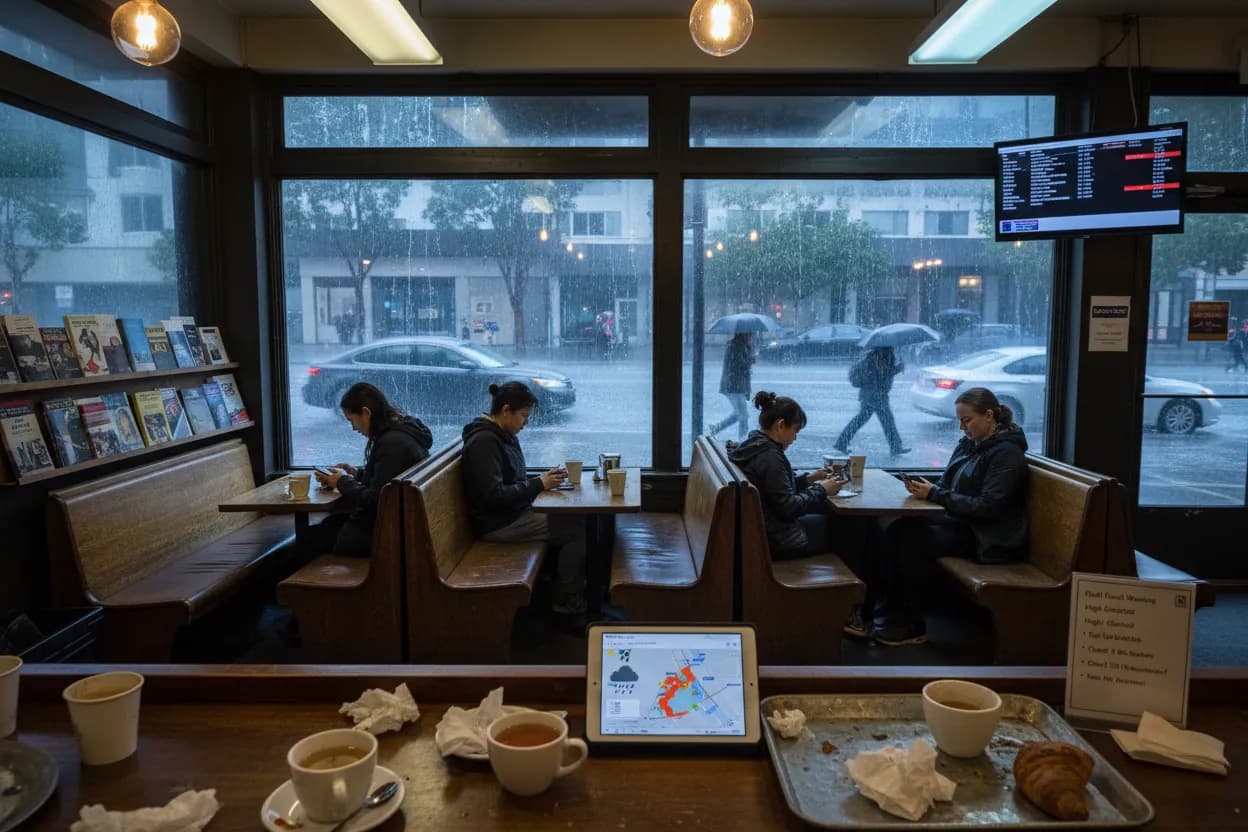
Use Transit Exits As Planning Anchors
For commuters and visitors, a good flood plan starts with exits, not attractions. Pick the public place where you would stop, turn around, or wait if an official warning changes your route. The NWS language is direct: during a Flash Flood Warning, take action because a flash flood is imminent or occurring. It also notes that flash floods can develop in minutes to hours and can happen even in areas not immediately receiving rain. That means your plan should not depend only on what you can see from one block or one station entrance.
Before crossing the city, verify current transit, street, weather, and public-safety information on official sources. This guide cannot confirm train service, bus detours, road status, platform access, rideshare availability, or building openings. If you need help because of a police, fire, or medical emergency, SF DEM says to call 911, stay on the line, and give your address, cross street, and what is happening. For City services, information, and non-emergencies, SF DEM says 311 is the right call.
Add One Indoor And One Outdoor Backup
A practical San Francisco plan should include one indoor backup and one outdoor backup, but both must be verified before use. “Indoor” could mean a place you are already allowed to enter, such as your workplace, school, hotel, or another prearranged stop. “Outdoor” should mean a safer public point you can identify without guessing, preferably away from places where water may collect. The NWS instruction for people in flood-prone areas under a Flash Flood Warning is to move immediately to high ground.
Do not invent backup access. Confirm whether your indoor option is open, reachable, and appropriate before you rely on it. Confirm whether your outdoor option is safe under the current official warning. ReadySF, linked from SF DEM, is described by the city as the place to find what you need to know before, during, and after an emergency. Use it to build a personal plan, then check current instructions before moving.
Avoid Treating Online Attention As A Promise
Search results, social posts, screenshots, and forwarded texts can help you notice a potential problem, but they are not a promise that conditions are safe, unsafe, over, or unchanged. Flood products have specific meanings. A Watch is about favorable conditions. An Advisory is about a forecast event that may cause significant inconvenience. A Warning is about imminent or occurring flooding. A Flash Flood Warning is the highest urgency in this guide because the NWS says to take action when flash flooding is imminent or occurring.
The same skepticism applies to visitor planning. A tourism website, event page, restaurant listing, or map result may not reflect emergency conditions. The San Francisco Travel extract available here only shows a security verification page, so it should not be used for any live visitor claim. Before you buy, book, cross town, or meet someone, verify official emergency information through SF DEM, official weather information through the NWS, and any separate venue, transit, or event status on its own official source.

Verify Conditions Before Crossing The City
Use a short checklist each time the weather could affect movement: check whether an NWS Watch, Advisory, Warning, or Flash Flood Warning is active; check SF DEM or AlertSF for emergency information tied to the areas you care about; decide whether your task is necessary; identify the address and cross street where you are starting; and confirm the safest public plan before leaving. If an emergency develops, SF DEM says 911 callers should stay on the line and describe the address, cross street, and what is happening.
The point is not to become a weather expert. The point is to slow down long enough to separate current official information from assumptions. On Tuesday, August 11, 2026, the smart move is the same as on any storm day: verify the latest conditions on the linked official sources before acting. If the official message says take action, do not wait for a trend, a friend’s opinion, or a clearer photo.
Tags: #SanFrancisco #FlashFloodWarning #FloodSafety #AlertSF #ReadySF #NationalWeatherService #SFDEM #CommuterSafety #VisitorGuide #EmergencyPreparedness #WeatherSafety #NeighborhoodGuides #AskKarpo #BeforeYouGo
Sources consulted: SF Department of Emergency Management · National Weather Service Flood Safety · San Francisco Travel
All trademarks are the property of their respective owners.
Ask Karpo first
Ask Karpo first when you are deciding whether a San Francisco trip across town still makes sense. Share your start, destination, time window, and backup options, then verify the latest official weather and emergency information before you leave.


