
San Francisco plans can change fast when smoke, ash, pollution, heat, or emergency conditions enter the picture. A useful San Francisco air quality guide should not tell you that today is “fine” or that one neighborhood is always better than another. It should help you make a decision you can verify. Before you pick a waterfront walk, a park hangout, a bike commute, or a long transfer across town, check the official air-quality source for current conditions, then shape the plan around the people going with you. Children, older adults, pregnant people, and anyone with respiratory or heart conditions may need a more conservative plan when air quality is poor.
Want a quick second opinion before you commit to a route, meetup, or outdoor plan? Text Karpo with the neighborhood, timing, and your backup options, then verify live conditions on the official source before leaving.

Translate The Search Into A Neighborhood Question
The phrase “San Francisco air quality” sounds citywide, but your real question is usually local: Can I walk the dog in the Mission? Should I bike from the Sunset to downtown? Is a waterfront meetup still worth it? Start by checking [AirNow](https://www.airnow.gov/), which provides current and forecast air quality for your area and is the home of the U.S. Air Quality Index. The AQI is the number to verify before you act, because it reflects how much smoke, ash, and pollution is in the air.
Then match the answer to the people and activity involved. SF.gov says poor air quality can contribute to eye and throat irritation, coughing, and difficulty breathing. It also says vulnerable groups, including children, older adults, pregnant individuals, and people with respiratory or heart conditions, should use extra caution during these events. That means the same AQI reading may lead to different decisions for a solo errand, a stroller walk, a pickup game, or a visit with an older relative.
Choose The Area By The Actual Task
Do not choose a neighborhood just because it looks appealing on a social post. Choose it by the task. If you are doing a short errand, the best plan may be the nearest indoor stop, not a scenic detour. If you are meeting friends, choose a place where everyone can shorten the outing if the air worsens. If you are planning exercise, remember that SF.gov advises reducing physical activity and outdoor exposure when air quality is poor, and limiting strenuous activities if you must go outside during an air quality emergency.
For a weather planning guide, build your day in layers. First verify current and forecast AQI on [AirNow](https://www.airnow.gov/). Then check [SF.gov’s air quality page](https://www.sf.gov/air-quality) for city guidance about smoke, pollutants, and emergency preparedness. If conditions are poor, consider whether the task can move indoors, shrink in duration, or wait. Avoid making health decisions from vibes, skyline photos, or yesterday’s conditions.
Use Transit Exits As Planning Anchors
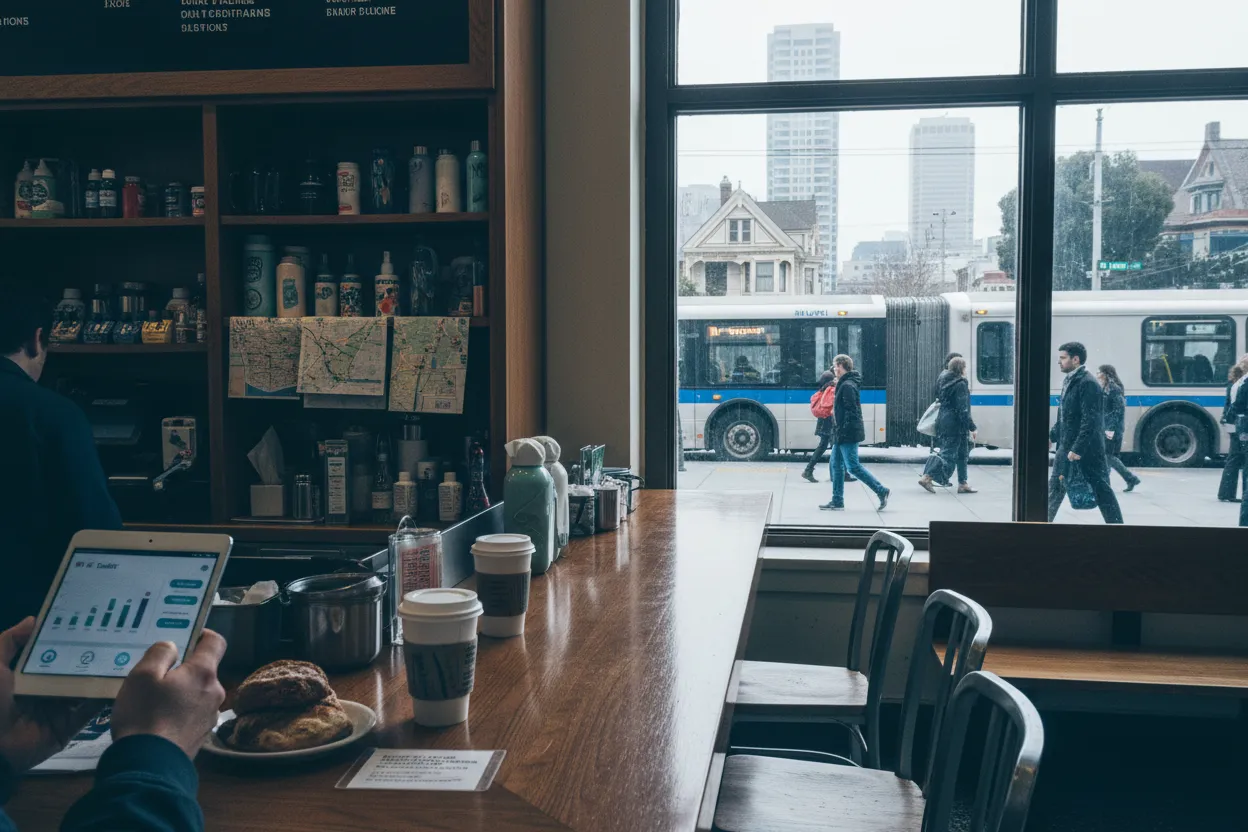
San Francisco commutes often involve walking at both ends, not just sitting on transit. Treat station exits, bus stops, rideshare drop-offs, and parking locations as exposure points. Before leaving, verify the current AQI and think through how long you will actually be outdoors between doors. A short cross-neighborhood ride can still include a windy platform wait, a hill climb, or a longer-than-expected walk to the final address.
If the air is poor, SF.gov advises staying indoors as much as possible with windows and doors closed. For necessary travel, it advises limiting strenuous outdoor activity. In practical terms, that may mean choosing the route with the shortest outdoor walk, avoiding a transfer that requires extra waiting outside, or moving a meetup closer to the stop. If you are driving, SF.gov says to set car vent systems to recirculate to help prevent outside air from moving inside during poor air quality.
Add One Indoor And One Outdoor Backup
A strong plan has two backups: one indoor and one outdoor-shortened version. The indoor version could be a public building with better air filtration, because SF.gov says that if keeping indoor air clean is not possible, people should consider visiting a public building with better filtration, such as a library or mall. Before going, verify the building’s current hours, access, services, and any temporary changes on its official page; do not assume it is open or available.
The outdoor-shortened version is the plan you use if the errand still matters but the hangout does not. Replace a long walk with a direct pickup, a viewpoint stop with a quick photo, or a run with a low-exertion trip. If smoke or heavy pollution is present, SF.gov says people who must be outdoors for long periods, in heavy smoke, or where ash is disturbed may want a NIOSH-certified N95 respirator mask. People with lung or heart conditions should check with their doctor before using one, because respirators can make it harder to breathe.
Avoid Treating Online Attention As A Promise
Online buzz is not a public-safety signal. A neighborhood can be trending for a park, restaurant corridor, street view, or event while the air is not appropriate for your group. This is especially important when wildfire smoke or other pollutants affect the city. SF.gov says air quality emergencies can arise from wildfires, industrial incidents, or other events that release pollutants into the atmosphere. Those conditions can change, so verify current information before crossing the city.
Be skeptical of screenshots, reposted maps, and secondhand claims. Use [AirNow](https://www.airnow.gov/) for current and forecast air quality and SF.gov for San Francisco emergency guidance. SF.gov also recommends signing up for Spare the Air alerts from the Bay Area Air Quality Management District for email or text updates when air quality reaches unhealthy levels. Before relying on any alert, subscription, or advisory, verify the latest status on the official source.

Verify Conditions Before Crossing The City
Your final check should happen right before you leave, not the night before. Verify the AQI on [AirNow](https://www.airnow.gov/), review [SF.gov air quality guidance](https://www.sf.gov/air-quality), and confirm any place-specific details on the official page for the destination. If heat is part of the decision, SF.gov says air quality emergencies often occur during extreme heat and points residents to its Heat Wave Map for real-time information on cooling center locations, public pools, and water fountains. Check that map during heat waves before using those resources.
Also plan for communication. SF.gov says to sign up for AlertSF for important updates before, during, and after emergencies, and notes that people can text their ZIP Code to 888-777 or sign up at AlertSF.org. During an air quality emergency, SF.gov encourages checking on neighbors by call, text, or visit, especially older adults living alone and people with disabilities or medical conditions. If anyone has a medical emergency, call 911.
Tags: #SanFrancisco #SanFranciscoAirQuality #AQI #AirNow #SFgov #OutdoorPlans #CommutePlanning #WildfireSmoke #WeatherPlanning #NeighborhoodGuides #LocalGuide #EmergencyPreparedness #AskKarpo #BeforeYouGo
Sources consulted: SF.gov Air Quality · AirNow · San Francisco Travel
All trademarks are the property of their respective owners.
Ask Karpo first
Ask Karpo first when you are choosing between a walk, ride, errand, or indoor backup in San Francisco. Share the neighborhood, who is going, and how flexible the plan is; then verify current AQI, alerts, access, and conditions on the official source before you go.


