 Mediterranean Food Near Me in Brickell: Zaytinya Spreads a Mezze Table
Neighborhood Guides
salmonella outbreak linked to eggs: How to Navigate Miami Without Guessing
A Miami route-planning guide for using a national food-safety headline as a prompt to check official local details before moving across town.
A national headline can make a Miami day feel harder to plan, especially when food, crowds, warm weather, and cross-city movement are involved. The phrase salmonella outbreak linked to eggs is useful here as a reminder to verify before you commit, not as evidence that a Miami restaurant, market, hotel, beach, venue, neighborhood, or event is connected. The official visitor site presents Greater Miami and Miami Beach as a destination shaped by beaches, culinary experiences, arts and culture, neighborhoods, outdoor activities, events, tours, hotels, and live webcams. That breadth is exactly why a careful plan helps. A good Miami day does not start with panic or a viral post. It starts with the actual errand: where you are going, which official page supports the stop, how you will get there, what you need indoors, and what you will do if transit, access, weather, crowding, or comfort changes.
Want a second set of eyes before you cross the causeway? Text Karpo to check the neighborhood sequence, transit anchors, indoor backup, outdoor backup, and verification points for this Miami plan.
Translate the headline into a neighborhood question
When salmonella outbreak linked to eggs is circulating, the practical Miami question is not “Is Miami involved?” unless an official source says so. The better question is: “Does today’s plan depend on a specific food stop, crowded event, timed outing, or hard-to-replace venue?” That keeps the headline in its proper lane. It becomes a planning prompt, not a local allegation.
Miami rewards that restraint. The official destination site describes Greater Miami and Miami Beach through beaches, a culinary scene, arts and culture, outdoor activities, attractions, museums, galleries, live music, theater, dance, festivals, tours, hotels, and neighborhoods. Those are useful planning categories, but they do not prove same-day availability, entry conditions, hours, prices, or participation details for any one place. Treat the broad category as inspiration and the official listing as the thing to check.
Start by naming the area before naming the attraction. If the goal is beach time, the official site includes South Beach and Mid Beach webcams. If the goal is a Downtown check, Bayfront Park appears in the official webcam list. If the goal is culture or visual arts, the official site points to arts and culture, galleries, museums, festivals, and Wynwood Walls. The action is simple: match the plan to the place, then verify the specific official page before building the day around it.
Choose the area by the actual task
For a food-aware day, choose the area by what you need to accomplish, not by what is loudest online. A beach-centered plan belongs near the beach. A Downtown plan may be better when the anchor is Bayfront Park or a transit-connected stop. A Wynwood plan makes more sense when the main task is art or a visual-culture outing. A Little Havana plan should be checked against the official detail you are using, such as the Calle Ocho webcam or a listed experience.
If you are building a route around an official event listing, keep the listing in the center and make everything else optional. The official Miami site’s featured examples for August 6, 2026 include “MOAD Movies: The Last Days of the Miami News,” “CAP Summer Series: Clayton Stephenson” in Coral Gables, “Contemporary Performance Open Stage,” described as a free outdoor program on Lincoln Road in Miami Beach, and “Jamaican Independence Day” at ZeyZey Miami in Little Haiti. Those examples show how spread out official listings can be. They should not be treated as interchangeable stops.
A useful sequence is one primary area, one nearby food option to verify, and one backup that does not require a major cross-city move. Miami is generous, but the official materials still point to many distinct places: South Beach, Mid Beach, Downtown Miami, Biscayne Bay and PortMiami, Calle Ocho, Lincoln Road, Miami International Airport, Ocean Drive, Coconut Grove, Virginia Key Beach Park, Key Biscayne, Sunny Isles Beach, and Wynwood Walls. Build around proximity, not just interest.

Use transit exits as planning anchors
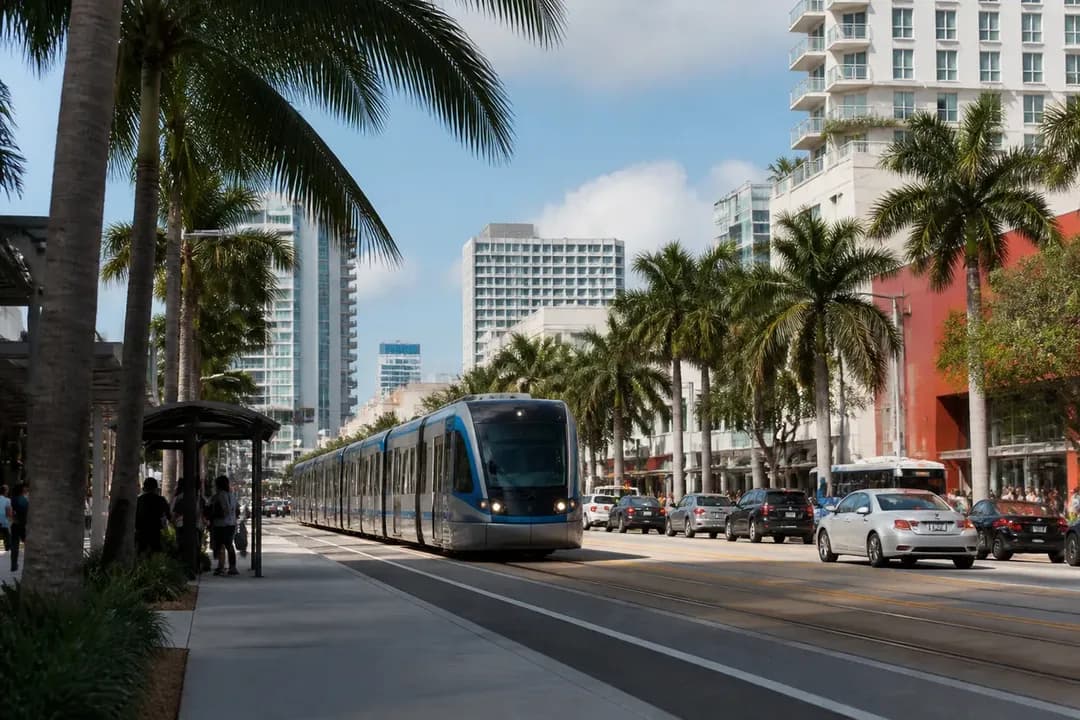
Miami-Dade Transit is a strong planning backbone when you want fewer parking decisions, but the official county page should be checked close to departure. The county describes the transit system as including Metrobus, BRT Metro Express, Metrorail, Metromover, MetroConnect microtransit service, and Special Transportation Service. It also points riders to service updates, rider alerts, a trip planner, and real-time bus and train tracking. Use those tools before assuming that a remembered route still works for the day.
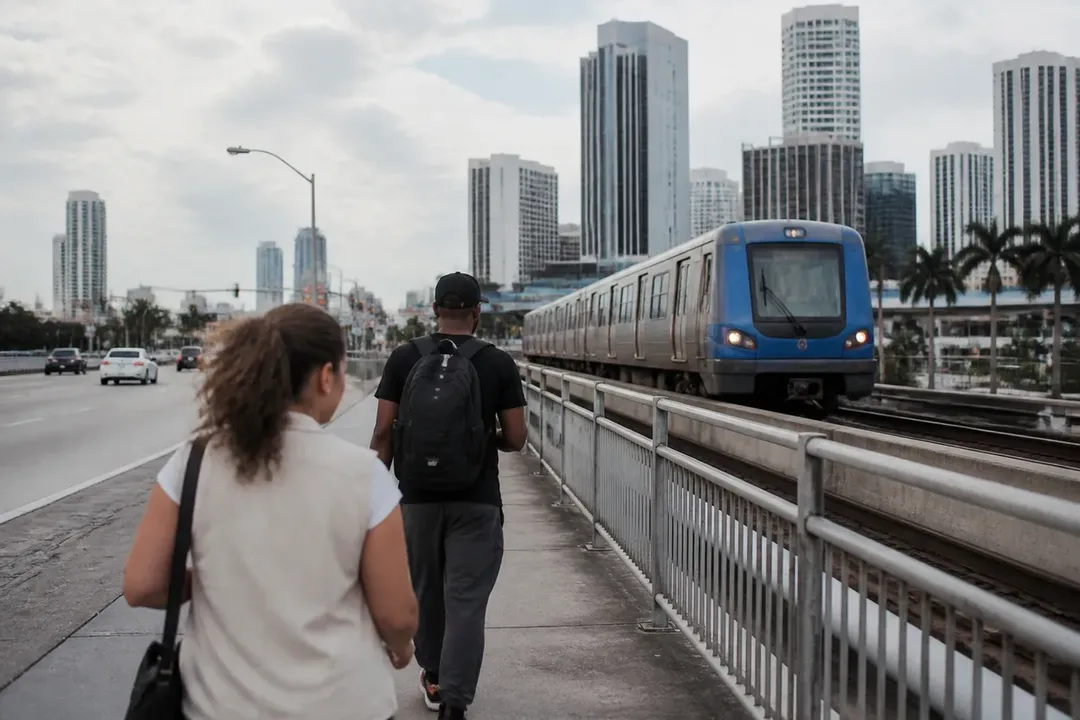
Downtown plans deserve extra attention because the county lists an important Metromover operating note. Miami-Dade says Metromover is operating a modified Inner Loop, with trains running on the same track as the Brickell and Omni Loop. It also says Inner Loop trains will not appear on the platform display. The precise actionable detail is to look inside the train to confirm the loop designation before boarding.
Access checks matter too. The county provides elevator and escalator status information, which is worth checking if anyone in your group depends on step-free movement, luggage-friendly access, or reduced walking. For airport-linked plans, the county’s transportation page says the Orange Line can be used to go to and from the Miami International Airport station for $2.25 each way. Because fares and service details can change, check the county page before riding.
Add one indoor and one outdoor backup
Miami plans should have two backups: one indoor-leaning option and one outdoor option. The official destination site gives enough categories to build that flexibly. It points visitors toward attractions, outdoor activities, tours and excursions, sports, arts and culture, museums, galleries, Wynwood Walls, live music, theater, dance, festivals, beaches, hotels, dining, Miami Spa Months, Miami Spice, and August events. Use those categories as a menu, then verify the specific official listing or venue detail before moving.
For an outdoor backup, choose something that matches your current side of the plan. If you are already using Miami Beach details, the official webcam list includes Lincoln Road, Ocean Drive, South Beach, Mid Beach, and Sunny Isles Beach. If you are Downtown, Bayfront Park appears as an official webcam location. If you are considering Key Biscayne or Virginia Key Beach Park, keep that choice attached to the relevant official place detail rather than turning it into a rushed add-on.
For an indoor or less weather-exposed backup, keep the same principle. A museum-style arts stop, a Coral Gables performance listing, a Wynwood-focused plan, or a hotel-based reset should be selected for proximity and official confirmation, not because a headline made the original food stop feel uncertain. The point is to avoid one fragile itinerary where a changed transit condition, uncomfortable dining choice, or unclear listing disrupts the whole afternoon.
Avoid treating online attention as a local promise
Online attention compresses distance. A national food-safety phrase, a celebrity post, a team mention, or a venue rumor can make it sound as if something is happening around the corner. For this guide, salmonella outbreak linked to eggs is only a reminder to verify. It is not proof of a Miami appearance, local outbreak connection, official partnership, restaurant issue, hotel issue, beach issue, transit issue, or neighborhood event.
That distinction protects your time. Do not reroute across Miami because a post uses a city name loosely. Do not assume a listed event has entry available, a restaurant is part of a deal, or a transit connection is operating normally until you check the official source. The official visitor site highlights Miami Spa Months in July and August and Miami Spice in August and September, but that broad seasonal wording still does not confirm the details for any individual business or plan.
The same goes for live webcams and visual checks. The official destination site lists webcams for Sunny Isles Beach, South Beach, Mid Beach, Bayfront Park, Biscayne Bay and PortMiami, Calle Ocho, Lincoln Road, Miami International Airport, Ocean Drive, Sailboat Bay in Coconut Grove, Virginia Key Beach Park, and Wynwood Walls. A webcam can help you assess visible conditions at a glance. It does not replace official venue, event, food-safety, transit, access, or fare information.
Verify conditions before crossing the city
Before you cross the city, run a five-point check: the official event or destination page, the venue or public-space detail, Miami-Dade rider alerts, elevator or escalator status if needed, and one backup in the same general area. This is especially useful when the plan includes a causeway, airport leg, beach visit, timed performance, or food stop that would be hard to replace. The cost of checking is small compared with a failed cross-town move.
For Downtown or Metromover-based movement, confirm the loop designation inside the train and watch the county’s service updates. For Metrorail, keep rider alerts in the check because the county says DTPW performs single-tracking work for service improvements and safety on weekends and after 8 p.m. on weekdays. For Metrobus, Metro Express, or other transit modes, use the county trip planner and real-time tracking tools where available, then keep walking distances realistic.
For food stops, keep the claim narrow: verify the place you plan to visit, the meal or deal you are counting on, and any official public-health or operating notice that affects your decision. If you cannot verify it, choose a simpler meal and keep the neighborhood plan intact. Miami is easier when you treat each decision as replaceable except the big ones: where you start, where your transit anchor is, and how you get home.
Tags: #AskKarpo #BeforeYouGo #Miami #MiamiBeach #SouthBeach #DowntownMiami #Wynwood #LittleHavana #CoralGables #CoconutGrove #MiamiTransit #NeighborhoodGuides #TravelPlanning #PublicSpacePlanning
Sources consulted: miamiandbeaches.com · miamidade.gov · miamidade.gov
All trademarks are the property of their respective owners.
Ask Karpo first
Ask Karpo first when a headline makes a Miami plan feel uncertain. Share the neighborhood, starting point, must-do stop, transit preference, and backup comfort level. Karpo can help separate verified logistics from online noise before you spend the afternoon crossing town.
Ask Karpo for more information.
Keep reading
- Mediterranean Food Near Me in Brickell: Zaytinya Spreads a Mezze Table
 Places To Eat Near Me: The Lincoln Eatery Lines Up Local Vendors
 Dinner Near Me in Little Havana: Café La Trova Shakes Cantinero-Style