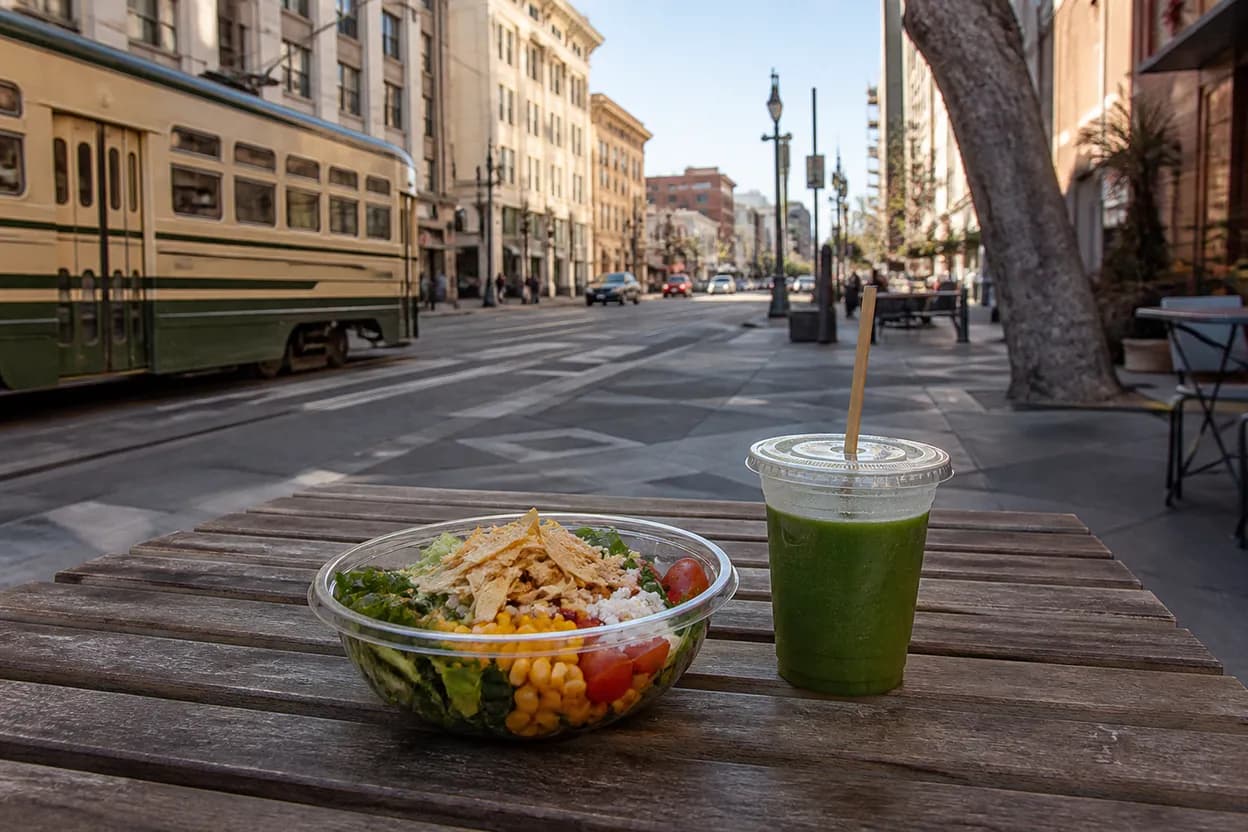
The phrase salad and go is useful in San Francisco only if you treat it as a question, not an answer. A fast-moving search term can make a lunch stop, neighborhood errand, or cross-town plan feel confirmed before anything local has actually been verified. San Francisco punishes that kind of guessing: a short distance on the map can become a slow transfer, a blocked street, a full indoor space, or a weather-exposed wait. The better move is to build a public plan from official checks first. As of Friday, August 7, 2026, that means using SFMTA’s trip-planning tools, alerts, route and stop information, accessibility resources, and travel updates before you commit to a neighborhood, meetup point, or backup.
Want a fast sanity check before you cross town? Text Karpo with your starting point, target neighborhood, timing, mobility needs, and one backup option you would actually accept.

Translate the headline into a neighborhood question
Start by stripping the phrase salad and go down to the actual decision you need to make. Are you trying to find a quick meal near a transit stop, choose a neighborhood for a low-friction meetup, avoid a crowd, or keep an errand short enough to fit between appointments? Those are different plans. In San Francisco, the right neighborhood is rarely just the one that sounds most convenient online; it is the one that matches your arrival mode, walking tolerance, time window, and backup options.
Do not assume a search spike means a local location, promotion, event, or endorsement exists. The safer question is: “Where can I complete this task with the least uncertainty if the first stop fails?” That framing protects you from building the day around an unverified claim. It also keeps the plan practical: pick a target area, identify how you will get there, check what could disrupt the trip, and decide in advance when to pivot.
Choose the area by the actual task
If the task is a quick bite, choose an area where your next step is easy even if the food plan changes. If the task is a meeting, choose the area by who has the least flexible trip. If the task includes a park, open space, or recreation stop, verify changing details on the official San Francisco Recreation and Parks site before relying on access, facilities, or conditions. The official-source rule is simple: if a detail can change, check it at the source before you move.
SFMTA’s public site is useful because it organizes city movement by mode and need: Muni, walking, biking, driving and parking, taxi, and accessibility. That lets you compare neighborhoods by the trip you are really taking, not by a vague idea of what is nearby. A plan that works by Muni may not work as well by car; a walkable plan for one person may not be accessible for another. Decide the task first, then select the area.
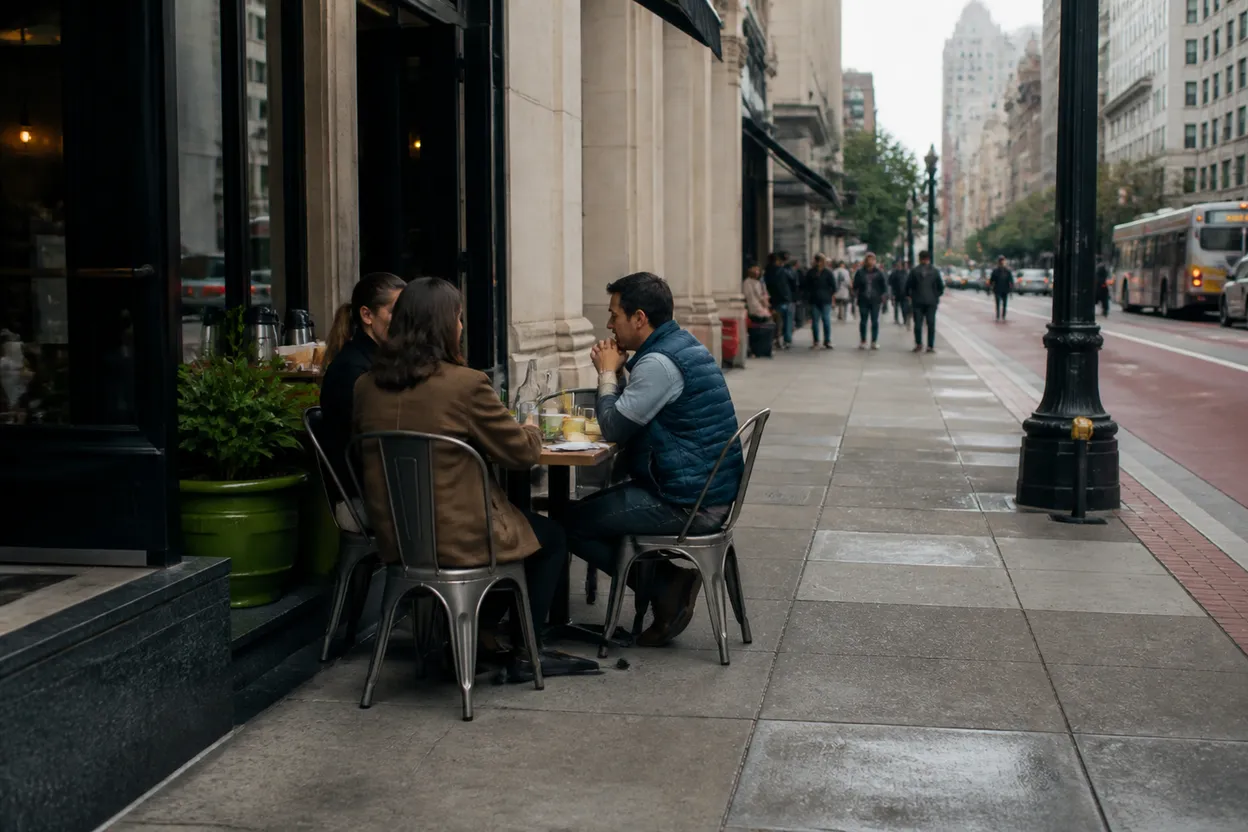
Use transit exits as planning anchors
In San Francisco, “near transit” is not specific enough. Anchor your plan to the stop, route, or exit you will actually use, then work outward. SFMTA provides route and stop information for Muni trains, buses, historic streetcars, and cable cars, plus a trip planner for Muni, bike, walk, drive, and other travel modes. Use those tools before choosing the final block, especially if you are coordinating with someone who is arriving from another part of the city.
Build the first ten minutes after arrival into the plan. Where will you meet if the sidewalk is crowded? Is the destination uphill from the stop? Is there an accessible path that matches the person who needs it most? SFMTA also lists accessibility resources, which matters when a plan depends on more than just distance. A short route that is hard to board, hard to exit, or hard to walk is not actually a short route.
Do one more check close to departure. SFMTA’s site displays alerts and travel updates, including recent service notices and neighborhood-specific items. On August 7, its homepage also referenced Outside Lands Aug. 7-9, Muni service changes starting Aug. 29, Chinatown construction dated July 30-Aug. 9, Hayes Valley Shared Spaces on Fridays and Saturdays in August 2026, and bus service substitution information updated July 6. Treat those as prompts to verify the current page, not as permanent conditions.
Add one indoor and one outdoor backup
A good San Francisco neighborhood plan has two backups: one indoors and one outdoors. The indoor backup covers fog, wind, fatigue, bathroom needs, charging needs, or a crowded sidewalk. The outdoor backup covers a packed lobby, a wait you do not want, or a plan that becomes too loud. You do not need a long list. You need one realistic alternative in each category, close enough that switching does not restart the whole trip.
For any park, plaza, recreation site, or facility-dependent outdoor option, verify the latest status through the official San Francisco Recreation and Parks website. The source available here could not render details, which is exactly why a verification-first plan matters. Do not assume facilities, access, programming, or conditions from memory, a social post, or an old map result.
Set a pivot rule before you leave. For example: if the first stop has a line that breaks your schedule, switch to the indoor backup; if the indoor option is full, use the outdoor backup only after checking official access information. The point is not to eliminate uncertainty. It is to keep uncertainty from making every decision for you.
Avoid treating online attention as a local promise
The most common mistake with a phrase like salad and go is to mistake attention for confirmation. A phrase can be widely searched without proving anything about a San Francisco opening, a partnership, a giveaway, a pop-up, or a guaranteed local experience. Unless an official local source confirms the detail you need, keep your plan brand-neutral and task-focused.
That does not make the search useless. It can still reveal what people are trying to solve: speed, convenience, a healthier meal, or a quick stop between transit legs. Use that intent to shape the route. Choose a neighborhood where you can still eat, meet, walk, or change plans without depending on one unverified result.
Be especially careful with claims that would change someone’s trip: special access, appearance windows, event timing, limited availability, closures, and transportation disruptions. If the claim is not on an official source, do not build the day around it. If it is on an official source, recheck it close to departure because San Francisco transportation and access conditions can change.
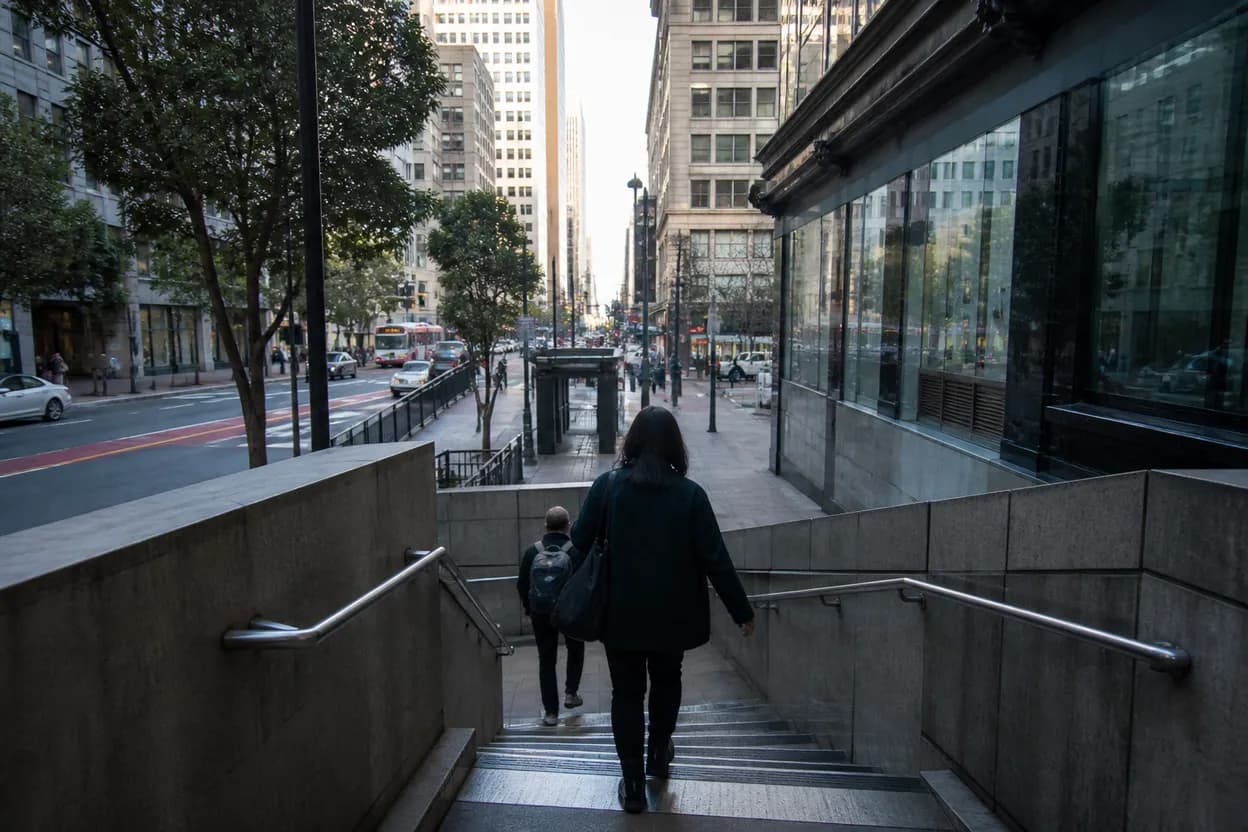
Verify conditions before crossing the city
Your final check should happen before you commit to the cross-town leg, not after you are already on it. Open SFMTA for the route, stop, alert, and travel-update view that matches your mode. If you need help beyond the web page, SFMTA lists 311 for assistance, with an outside-San-Francisco number and TTY number, and also points users to 511 regional information. Those are practical resources when the question is bigger than a single route.
Check three things in order: whether your chosen mode is still reasonable, whether the neighborhood has any relevant travel notice, and whether your backup is still close enough to matter. If the answer to any one of those is no, change the plan before you leave. The winning San Francisco plan is not the most ambitious one; it is the one that survives the first broken assumption.
Finally, write the plan in one sentence: “I am going from this starting point to this neighborhood by this mode, checking this official page, and switching to this backup if the first stop fails.” If you cannot finish that sentence, you are still guessing. That is the moment to slow down, verify, and pick the route that gives you the cleanest exit.
Tags: #AskKarpo #BeforeYouGo #SanFrancisco #SFMTA #Muni #NeighborhoodGuides #TransitPlanning #SFTravel #CityGuide #AccessCheck #CrowdRisk #BackupPlan #LocalPlanning #VerificationFirst
Sources consulted: sftravel.com · sfmta.com · sfrecpark.org
All trademarks are the property of their respective owners.
Ask Karpo first
Ask Karpo first when a San Francisco plan depends on a phrase, a rumor, or a tight transfer. Send the neighborhood, time window, travel mode, accessibility needs, and your fallback tolerance. Karpo can help turn the idea into a verified public plan before you go.


