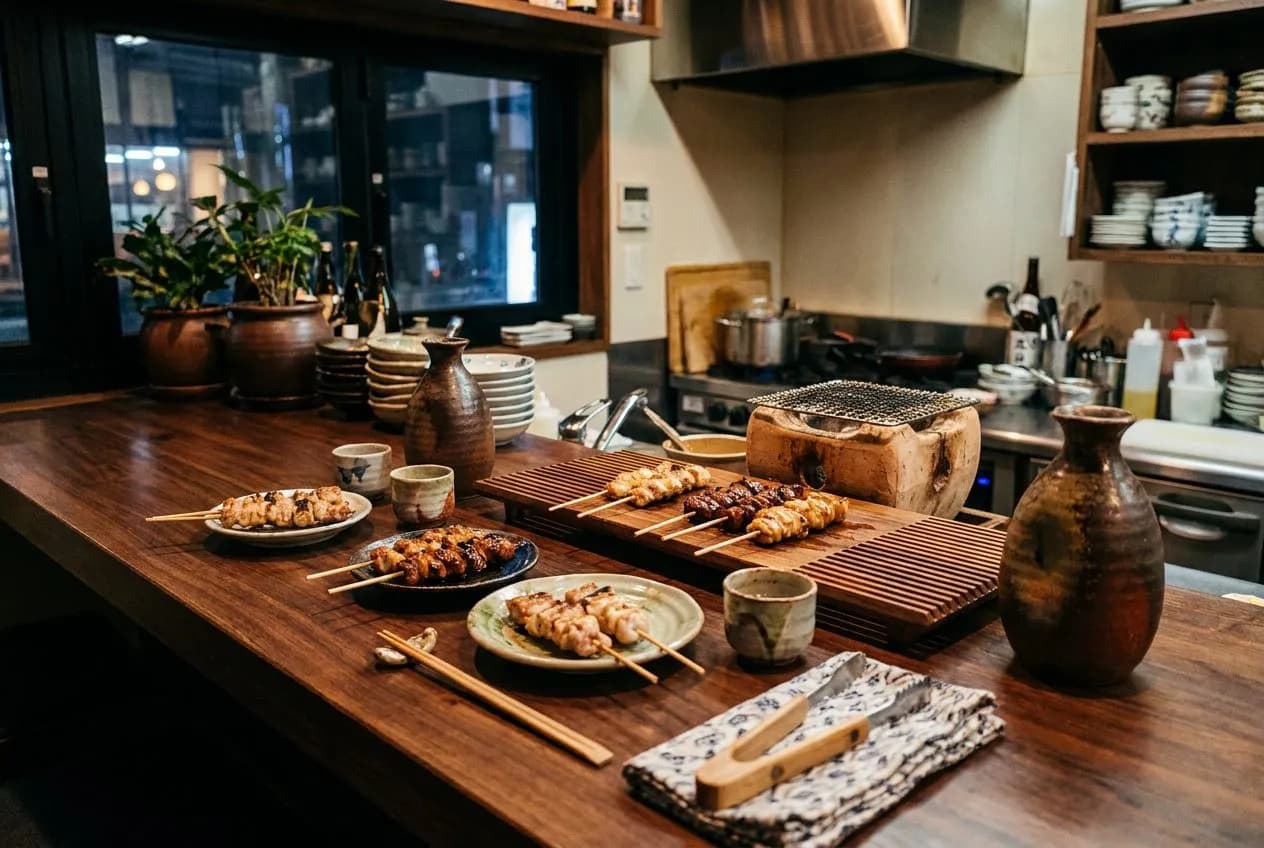
The best sake bars in San Francisco don't announce themselves with neon or velvet ropes. They hum quietly on Japantown side streets, where ceramic tokkuri arrive at wood counters alongside skewers still blistering from the grill. The air smells like soy glaze and charcoal. Condensation beads on chilled glass. You're here for rice wine treated like the regional, seasonal craft it is—and for the kind of small plates that make you forget cutlery exists. By summer 2026, the neighborhood's sake specialists have only sharpened their game, building lists that run from Niigata snow-country junmai to Kyushu shochu, each pour calibrated to what's coming out of the kitchen.
The Sake Director's Reserve
Nombe has always understood that sake deserves more than a laminated list. But the real education happens at the 'sake sommelier seat' tucked at the far end of the bar, where the sake director personally guides tastings and pulls bottles from a hidden reserve fridge most guests never see. It's not a formal omakase—more like a graduate seminar with yuzu kosho on the side. You taste through regional styles, temperature variations, rice-polishing ratios that shift the entire flavor arc.
The seat books up, so call ahead. But even if you're standing-room-only on a weekend, the energy holds. Izakaya culture doesn't demand reverence; it asks for curiosity and an appetite. Nombe delivers both, along with tsukune meatballs that beg for a bright, acidic sake to cut the richness. The staff will steer you right whether you're ordering by the glass or committing to a full bottle.
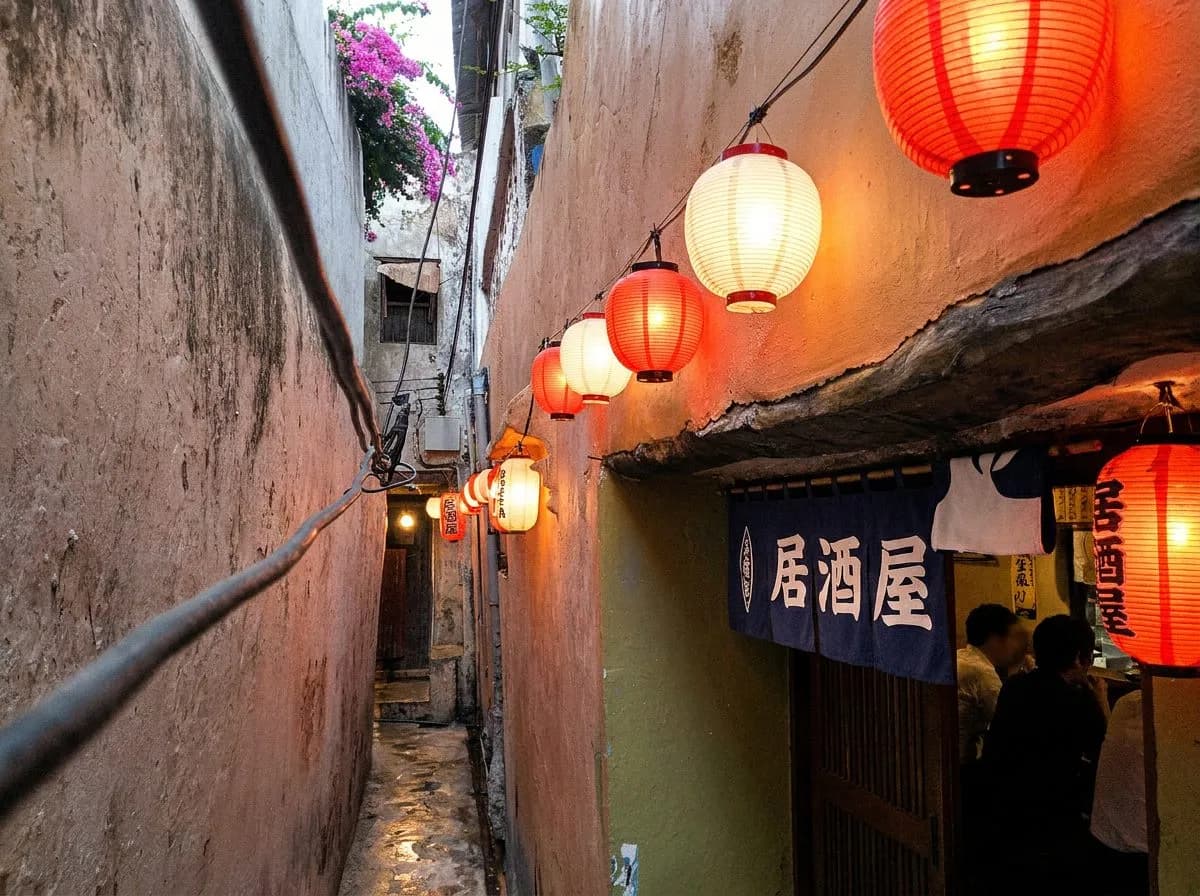
The Tuesday-Night Kyoto Secret
Izakaya Yuzuki runs a tighter ship than its low-key exterior suggests. The menu is solid—crisp karaage, silky chawanmushi, the kind of grilled fish that tastes like the ocean in the best way. But regulars know to show up on Tuesdays after 7 PM and ask for 'the Kyoto flight.' It's three unlisted sakes from a single prefecture, rotated weekly, and it never appears on the printed menu. Sometimes it's Fushimi breweries, sometimes smaller producers from the mountains north of the city.
The flight format is generous—enough for two to share if you're also working through skewers and pickles. Each pour comes with a small card noting the brewery, rice varietal, and serving suggestion. It's the kind of insider track that makes you feel like you've cracked a code, even though the staff is happy to guide anyone who asks. Just don't show up at 6:30 expecting it. The magic window is narrow and the selection changes every seven days.
Your Name on the Shelf
Daimon Bistro cultivates the kind of loyalty that most restaurants only dream about, in part because they've built a system to reward it. After five visits, regulars can store their own sake bottle behind the bar on a dedicated 'regular's shelf,' complete with a name tag. It's a small gesture that shifts the entire experience—suddenly you're not just a customer, you're part of the fabric. Your bottle sits alongside a dozen others, each one a quiet signal of who loves this place enough to leave something behind.
The rest of the menu doesn't slouch either. Daimon balances izakaya classics with a few French-leaning bistro moves—think pork belly with miso butter, or a Japanese-style onion gratin that pairs dangerously well with a funky yamahai. The sake list itself is curated but not overwhelming, leaning into smaller producers and seasonal releases. And if you're on visit four, already planning which bottle you'll claim for your shelf, you're in good company.
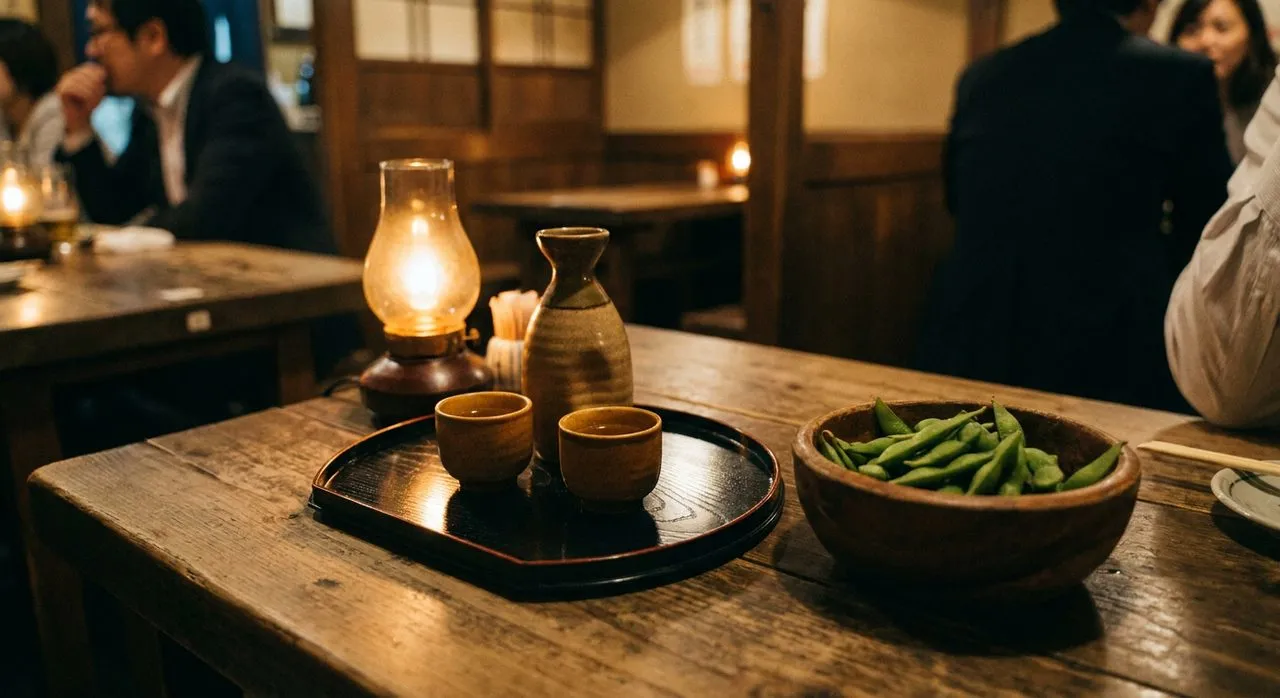
Temperature, Texture, and the Right Glass
Sake service is an art that goes far beyond cold versus warm. The best Japantown spots know when to pour a daiginjo chilled to preserve its floral high notes, and when to gently warm a rich honjozo until it blooms with umami. They'll bring it in the right vessel—sometimes a wine glass to concentrate aromatics, sometimes a traditional ochoko for tradition's sake, sometimes a wood masu box that adds a whisper of cedar.
That attention to detail shows up in the food pairings too. A briny plate of grilled mackerel wants a sake with enough body to stand up to the fish oils. Delicate tofu or a cool cucumber sunomono calls for something lighter, crisper, almost minerally. The servers at these places rarely steer you wrong if you tell them what you're eating. They've tasted it all a hundred times and know which combinations sing.
Late Summer, Cold Pour
By the time summer 2026 settles in, the appeal of a chilled sake and a plate of edamame becomes almost medicinal. Japantown's izakaya are particularly good at the warm-weather lineup—cold sesame noodles, chilled dashimaki tamago, anything involving cucumber and shiso. The sake lists tilt toward ginjo and daiginjo styles, polished and clean, the kind of thing you can drink all night without feeling weighted down.
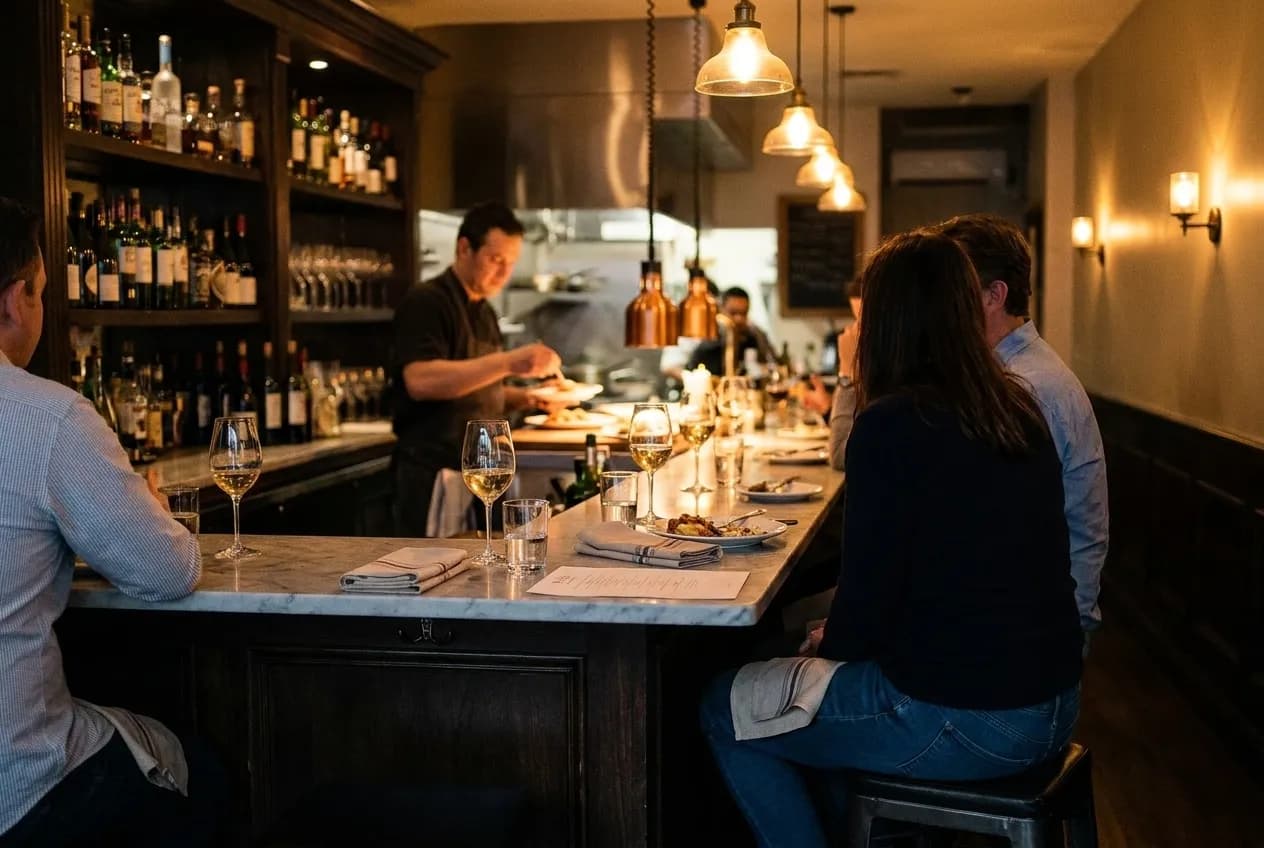
There's a particular kind of satisfaction in ending a long day at a quiet counter, watching the chef work the robata grill, letting someone else choose the next pour. No one's rushing you. The sound is all clatter and conversation, the light warm and slightly dim. You'll leave smelling faintly of smoke and soy, which is exactly the point.
What You're Really Paying For
Sake isn't cheap when it's done right—premium bottles can rival wine in price, and the good stuff rarely appears at happy-hour rates. But the value proposition in Japantown isn't just the liquid. It's the curation, the education, the willingness to let you taste before you commit. It's the chef who notices you liked the last round of yakitori and suggests a slight variation. It's the culture of hospitality that doesn't demand a three-hour reservation or a jacket.
You'll spend anywhere from forty to a hundred per person depending on how deep you go, but you'll walk away having learned something. That's worth the premium in a city where too many restaurants mistake spectacle for substance.
Practical notes
Japantown sits just west of downtown along Post and Geary, easily reached via the 38-Geary bus or street parking in the Japan Center garage off Fillmore. Most izakaya operate dinner-only or late-afternoon onward; verify hours directly as schedules shift seasonally. Many venues are small and seat fewer than thirty, so reservations help. Accessibility varies—some spots have steps or tight turns. Bring cash for smaller tabs, though cards are widely accepted. Dress is casual. Late 2026 continues to see strong foot traffic, so weekends fill fast.
Tags: #SakeBarsSanFrancisco #Japantown #IzakayaStyle #PullUpAChair #SakeSommelier #SmallPlatesSF #YakitoriNight #SFDining #JapaneseCuisine #CraftSake #SummerSipping #SFEats #NeighborhoodGems #TokkuriAndChocko #RiceWineRitual
Please drink responsibly. Must be of legal drinking age.
Sources consulted: Sake · Izakaya · San Francisco Japantown · Time Out San Francisco Restaurants · Eater San Francisco
All trademarks are the property of their respective owners.