Why Counter Culture Thrives in the Mission Right Now
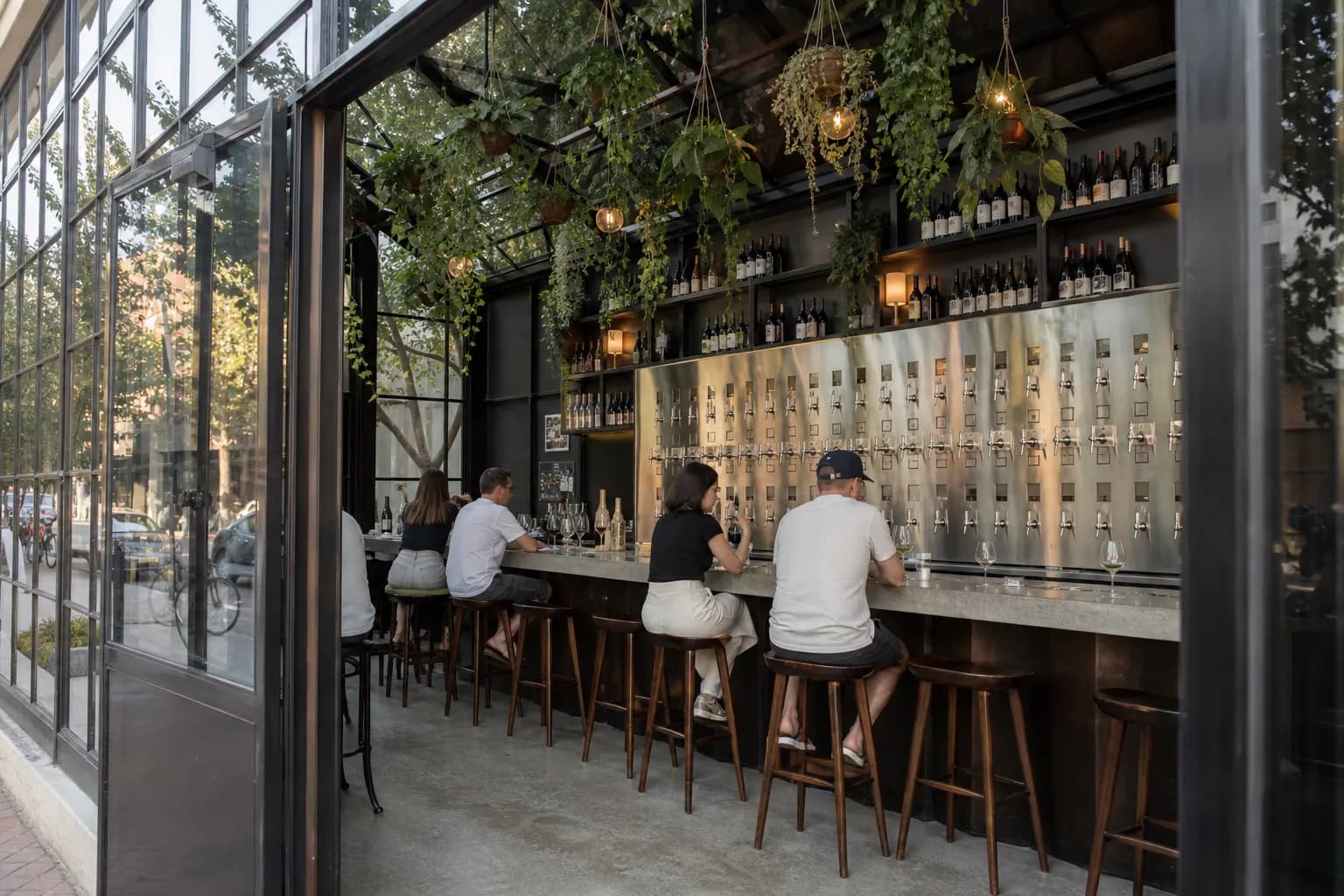
The Mission District has always favored intimacy over formality, and late May 2026 finds the neighborhood's izakaya scene doubling down on counter seating. Four spots between 16th and 24th Streets have reconfigured their dining rooms to prioritize stools over tables, a shift driven by chefs who want direct conversation with diners and regulars who crave the theater of knife work and flame.
Walk-in availability remains the common thread. While reservations still dominate the broader San Francisco dining landscape, these four izakaya counters hold back between four and eight stools nightly for spontaneous arrivals. The calculus is simple: chefs prefer the energy of a mixed crowd, and late-May foot traffic along Valencia and Mission Streets delivers exactly that.
Omakase Counters: Two Chefs Who Set the Pace
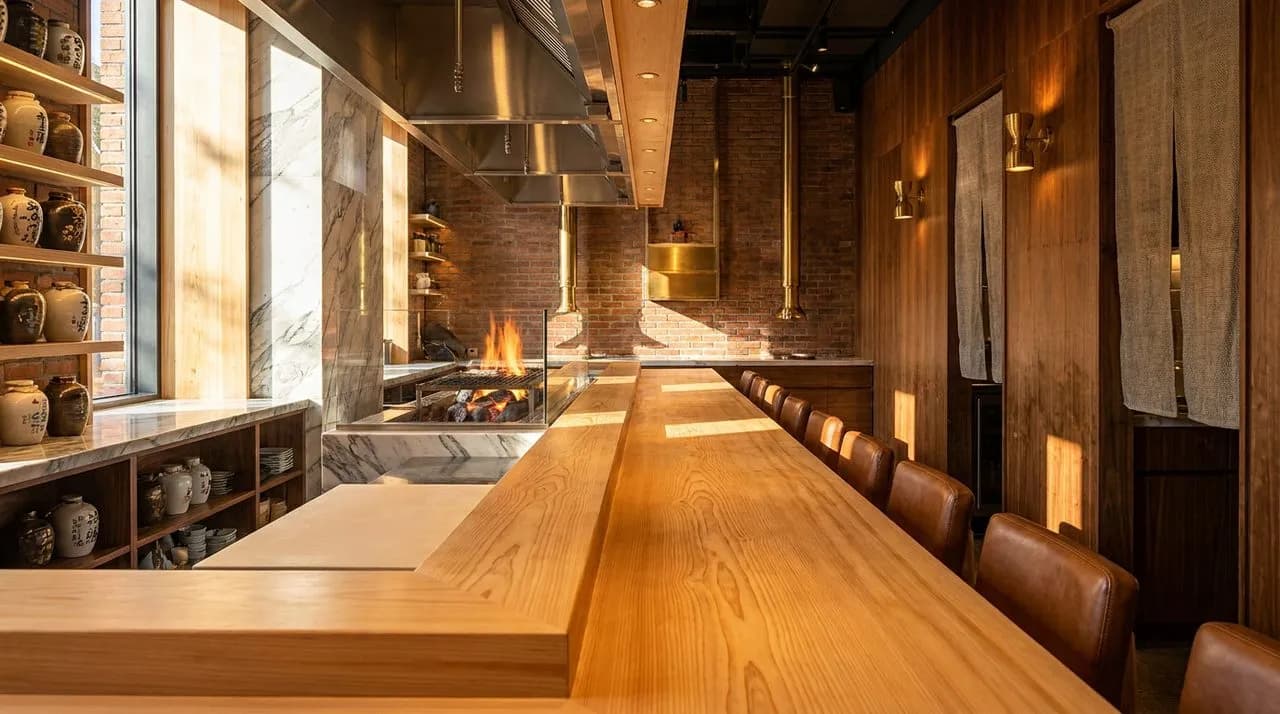
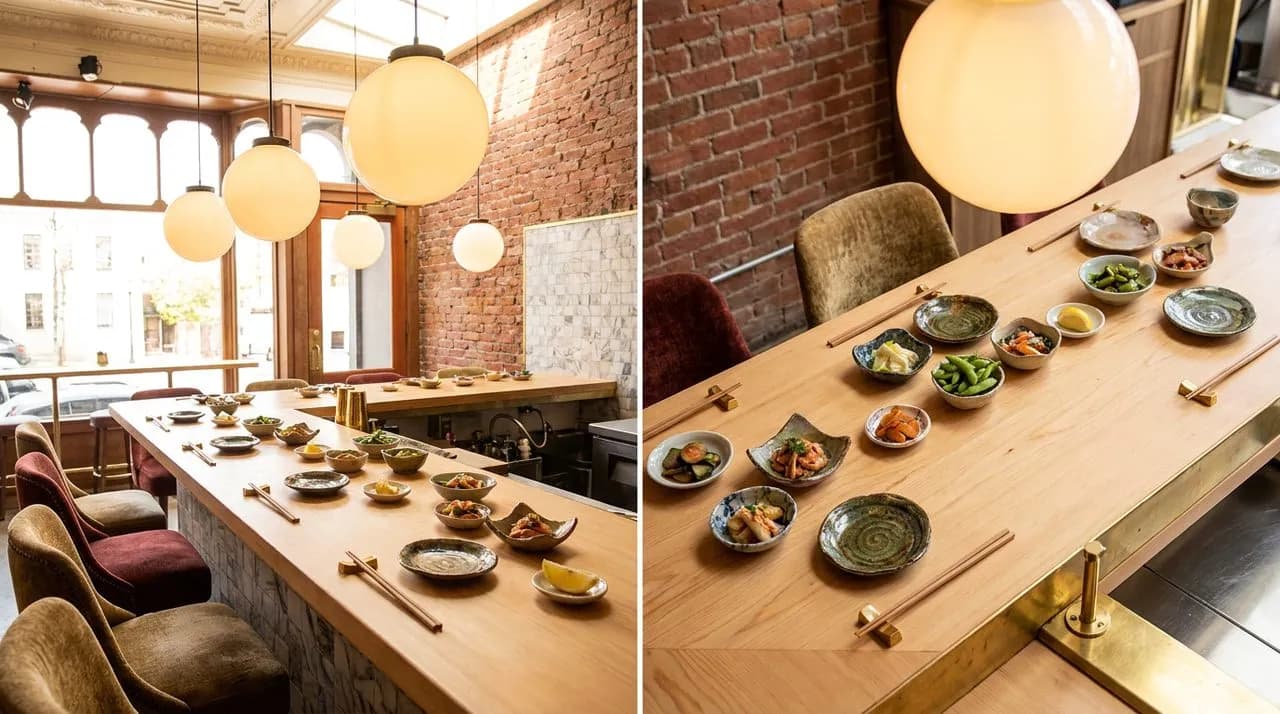
At Yūgen on 18th Street near Guerrero, chef Masa Nakayama runs a twelve-seat cypress counter where omakase is the only option before 8 p.m. The progression moves through eight courses—grilled mackerel, house-cured ikura over warm rice, a rotating seasonal yakimono—and Nakayama adjusts portions and pacing based on real-time conversation. Walk-ins who arrive before 6:30 p.m. typically snag one of three held-back stools; after that, the counter fills with reservation holders until the kitchen pivots to a la carte at eight.
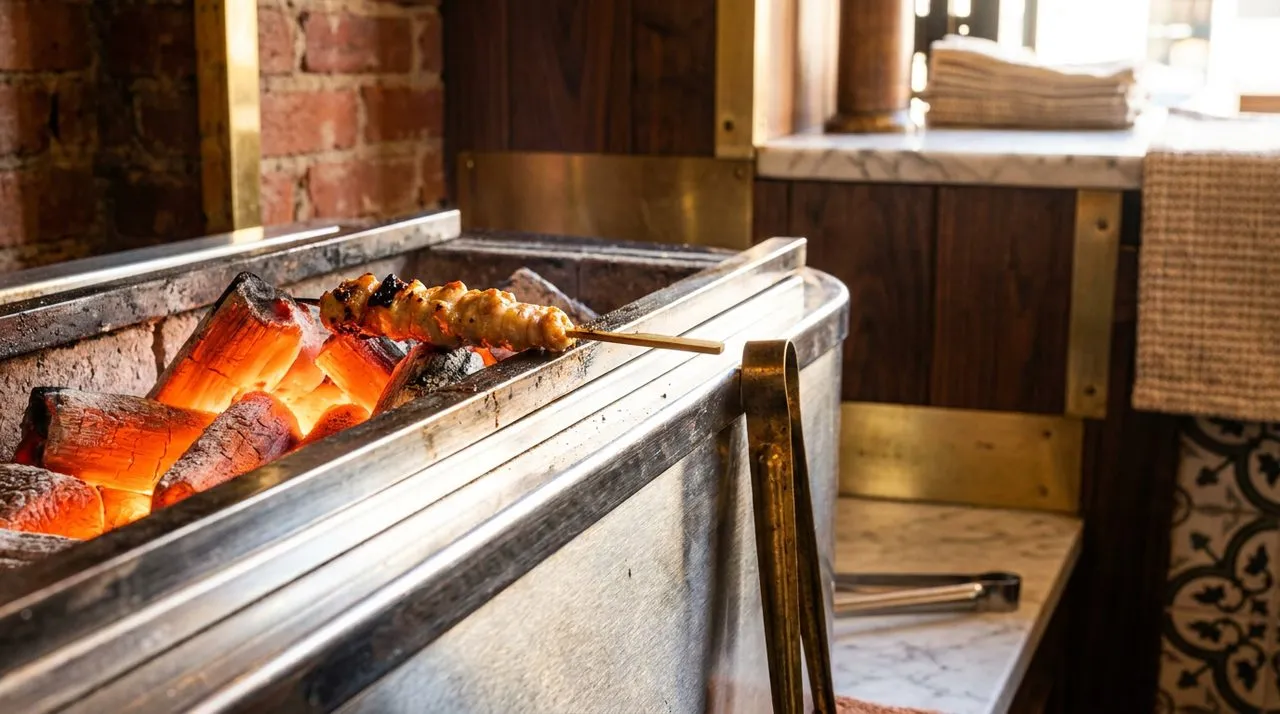
Two blocks south on 20th Street, Kōjin takes a stricter stance. Chef Hiro Tanaka reserves the entire nine-seat counter for omakase all night, but walk-ins are welcome if they're willing to start within fifteen minutes of arrival. The menu leans toward charcoal-grilled skewers and a signature dashi service poured tableside. Tanaka's preference for omakase stems from ingredient procurement: he sources whole fish from Half Moon Bay three times weekly and designs courses around what arrives that morning.
The 8 p.m. Pivot: A La Carte After Dark
Both Yūgen and a third spot, Tsuki on 22nd Street near Bartlett, switch to a la carte menus after 8 p.m., a tactical move that opens counter seats to a second wave of diners. Tsuki's chef, Kenji Watanabe, describes the transition as a pressure release: the omakase service demands full attention and precise timing, while the late a la carte shift lets the kitchen breathe and regulars order their favorite plates without committing to a tasting format.
Tsuki's a la carte menu features twenty-three items, from tsukemono platters to grilled whole squid and a popular mentaiko pasta that nods to Tokyo's yoshoku tradition. Walk-ins after 8 p.m. face shorter waits—typically fifteen to twenty-five minutes on weeknights in late May—and the vibe shifts from ceremonial to convivial. Watanabe keeps three counter stools open for walk-ins throughout the evening, a policy that has earned the spot a loyal following among Inner Mission residents who treat it as a neighborhood anchor.
Valencia Street's Wednesday Secret Menu
The fourth counter, Kazan on Valencia near 19th Street, operates under a different logic entirely. Chef Emi Takahashi runs a standard izakaya menu six nights a week, but on Wednesdays after 9 p.m. she drops a late-night omakase available only to walk-ins and regulars who know to ask. The Wednesday menu is never written down and changes weekly based on what Takahashi finds at the Ferry Plaza farmers market that Saturday.
Recent iterations have included smoked trout with pickled ramps, a chilled sake-steamed clam course, and a closing plate of house-made warabi mochi. The counter seats eight, and Takahashi serves no more than two seatings per Wednesday night. Word spreads through whisper networks and neighborhood LINE groups, but the chef has resisted formalizing reservations or promoting the menu beyond the dining room itself. It remains one of the Mission District's most rewarding open secrets for diners willing to gamble on a Wednesday arrival.
What Chefs Gain from Counter Proximity
All four chefs cite direct feedback as the primary advantage of counter service. Nakayama at Yūgen adjusts seasoning mid-service based on diner reactions; Tanaka at Kōjin uses counter conversations to explain sourcing decisions and cooking techniques. The format collapses the traditional distance between kitchen and guest, turning each meal into a live workshop where questions are encouraged and improvisations happen in real time.
Counter seating also allows chefs to control pacing in ways that table service cannot. At Tsuki, Watanabe spaces courses based on how quickly diners finish each plate, a rhythm impossible to orchestrate from a closed kitchen. The result is a dining experience that feels personalized even when the menu is fixed, and walk-ins benefit from the same attention as reservation holders because the counter format demands equal focus across all stools.
Practical Notes for Late-May Walk-Ins
Timing matters. Yūgen and Kōjin see the heaviest walk-in traffic between 6 p.m. and 7 p.m., when early diners claim held-back stools before the reservation wave arrives. Tsuki's post-8 p.m. a la carte shift offers better odds for spontaneous visits, especially on Tuesdays and Wednesdays when weekend crowds thin. Kazan's Wednesday late-night menu requires arrival after 9 p.m., and the chef typically seats walk-ins on a first-come basis until the counter fills.
A few operational details to keep in mind when planning a counter visit this late May:
- Yūgen holds three counter stools for walk-ins before 6:30 p.m.; omakase runs approximately ninety minutes.
- Kōjin accepts walk-ins if they can start within fifteen minutes; the nine-seat counter is omakase-only all night.
- Tsuki switches to a la carte at 8 p.m. and holds three stools throughout service; expect twenty-minute waits on weeknights.
- Kazan's Wednesday menu appears after 9 p.m. and is never advertised; regulars recommend arriving by 9:15 p.m. to secure a stool.
- All four spots are cash-friendly but accept cards; Kazan is cash-only on Wednesdays after 9 p.m.
Why These Four Counters Work in Late May
Late May in San Francisco brings longer daylight and warmer evenings, conditions that encourage spontaneous walks along Valencia and Mission Streets. The four izakaya counters benefit from this seasonal foot traffic, capturing diners who might otherwise default to reservations or familiar haunts. The walk-in model also appeals to a growing cohort of regulars who prefer flexibility over advance planning, a shift that has accelerated since 2024 as dining habits continue to evolve post-pandemic.
Each counter offers a distinct experience—Yūgen's disciplined omakase, Kōjin's charcoal focus, Tsuki's late-night pivot, Kazan's Wednesday secret—but all four share a commitment to proximity and spontaneity. For diners willing to pull up a stool without a reservation, the Mission District's izakaya counters deliver exactly what the neighborhood has always done best: intimate, unpretentious meals that reward curiosity and timing in equal measure.
Sources consulted: San Francisco Recreation and Parks · Mission Local · Eater San Francisco · San Francisco Municipal Transportation Agency · Ferry Building Marketplace
All trademarks are the property of their respective owners.