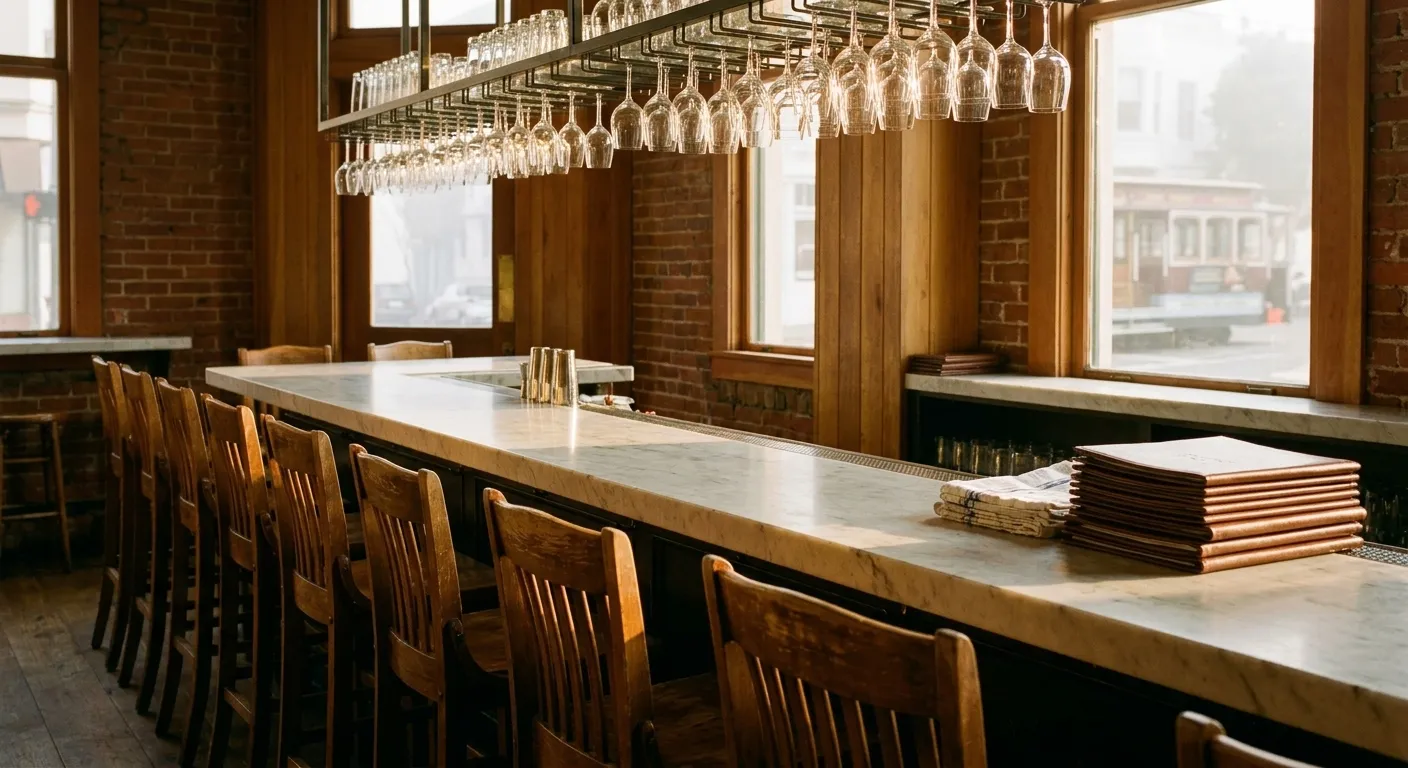
For about a decade the answer to finding restaurants open near me in San Francisco without a booking was the same everywhere: go to the bar. Most rooms held their counter for walk-ins, the full menu was available there, and turning up at half five got you a seat at a place that was notionally booked out for a month. That worked because bar seats were treated as overflow. They are increasingly treated as inventory instead, and a growing number of San Francisco restaurants now take reservations for the bar exactly as they do for tables.
Walk-in policies change without announcement and rarely appear on booking apps. Ask Karpo which rooms near you are seating people right now.
What replaced the bar-seat trick
Three formats still reliably seat walk-ins, and they are worth learning as categories rather than as a list of names. The first is the fully walk-in-only restaurant, which has become a deliberate positioning choice rather than a sign of a small operation — several well-regarded rooms have dropped reservations entirely in the last two years, on the reasoning that no-shows cost more than an unpredictable queue does.
The second is the counter-service Italian and Asian places where you order at a till and find a seat: North Beach and the Richmond are full of these, and they are genuinely good rather than merely convenient. The third is the tiny neighbourhood room with six tables and no booking system at all, which exists in every district and is the reason a wander down Irving, Clement or Cortland almost always produces dinner.
Timing matters more than the restaurant does
San Francisco eats early. The peak pressure on a Friday sits between seven and eight-thirty, and it drops off unusually fast after nine compared to most American cities. A walk-in at five forty-five or at nine fifteen has a completely different success rate to one at seven thirty, and the difference is far larger than the difference between two restaurants.
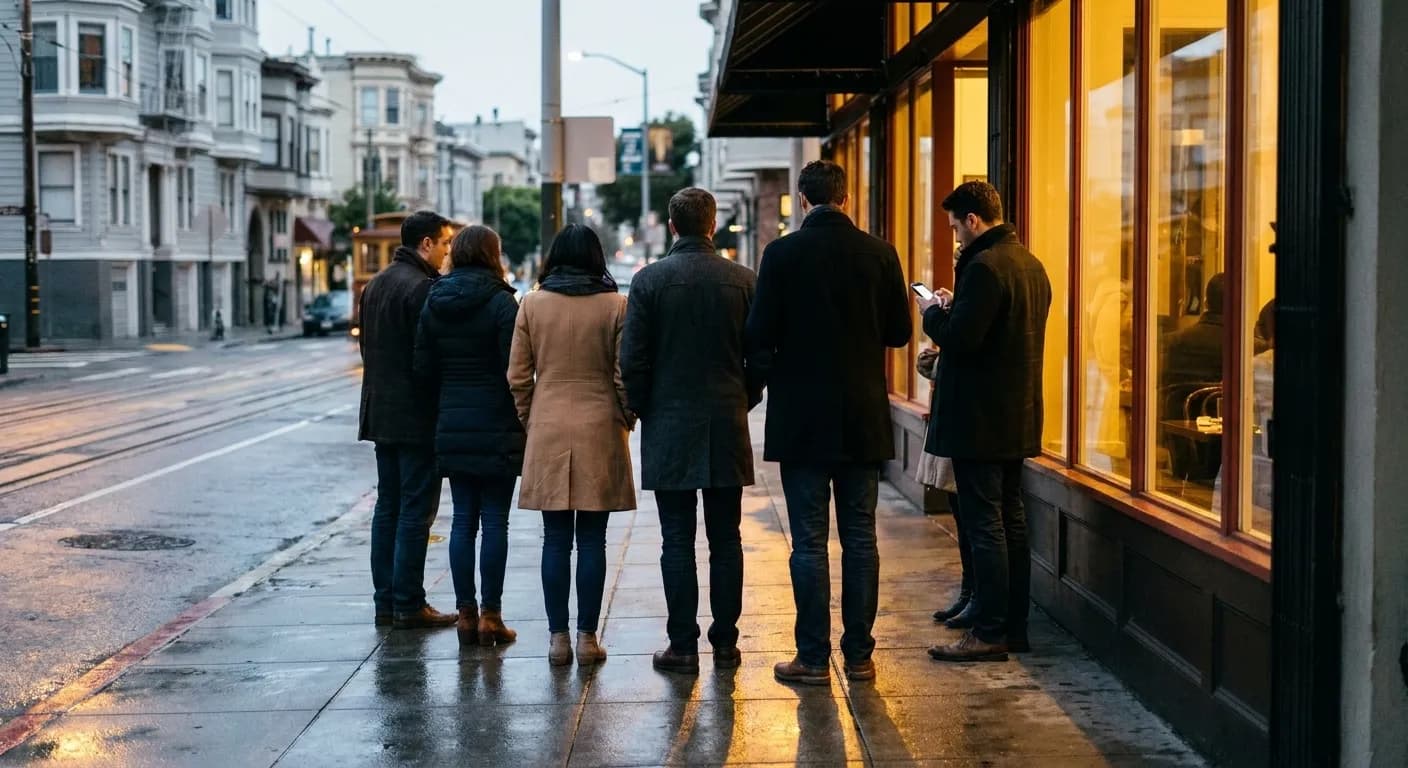
Monday and Tuesday are the other lever. A substantial number of the city's better restaurants close two days a week, which concentrates demand and makes the open ones busier than you would expect — but the rooms that do open on a Monday are usually running below capacity and are the easiest walk-in of the week. Checking which day a place takes off is a two-second job that saves a wasted trip.
The neighbourhoods where walking in still works
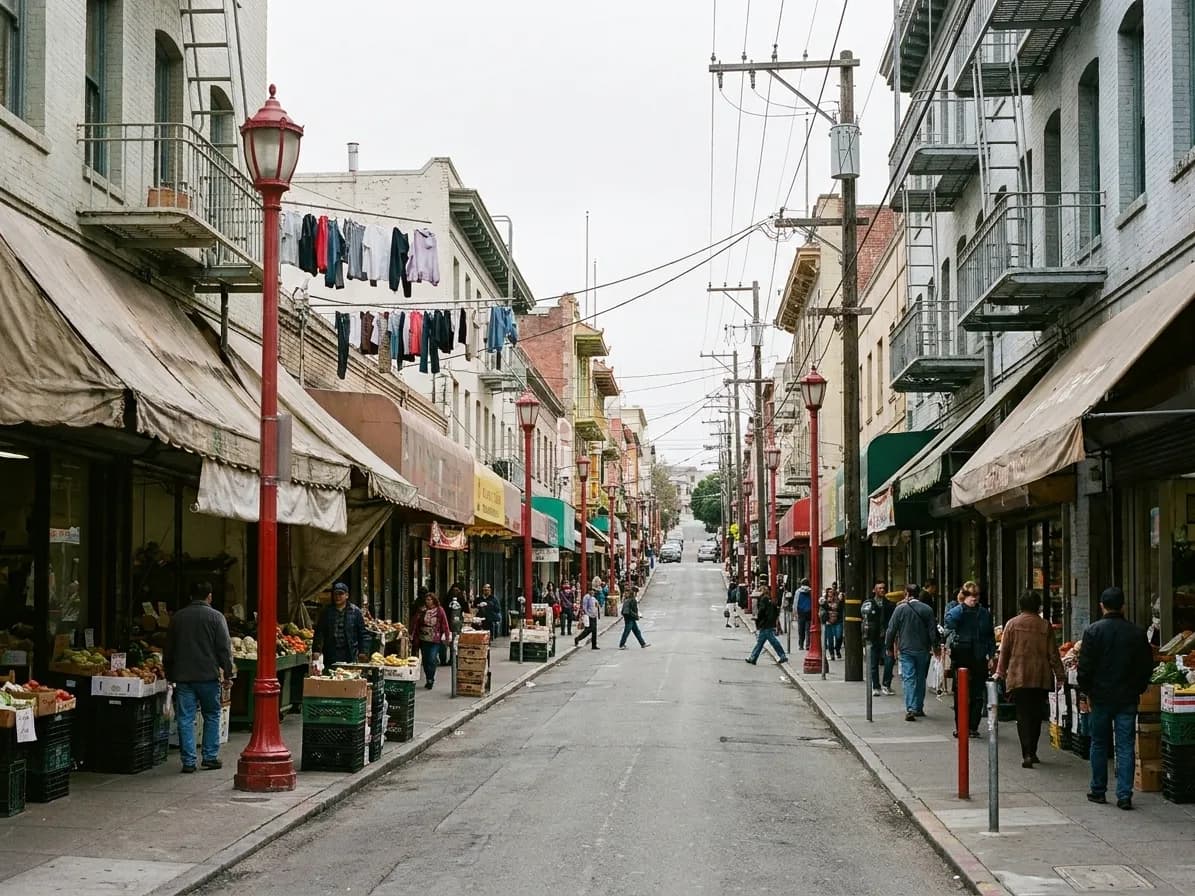
The Richmond and the Sunset are the reliable ones, for the structural reasons that apply to most things in this city: lower rent, local customer base, no reservation culture to speak of. Chinatown is similar and additionally has genuine late capacity. The Mission is bimodal — the taquerias and counters will always seat you, the newer wine-forward restaurants will not.
Hayes Valley, the Marina and the Embarcadero are the hardest, because they combine high demand with rooms small enough that holding walk-in seats is expensive. If you are in one of those areas without a booking, the honest move is to widen the search radius rather than to keep trying doors.
How to ask so you get a useful answer
Do not ask whether they have a table. Ask how long the wait is and whether they take names. Those are different questions and the second one produces information: a room that takes names has a system for walk-ins and you are in it, a room that says no has genuinely nothing. If the wait is quoted at forty-five minutes, treat that as accurate rather than optimistic — most San Francisco restaurants quote conservatively because they would rather you leave than complain.
The other habit worth building is asking whether they seat partial parties. Several rooms will not start a table until everyone has arrived, which converts a twenty-minute wait into a fifty-minute one if half your group is coming from across town. Knowing that in advance changes when you tell people to meet you.
The apps are less useful than they look
Booking platforms show you availability, which is not the same as capacity. A restaurant showing nothing online may be holding a third of its seats for the door, and a restaurant showing plenty may be quiet for a reason. The most accurate signal available for free is a live look at how busy a place is right now, and the second most accurate is simply calling — which almost nobody does any more and which works startlingly well between four and five in the afternoon.
One last thing worth internalising: cancellations in this city cluster in the late afternoon on the day itself. A restaurant that had nothing at eleven in the morning frequently has a seven o'clock table by half past four, because people finally admit they are not crossing town after work. Checking twice is a better strategy than booking somewhere you did not want.
Group size is the hidden constraint
Two people can walk into almost anything in San Francisco with enough patience. Four is a meaningful step up in difficulty, because most small rooms are built around two-tops and joining tables costs them flexibility. Six or more without a booking is close to hopeless in any restaurant with a dining room, and the correct answer is to change format entirely — a counter-service place, a food hall, a dim sum room or a Chinese banquet restaurant will seat a large group at short notice when nowhere with tablecloths will.
This is worth deciding before you set off rather than after three failed attempts. A group of six standing on Valencia Street at eight on a Friday evening is not going to find a table by persistence, and the twenty minutes spent trying is exactly the twenty minutes in which the food hall down the road fills up too.
Tags: #SanFrancisco #SFRestaurants #WalkIns #NoReservation #SFDining #ClementStreet #IrvingStreet #Chinatown #MissionDistrict #SFEats #DinnerTonight #BayArea #EatOutSF
All trademarks are the property of their respective owners.
Ask Karpo first
Ask Karpo which restaurants near you in San Francisco are taking walk-ins right now, how long the wait is, and whether the counter counts.