The single most useful thing to understand about eating in Miami is that there is no such thing as eating in Miami. There is eating in Little Havana, eating in Wynwood, eating in the Design District, eating in Coral Gables and eating on the beach, and those are five different towns with five different price ceilings, five different peak hours and a bay in between two of them. A ranked list of the city's best restaurants will cheerfully put a counter on Calle Ocho at number three and a dining room on Collins Avenue at number four, as though those are alternatives to each other. At seven on a Friday they are forty minutes apart and the bridge might be up.
The question is almost never which restaurant is best in Miami. It is which good restaurant is on your side of the water tonight, still seating at the hour you are free, and reachable without a causeway crawl. Tell Karpo where you are staying and when you want to eat, and get the shortlist that survives the drive.
Little Havana: the cheapest good food in the city
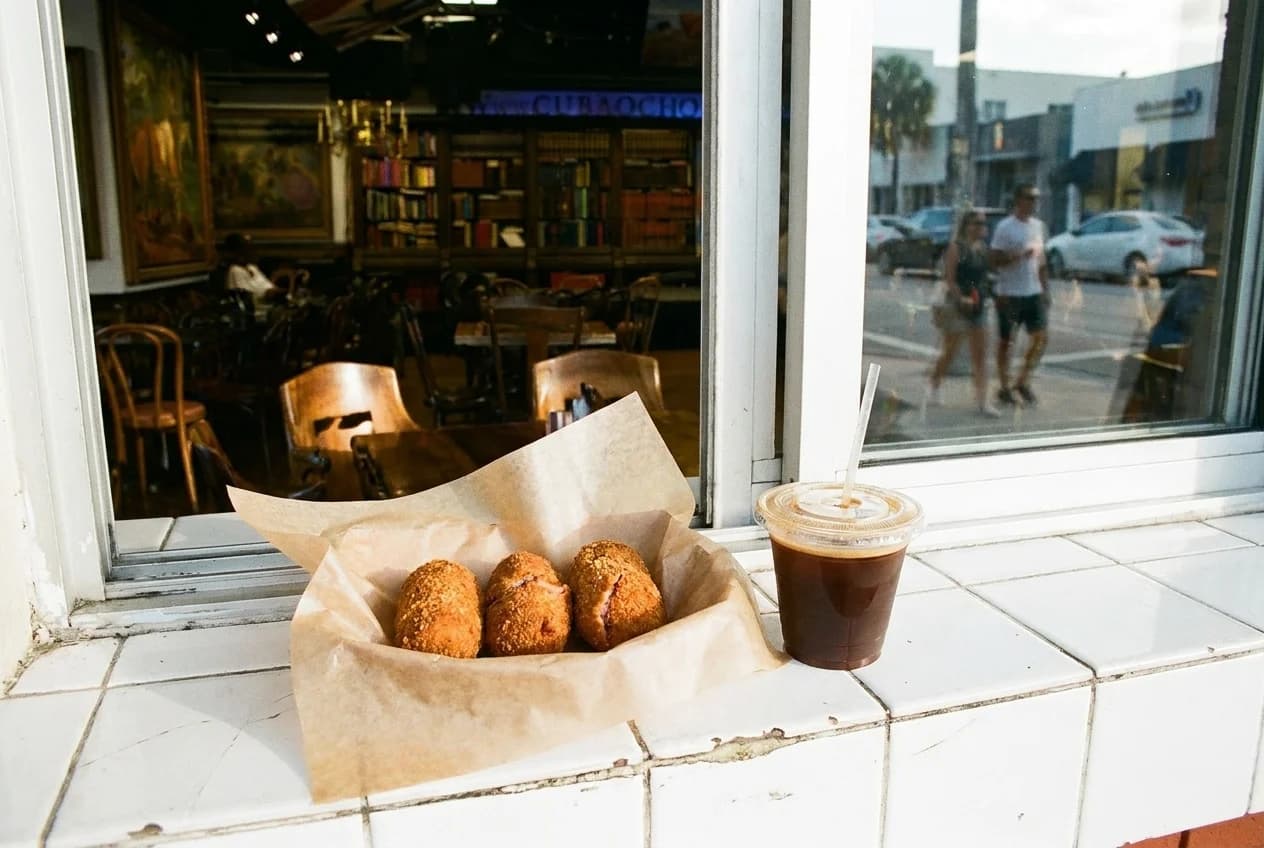
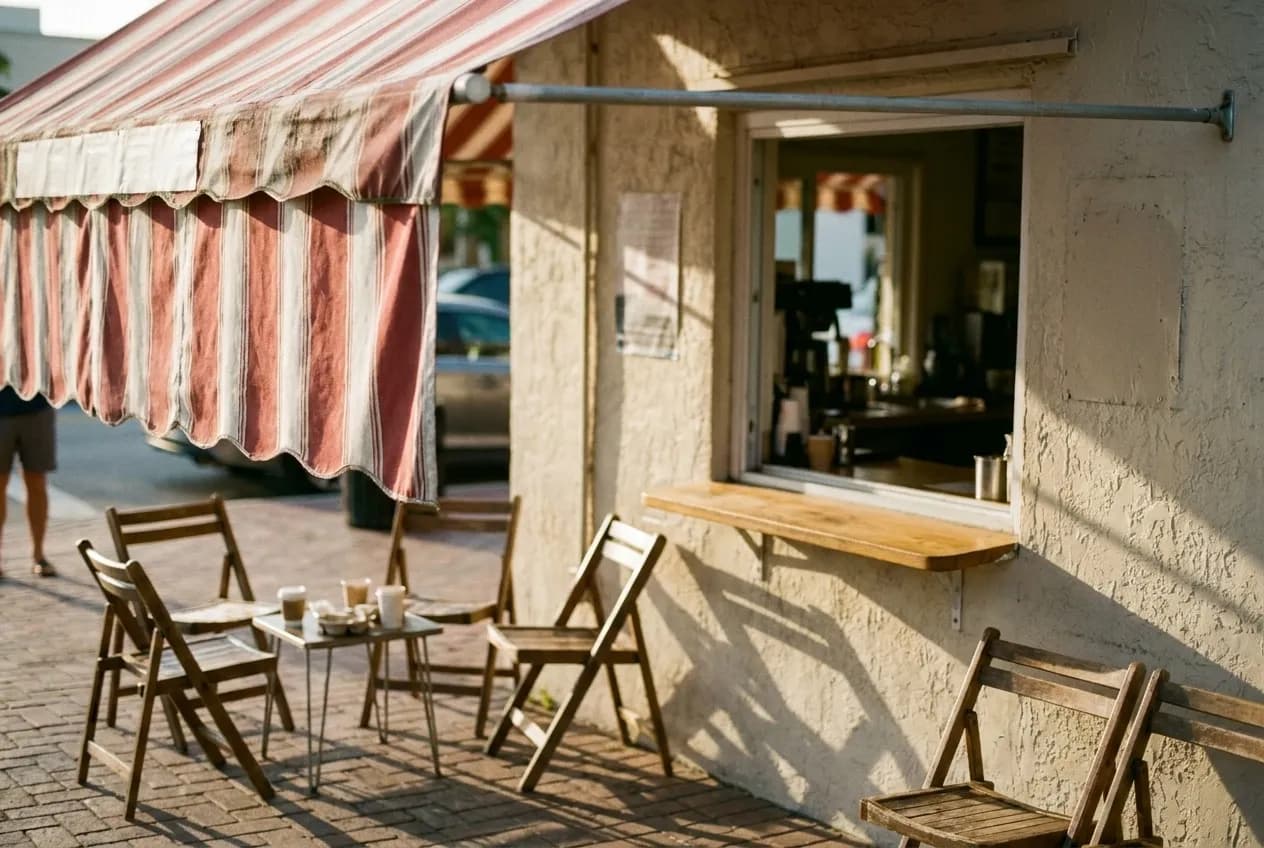
Southwest Eighth Street between about 12th and 27th Avenues is where Miami's price-to-quality ratio peaks, and it is not close. This is ventanita country - the walk-up coffee window built into the side of a restaurant, where a cortadito costs about two dollars and nobody sits down. Versailles at 3555 SW 8th St is the famous one and deserves the fame less for its dining room than for that window, which functions as the neighbourhood's town square from six in the morning. La Carreta a few blocks west runs the same playbook with less of a queue.
For the actual eating, the moves are a sanguich at Sanguich de Miami on SW 8th, a plate lunch at El Nuevo Siglo - a counter inside a supermarket at 1305 SW 8th St that is one of the best-value hot meals in Florida - and a fruit stall raid at El Palacio de los Jugos, which is a canteen pretending to be a juice bar. Almost everything here is a lunch business. Kitchens start winding down around ten, and by eleven the strip is coffee and cigars rather than dinner.
Wynwood and Edgewater: the loudest rooms
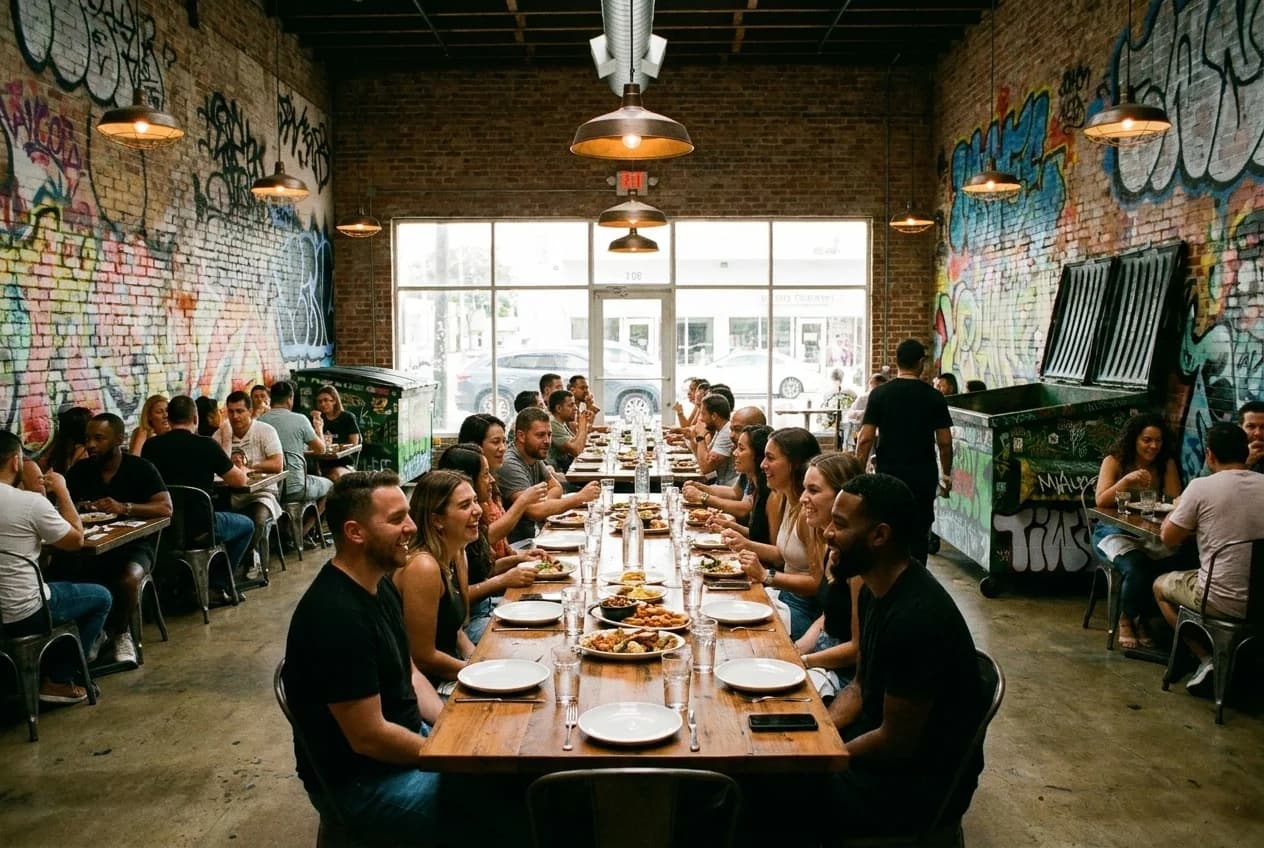
Wynwood is the neighbourhood most visitors book and the one most likely to disappoint if you arrive expecting a quiet dinner. It is a walking district built for volume, murals, and standing with a drink, which is genuinely fun and genuinely bad for conversation. Coyo Taco behind the taqueria counter, Zak the Baker for a mid-morning sandwich, and Kush for the burger-and-craft-beer version of the neighbourhood are the reliable anchors, and Enriqueta's Sandwich Shop on NE 29th Street is the older, better, cheaper thing that predates all of it.
Edgewater, immediately east, is where Wynwood's overflow goes to sit down. The blocks around Biscayne between about 26th and 34th have quietly collected some of the more serious cooking in Miami without the noise floor. If your group wants one neighbourhood that can do both an early loud drink and a real dinner, this pairing is the answer - and the walk between the two is about fifteen minutes, which is short by Miami standards.
The Design District and Buena Vista: the expensive one, and the alley behind it
The Design District proper is a luxury retail development with restaurants attached, and it prices accordingly. What makes it worth a trip is the two-block edge where it meets Buena Vista, because the older residential streets there hold the rooms that actual Miami chefs eat in. Boia De on NE 2nd Avenue is the emblem of this: a very small counter in a strip mall doing food that would be a hundred dollars more per head in a district storefront, with a reservation policy that rewards planning three or four weeks ahead.
The practical rule for this neighbourhood is that the further you walk from the glass storefronts, the cheaper and better it gets, up to about three blocks, after which you are in Little Haiti and eating something else entirely. Parking is a garage proposition here rather than a street one, and the garages are genuinely fine - budget ten minutes and stop circling.
Coral Gables: where the grown-ups eat
Coral Gables is the part of greater Miami that behaves most like an old European city - low buildings, banyan-shaded streets, a dining scene built on regulars rather than launches. The strip around Giralda Avenue was pedestrianised specifically to concentrate restaurants, and it works: you can walk out of one room and into another without moving your car, which is nearly unheard of here. It is also where Miami's Spanish and Italian cooking is at its most serious and least performative.
The trade-off is that the Gables closes early by Miami logic. Kitchens here treat ten o'clock as late, and Sunday and Monday closures are common in a way they are not on the beach. It is the best neighbourhood in the county for a Tuesday dinner with people you want to hear, and one of the worst for an unplanned midnight one.
South Beach: the one everyone gets wrong
South Beach has two food economies stacked on the same square mile. The first is Ocean Drive, which exists to sell mojitos to people who will only be here once, and which you should walk down and not eat on - the automatic gratuity stories are true and the menus are designed around them. The second is everything west of Washington Avenue, which is where the people who work on the beach eat, and which is unglamorous, reasonably priced and often excellent. Joe's Stone Crab on Washington is the one famous room that earns it, in season, with a queue policy that has not changed in decades.
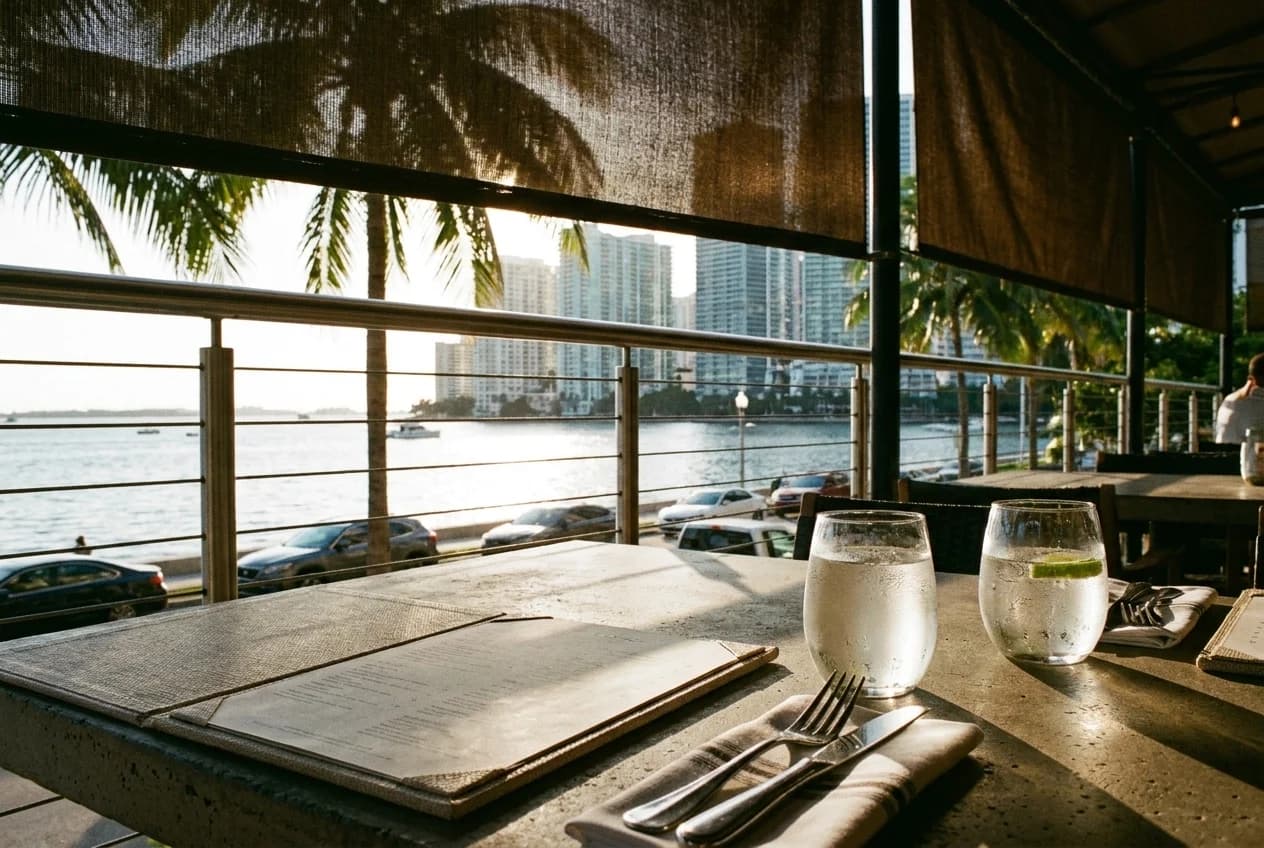
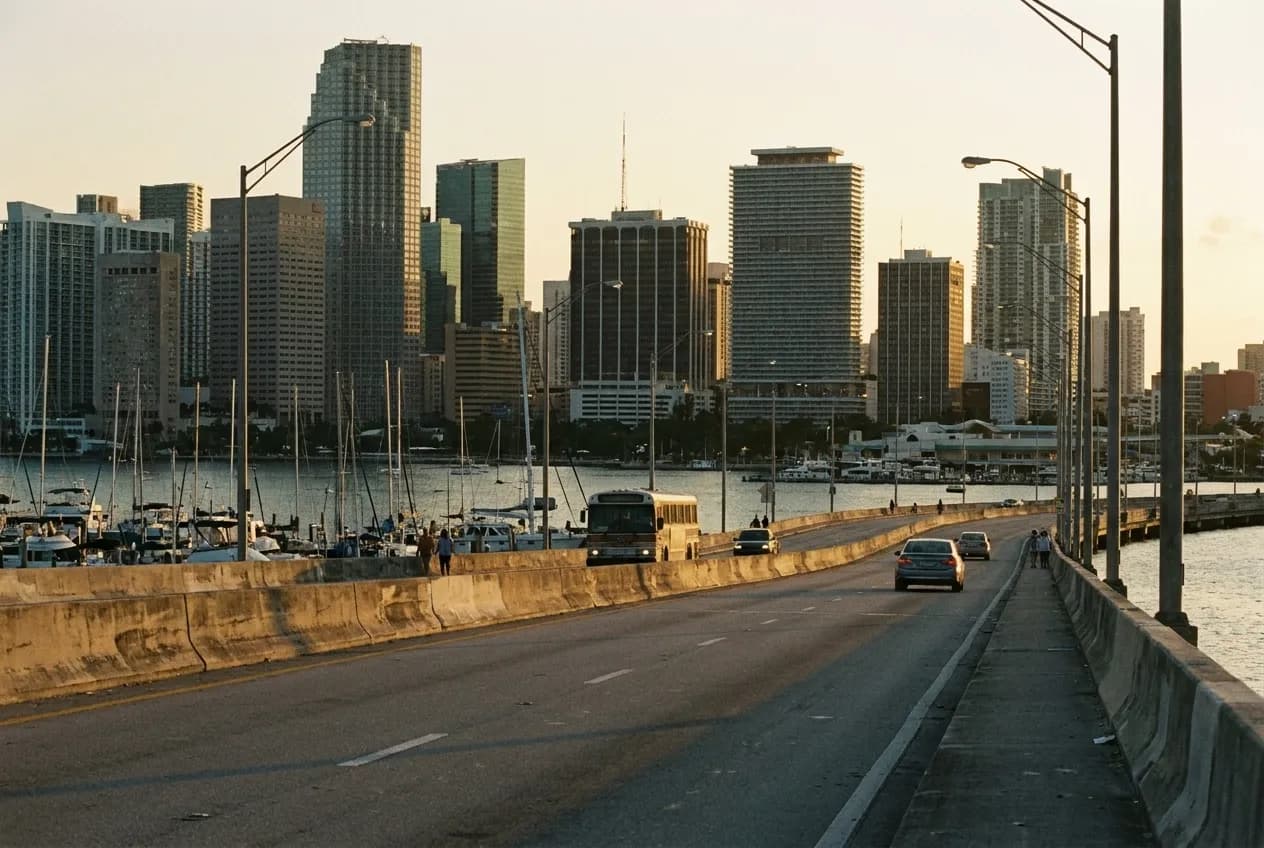
If you are staying on the beach, the useful mental model is that dinner within walking distance is a solved problem and dinner on the mainland is a project. Twenty minutes without traffic on the MacArthur becomes fifty at the wrong hour, and the drawbridge on the Venetian Causeway does open for boats, at times that no app will predict for you.
Practical notes
Drive times that matter: South Beach to Wynwood is twenty minutes off-peak and can be triple that between five and seven on a Friday. Little Havana to the Design District is fifteen minutes most of the time. Coral Gables to the beach is the longest common trip in this article - allow forty. Reservations are essential in the Design District and Edgewater on weekends, essentially pointless in Little Havana, and a good idea in Coral Gables on Fridays. Cash still smooths things at the older Calle Ocho counters. And when a Miami restaurant lists a closing time, that is usually the bar's closing time, not the kitchen's - assume the last food order goes in an hour to ninety minutes earlier.
Tags: #RestaurantsNearMe #Miami #LittleHavana #Wynwood #Edgewater #DesignDistrict #BuenaVista #CoralGables #SouthBeach #CalleOcho #MiamiEats #MiamiFood #NeighborhoodGuide #WhereToEatMiami
All trademarks are the property of their respective owners.
Ask Karpo first
Miami rewards people who choose a neighbourhood before they choose a restaurant, and punishes everyone who does it the other way around. Tell Karpo which side of the bay you are on, how long you are willing to drive and what kind of night it is, and let it hand back three rooms in one walkable pocket rather than five scattered across the county.