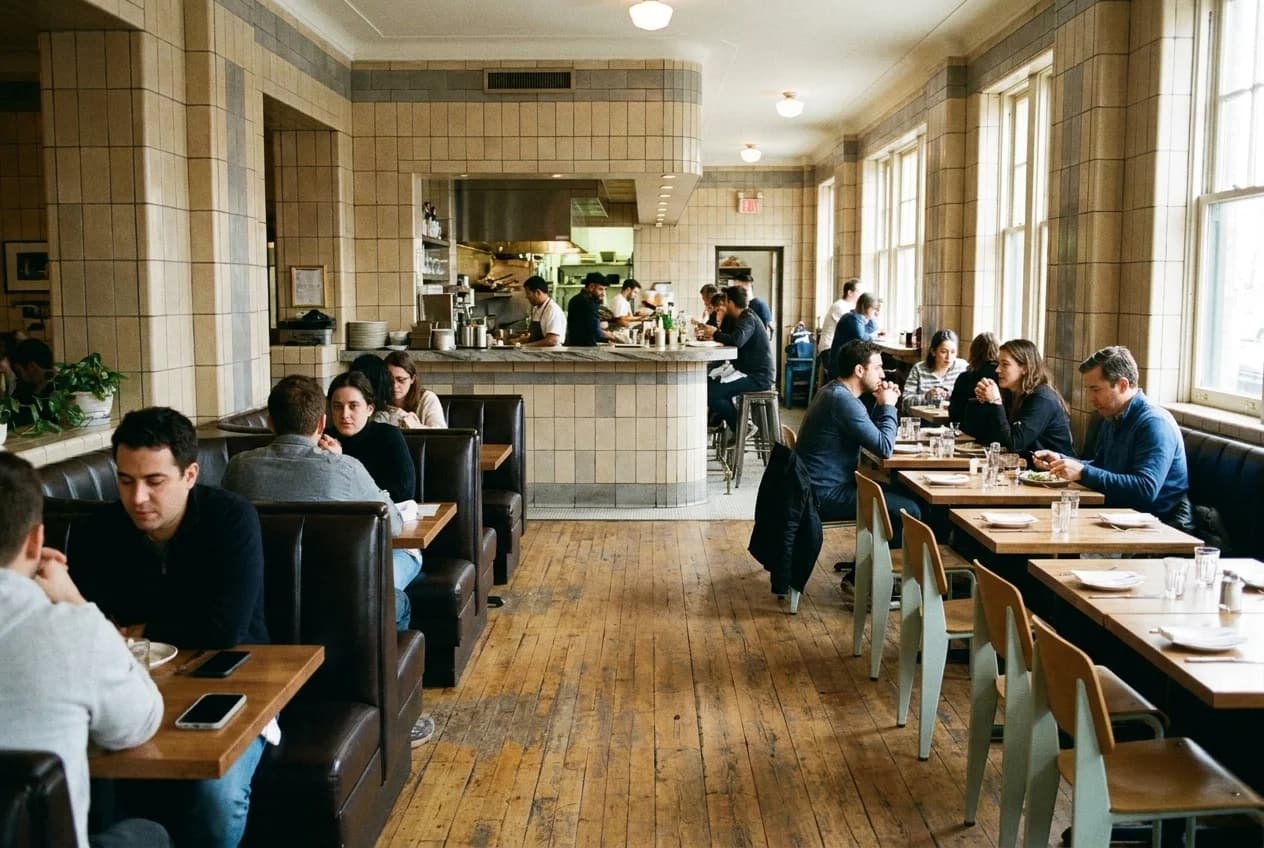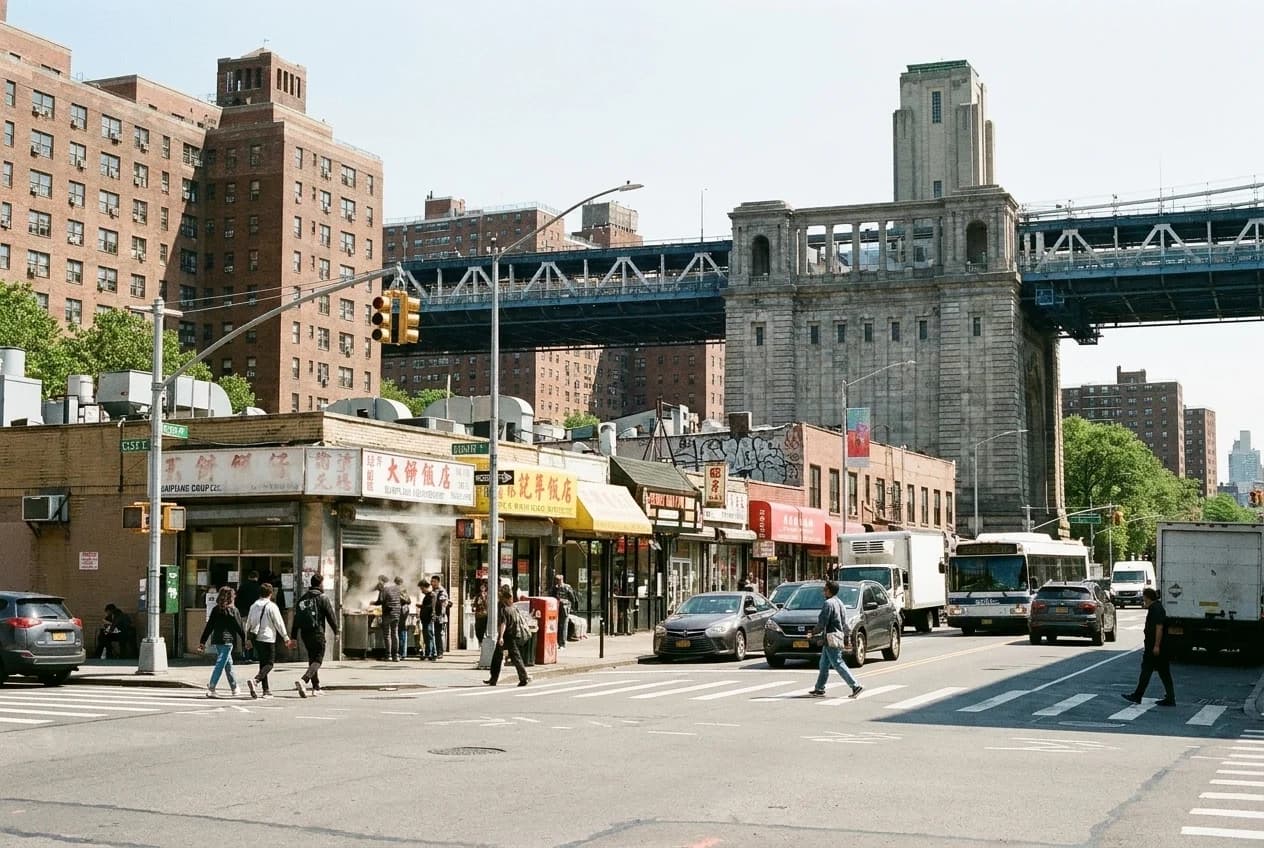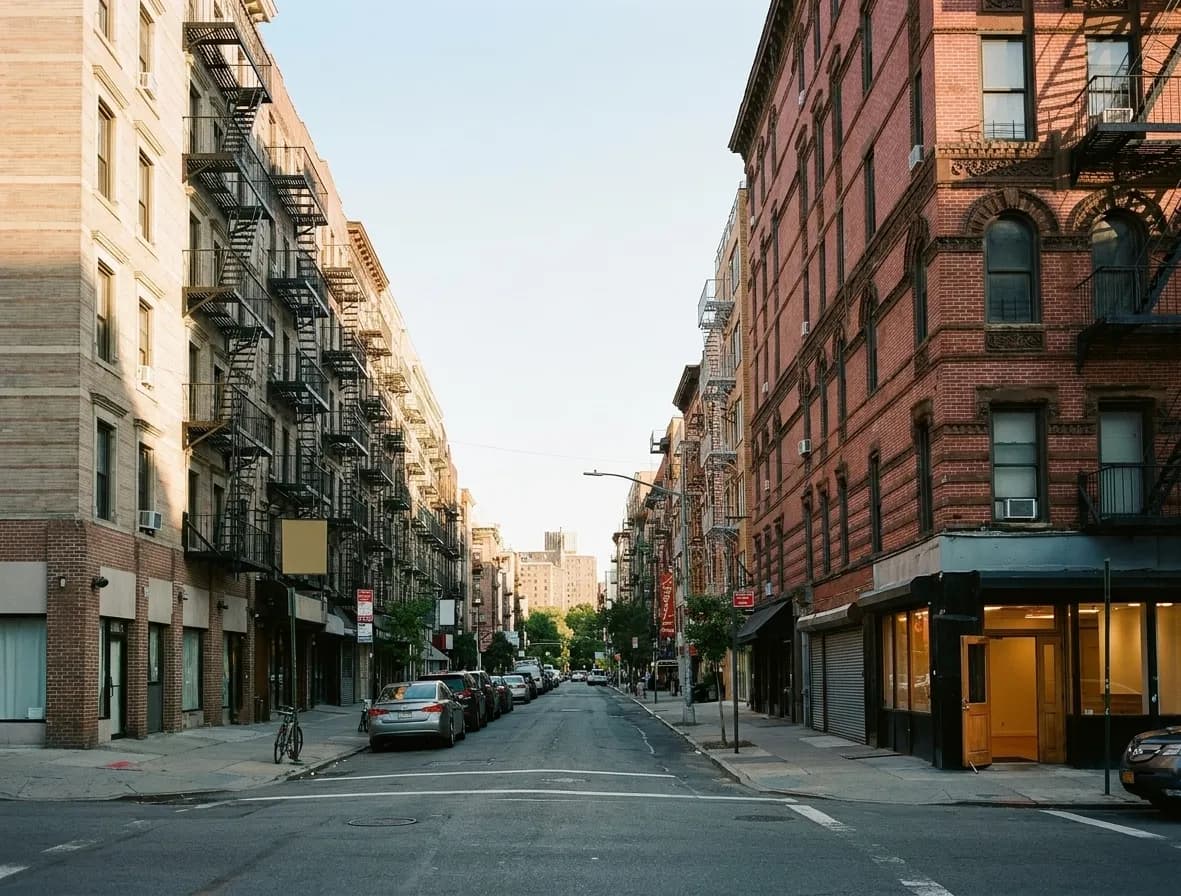
There is a version of the Lower East Side that shows up in every recommendation list, and it exists for roughly thirty-six hours a week. From Friday evening to Sunday afternoon the neighbourhood fills with people who do not live in it, queues form outside four or five specific doors, and the rooms that are genuinely good spend the whole time running at capacity, which is the condition under which no kitchen is at its best. The rest of the week the same blocks are a working residential neighbourhood with an unusual density of small restaurants in it. Same addresses, entirely different experience.
The gap between those two versions is the single most useful thing to know before booking anything down here, and no listing will tell you about it because listings do not have a day-of-the-week field. Tell Karpo when you are actually free and it will tell you which rooms reward that particular slot - and which ones you should skip until midweek.
The Tuesday-to-Thursday neighbourhood
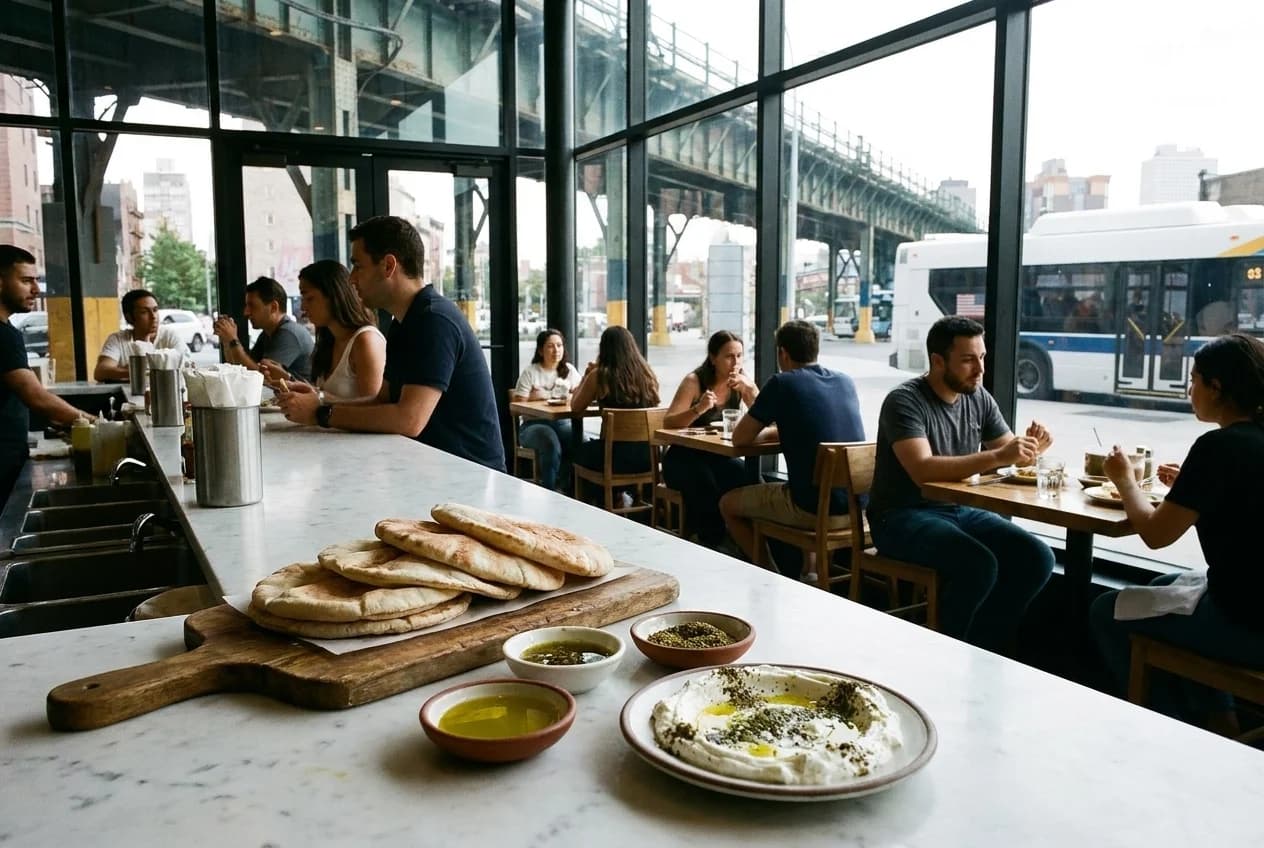
If you can choose your day, choose a Tuesday, Wednesday or Thursday evening. The practical differences are concrete rather than atmospheric. Walk-ins become possible at rooms that are a two-week booking on a Saturday. Kitchens that run a tasting format have the slack to actually talk to you about it. Counter seats, which in small restaurants are usually the best seats in the room, sit empty at seven instead of being claimed at five.
The staffing matters too, and it cuts both ways. Midweek shifts tend to be smaller and more senior, so the person taking your order is more likely to be someone who can answer a real question about the menu. But the same thinning means a handful of places simply close - a lot of the small owner-run rooms down here take Monday off, and a few take Monday and Tuesday. Assume nothing about a Monday in this neighbourhood without checking.
Essex Market is the honest starting point
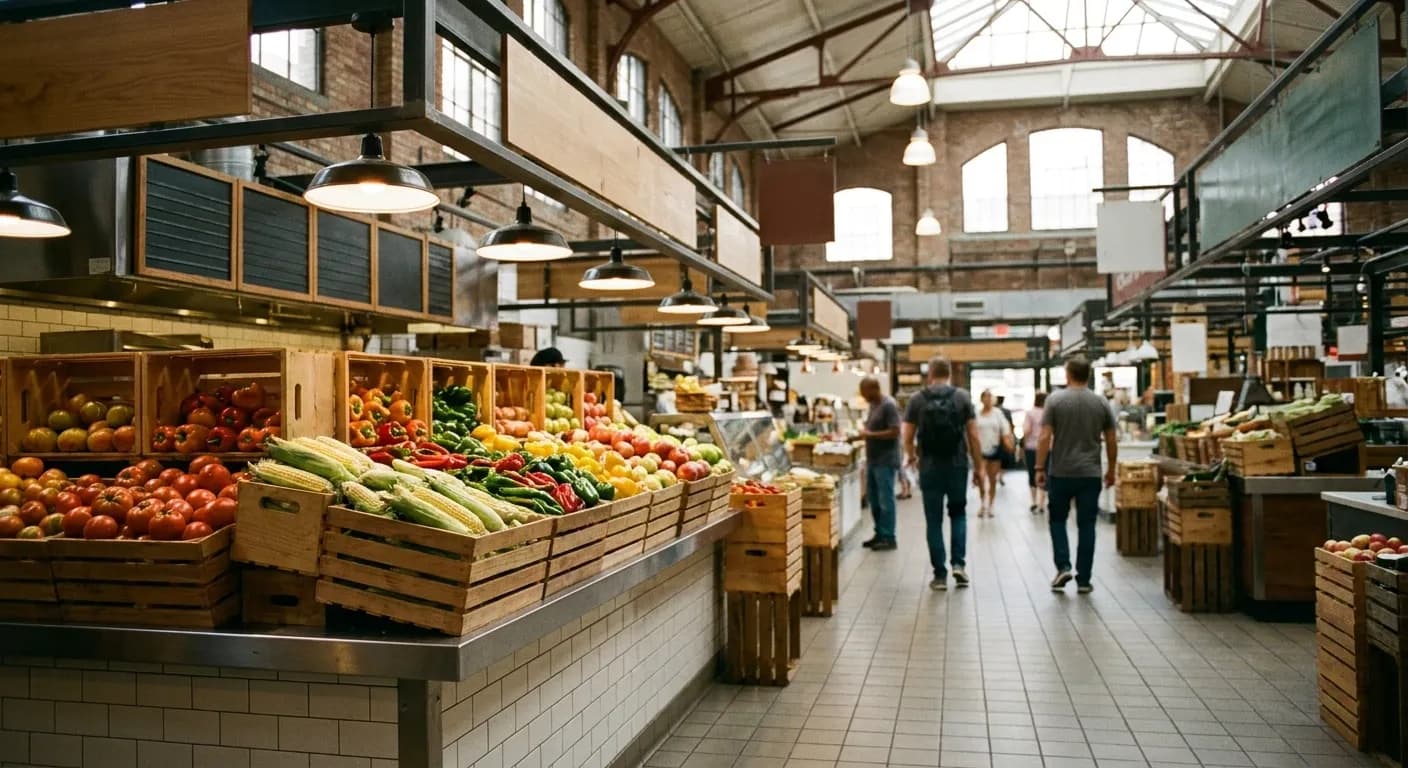
If you have one hour and no plan, the covered market on Essex Street is the most efficient way to understand what the neighbourhood eats. It has been the local shopping hall for over a century, moved into a modernised building on the same block, and now carries more than thirty vendors under one roof - produce and fish and butchers alongside prepared-food counters running Latin Caribbean, South Asian, fresh pasta and Ecuadorian baking.
What makes it useful is that it is not curated as an attraction. The grocery stalls and the food counters serve the same customers, which keeps the prices and the portions honest in a way that a purpose-built food hall usually is not. Go at lunch on a weekday and you will be surrounded by people buying dinner ingredients rather than people taking photographs, and you can eat well for the price of a sandwich elsewhere in Manhattan.
Orchard Street is two neighbourhoods stacked on one another
Walking Orchard Street south from Houston is the clearest short lesson in what happened to this neighbourhood. Century-old pickle shops and knish counters sit directly beside boutiques selling two-hundred-dollar sneakers, often with a single doorway between them. Neither is a survivor of the other. They coexist because the rents on this street have never been uniform - some of the old businesses own their buildings, which is the entire explanation for why they are still there.
The eating consequence is that this one street offers an unusually wide price spread within a two-minute walk. You can construct an evening that starts with something under five dollars from a counter that has been doing the same thing since before the First World War and ends at a tasting menu, without ever getting more than a block from where you started. Very few streets in the city let you do that.
What to skip, honestly
The one thing worth being blunt about: the two or three most photographed institutions down here run queues that regularly exceed an hour on weekends, and the food at the end of them is good but not an hour-of-your-life better than what is available three blocks away with no wait. If you specifically want the room and the ritual, that is a legitimate reason to queue. If you want the sandwich, go at eleven on a Wednesday, or go somewhere else.
Second, be sceptical of any block that has more than one late-night pizza window per hundred metres. That density is a reliable indicator that you are standing on a bar street rather than a restaurant street, and the eating is priced accordingly. The good restaurant blocks down here are one street off the loud ones, which is the same pattern the whole city follows.
How to plan an evening here
The layout rewards a walking sequence rather than a single booking. The neighbourhood is small - most of it fits inside a fifteen-minute walk - so it is entirely reasonable to eat one thing standing up on Orchard, sit down properly somewhere on Ludlow or Clinton, and finish with something small further east. Doing it in that order also means you are moving away from the busiest streets as the evening gets later, which is the correct direction.
One timing note. Kitchens down here close earlier than the bars around them by a wide margin, and the gap widens midweek. If you are eating after ten on a Tuesday, check the kitchen close time specifically rather than the venue close time - they are frequently two or three hours apart and only one of them is usually listed.
Practical notes
Essex Market, 88 Essex Street: over thirty vendors, a mix of groceries and prepared-food counters, open daily and busiest at weekend lunch. Orchard Street between Houston and Delancey: the widest price range per hundred metres in the neighbourhood, and the highest concentration of businesses over eighty years old. Weekday evenings Tuesday to Thursday are the walk-in window; Monday is the most common closing day for owner-run rooms.
Book ahead only for the tasting-format rooms. For everything else, midweek walk-in is not just possible here, it is the better experience - and it costs the same.
Tags: #RestaurantsNearMe #LowerEastSide #LES #EssexMarket #OrchardStreet #NYCFood #NewYorkCity #WhereLocalsEat #ManhattanDining #WeekdayDining #NYCNeighborhoods
All trademarks are the property of their respective owners.
Ask Karpo first
The Lower East Side is a neighbourhood where the day of the week changes the answer more than the block does. Ask Karpo what is actually open and calm on the evening you are free, which kitchens have already stopped serving by the time you get there, and where the queue is worth it rather than just long.