The single most useful thing you can know about Mediterranean food in San Francisco is that Levantine and Greek cooking are separate traditions that happen to share a shelf in the supermarket. Greek food is built on fire, lemon, oregano and excellent raw material treated simply. Levantine cooking — Lebanese, Palestinian, Syrian — is built on a table covered in small dishes, on spice blends and preserved things, on bread as a utensil. A kitchen that is genuinely good at one is very rarely genuinely good at the other, and the sign outside will almost never tell you which you are walking into.
The label on the door is a poor guide to what a kitchen actually cooks. Ask Karpo what a specific room does well before you commit to a table.
The Financial District and downtown: Greek at the top end
San Francisco's serious Greek cooking is clustered downtown rather than spread through the neighbourhoods, and it is priced accordingly. Kokkari is the room that defines the category here — an open fire, whole grilled fish, lamb cooked plainly and very well, in a space that is comfortably the most expensive way to eat this food in the city. It earns it, provided you order like a Greek rather than like someone at a tasting menu. Whole fish, grilled meat, a plate of horta, bread and oil. The elaborate dishes are the least interesting things on the menu.
The Presidio and the northern edge: the showy end
Dalida sits in a converted brick building in the Presidio and runs a menu that leans Turkish and Greek, with a genuine sense of occasion about the room. It is where the category goes when it wants to be a night out — pillowy pita with labneh, crisp tahdig, grilled things off a wood fire. This is the one to book when the point of the evening is the setting as much as the food, and it is worth knowing that the Presidio location means it works far better as a long lunch or an early dinner than as a late one.
The Mission and the Richmond: where the Levantine cooking is
The Levantine end of this is spread through the residential neighbourhoods and is where most of the interesting cooking in the category is happening. Beit Rima has built a following on Palestinian home cooking done without ceremony — the sort of food that is cooked for a family rather than plated for a photograph, and better for it. Barcha, Mazra and Freekeh occupy the middle of the market across the city, and La Méditerranée, coming at the same broad tradition from an Armenian direction, has been quietly good for decades at prices that have not kept pace with anything.
Order these rooms the opposite way to the Greek ones. Four or five mezze between two people, plenty of bread, and at most one grilled main to share. The single-main-course approach costs more and delivers a worse meal, because the entire cuisine is designed around variety on the table at once.
The counters, which beat the restaurants on value
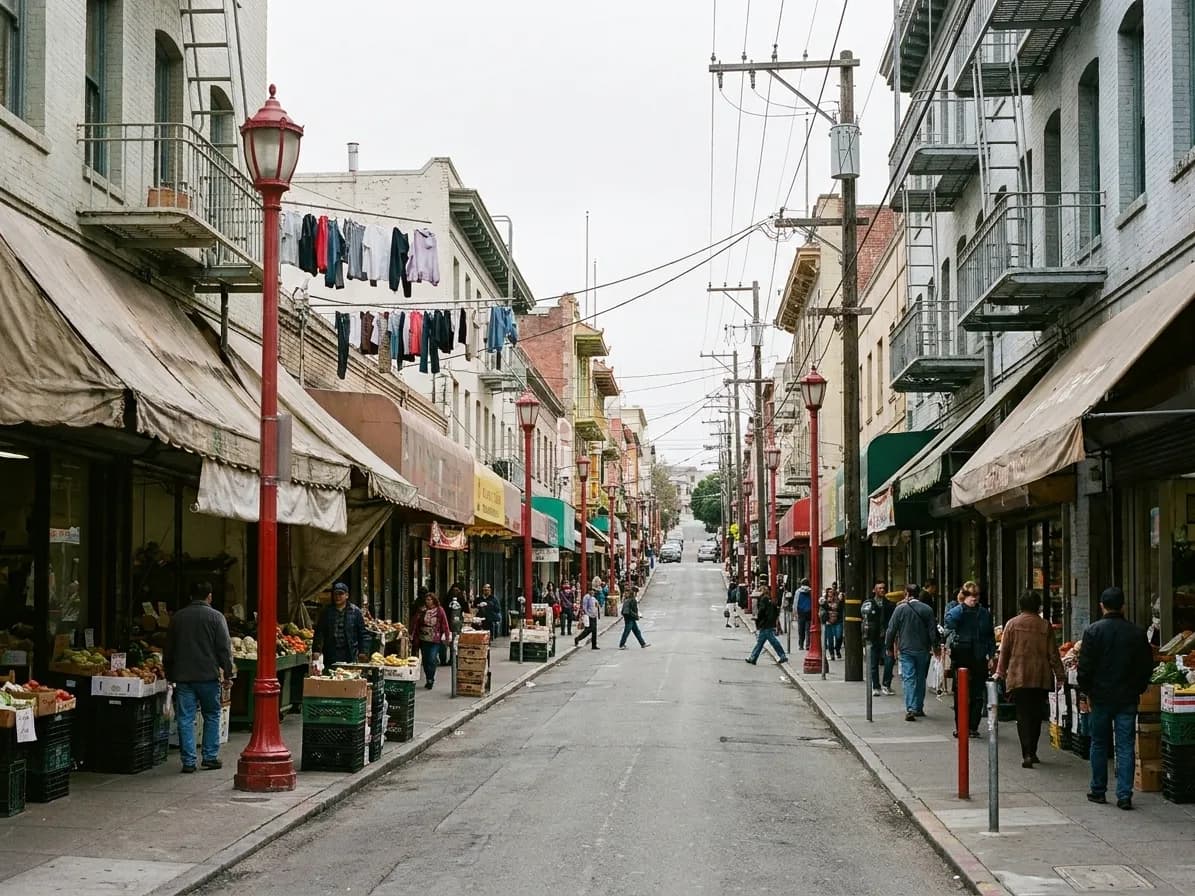
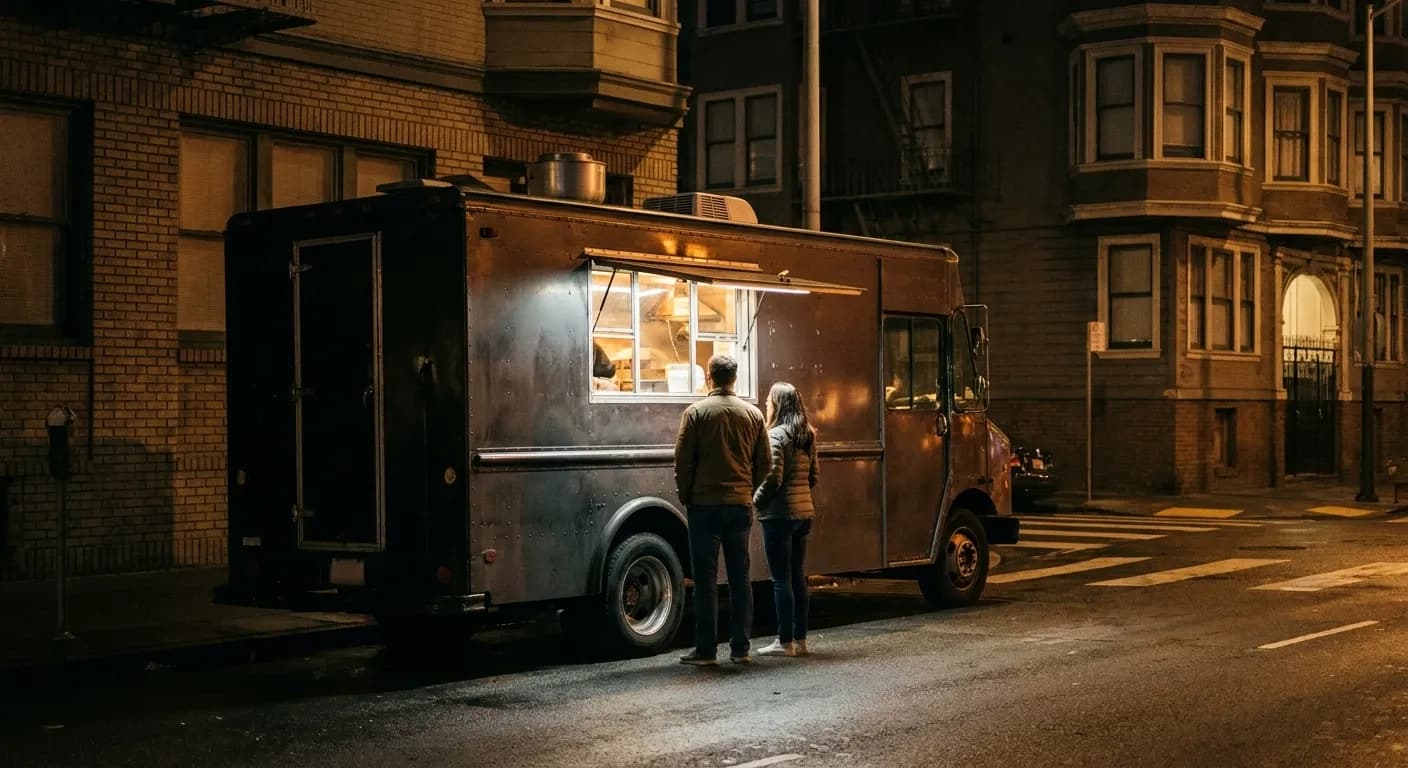
Kebab and shawarma counters are where this cuisine is most under-priced in San Francisco. Presidio Kebab is the obvious example, but the pattern repeats across the Tenderloin, Polk Street and the avenues: rooms with six stools doing genuinely skilled grilling for roughly a third of the sit-down price. If you are eating alone or on a budget, this is the correct tier, and unlike some cuisines there is very little quality penalty — the grill is the grill whether or not there is a wine list attached to it.
The bakeries, which are the layer under everything
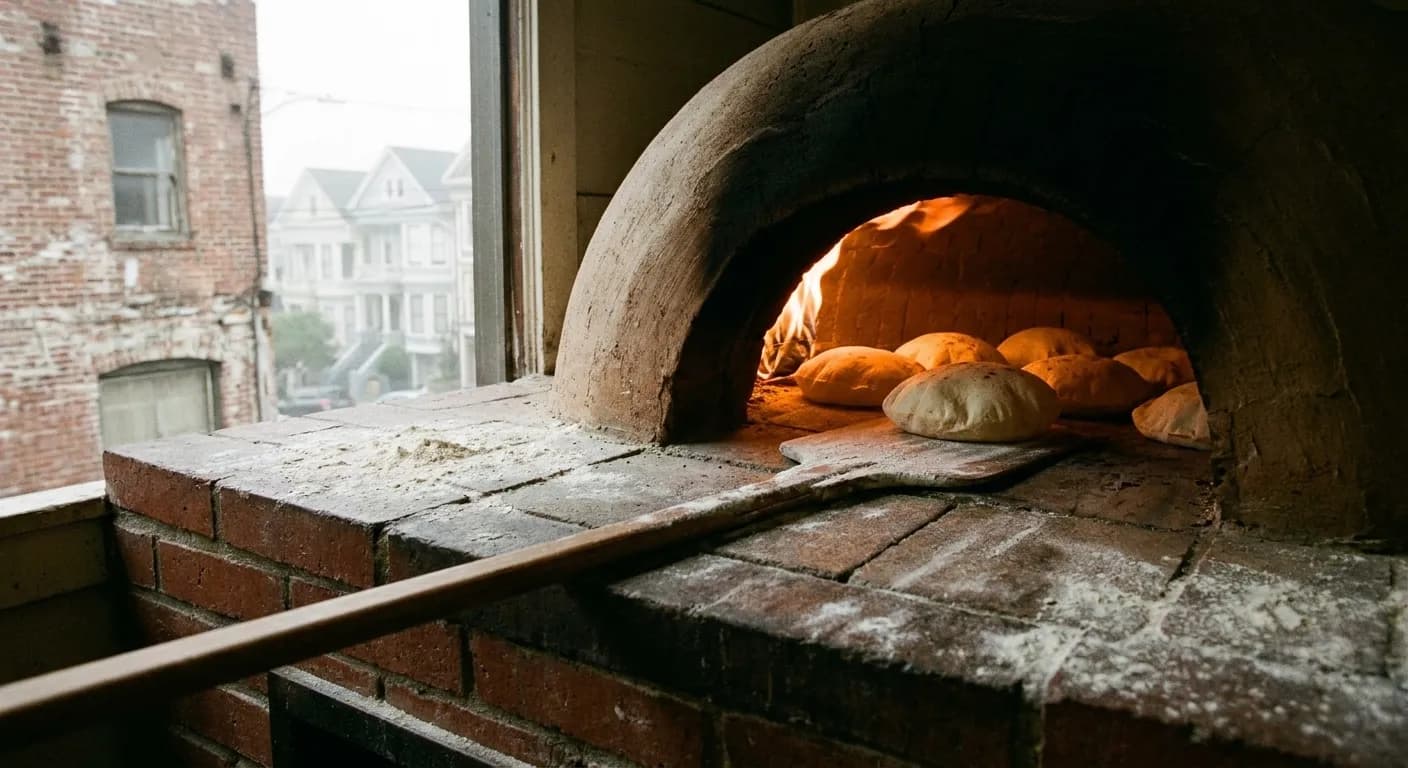
Both traditions rest on bakeries, and San Francisco has a good scattering of them doing the unglamorous work that makes the restaurants possible. Middle Eastern grocers along the avenues and in the Tenderloin bake or supply flatbread daily, sell the spice blends worth having at home — proper za'atar with sumac in it rather than the dusty supermarket version, Aleppo pepper, decent tahini — and are frequently attached to a small counter doing manaqish or a plate of the day for under fifteen dollars.
This is where the cuisine is cheapest and often where it is most honest. A grocer with a two-table eating area is cooking for the people who shop there, which is a much more reliable quality signal than a review. It is also the answer to the most common complaint about eating Levantine food in restaurants, which is the cost — buying bread, olives, cheese, pickles and a tub of hummus from a good grocer produces the same table for a quarter of the money.
How to tell which is which before you order
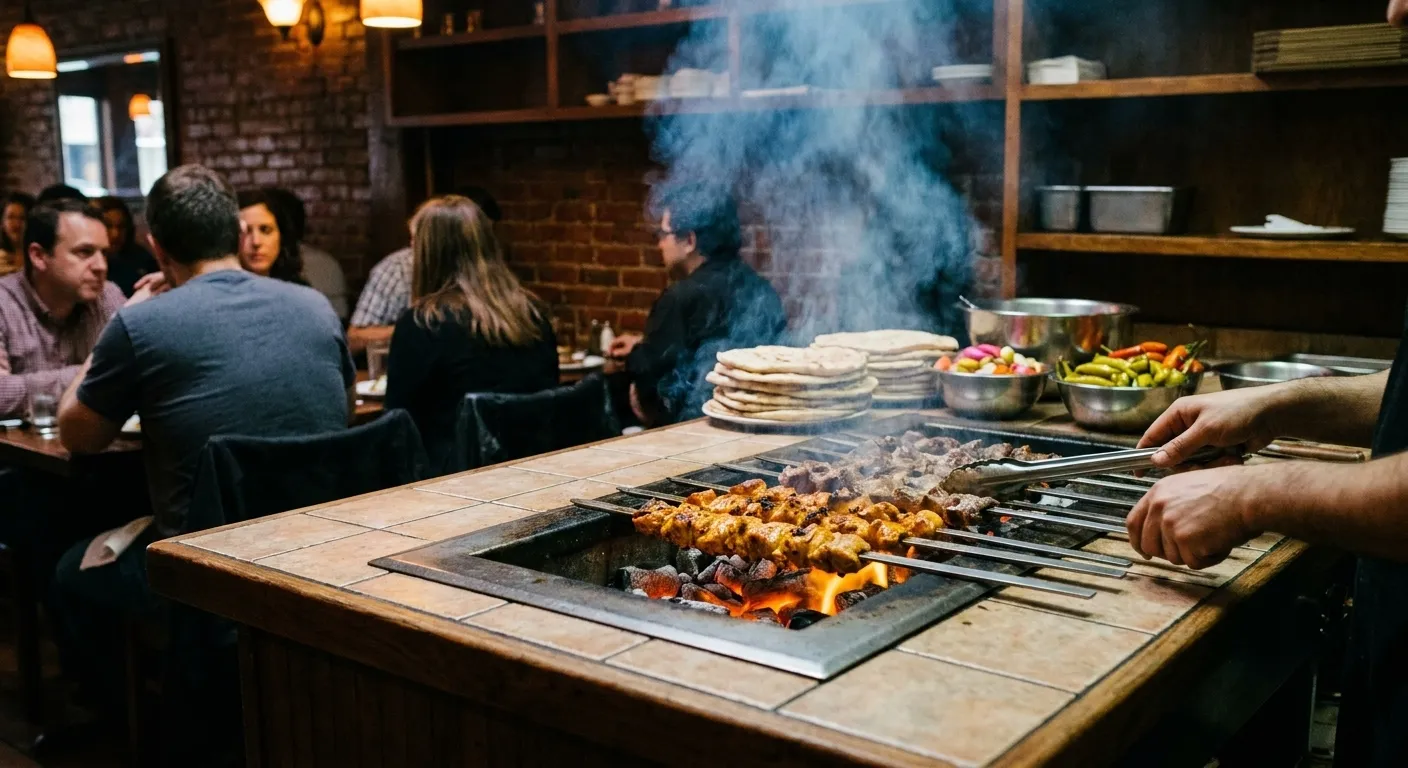
Three quick tells. Look for the bread: if flatbread comes to the table warm and made in the building, you are in a Levantine kitchen that takes itself seriously. Look at the grill: an open charcoal fire visible from the dining room is a strong Greek or Turkish signal. And look at the wine and drinks list, which is the most reliable indicator of all — Greek and Lebanese bottles, arak or ouzo mean the kitchen is cooking the real thing, while a list of Californian and French wine with a couple of za'atar dishes on the menu means you are in a Californian restaurant using Mediterranean vocabulary.
None of that is snobbery about authenticity. It is purely practical: knowing which of the two traditions a kitchen belongs to tells you what to order, and ordering correctly is the difference between a good meal and a puzzling one. San Francisco has both traditions represented properly, which is more than most American cities can say — the only thing standing between you and a very good dinner is reading the room right on the way in.
Tags: #SanFrancisco #SFEats #MediterraneanFood #LevantineFood #GreekFood #Palestinian #Lebanese #Mezze #Kokkari #BeitRima #SFFood #BayArea #NeighborhoodGuide #Shawarma #SFDining
All trademarks are the property of their respective owners.
Ask Karpo first
Ask Karpo which Levantine or Greek kitchens are near you in San Francisco, which of them are open tonight, and the two or three dishes each one is genuinely known for.