 Haaland Has Seven Goals and Norway Runs Entirely Through Him
⚽️2026 FIFA WORLD CUP

Quarterfinal Extra Time Fatigue and Its Semifinal Consequences
England and Argentina survived quarterfinals that went beyond 90 minutes, while France and Spain advanced in regulation. The semifinal conversation now turns to recovery, rotation, travel rhythm, and how much extra time may shape what comes next.
Dallas, Atlanta, Miami, and Kansas City now sit at the center of a familiar World Cup question: what does extra time cost when the next match is already approaching? The confirmed quarterfinal anchors are clear: France beat Morocco 2-0, Spain beat Belgium 2-1, England beat Norway 2-1 after extra time, and Argentina beat Switzerland 3-1 after extra time. Those results create a sharp semifinal storyline, because two teams advanced through regulation while two had to spend additional minutes chasing survival, composure, and control.
Text Karpo before you lock in your semifinal plans. Whether you are trying to choose a watch party, build a food route, compare fan zones, or time your match-day movement around Dallas, Atlanta, Miami, or Kansas City, Karpo can turn this fatigue storyline into a personalized plan that fits your city, your group, and your kickoff routine.
The Quarterfinal Split That Defines the Semifinal Build-Up
The quarterfinal round produced two different types of winners. France and Spain came through with confirmed regulation victories, France 2-0 over Morocco and Spain 2-1 over Belgium. England and Argentina, by contrast, both needed extra time: England beat Norway 2-1 after extra time, while Argentina beat Switzerland 3-1 after extra time. That distinction does not decide the semifinals by itself, but it changes the lens through which every preparation detail is viewed.
The important safety line is just as clear as the scores. Without official confirmation, no one should fill in the blanks with claimed scorers, exact goal minutes, substitutions, yellow cards, red cards, VAR decisions, injuries, or tactical statistics. Those details require verification through the official FIFA World Cup 26 schedule and results page or the FIFA tournament hub. Until they are published and confirmed, the responsible analysis stays with what is known: the scorelines, the extra-time burden, and the likely recovery questions that follow.

Why Extra Time Matters Even Without Guesswork
Extra time matters because it changes the physical and emotional profile of a knockout win. A team that plays 120 minutes has not simply added half an hour to its workload; it has added half an hour under maximum competitive stress. Players must continue sprinting, pressing, tracking, jumping, and making decisions when fatigue is already visible. The effect can show up in heavy legs, slower reactions, reduced training intensity, and a greater need for recovery management before the next match.
That does not mean England or Argentina are automatically disadvantaged beyond repair. Elite squads plan for these moments, and tournament teams often draw confidence from surviving pressure. Still, the confirmed fact that both advanced after extra time gives their semifinal opponents, analysts, and supporters a real theme to examine. Any stronger conclusion would need verified squad data, medical updates, travel information, and official match statistics, none of which should be invented. The fair point is not that extra time guarantees trouble, but that it narrows the margin for preparation.
France and Spain Earned a Different Recovery Window
France’s 2-0 win over Morocco and Spain’s 2-1 win over Belgium gave them a cleaner recovery narrative because both victories were confirmed inside regulation. That matters in tournament football, where the difference between 90 and 120 minutes can influence post-match treatment, sleep schedules, training loads, and how much tactical work a staff can demand before the semifinal. Regulation winners may have slightly more room to refresh bodies and rehearse plans without asking players to absorb the same accumulated strain.
Even so, it would be careless to claim France or Spain are fresh without official workload details. Regulation does not mean easy, and a 90-minute knockout match can still be intense, draining, and physically costly. What can be said safely is narrower: France and Spain avoided extra time, while England and Argentina did not. That is the confirmed contrast. Any claims about individual fatigue, specific knocks, player availability, or training participation must wait for official updates from teams, the tournament hub, or match-related releases.
England and Argentina Face the Classic Recovery Test
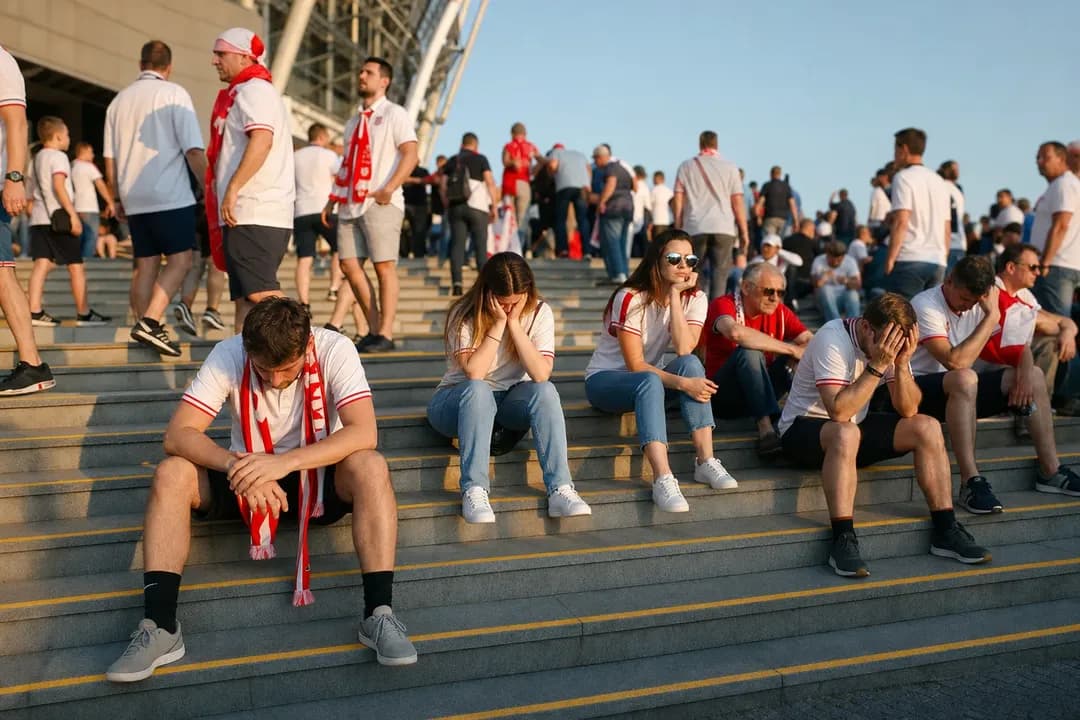
England’s 2-1 win over Norway after extra time and Argentina’s 3-1 win over Switzerland after extra time place both teams in the classic semifinal recovery test. The first challenge is physical: restoring legs after extended knockout football. The second is tactical: deciding how much to adjust without overwhelming players who may need recovery more than repetition. The third is psychological: carrying the boost of a dramatic win without letting emotional exhaustion bleed into the next performance.
For supporters, the temptation is to turn extra time into a simple prediction tool. That is too neat. Some teams come out of extra-time wins with sharper unity, stronger belief, and a clearer sense of tournament identity. Others look stretched in the following round. The difference usually depends on squad depth, recovery execution, tactical clarity, and how quickly the next opponent can make fatigue visible. Since confirmed lineups, player loads, and medical details are not available here, any semifinal forecast has to remain analysis, not certainty.
How Semifinal Opponents May Try to Expose Fatigue
The most obvious way to test a team coming off extra time is tempo. A semifinal opponent may try to move the ball quickly, force repeated defensive shifts, and make tired players cover ground early. Another route is pressure: high-intensity pressing can ask whether legs and decision-making have fully returned. A third is patience, stretching the match and waiting to see whether concentration dips later. These are general football possibilities, not claims about a confirmed game plan.
The risk for the regulation winners is assuming fatigue will do the work for them. Extra-time survivors can be dangerous because they have already endured a crisis and advanced anyway. England and Argentina have confirmed wins that required more than 90 minutes, but they also have confirmed evidence of resilience. France and Spain have confirmed regulation wins, but they still must execute. The semifinal consequences of fatigue are real to discuss, yet they only become decisive if one team turns them into pressure on the field.
What Fans in Dallas, Atlanta, Miami, and Kansas City Should Watch
For fans watching from Dallas, Atlanta, Miami, or Kansas City, the early signs may be more revealing than pre-match arguments. Look for whether the extra-time teams start cautiously or aggressively, whether their pressing appears coordinated, and whether their recovery runs remain sharp after the opening phase. Also watch how the regulation winners manage tempo. If they accelerate the match repeatedly, they may be trying to make the extra minutes from the quarterfinals matter before the game reaches its own decisive stage.
The official path for any unresolved detail is straightforward. Confirm fixtures, participants, and results through FIFA’s World Cup 26 schedule and results page or the FIFA tournament hub, and wait for official team information before accepting claims about scorers, minutes, injuries, cards, lineups, or tactical statistics. The confirmed story is already compelling enough: France and Spain advanced in regulation, England and Argentina advanced after extra time, and the semifinals now carry a recovery subplot that could influence rhythm, selection, and game management without guaranteeing the outcome.
Tags: #WorldCup2026
Sources consulted: FIFA World Cup 26 schedule and results · FIFA World Cup 26 tournament hub
All trademarks are the property of their respective owners.
Ask Karpo First
Ask Karpo to build your semifinal plan around your city, match timing, food stops, viewing spot, and the fatigue storyline you want to follow most closely.
Ask Karpo for more information.
Keep reading
- Haaland Has Seven Goals and Norway Runs Entirely Through Him
 World Cup Trophy Ceremony Timing Medals and Postmatch Celebrations
 Olise and France's Attack: The Semifinal Tactical Question