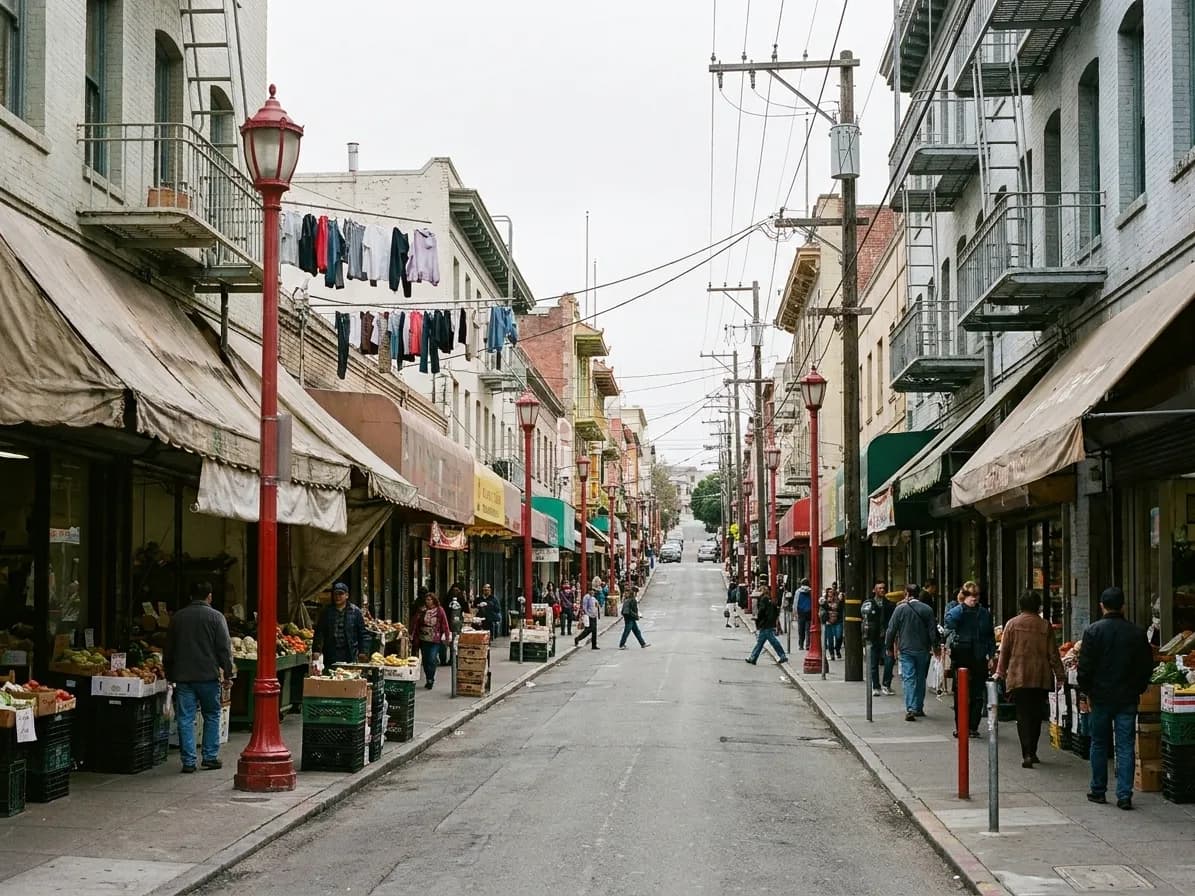
Most people experience San Francisco's Chinatown between eleven and three, walking Grant Avenue, and conclude that it is a souvenir district with restaurants attached. The neighbourhood people actually live in runs on a different clock entirely. It starts before seven, peaks at breakfast and mid-morning, goes quiet in the late afternoon, and closes earlier in the evening than any comparable district in the city. Eating well here is mostly a matter of showing up at the right hour.
Chinatown's hours are the whole story — the same street is three different neighbourhoods at eight, at two and at eight in the evening. Tell Karpo what time it is and where you are, and it will tell you what that hour is good for.
Seven to nine: the neighbourhood's best hour
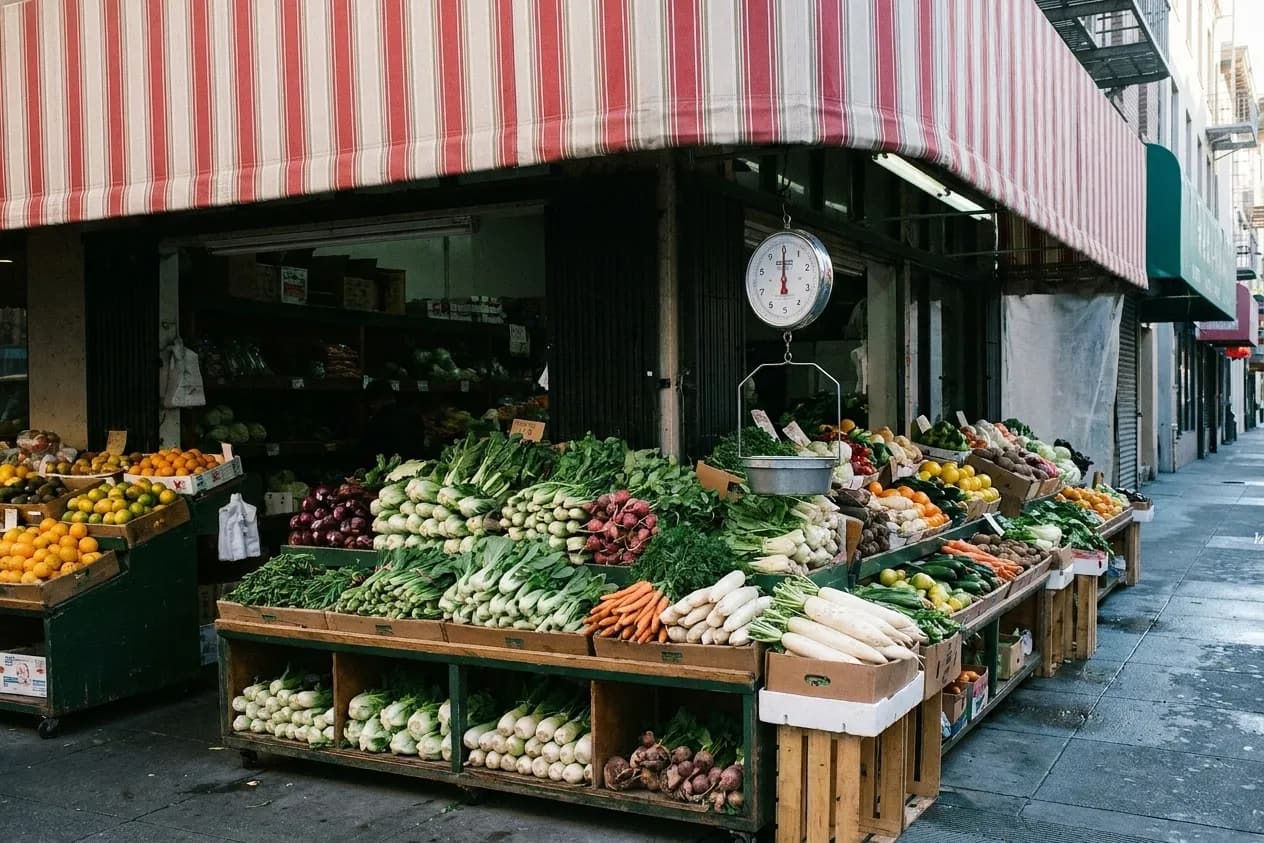
Early morning is when Chinatown is most itself. Bakeries are pulling the first trays out, the dim sum counters are at their freshest, the produce shops on Stockton are putting out crates, and the parks are full of people doing tai chi. Breakfast is cheap and excellent: a hot bun and a coffee, a bowl of congee with a fried dough stick, or a bag of rice noodle rolls eaten walking.
This is also the hour with no queues anywhere. The same counter that has twenty people outside it at one in the afternoon has nobody at eight, and the food is better because it just came out. If you do one thing from this article, do this one.
Ten to two: dim sum and the roast shops
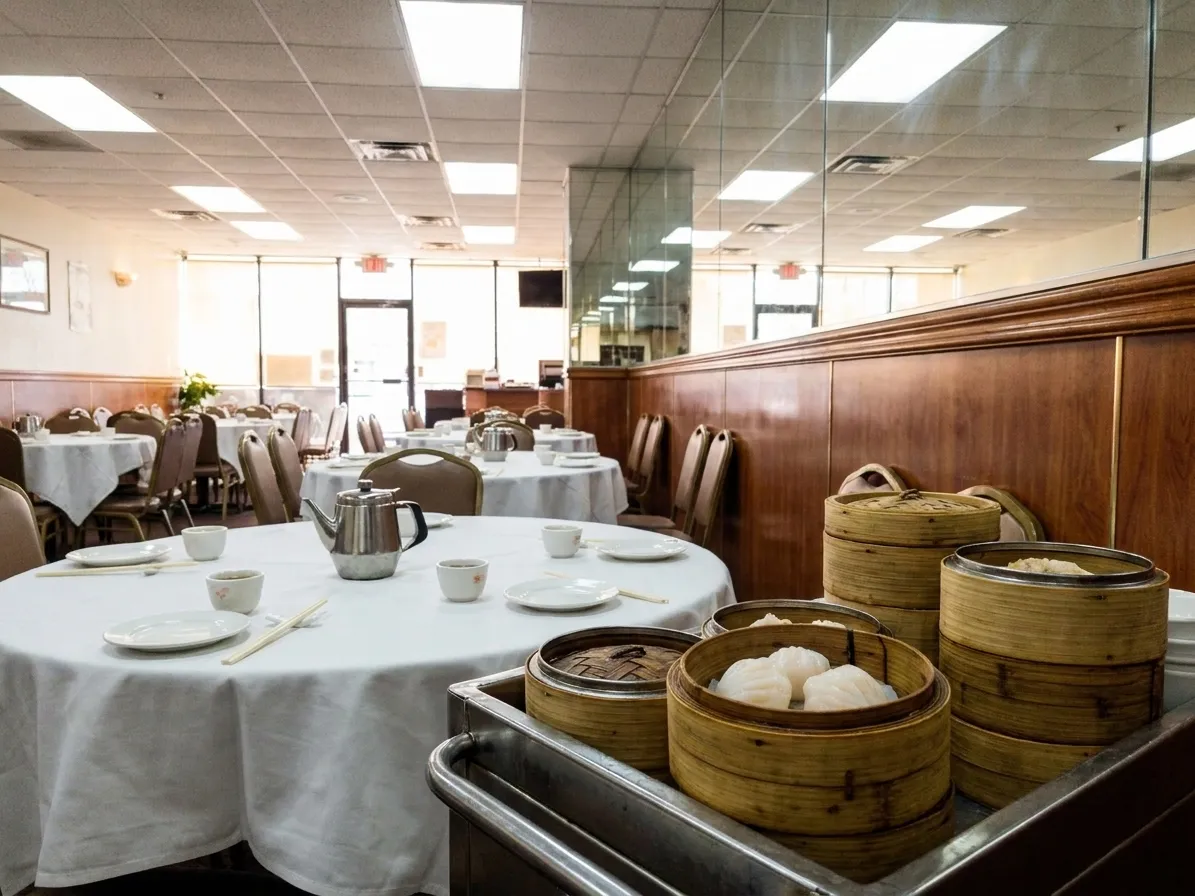
Mid-morning to early afternoon is the neighbourhood's main event. The big banquet rooms run trolley dim sum, best done with four or more people and worth the wait on a weekend. The roast shops are at full display — duck, char siu, soy chicken — and a plate over rice is the most reliable lunch in central San Francisco.
This is the busiest window and the one where a plan helps. Big rooms take names rather than reservations for dim sum and the wait on a Sunday can be an hour. The counter shops next door sell the same dumplings with no wait at all, which is the trade to make if you are hungry rather than committed to the room.
Two to five: the quiet, and the split shift
A large share of Chinatown's kitchens close between lunch and dinner. This is the hour that catches visitors out, and it is also the most pleasant time to walk the neighbourhood — the crowds thin, the light down the alleys is good, and the shops that stay open are the bakeries, the tea shops and the herbalists.
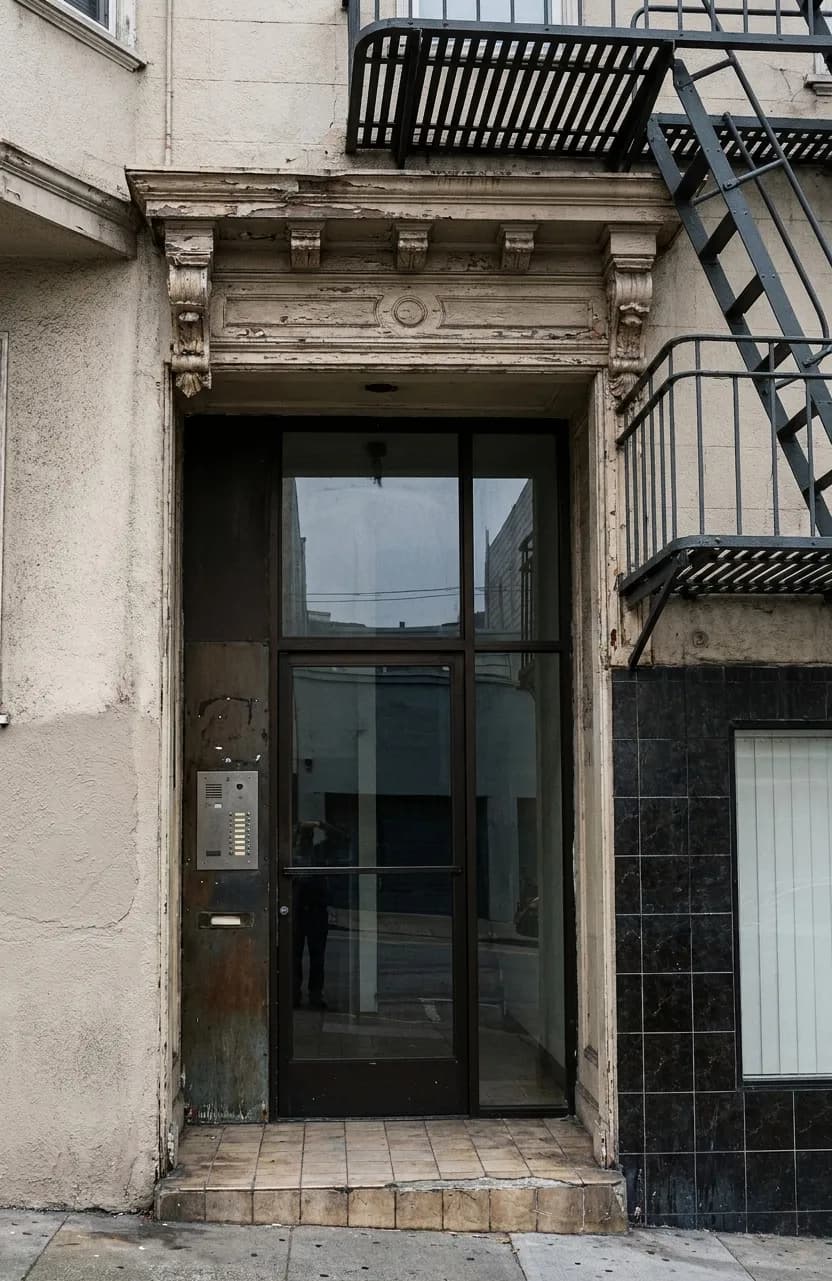
Use it for the things that are not restaurants. The alleys off Grant and Stockton, the temple balconies, the fortune cookie factory, Portsmouth Square, the produce and fish markets doing their afternoon trade. A bag of buns from a bakery covers the gap until dinner service starts again.
Five to nine: dinner, earlier than you think
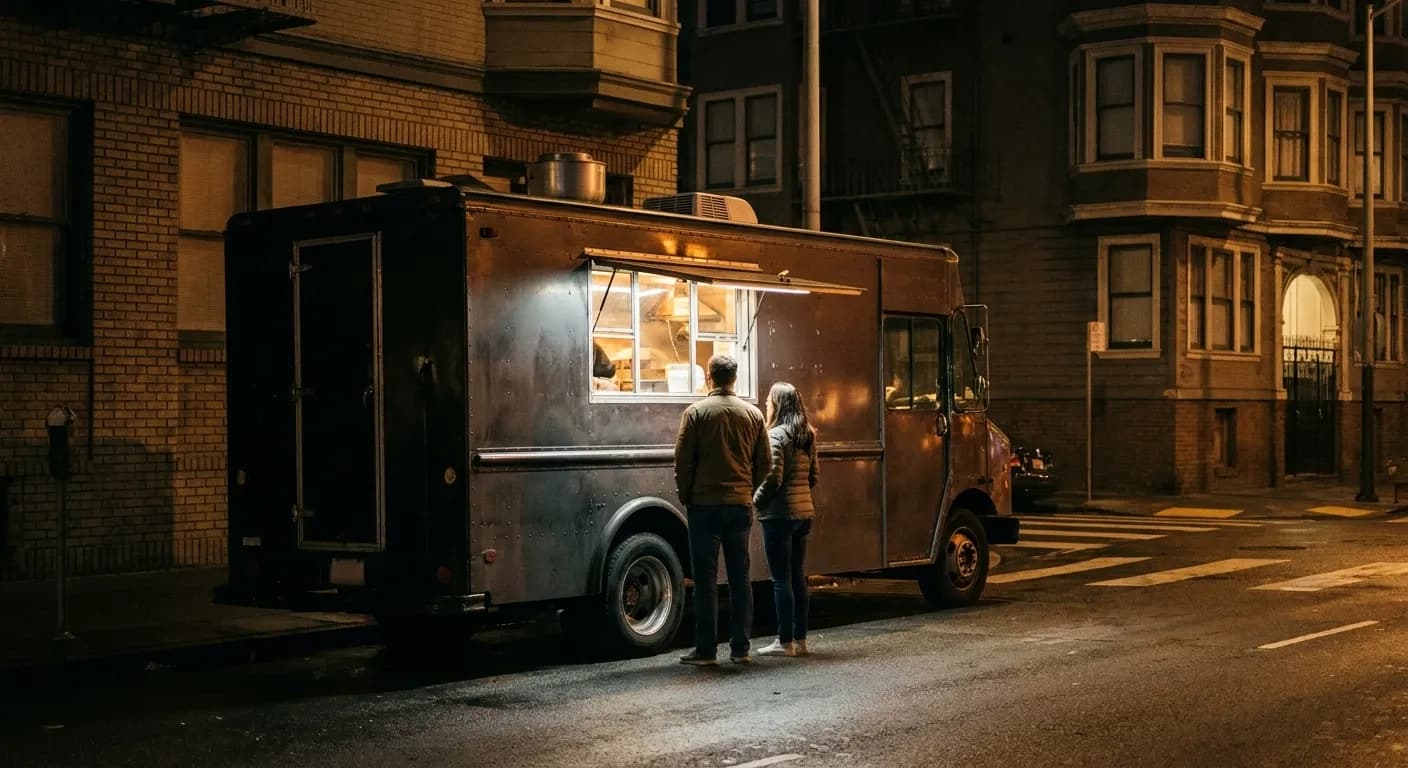
Chinatown eats dinner early and closes early. The banquet rooms fill from six with family tables, the small noodle and clay pot places do their best trade between six and eight, and a lot of the neighbourhood is shut by nine or half past. This is the opposite of the Mission or Koreatown, and planning a late Chinatown dinner is the most common way to end up disappointed.
Dinner is where the neighbourhood is best value with a group. Order for the table in a banquet room — a steamed whole fish from the tank, a clay pot, greens, soup, something crisp — and the per-person cost undercuts anything comparable in the city. Clay pot rice in particular is a winter dish worth planning an evening around.
After nine, and the practical notes
Late night in Chinatown is thin. A few places run later, and the neighbouring corridors — North Beach on one side, the Financial District on the other — pick up the slack. If your evening is going to run long, eat in Chinatown early and drink elsewhere afterwards, which is what the geography is set up for anyway.
Three practical things throughout the day. Cash is preferred widely and required in places. Many rooms close one day a week, often Monday or Tuesday. And parking is genuinely not worth attempting: take a bus, walk down from North Beach, or use a garage on the edge and accept the hill.
What the weather does to the day
Chinatown is one of the few San Francisco neighbourhoods where the weather genuinely changes what you should eat and when. On a cold, foggy morning — which is most of them for large parts of the year — congee, noodle soup and hot buns are the obvious answer, and the neighbourhood is set up to deliver all three before eight.
On the handful of warm days, the rhythm shifts: the produce markets are the pleasant part of the day, roast meat and cold noodles beat soup, and the alleys and Portsmouth Square are worth lingering in rather than passing through. Reading the fog before you decide what to eat is a very San Francisco skill and it applies here more than most places.
Tags: #SanFrancisco #Chinatown #DimSum #SFEats #PlacesToEat #StocktonStreet #NeighborhoodGuide #CheapEatsSF #SFFoodie #WhereToEatSF #BayArea #MorningRoutine #CantoneseFood #SFLocal
Sources consulted: sftravel.com · sfmta.com · sfdph.org
All trademarks are the property of their respective owners.
Ask Karpo first
Split shifts, weekly closing days and dim sum counters that sell out by two are the details that decide whether this plan works. Ask Karpo what is open near you at the hour you are reading this, which places take cards, and where the queue is shortest — it answers in iMessage while you are on the street.